
Kingston Arms – Scottish Single-hand Sword
In stock
$249.99
- Shipping estimated at checkout
- Every blade inspected before shipping
- 30-day returns
- Class
- Battle Ready
- Overall Length
- 37 3/16"
- Weight
- 1 lb 11 oz
- Brand
- Kingston Arms
- Culture
- Scottish
- Era
- Medieval
Overview
Kingston Arms - Scottish Single-hand Sword
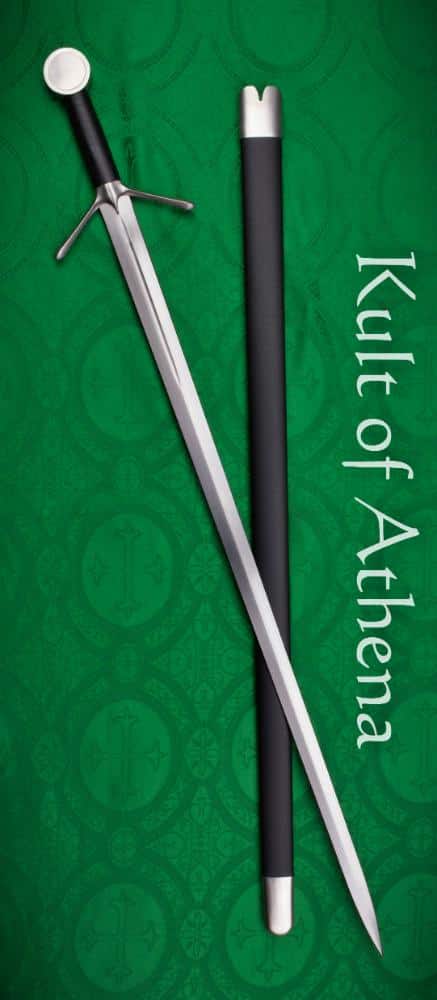
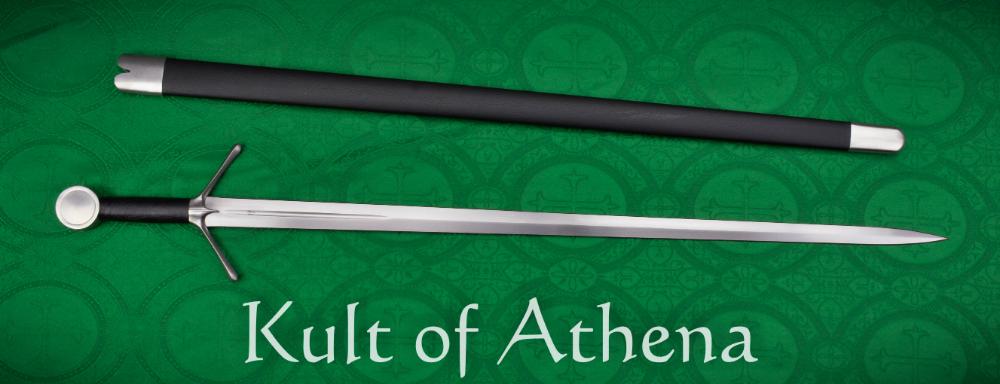
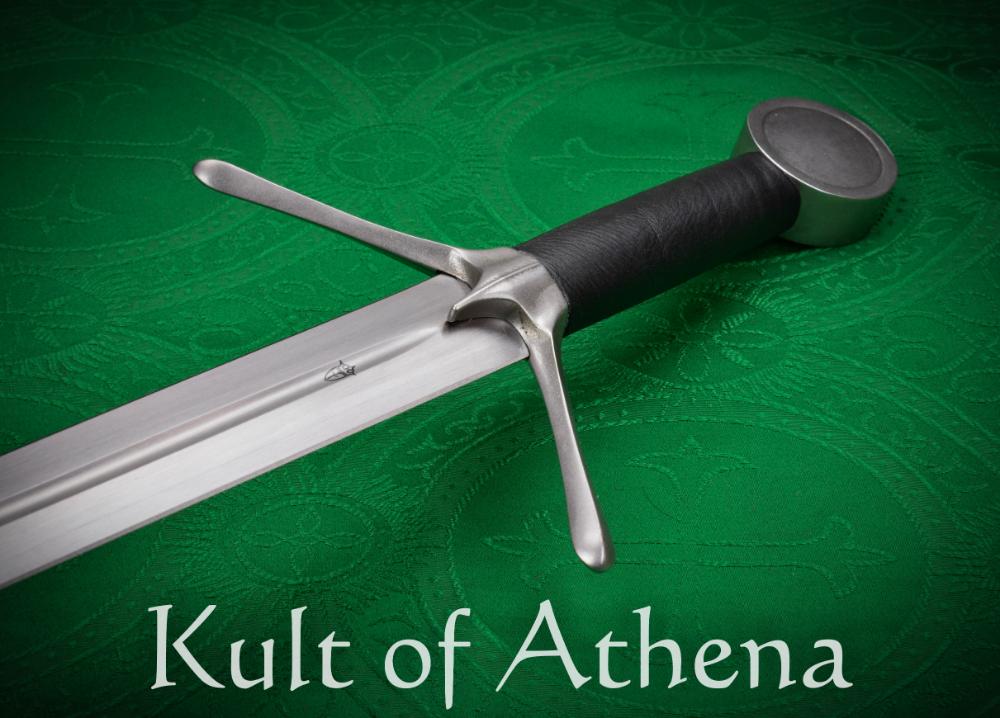
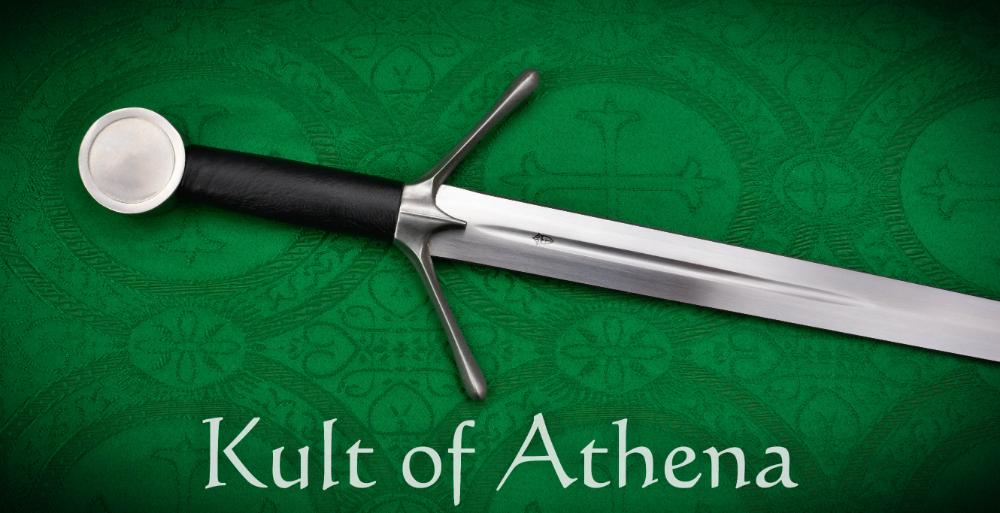
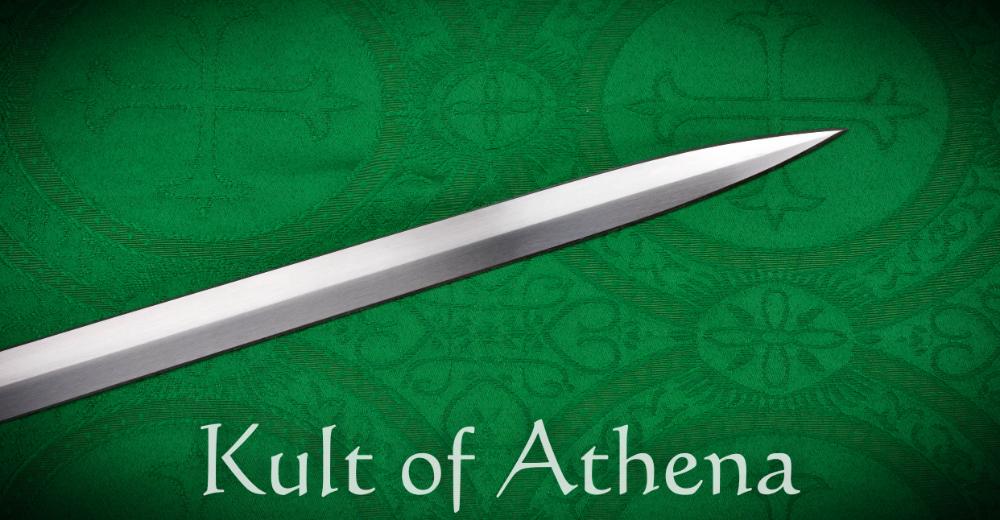
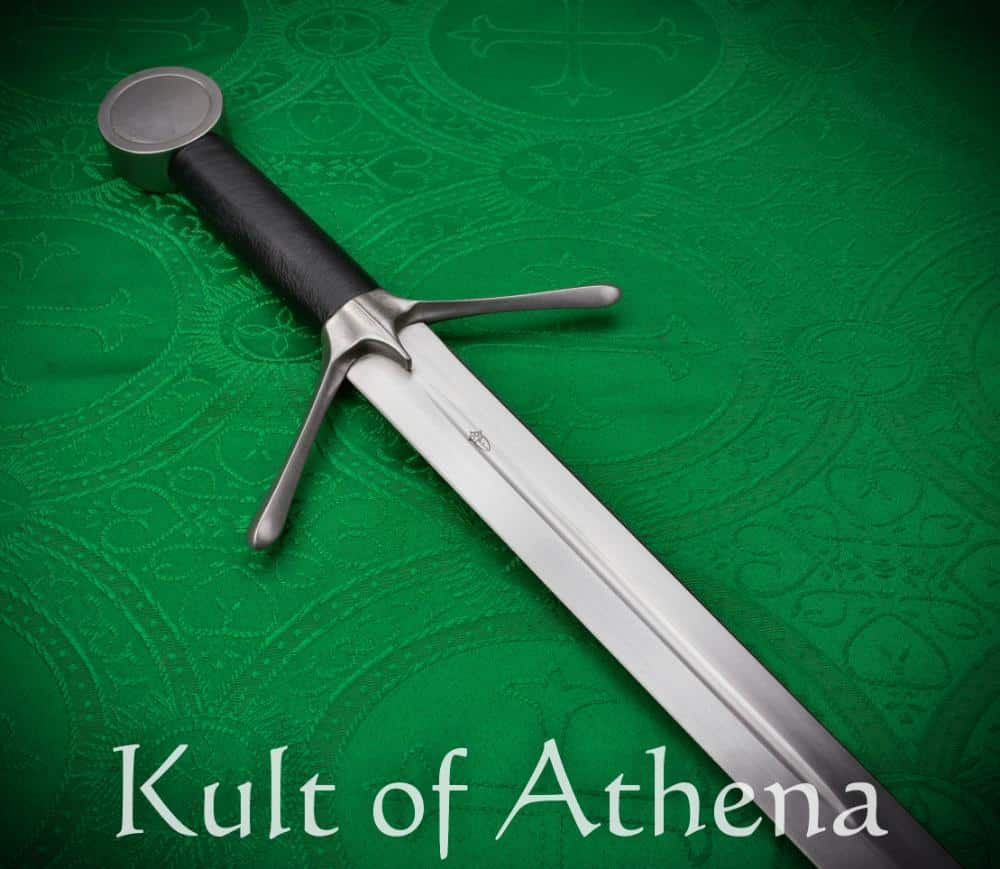
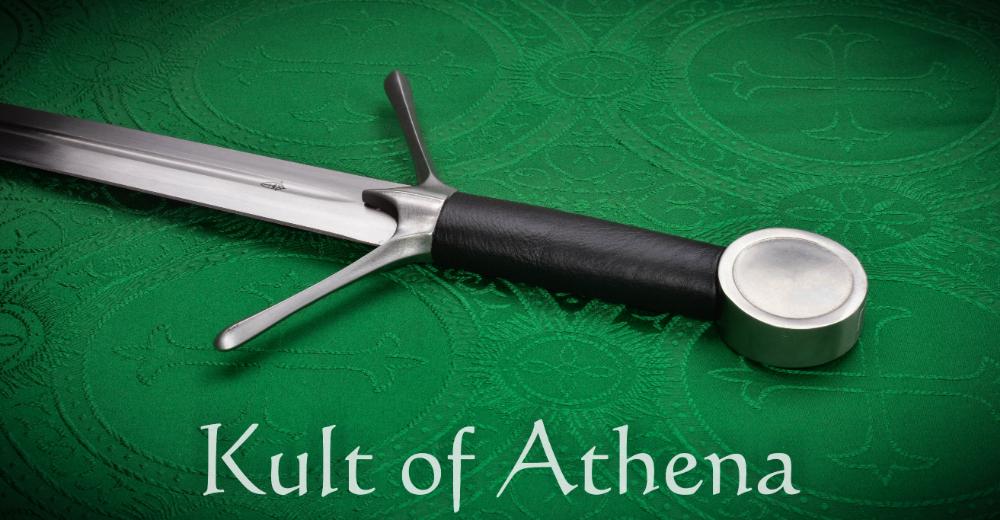
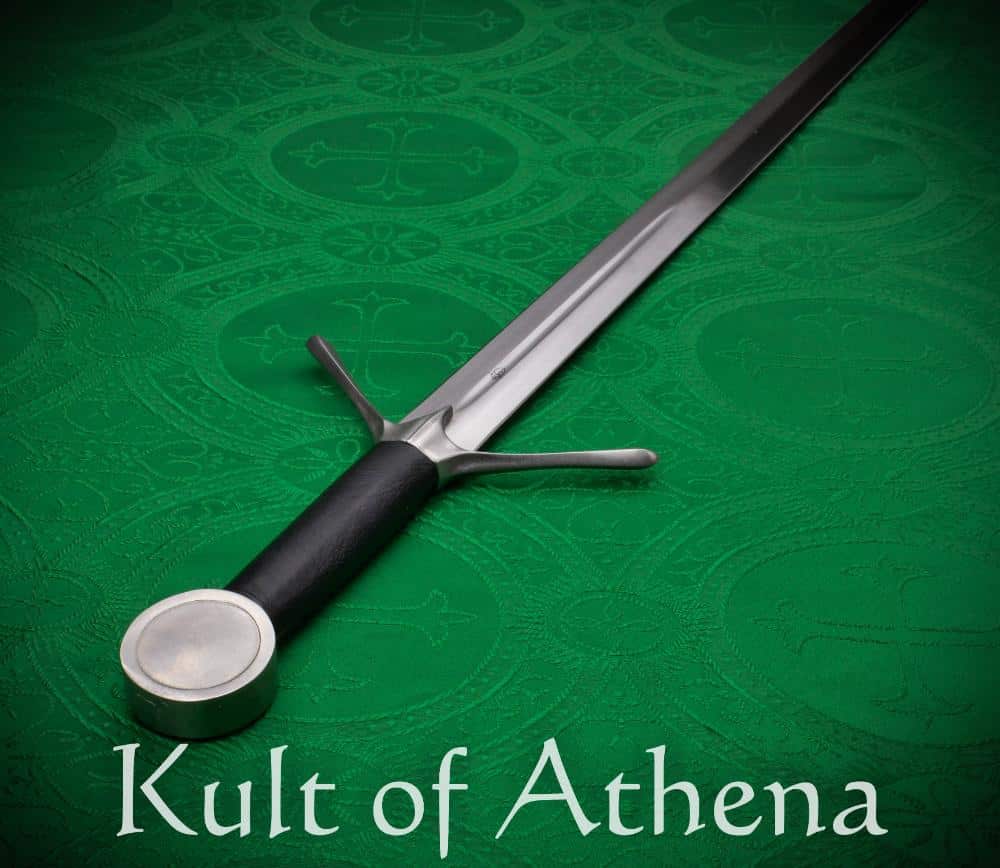
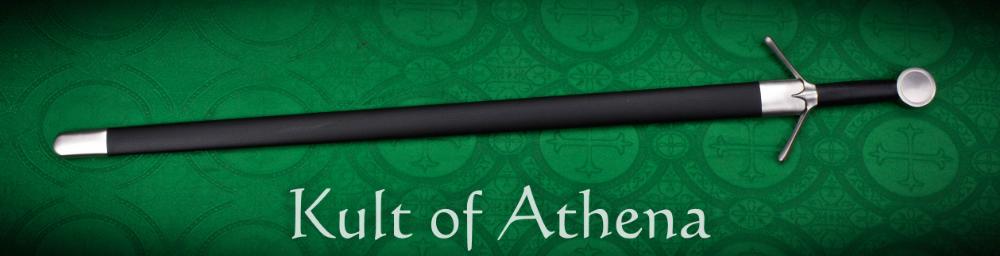
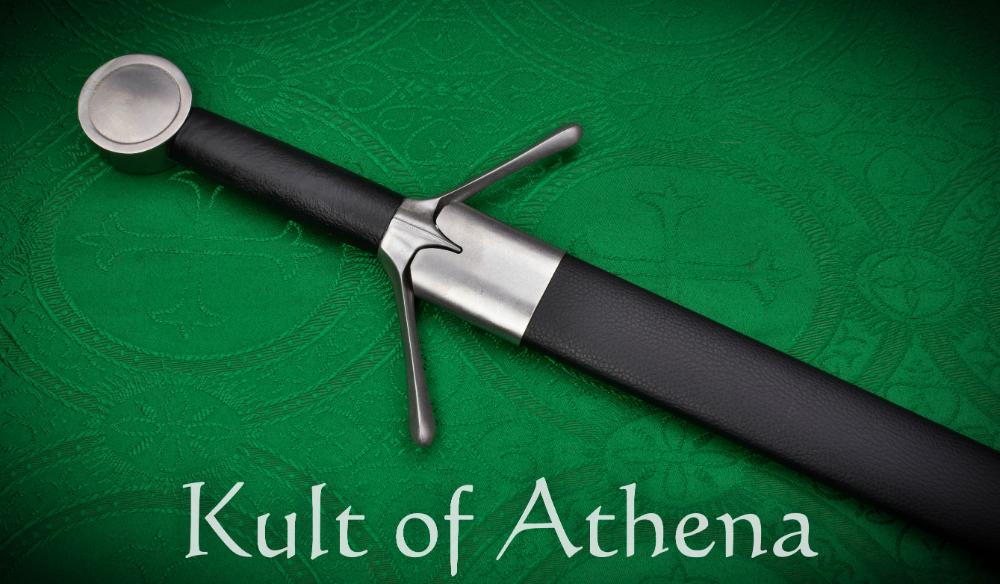
The Scottish Single-hand Sword by Kingston Arms is patterned after 15th century models originating in the west highlands and the western isles. The peened wheel pommel, lobed quillons and short langet are typical of surviving pieces. The hilt grip has a leather wrapped grip with a wood core and matte stainless steel fittings. The sword is matched with a hard core scabbard which is bound in leather and finished with a stainless steel chape and locket. The blade is well tempered and is sharp and overall the sword is a quick and responsive sword.
Specifications
Every measurement that matters
- Brand
- Kingston Arms
- Culture
- Scottish
- Era
- Medieval
- Pommel
- Peened
- Overall Length
- 37 3/16"
- Blade Length
- 31 1/4"
- Weight
- 1 lb 11 oz
- Edge
- Very Sharp
- P.O.B.
- 5 1/4"
- Thickness
- 5.4 mm - 3 mm
- Width
- 32 mm
- Grip Length
- 3 5/8"
- Class
- Battle Ready
- Country of Origin
- China
Reviews
What collectors are saying
Q&A
Questions from the community
Q What is this sword patterned after? Common Question
It follows 15th‑century Scottish single-hand swords from the west highlands and western isles, featuring lobed quillons, short langets, and a wheel pommel.
Q How does it handle? Common Question
With a point of balance around 5 1/4 inches from the guard and a 1 lb 11 oz weight, it feels quick and responsive for single-hand cuts and thrusts.
Q Is the blade sharp and suitable for cutting? Common Question
Yes. The edge is described as very sharp and the sword is classed as battle ready, making it suitable for responsible backyard cutting and test media.
Q What materials are used in the blade and fittings? Common Question
The blade is 5160 high carbon steel. The grip is leather over a wood core, with matte stainless steel guard, pommel fittings, and scabbard chape/locket.
Q How is the hilt constructed? Common Question
It has a peened tang under a wheel pommel, lobed quillons, and a leather-wrapped wood grip; langets extend over the throat of the scabbard.
Q What are the key dimensions? Common Question
Overall length 37 3/16 in, blade length 31 1/4 in, width 32 mm, thickness tapers from 5.4 mm to 3 mm, grip length 3 5/8 in, POB 5 1/4 in.
Q What comes with the sword? Common Question
A hard-core leather-bound scabbard with stainless steel chape and locket.
Q Is it suitable for reenactment or sparring? Common Question
It is battle ready and sharp; it is not suitable for steel-on-steel sparring. It’s best for cutting practice, costume, and collection.
Q Where is it manufactured? Common Question
China, by Kingston Arms.
Q How should I care for it? Common Question
Keep the blade lightly oiled, wipe after handling, and avoid storing the sword long‑term in the scabbard to prevent moisture buildup.
The Maker
Kingston Arms
Travel back in time with Kingston Arm’s expertly crafted authentic and functional swords. They’ve perfected their designs with pristine attention to detail, available at an affordable price point. Crafted in collaboration with Angus Trim, these European swords are innovative, strong and stand the test of time.
Often paired together

This thing is wicked sharp and solid built from what I can tell. Cut through a ton of water bottles today and this thing puts back yard cutting on easy mode!
There are a couple of details that I am wondering about. The pommel is interesting, having a taper from the grip to the peened, square end of the tang. The original swords are typified by a hollow pommel. Short of dismantling the grip, or damaging the pommel, it isn’t clear how the pommel is constructed. That said the fit and finish of the pommel short signs of slightly inaccurate blow placement when the end of the tang was peened. Face of the pommel is recessed from the outer edge about 5 mm in from the actual side of the pommel. The face itself is slightly domed, and the join between the recessed face and the rim shows small details that could the result of the pommel being cast.
The quillons look very like originals on at least one original example, and again have small trace marks that indicate they may be cast.
The grip is supposed to be leather over wood, and may very well be, but there is no stitched seam. The covering appears to be glued on.
The blade is nicely made, with a clear mid-rib, POB is 14.5 cm and POC is about 51 cm. The fullers are short – 17.cm long and start about 5 mm beyond the ends of languettes.
It’s light, handy, and fairly serious in a cut.
Scabbard is tighter around the throat then I’d prefer but the sword is light and very well balanced. Amazing sword.