
Shrewsbury Hand and a Half Stage Combat Sword – Stage Combat Version – Deepeeka
In stock
$209.99
- Shipping estimated at checkout
- Every blade inspected before shipping
- 30-day returns
- Blade
- C60 High Carbon Steel
- Overall Length
- 43 1/4"
- Weight
- 2 lbs 14 oz
- Brand
- Deepeeka
- Culture
- English
- Era
- Medieval
Overview
Shrewsbury Hand and a Half Stage Combat Sword - Stage Combat Version - Deepeeka
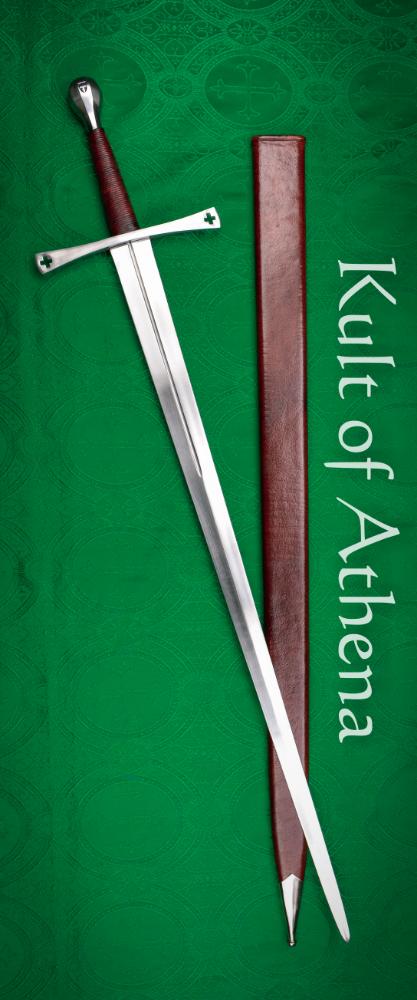
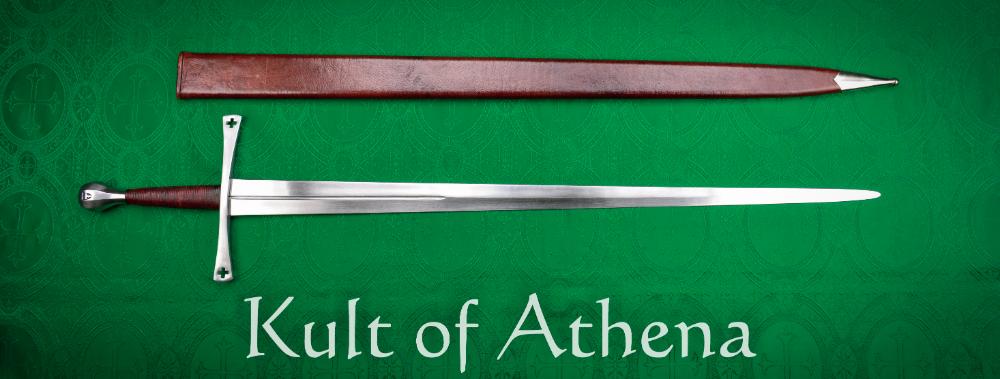
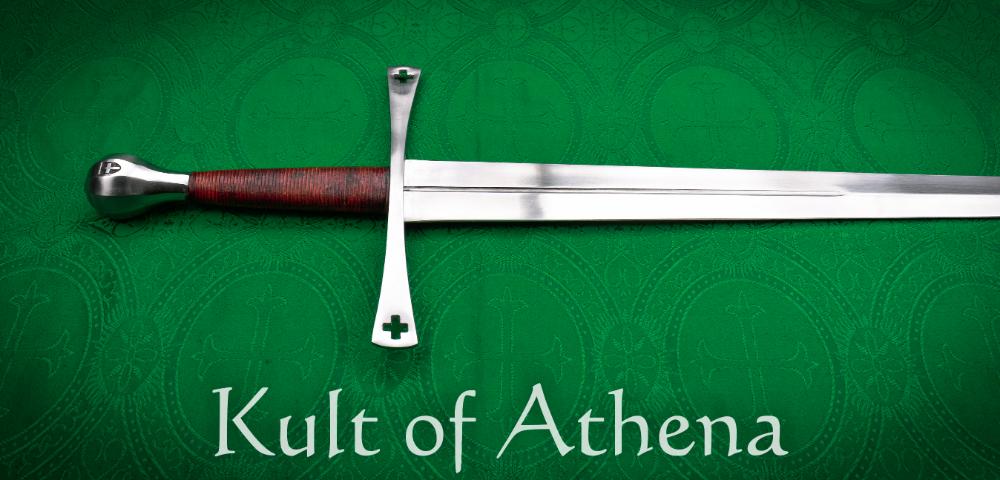
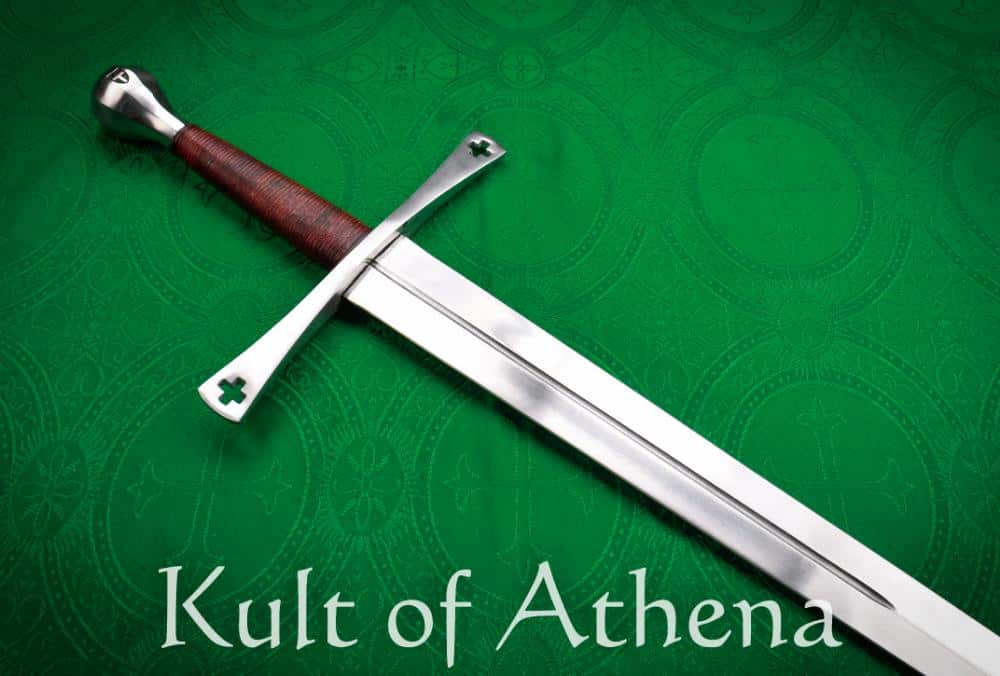
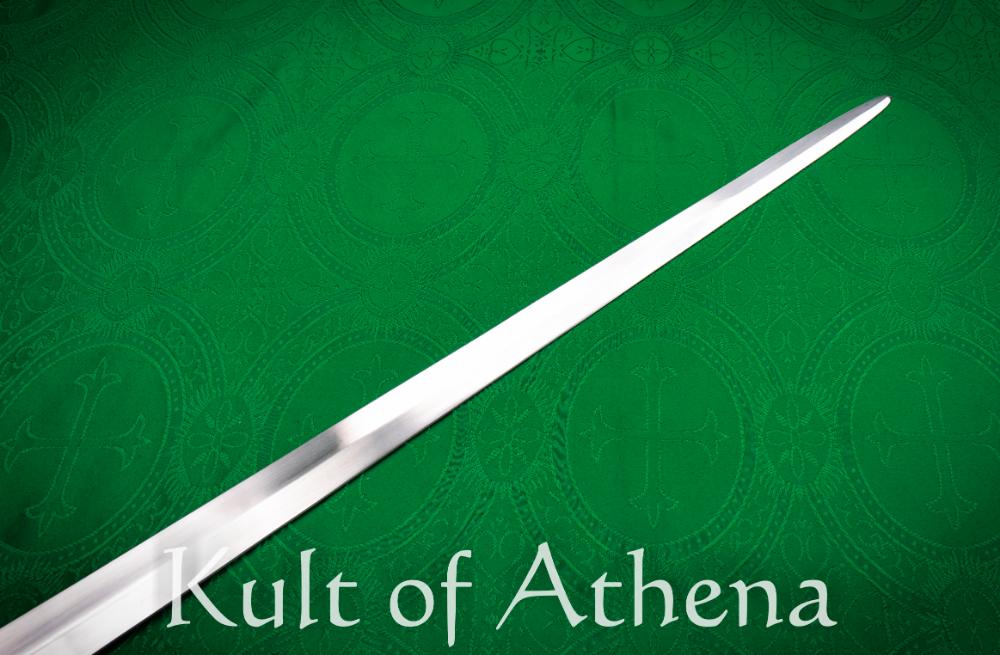
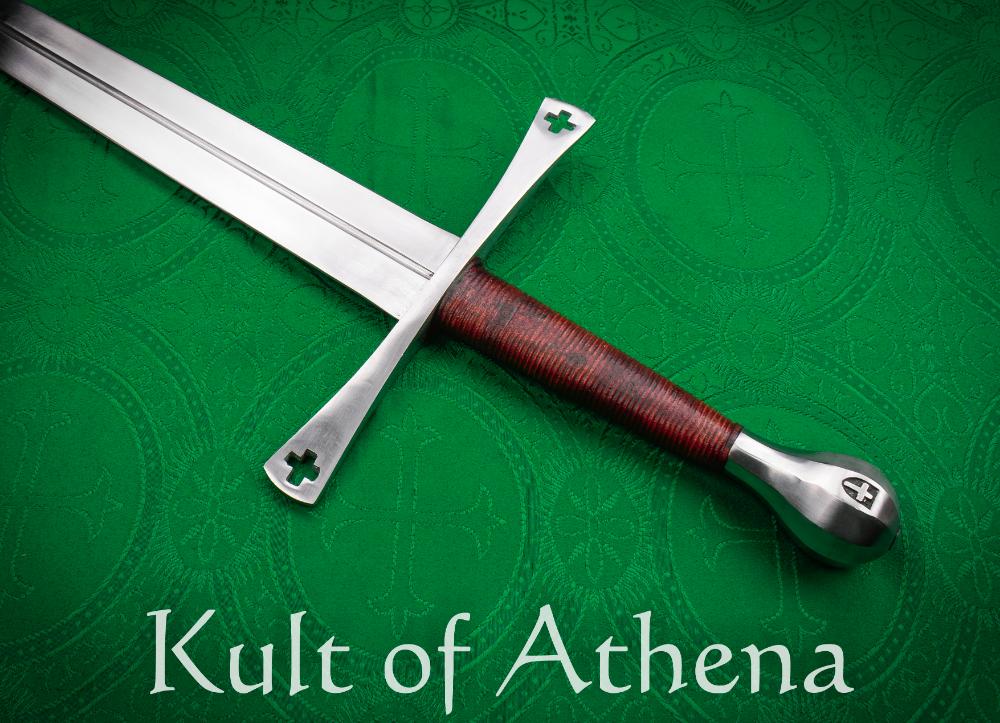
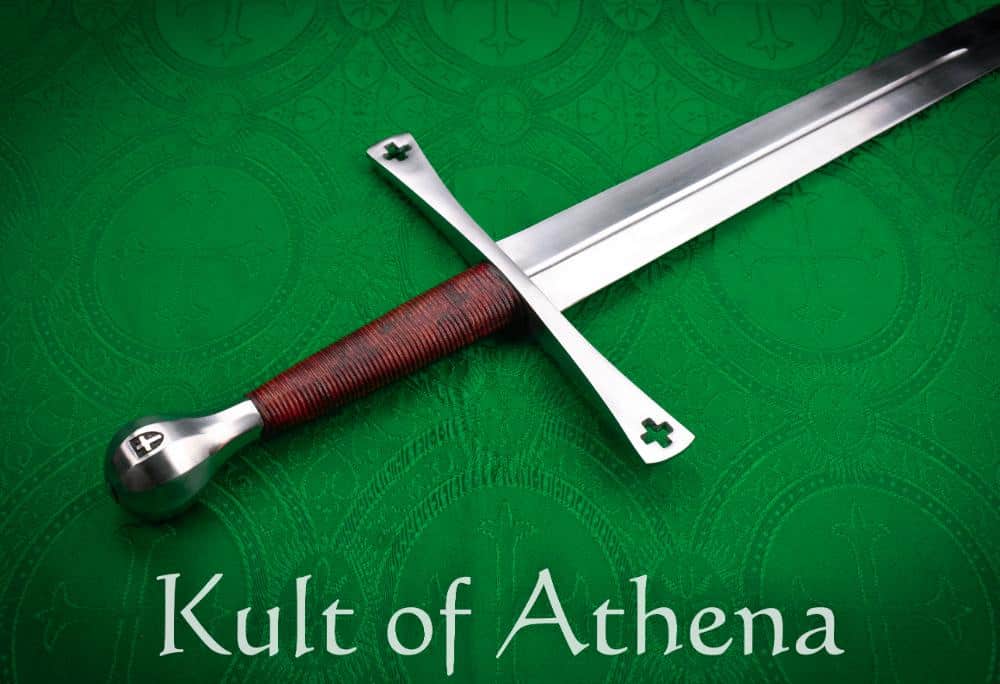
The Shrewsbury Sword is a powerful yet well-balanced bastard sword designed for reenactment and stage combat. Its blade is hand-forged from C60 high carbon steel, a durable steel with characteristics similar to 1060 high carbon steel. The blade measures 35 inches in length, paired with a grip of more than 5 inches that comfortably accommodates one or two hands, giving the sword the versatility typical of late medieval hand-and-a-half weapons. The hilt features a sturdy steel crossguard and pommel, while the wooden grip is tightly wrapped in high-quality leather for a secure hold. The tang is firmly peened over the pommel, creating a solid and dependable construction built to withstand the rigors of performance use.
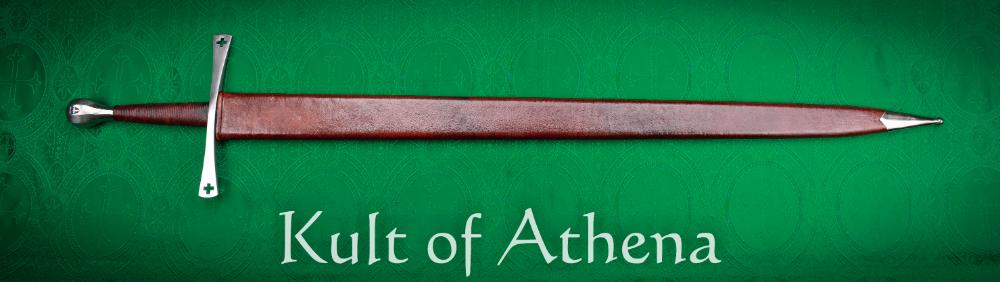
With a point of balance at 3.75 inches from the guard, the sword possesses a lively handling profile. Despite being a blunt-edged weapon intended for reenactment and stage combat, it remains responsive and surprisingly agile for its type, while still delivering the authoritative presence expected of a battlefield-inspired longsword. The sword is accompanied by a wood-core scabbard wrapped in matching vegetable-tanned leather, finished with a protective steel chape.
The sword takes its name from the Battle of Shrewsbury, fought between the forces of Henry IV of England and the rebel army led by Henry 'Hotspur' Percy. Once loyal supporters of Henry IV after the deposition of Richard II of England, the Percy family grew resentful over what they believed were inadequate rewards for their support. In response they allied with the Welsh leader Owain Glyndŵr and the English noble Edmund Mortimer, 5th Earl of March in a bold plan to divide England after overthrowing the king.
On 21 July 1403 the opposing forces met in fierce battle. The rebel army initially gained the advantage, as disciplined longbow fire inflicted heavy losses on the royal forces. Although the king’s army also fielded archers, the rebel companies proved more effective and the royal line began to falter. Believing he had an opportunity to strike down the king himself, Hotspur launched a daring charge into the royal ranks. During the brutal melee he was struck in the face by an arrow while his visor was raised, killing him instantly and shattering the morale of the rebel army.
During the same battle, the young Prince of Wales—later Henry V of England—suffered a terrible wound when an arrow lodged deep in his face. His life was saved by the remarkable skill of his physician, John Bradmore, who devised a specialized surgical instrument to extract the embedded arrowhead. Though the prince was left permanently scarred, he survived the ordeal and would later become one of England’s most famous warrior kings.
Specifications
Every measurement that matters
- Brand
- Deepeeka
- Culture
- English
- Era
- Medieval
- Pommel
- Peened
- Overall Length
- 43 1/4"
- Blade Length
- 35"
- Blade
- C60 High Carbon Steel
- Weight
- 2 lbs 14 oz
- Edge
- Blunt
- P.O.B.
- 3 3/4"
- Thickness
- 4.4 mm - 2.7 mm
- Width
- 50 mm
- Grip Length
- 5 3/16"
- Country of Origin
- India
Reviews
What collectors are saying
Q&A
Questions from the community
No questions yet — be the first to ask.
The Maker
Deepeeka
Deepeeka creates an astonishing variety of replica weapons, armor, and re-enactment accessories that range from Classical Antiquity to the 20th Century. Deepeeka has been crafting replicas since the 1980s and their products are essential gear for many re-enactment groups. Many swords, daggers and other weapons made by Deepeeka are durably crafted and budget-friendly offerings. The steel is good and well-tempered and their leathercraft and woodworking are of excellent quality. Deepeeka’s products are handcrafted and (in the case of blades, hand-hammered) are a good deal for those who want a quality item at a good price.
Kult of Athena is the US distributor for Deepeeka products and we offer the largest in-stock selection you will find and we will beat any price you can find. If you are searching for a particular item or find a Deepeeka item listed elsewhere that is not seen on our site let us know and if it is available we can source it for you at a better price than seen elsewhere.
Often paired together

No reviews yet. Only logged in customers who have purchased this product may leave a review.