
Malay Parang Machete – Ex Gurkha Khukuri House
In stock
$189.95
- Shipping estimated at checkout
- Every blade inspected before shipping
- 30-day returns
- Overall Length
- 23 3/8"
- Weight
- 1 lb 10 oz
- Brand
- EGKH
Overview
Malay Parang Machete – Ex Gurkha Khukuri House
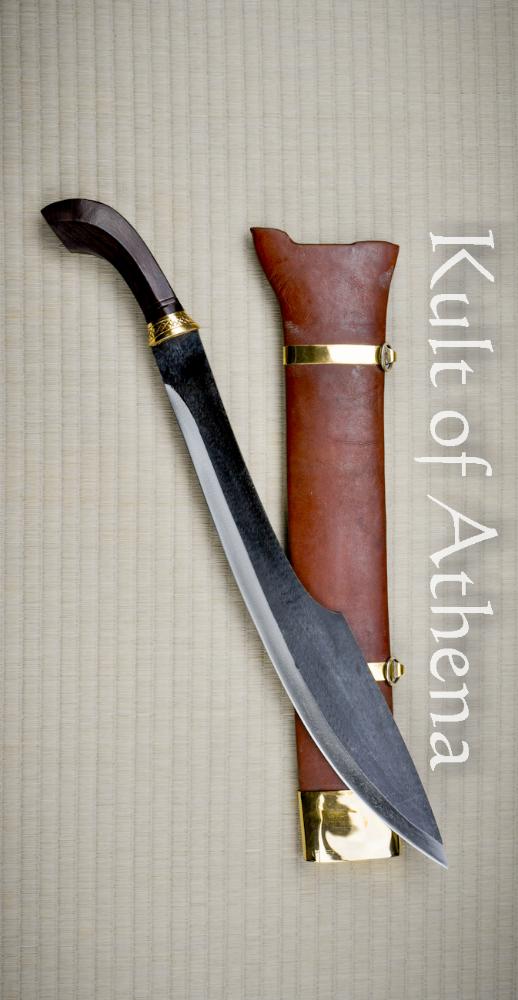
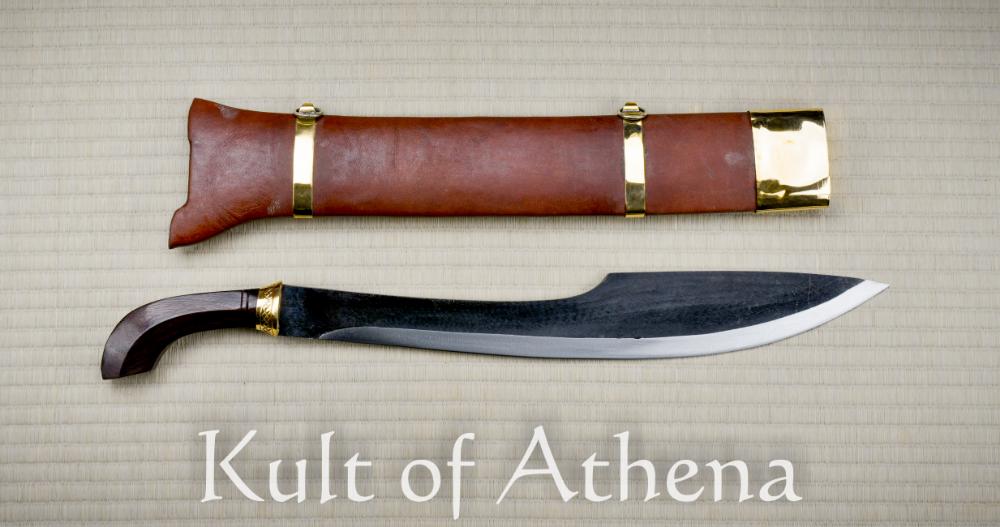
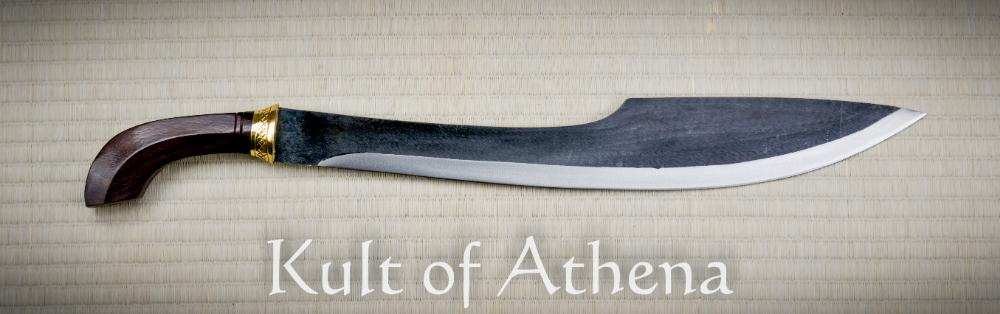
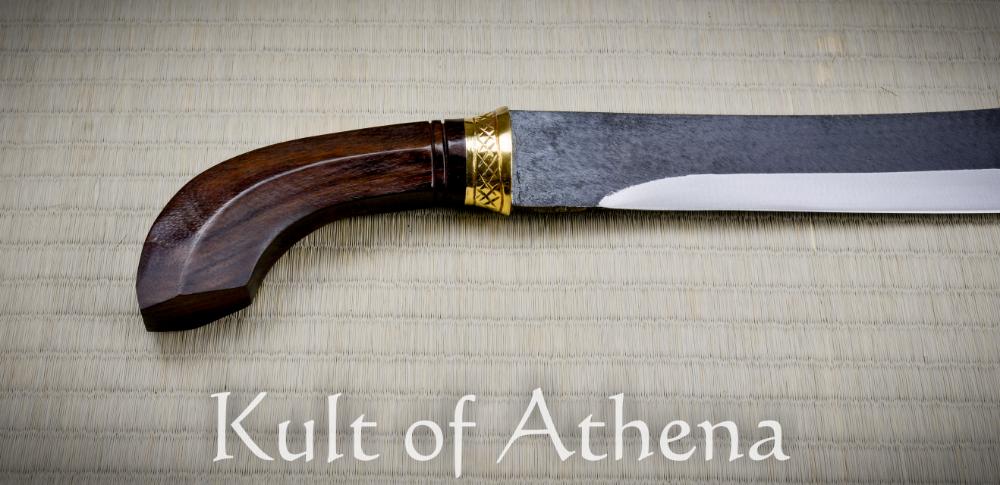
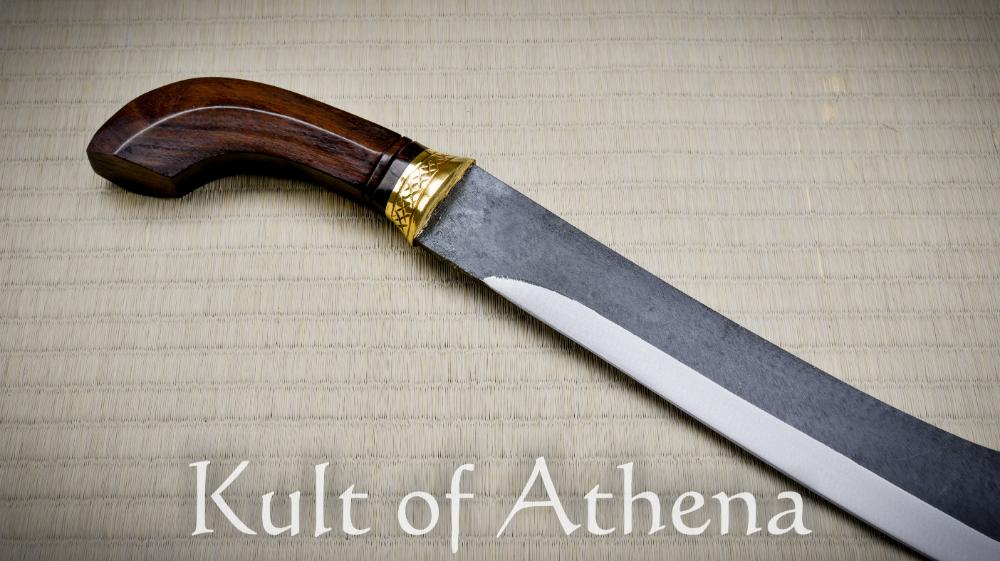
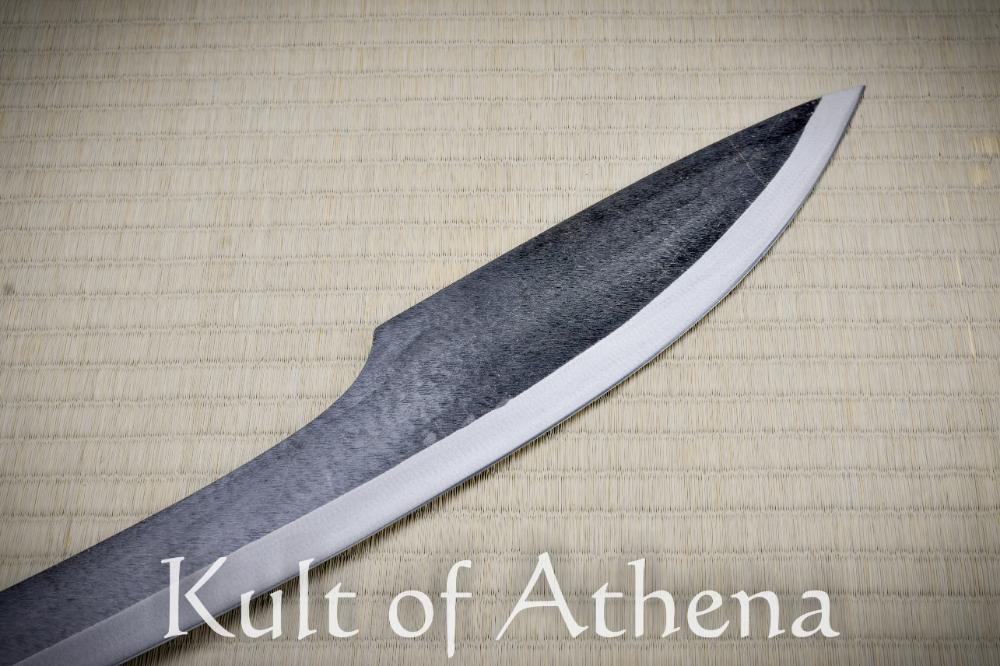
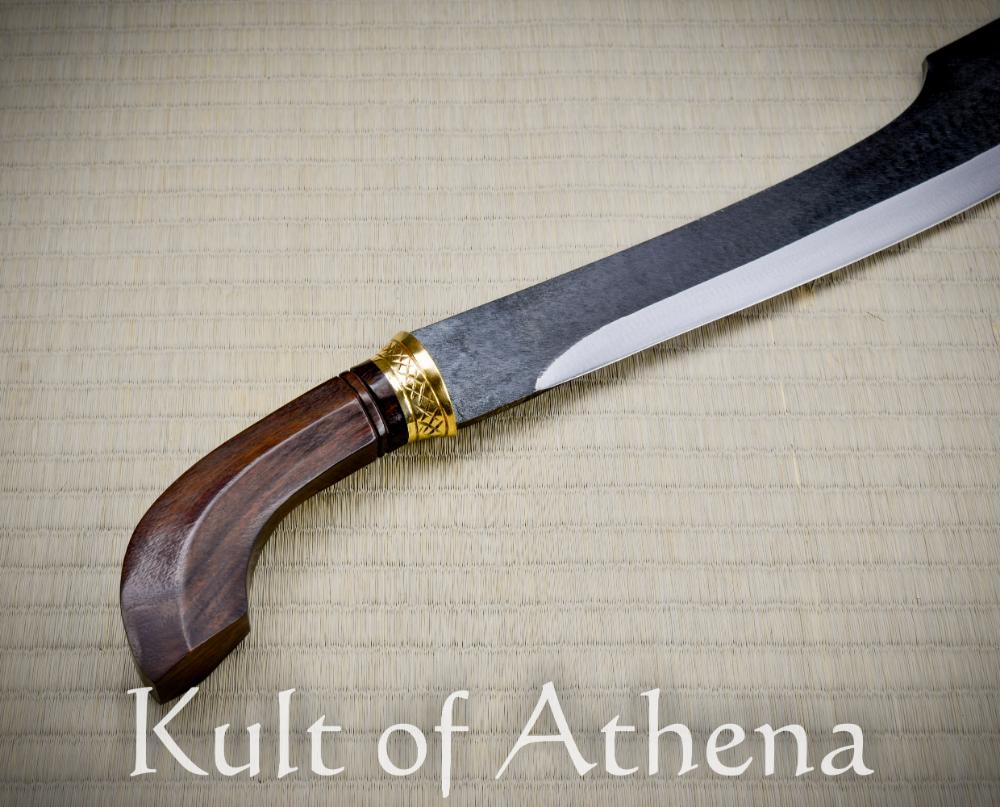
Like many swords of Southeast Asia, the Malay Parang does double-duty as both a brush-clearing tool and a weapon for self defense and war. It's heavily built blade and widened chopping tip brings impressive chopping and hacking power and its curved grip, while simple in design and execution comfortably secures the hand and subtly counterbalances the blade. The thick blade is quite robust and durable and the sword excels at heavy backyard cutting activities against appropriate targets. The wood grip, brass detailing and a leather-wrapped wooden scabbard alogether create a highly functional but attractively styled sword full of traditional handcrafted details.
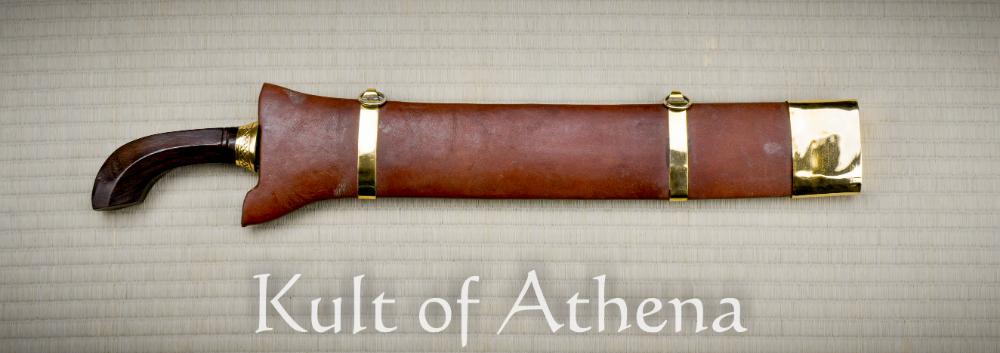
At 18" in length and with a weight below 2 lbs the sword remains agile and can be wielded relatively easy despite the thick and reinforced chopping blade. Hand forged from 5160 steel, the blade is both sharpened and tempered. Its hilt is finely crafted from carved and smoothly polished wood and its bolster is solid brass. Paired with the sword is a wood-core scabbard with a tight binding of leather and brass fittings with brass hanging rings.
The Malay Parang is a versatile, single-edged chopping tool and weapon originating from the Malay Archipelago, widely used across Malaysia, Indonesia, Borneo, and neighboring regions by Austronesian peoples including Malays, Dayaks, and others. Optimized for the dense, woody vegetation of Southeast Asian jungles, it features a heavy blade with a convex edge and a forward-balanced “sweet spot” that delivers powerful chopping strokes, differing from lighter machetes by its thicker profile and obtuse bevel to prevent binding in cuts.The blade often widens toward the tip for enhanced cutting efficiency, while the handle—made of wood, horn, or similar materials—includes a wide pommel to maintain grip in wet conditions. Variants like the parang latok exhibit a distinctive angled bend for leverage in heavy work or combat.
Historically serving as both an everyday agricultural implement for clearing brush, felling timber, and carving, and as a formidable weapon in warfare and resistance against colonial forces, the parang embodies practical ingenuity and cultural resilience in the region. Its design has influenced similar tools like the Indonesian golok and Filipino bolo.
Specifications
Every measurement that matters
- Brand
- EGKH
- Pommel
- Integrated
- Overall Length
- 23 3/8"
- Blade Length
- 18"
- Weight
- 1 lb 10 oz
- Edge
- Very Sharp
- P.O.B.
- 7"
- Thickness
- 5.7 mm - 3.3 mm
- Width
- 38.5 mm - 65 mm
- Grip Length
- 3 1/4" (Full Handle Length is: 4 5/8")
- Country of Origin
- Nepal
Reviews
What collectors are saying
Q&A
Questions from the community
No questions yet — be the first to ask.
The Maker
EGKH
EGKH, based in Nepal, manufactures high quality kukris (or Khukuris) and other fighting knives. As the official supplier of kukris to the British Gurkha Unit, Marine Corps, Nepal Army, Nepal Police and Indian Gurkhas, EGKH is well versed in providing a good blade. All products are hand forged from high grade carbon steel.
Often paired together

No reviews yet. Only logged in customers who have purchased this product may leave a review.