
Dragon King – Autumn Leaf Katana – New Version
In stock
$499.99
- Shipping estimated at checkout
- Every blade inspected before shipping
- 30-day returns
- Class
- Battle Ready
- Overall Length
- 41 5/8"
- Weight
- 2 lbs 5 oz
- Brand
- Dragon King
- Culture
- Japanese
Overview
Dragon King - Autumn Leaf Katana - New Version
This is the new version of this katana by Dragon King which features a clay tempered blade
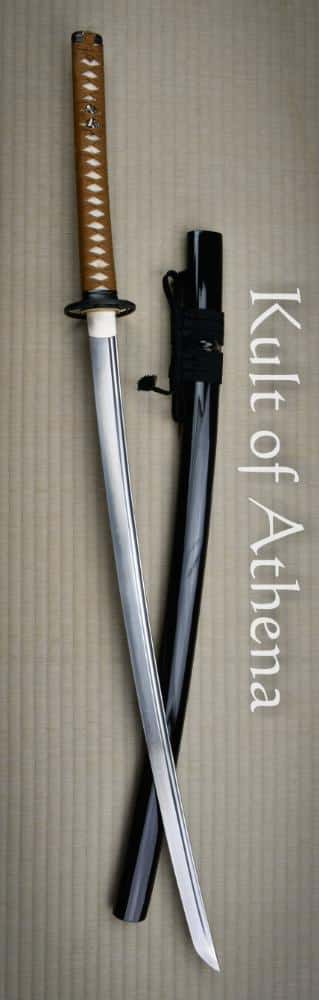
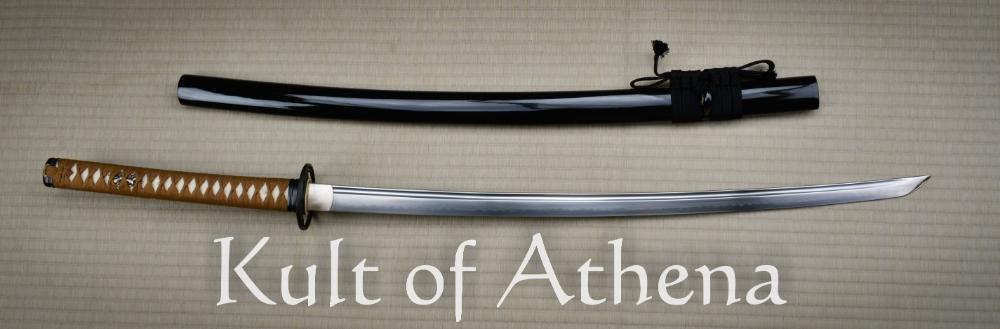
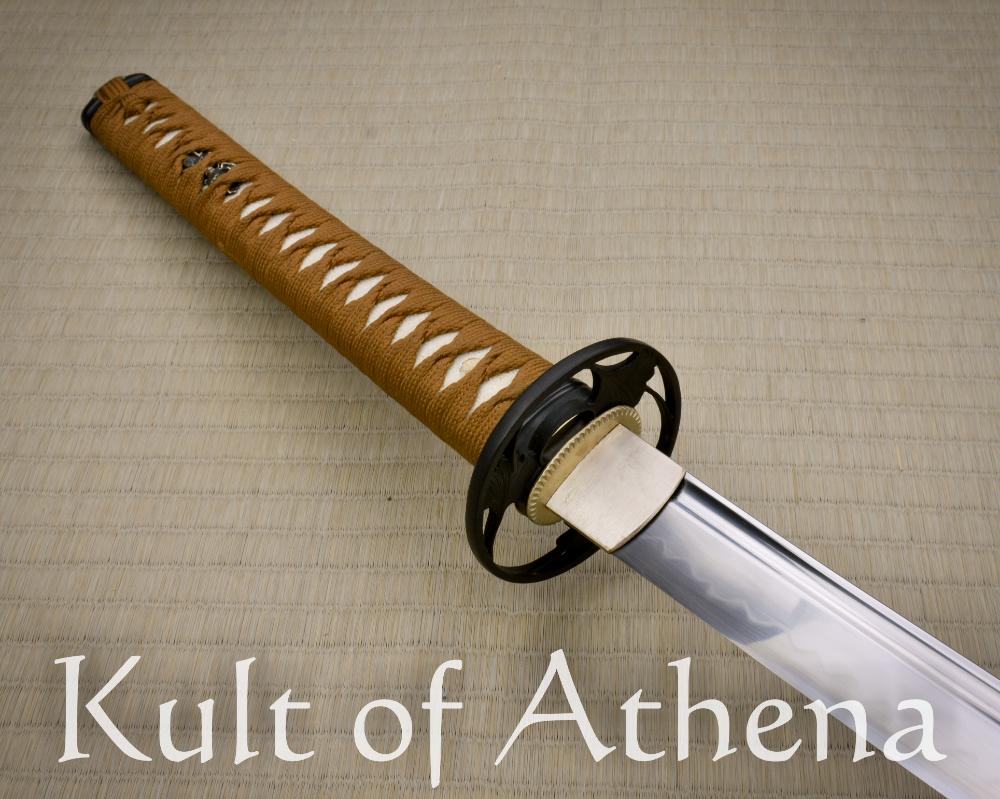
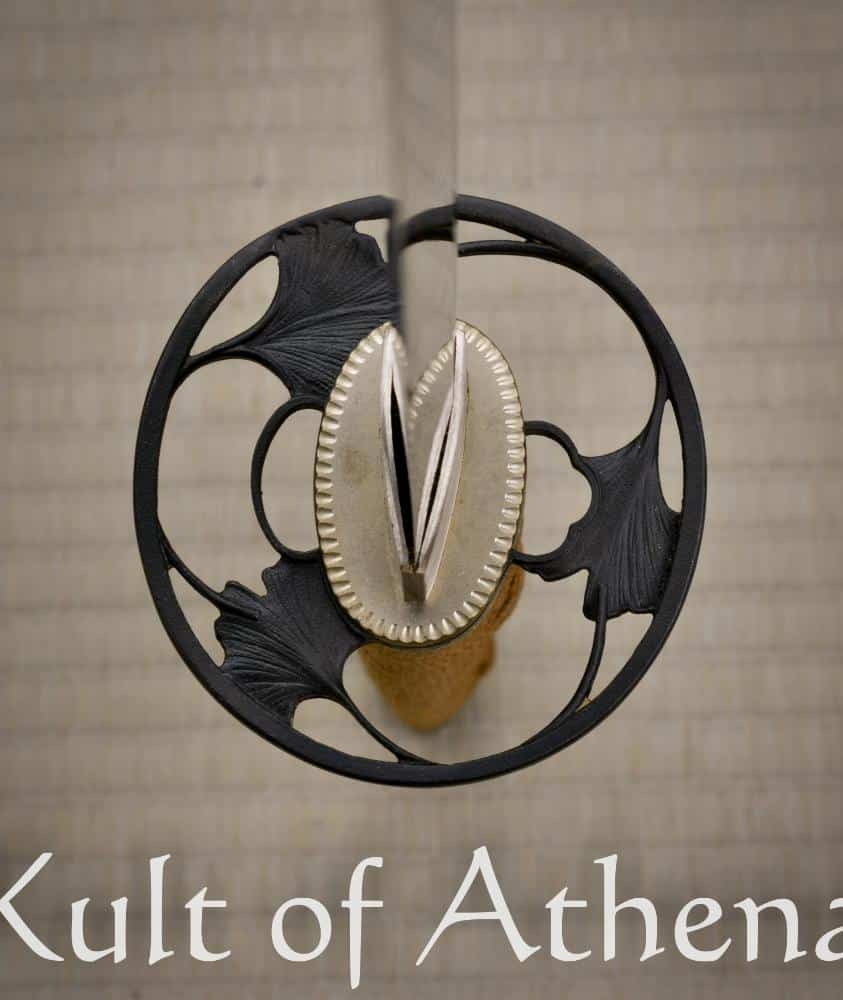
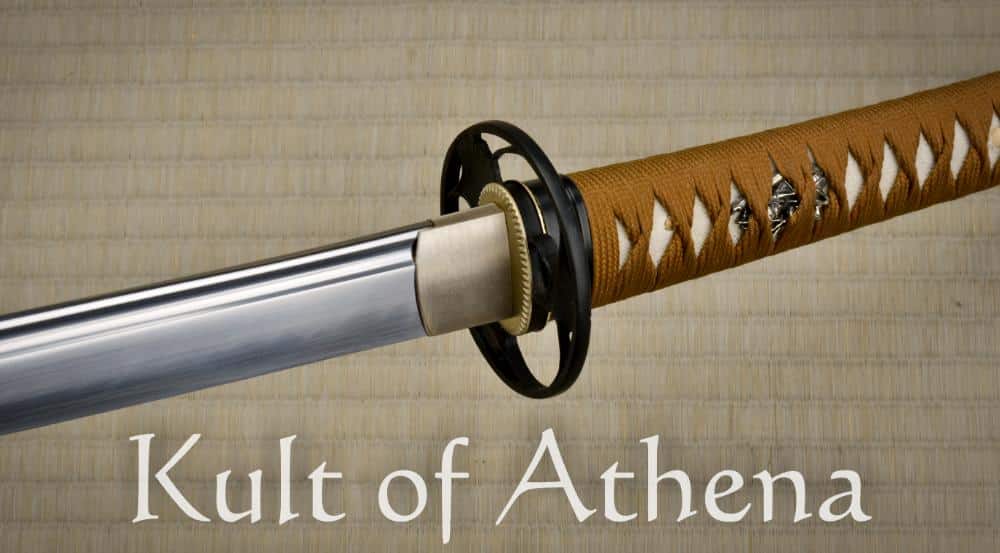
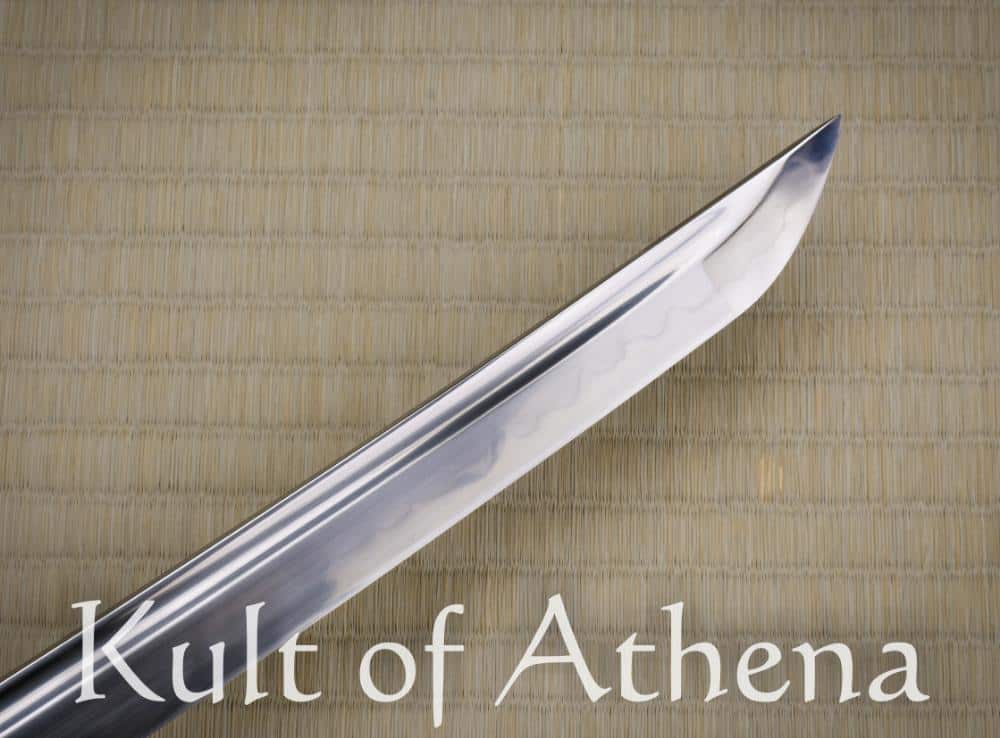
The Autumn Leaf katana with its Ginkgo Leaf motif symbolizes longevity and tenacity in Japan, for the Gingko with its characteristic fan-shaped leaves can live for a thousand years and thus symbolizes all that is rooted, ancient and venerable. The blade is forged form sharp and well tempered 5160 high carbon steel with a genuine hamon created by its traditional, clay-tempering treatment which gave the blade edge a hardness of 60 HRc and a resilient body of 40 HRc. A fine polishing of the blade brings out the full beauty of the hamon.
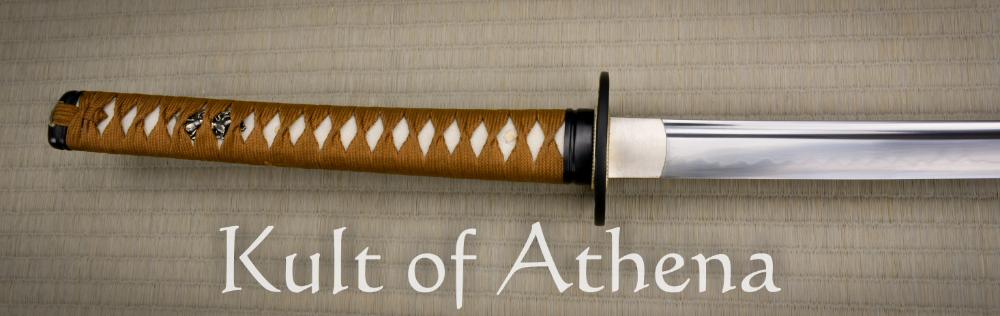
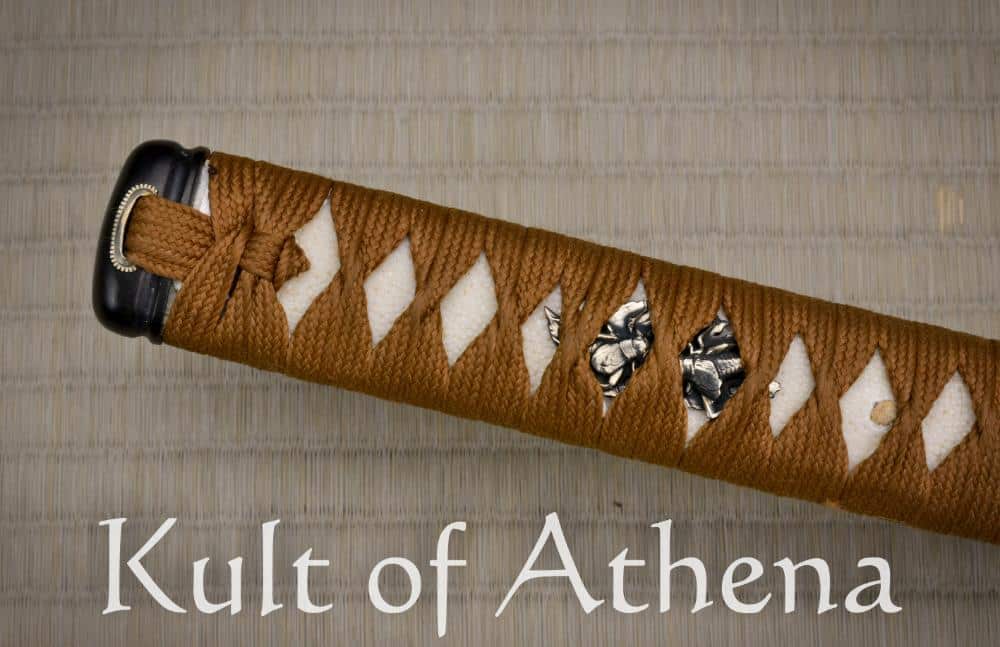
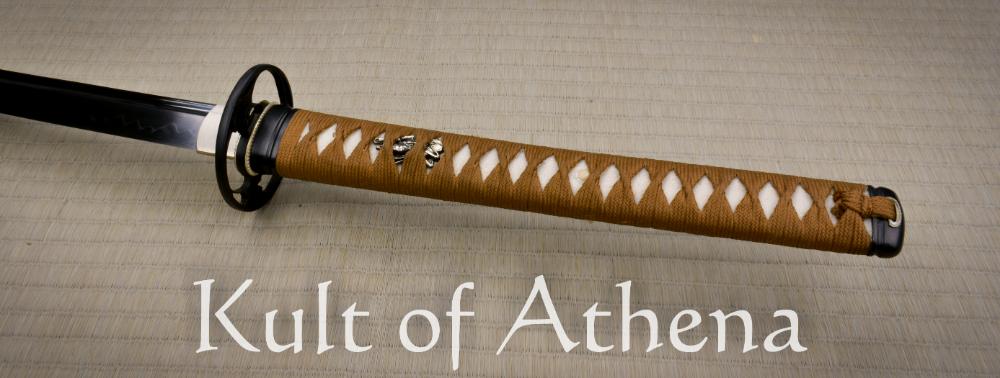
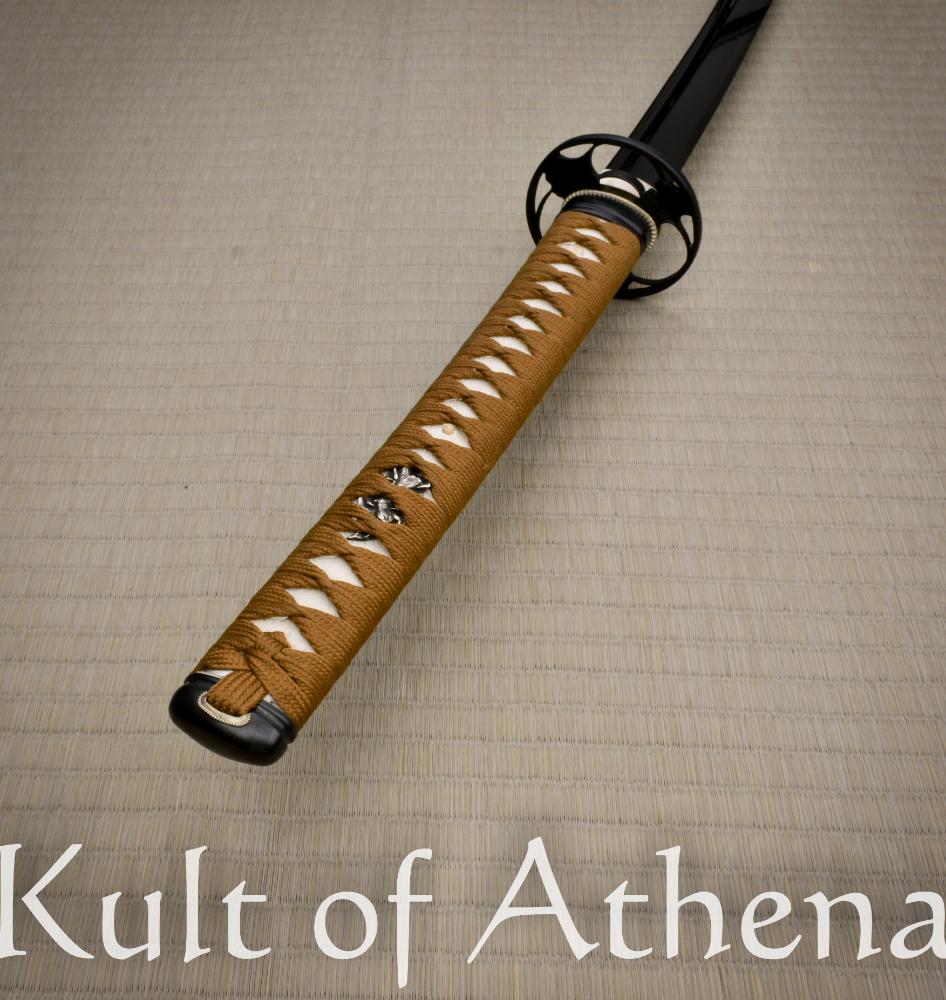
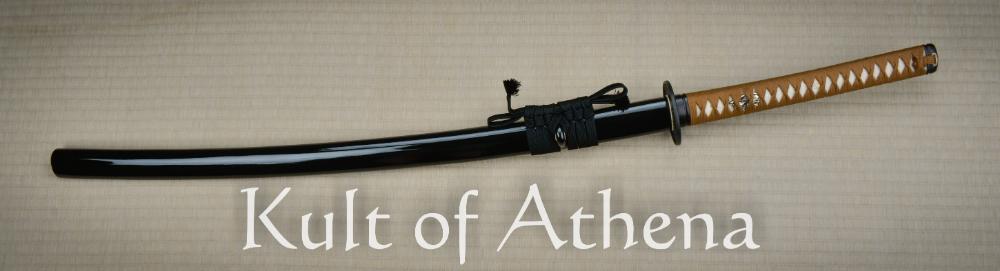
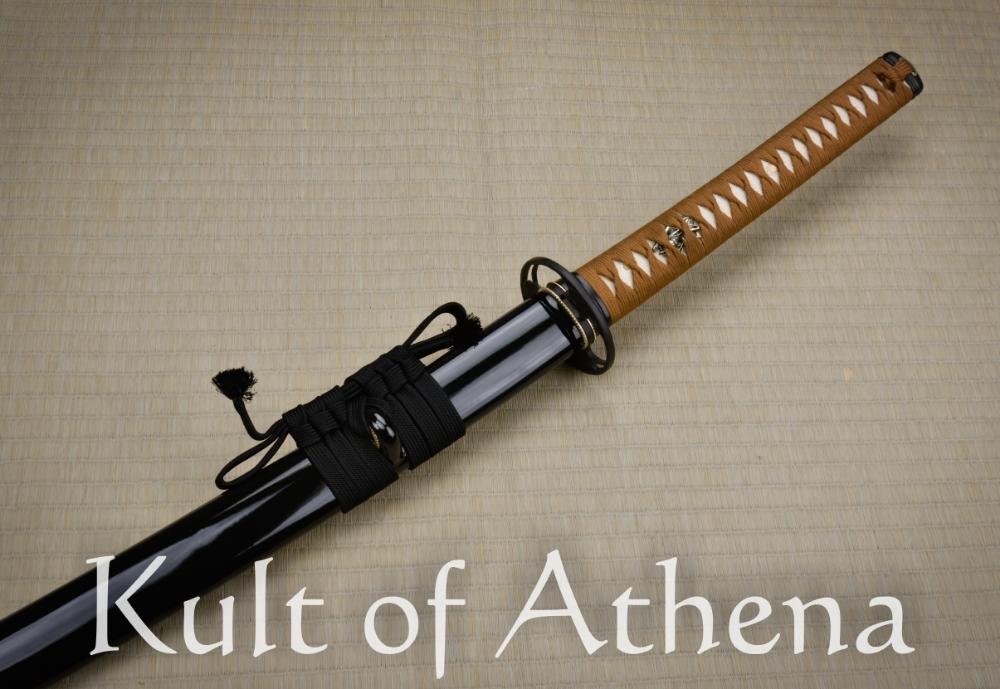
The tsuba, fuchi and kashira are darkened and antiqued stainless steel and its habaki and seppa are of silver. The wooden tsuka has panels of genuine rayskin with a knotted ito wrap of brown cord. Silver menuki are fitted beneath the folds of the tsuka to complete the sword. The sword is matched with a wooden saya with a glossy black lacquer and a black sageo cord. The koiguchi is of polished buffalo horn and included is a cloth sword bag for transport and storage.
Specifications
Every measurement that matters
- Brand
- Dragon King
- Culture
- Japanese
- Edge
- Very Sharp
- Pommel
- N/A
- Overall Length
- 41 5/8"
- Blade Length
- 29 1/8"
- Weight
- 2 lbs 5 oz
- P.O.B.
- 5 1/2"
- Thickness
- 7.5 mm - 5.7 mm
- Width
- 31.3 mm
- Grip Length
- 11"
- Class
- Battle Ready
- Country of Origin
- China
Reviews
What collectors are saying
Q&A
Questions from the community
Q What is this katana meant to be used for — display, cutting, or sparring? Common Question
This is a Battle Ready katana with a Very Sharp edge on a 5160 high-carbon steel blade, which suits it for cutting practice on tatami and water bottles as well as display. It is not a sparring sword, since it carries a live edge rather than a blunted one.
Q What is the blade made of and how is it hardened? Common Question
The blade is forged from 5160 high-carbon steel and clay tempered in the traditional manner, giving a hard edge near 60 HRc backed by a softer, more resilient spine near 40 HRc. This differential hardening is what produces the genuine hamon running along the blade and gives the sword both a sharp, hard-wearing edge and a spine that resists breaking.
Q Is this katana full tang? Common Question
A traditional katana tang, which this follows, runs roughly three-quarters the length of the grip and is secured through the handle with bamboo pegs called mekugi, rather than running the full width of the grip under riveted scales as on a modern tactical blade. This is the traditional and most common katana construction and is built to hold up to cutting use.
Q What does the point of balance mean for handling? Common Question
The point of balance sits 5 1/2" out from the guard, which keeps the weight close to the hands and gives the sword a quick, agile feel suited to fast cutting motions.
Q What fittings and materials does this sword use? Common Question
The tsuba, fuchi, and kashira are darkened and antiqued stainless steel, with silver habaki and seppa. The tsuka is wrapped in brown ito over genuine rayskin with silver menuki beneath the wrap, and the saya is glossy black lacquer with a black sageo cord and a polished buffalo horn koiguchi.
Q What comes with the sword? Common Question
The sword ships with its black lacquered wooden saya, a black sageo cord, and a cloth sword bag for transport and storage.
Q How should I care for this katana? Common Question
Since this is a Very Sharp 5160 high-carbon steel blade, wipe it down after handling and keep a light coat of oil on it to prevent rust, then store it somewhere dry. Keep the blade out of the saya for long-term storage, since a scabbard traps moisture against the steel even though it's fine for display or transport.
Q What can I cut with this sword? Common Question
With its Very Sharp edge, this katana is suited to cutting tatami and water bottles.
Q Is the hamon on this blade real or just an etched pattern? Common Question
It's a genuine hamon, produced by traditional clay tempering of the 5160 blade rather than etched or painted on, and a fine polish brings out its pattern along the edge.
Q Does Battle Ready mean this sword ships sharp? Common Question
Yes, in this case — the edge is listed as Very Sharp, and the Battle Ready classification reflects its solid, functional build overall. Battle Ready on its own doesn't always mean sharpened, but for this sword the Very Sharp edge confirms it.
The Maker
Dragon King
Based in Dalian, China, the sword master behind Dragon King has made a name for themselves among collectors. Their extremely desirable swords prioritize function while also celebrating heritage, detail and decoration.
Often paired together

No reviews yet. Only logged in customers who have purchased this product may leave a review.