
Roman 3rd Century Spatha – Deepeeka
In stock
$129.99
- Shipping estimated at checkout
- Every blade inspected before shipping
- 30-day returns
- Blade
- C60 High Carbon Steel
- Overall Length
- 39''
- Weight
- 2 lb 3.9 oz
- Brand
- Deepeeka
- Culture
- Roman
- Era
- Ancient
Overview
Roman 3rd Century Spatha - Deepeeka
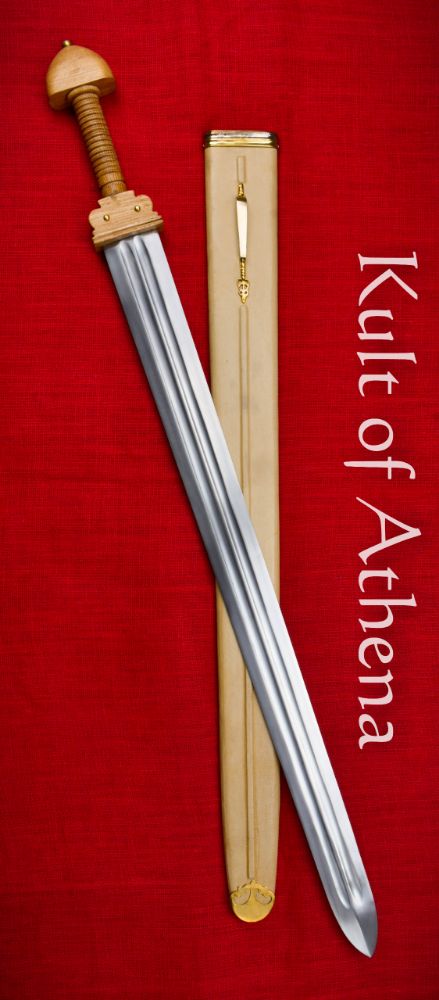
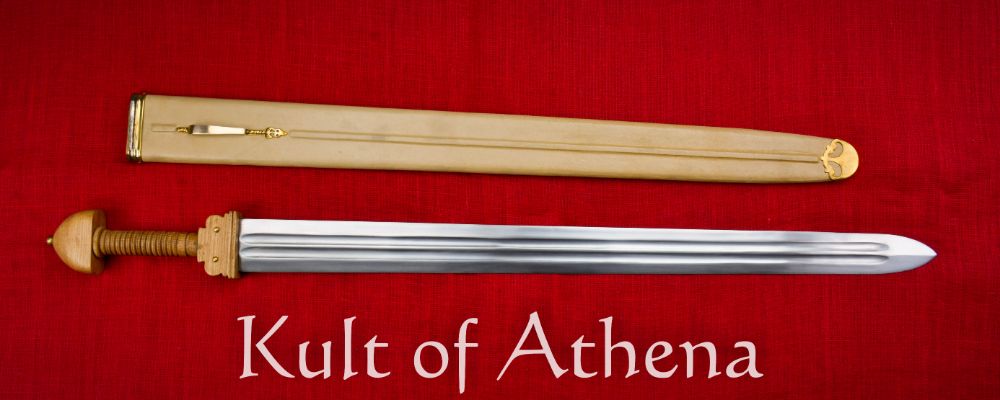
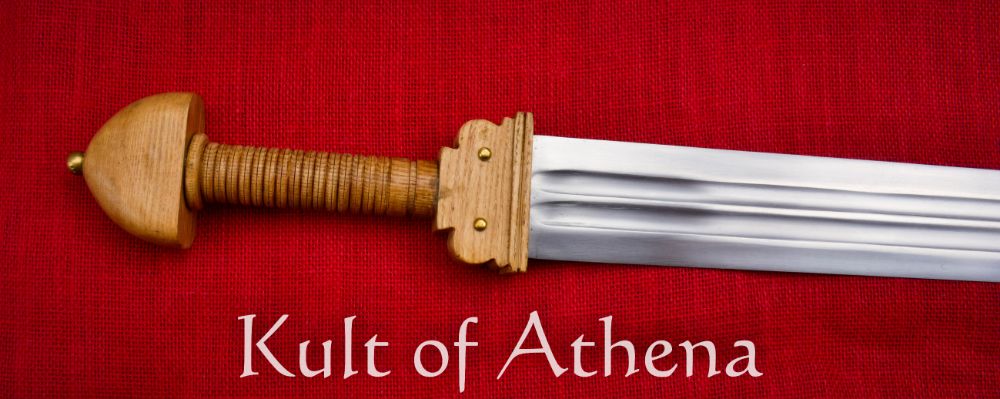
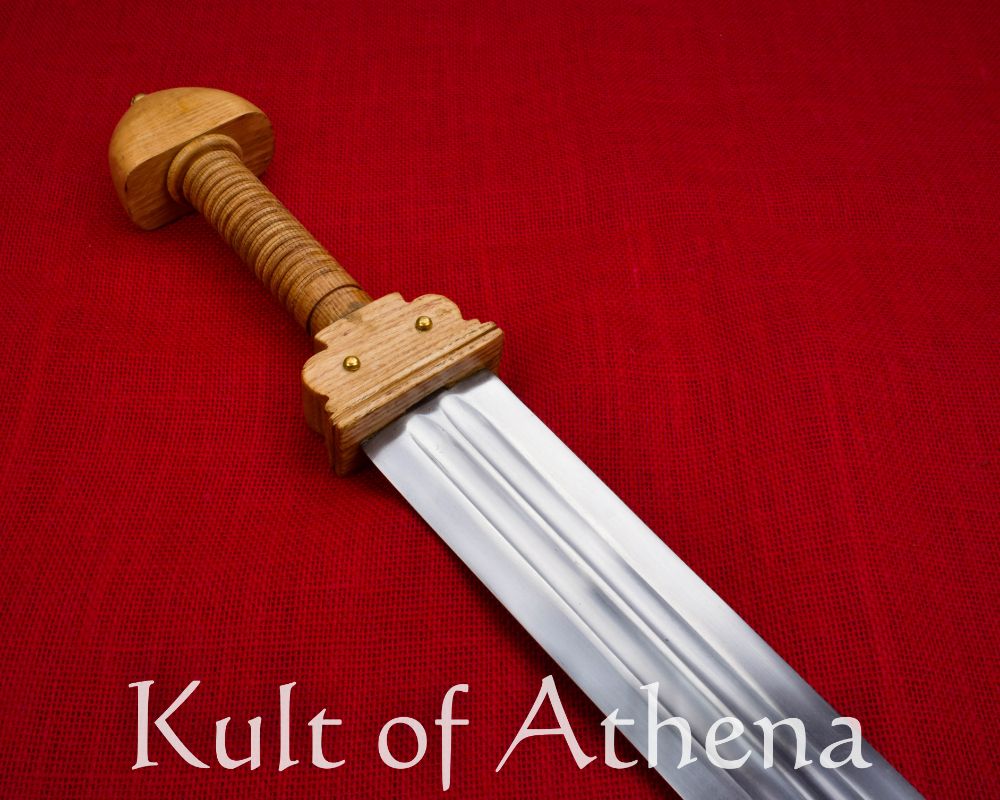
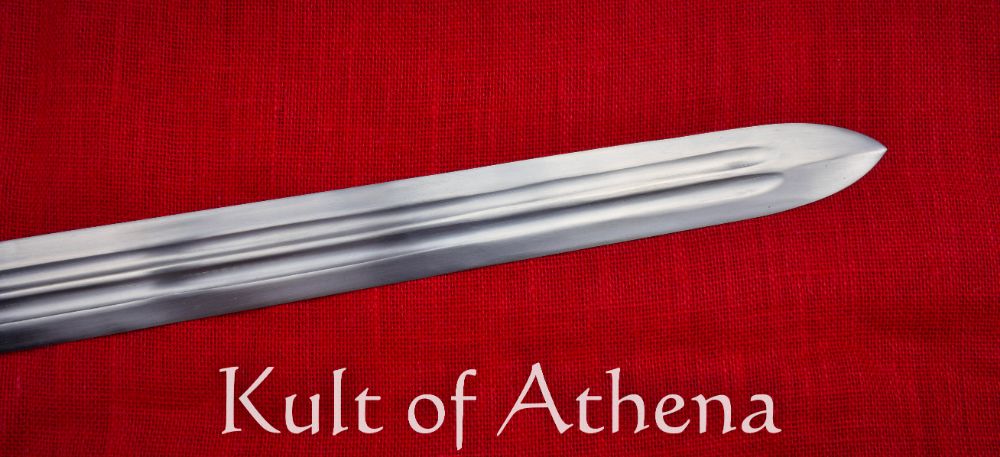
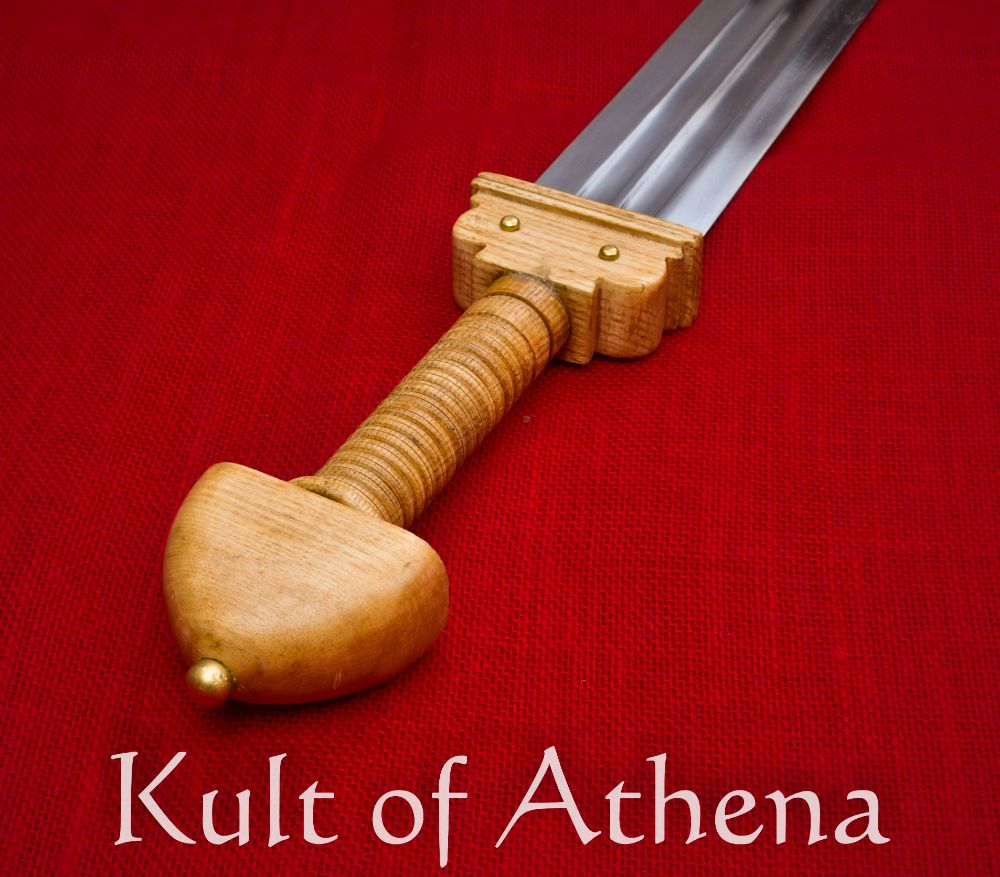
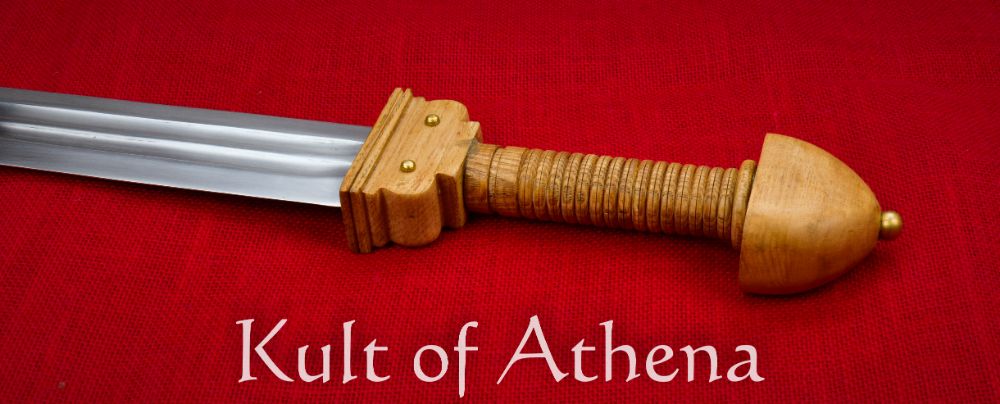
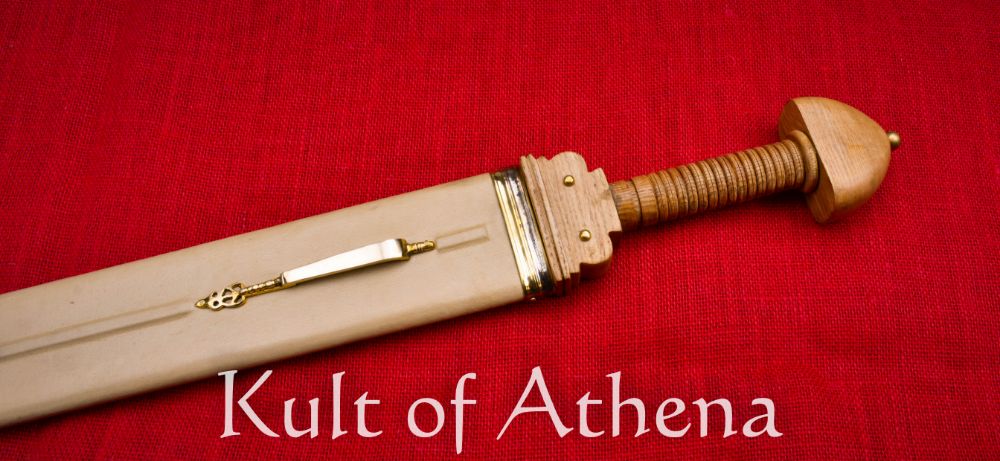
This Late Roman Spatha has a wide and long dual-fullered blade of high carbon steel; the hilt is crafted from wood and the pommel nut is brass. A black felt tab is atop the guard to cushion it from contact with the scabbard - it can be removed if desired.
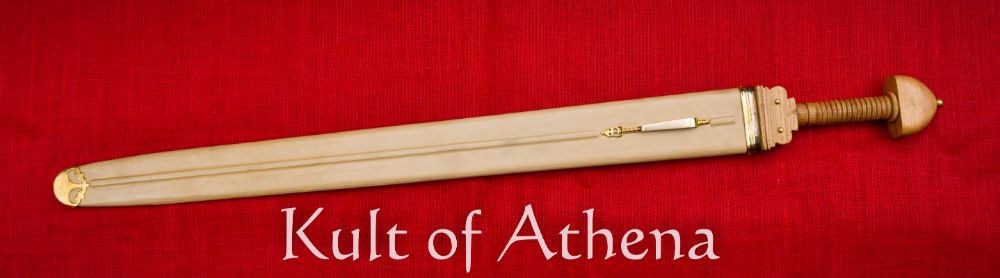
The wooden scabbard is bound in leather and completed with a brass chape, locket and suspension loop.
Specifications
Every measurement that matters
- Brand
- Deepeeka
- Culture
- Roman
- Era
- Ancient
- Edge
- Unsharpened
- Pommel
- Nut
- Overall Length
- 39''
- Blade Length
- 30 3/4''
- Blade
- C60 High Carbon Steel
- Weight
- 2 lb 3.9 oz
- P.O.B.
- 9 7/8''
- Thickness
- 4.7 mm - 4.4 mm
- Width
- 56.6 mm
- Grip Length
- 4 1/2''
- Country of Origin
- India
- Type
- Spatha
Reviews
What collectors are saying
Q&A
Questions from the community
Q What is this spatha built for – display, cutting, or sparring? Common Question
This is a Battle Ready reproduction of a Late Roman spatha, built with a full-length high carbon steel tang, a wood grip and guard, and a wood and leather scabbard with brass fittings. It ships with an unsharpened edge, making it well suited to display, handling, and historical study as it comes; cutting work on tatami or water bottles would require the owner to put an edge on it first.
Q Is this sword full tang? Common Question
Yes. The blade's C60 high carbon steel runs the full length into the grip, capped at the end by a brass nut pommel rather than a narrow rod tang, which is the kind of construction that holds up to the stresses of a battle-ready sword.
Q Does the blade come sharp? Common Question
No, the edge ships unsharpened. That makes it a safer piece to handle for display, drilling, and study, and leaves sharpening to the owner if cutting use is wanted.
Q What is the point of balance like, and what does it mean for handling? Common Question
The point of balance sits about 9 7/8'' out from the guard. On a spatha with a 30 3/4'' blade, that forward balance gives the cut some authority and momentum, in keeping with how this type of Roman long sword was built to be used.
Q How heavy is this sword, and does that fit the blade? Common Question
It weighs 2 lb 3.9 oz, a weight that matches a 30 3/4'' blade with a width of 56.6 mm tapering from 4.7 mm to 4.4 mm thick. That's a substantial, late Roman-style blade, and the weight reflects the steel needed to fill out its full length and width.
Q What are the grip and pommel made of? Common Question
The grip and guard are wood, turned with ribbed texturing for a secure hold, and the pommel is a brass nut at the end of the tang. A felt tab sits atop the guard to cushion it against the scabbard mouth, and it can be removed if you don't want it.
Q What does the scabbard look like, and what is it made of? Common Question
The scabbard is wood, bound in leather, finished with a brass chape at the tip, a brass locket near the mouth, and a brass suspension loop for hanging it from a belt.
Q How should I care for this sword? Common Question
Wipe the high carbon steel blade down after handling and keep a light coat of oil on it to prevent rust, and keep the wood grip and leather-bound scabbard dry. Store the blade out of the scabbard for the long term, since the leather lining can trap moisture against the steel even when the sword looks dry on the outside.
Q Is this a good choice for someone who wants a historically accurate Roman sword to handle and display? Common Question
For handling and display, this spatha delivers a long, dual-fullered high carbon steel blade, full tang construction, and a wood-and-brass hilt that matches the late Roman pattern, backed by a leather-bound wood scabbard with brass fittings. If your goal is a sword to study, handle, and display rather than cut with immediately, it's built to hold up to that use as it ships.
The Maker
Deepeeka
Deepeeka creates an astonishing variety of replica weapons, armor, and re-enactment accessories that range from Classical Antiquity to the 20th Century. Deepeeka has been crafting replicas since the 1980s and their products are essential gear for many re-enactment groups. Many swords, daggers and other weapons made by Deepeeka are durably crafted and budget-friendly offerings. The steel is good and well-tempered and their leathercraft and woodworking are of excellent quality. Deepeeka’s products are handcrafted and (in the case of blades, hand-hammered) are a good deal for those who want a quality item at a good price.
Kult of Athena is the US distributor for Deepeeka products and we offer the largest in-stock selection you will find and we will beat any price you can find. If you are searching for a particular item or find a Deepeeka item listed elsewhere that is not seen on our site let us know and if it is available we can source it for you at a better price than seen elsewhere.
Often paired together

Great, Affordable Spatha As a martial arts enthusiast who writes novels and articles about the fall of Western Rome, I became obsessed with getting a spatha. Unfortunately, spatha are rarer than most replica swords, and the designs of most of the ones available (except the really expensive Albion ones) didn’t speak to me. Then this one came along (sometime in the last few months, I believe). I really like the design, which has the classic look found on most gladius, but is different enough to give it a uniqueness. I also liked the double fuller blade design.
Now that I’ve had the sword for a few days, I can say the weapon is very sturdy. It looks and feels really good. Nothing shakes or rattles. The hilt is well-tooled wood and feels good in the hand (though I am still working on the ideal way to grip it). Most of my previous swords have either been two-handed or lighter single-handed ones (i.e. rapier, gladius, Chinese jian) and so I will say I was surprised by how heavy this sword is. I think that would be an advantage for battle in a shield wall, but it is going to take some practice to get control over and I expect my wrist and forearm are going to have to toughen up. The scabbard is really nice – though I hated the color (which is orangish-brown as it appears in the photos). This color is probably right for the Late Antiquity period (when soldiers wore white instead of scarlet and dark leather, and lighter colors prevailed in art and fashion). I figured that I could probably darken the scabbard with shoe polish if needed, but it is starting to grow on me anyway. One more downside of the sword is that it only comes un-sharpened (though it is heavy and pointy enough to bludgeon most enemies of Rome you may happen to encounter). Over-all, I am very happy with this sword, especially for the money.
Picked up this piece due to its apparent sturdy blade and general durability for the price. I don’t do much abusive testing but from the cut tests I have performed I was pleased with the results. With the sharpening service, the edge is quite the performer and the blade can handle a lot of heavy impacts. The look of the sword is also nice and appears to be historically accurate. The scabbard is also a fitting companion to the sword in terms of both its appearance as well as its solid construction.
My biggest issues involve the wood grip. The blade is already tip-heavy and a lack of proper counterweight in the pommel means you’ll have to overcome some imbalance. This issue does seem surmountable through strength building exercises with the spatha it’s worth mentioning if you don’t want to constantly workout your wrist and forearm as you adjust to the sword’s weight.
Another issue I’ve run into is the pommel. As mentioned previously it is an improper counterweight to the blade yet is somehow also too bulky and wide. Just bending my wrist up and down with the sword in a chopping motion causes the pommel to dig into my wrist, which is certainly annoying and to someone with less patience could even be a deal-breaker.
In short, this is a good sword for the price and likely the best Spatha you’ll find short of forking over the thousand dollars for an Albion. However, it requires a good deal of getting used to considering the problems with the grip and pommel. I would recommend possibly sanding down the edge of the pommel to make it more comfortable or, since it’s a nut pommel, simply getting the entire hilt replaced with one of higher quality. That said, I really like the blade and could see this being an excellent addition to anyone’s collection. Just wear some gloves during cut tests!