


The katana isn’t just a weapon—it’s a mark of craftsmanship, history, and culture. Known for its deadly sharpness and unparalleled speed, it’s the weapon that defines the samurai. With its sleek design and cutting precision, the katana is both a functional tool and a symbol of the warrior’s spirit. But how did this iconic sword come to be, and who were the masters that shaped it? In this article, we dive into the rich history of the katana—its origins, evolution, and the impact it had on shaping Japan’s martial tradition.
The Origins of the Katana
The katana, with its signature curve and razor-sharp edge, is forever linked to the samurai—the noble warrior class of Japan. While it’s now the symbol of samurai culture, the katana wasn’t always the blade of choice. Before it, Japanese warriors wielded the tachi, a longer, straight sword worn edge-down, often by mounted soldiers. The tachi emerged around the 10th century, but as Japan’s military and social landscape shifted, so did the design of its swords.
By the Kamakura period (1185–1333), the need for a more practical weapon gave rise to the katana, which would co-exist with the Tachi for centuries afterward. Samurai began carrying their swords edge-up, strapped to their bodies rather than suspended from their belts. The katana’s shorter length, curved blade, and single edge allowed for quicker, more efficient draws, delivering swift, lethal strikes—perfect for the chaos of close combat both on horseback and on foot. The tachi by comparison was longer and optimized for mounted warriors, but was not as situationally versatile a sidearm as the Katana,
The Evolution of the Katana: Who First Designed It?
While the exact individual responsible for the design of the katana is unknown, its development was shaped by key factors over time. The evolution of the katana can be traced to the techniques of swordsmiths during the Heian and Kamakura periods who had great influence from the advanced metallurgy and swordsmithing techniques of China. Sword-making itself in Japan has a long history, dating back to the 8th century, when blacksmiths first began experimenting with steel forging. By the 9th and 10th centuries, these smiths were producing tachi swords using the complex process of folding and tempering metal, which would later define the katana.
The katana’s signature curve, known as the sori, likely emerged during the Kamakura period, a result of advancements in forging. The curve wasn’t just for looks; it made the sword far more effective for slashing from horseback, a vital trait for the samurai. By the Muromachi period (1336–1573), the katana’s length and curvature were refined, making it the iconic weapon it is today
The Art of Swordsmithing: From Forging to Fittings
The creation of a katana is a time-honored and meticulous craft that demands the highest level of skill from the katanakaji (traditional swordsmiths). Using techniques passed down through generations, these artisans forge the katana by folding and tempering steel, creating a blade that’s unmatched in both strength and flexibility. The folding process eliminates impurities and forms the distinct hada grain pattern, giving the katana its iconic look.
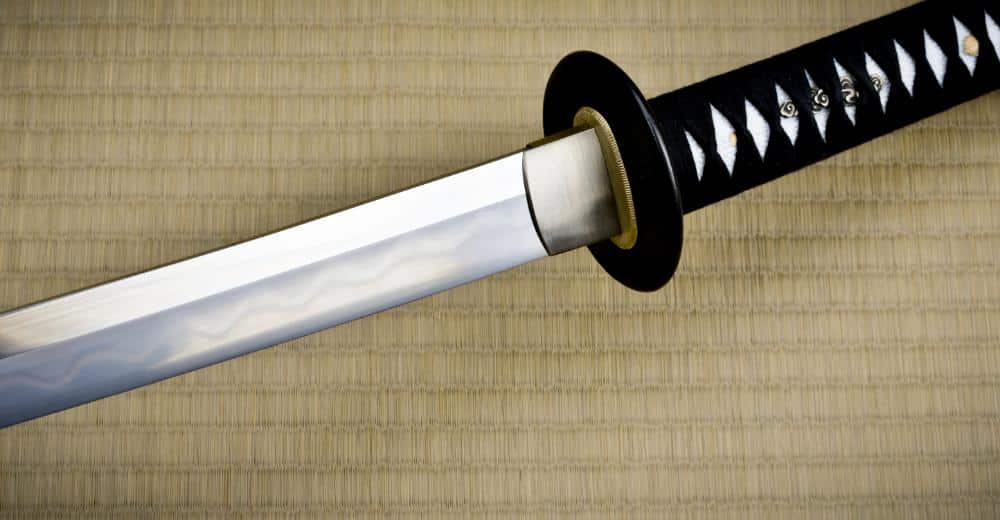
Once shaped, the blade undergoes yaki-ire, a rapid cooling process where it’s plunged into water or oil after being heated to intense temperatures. This hardens the edge and forms the signature hamon (temper line), a visual marker of the katana’s dual purpose: a razor-sharp edge and a flexible spine that absorbs shock.
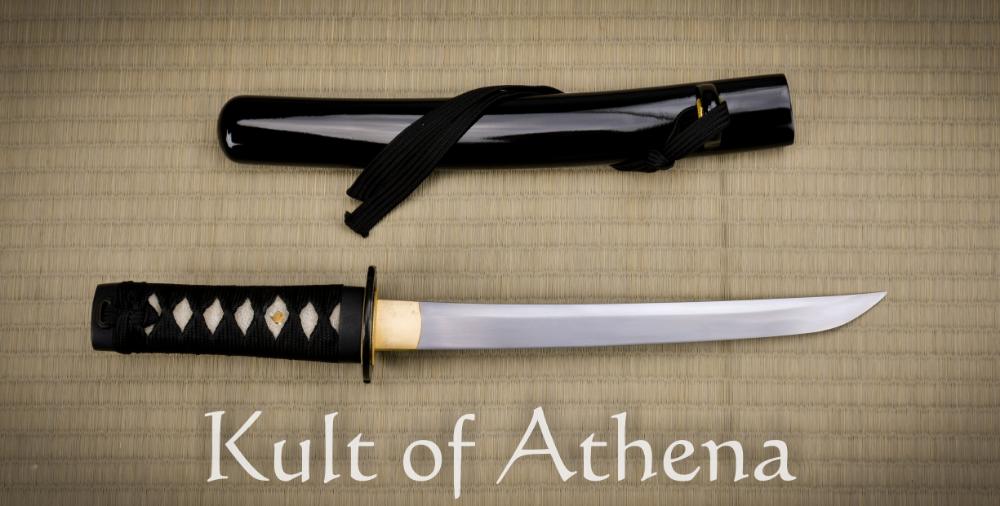
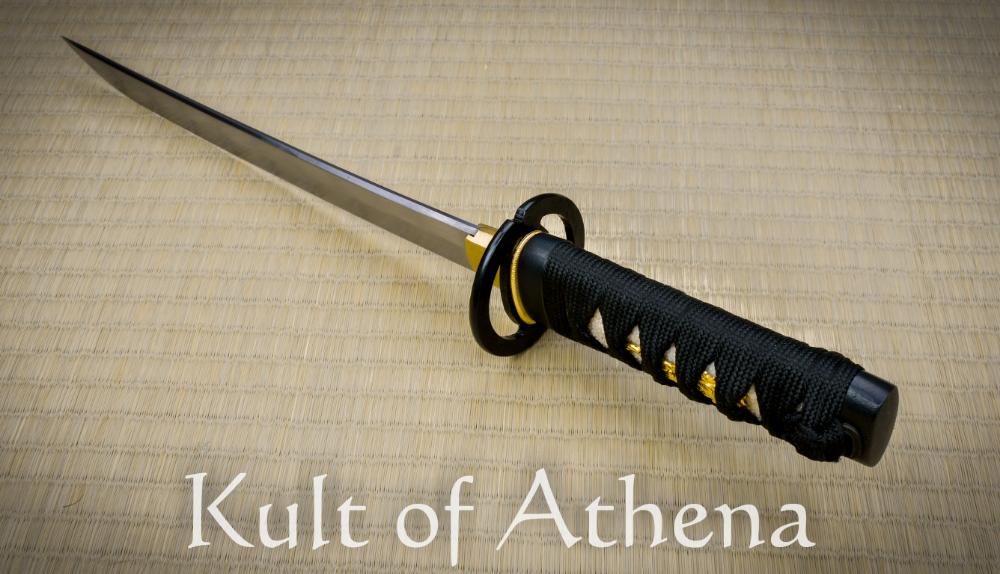
The katana’s true identity goes beyond the blade, extending to its fittings—the tsuka (handle), tsuba (guard), and saya(scabbard)— with each part playing a crucial role in both design and functionality. The tsuka is wrapped in samegawa (ray skin) and ito (cord), while the tsuba is made of iron to protect the hands during combat. The end result is a weapon that blends deadly effectiveness with stunning craftsmanship—a true symbol of form and function at its finest.
The Role of the Katana in Samurai Culture
The katana was far more than just a weapon—it was a powerful symbol of the samurai’s status, discipline, and unwavering commitment to bushido, the code of the warrior. Revered as an extension of the samurai’s soul, the katana embodied their honor, martial skill, and resolve. Even in times of peace, the samurai kept their katana close, a constant reminder of their duty to protect and serve.
Integral to samurai rituals, the katana played a key role in practices like iaijutsu, the art of the sword draw, which emphasized speed and precision in a single, decisive strike. The ability to wield the katana with mastery was a testament to a samurai’s devotion to their craft and their unyielding discipline—qualities that defined their very existence.
The Katana in Modern Times
While the katana’s role in battle has long since passed, its influence endures in martial arts, culture, and art. This legendary blade remains a symbol of Japan’s rich history and the ideals upheld by the samurai. Even today, swordsmiths continue to forge katana using time-honored techniques, though modern renditions are typically crafted for collectors and martial artists, not for warfare.
The katana’s iconic status extends beyond history, having firmly entrenched itself in global popular culture. Whether in films, video games, or literature, the katana continues to embody strength, precision, and honor. Its legacy,rooted in centuries of tradition, still resonates, captivating the imagination of people worldwide, long after the samurai have faded from the battlefield.
Conclusion: The Eternal Appeal of the Katana
The katana is far more than just a weapon—it is a living testament to history, art, and tradition. Its design, refined over centuries of meticulous refinement, embodies the spirit of the samurai and the unyielding dedication of the swordsmiths who forged it. While its origins may be lost in time, the katana’s impact is undeniable, leaving an indelible mark on Japanese culture and shaping the global image of the warrior’s blade.
By exploring the katana’s history and evolution, we gain a deeper understanding of its unmatched beauty and purpose—an enduring symbol of craftsmanship, discipline, and honor that has withstood the test of time.
Leave a Reply