

1796 Pattern British Infantry Sword with silver grip – Universal Swords
In stock
$249.99
- Shipping estimated at checkout
- Every blade inspected before shipping
- 30-day returns
- Class
- Battle Ready
- Blade
- 1060-1065 High Carbon Steel
- Overall Length
- 40 1/4''
- Weight
- 2 lb 0.9 oz
- Brand
- Universal Swords
- Culture
- British
Overview
1796 Pattern British Infantry Sword with silver grip - Universal Swords
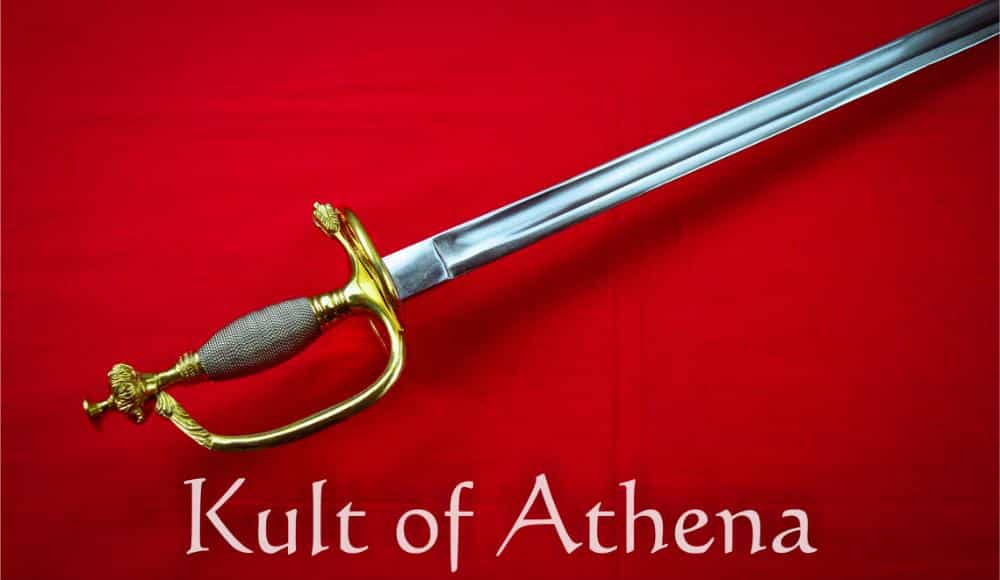
When the British Army standardized the swords to be carried by infantry officers in 1796 this is the sword they settled on; a spadroon-like cut-and-thrust sword with simple, but elegant Georgian styling that hearkened back to the Smallswords carried by gentlemen in earlier times. In just four years following, the blade was at the hip of practically all British Line Infantry Officers. Regardless of the standardization of form, the blades varied in their width and in their engraved decoration. Though widespread, it was not regarded as a good combat blade despite being used through the entirety of Britains contests with France in the Napoleonic Era. It would not be officially replaced until 1822 by the more elaborate Gothic-Hilted sword and before then many officers had opted to acquire the 1803 Pattern saber instead.
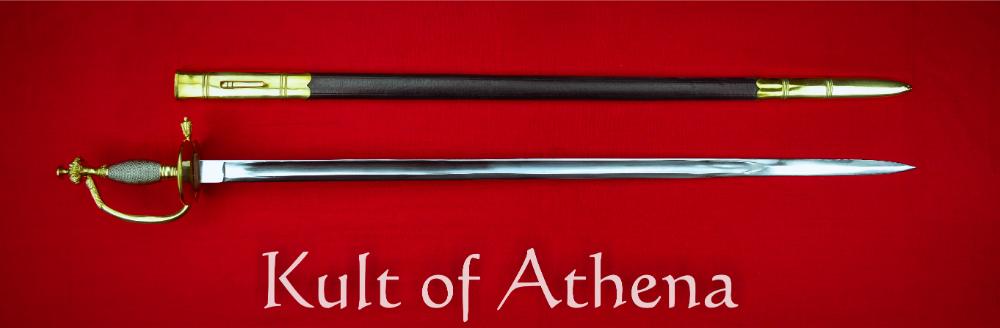
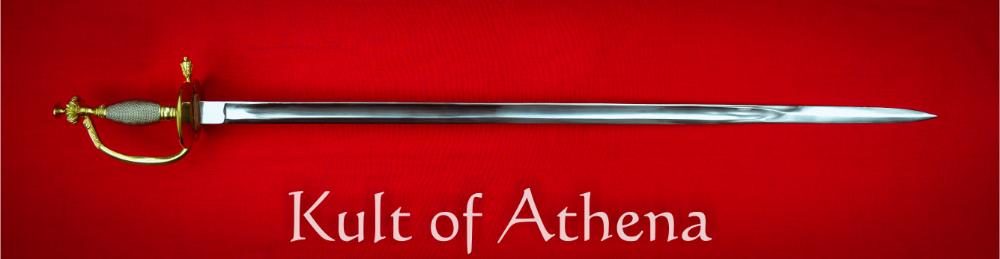
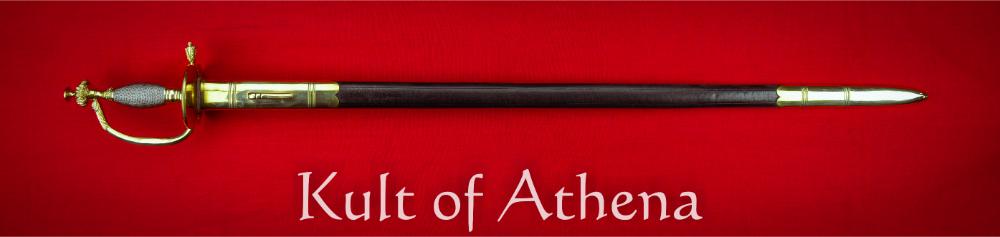
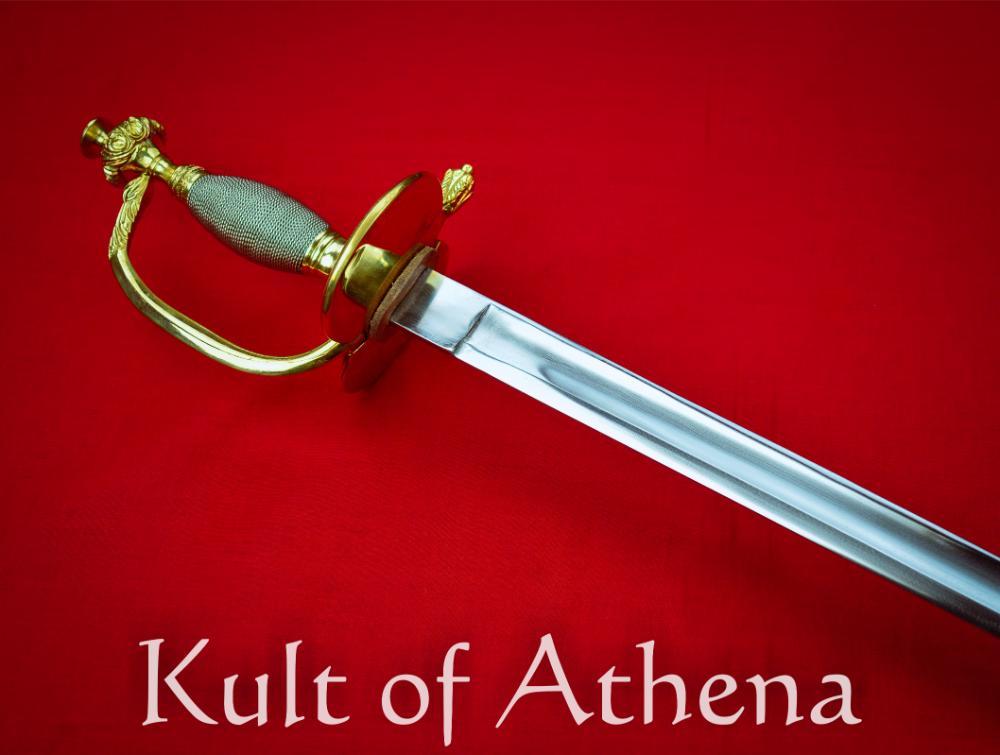
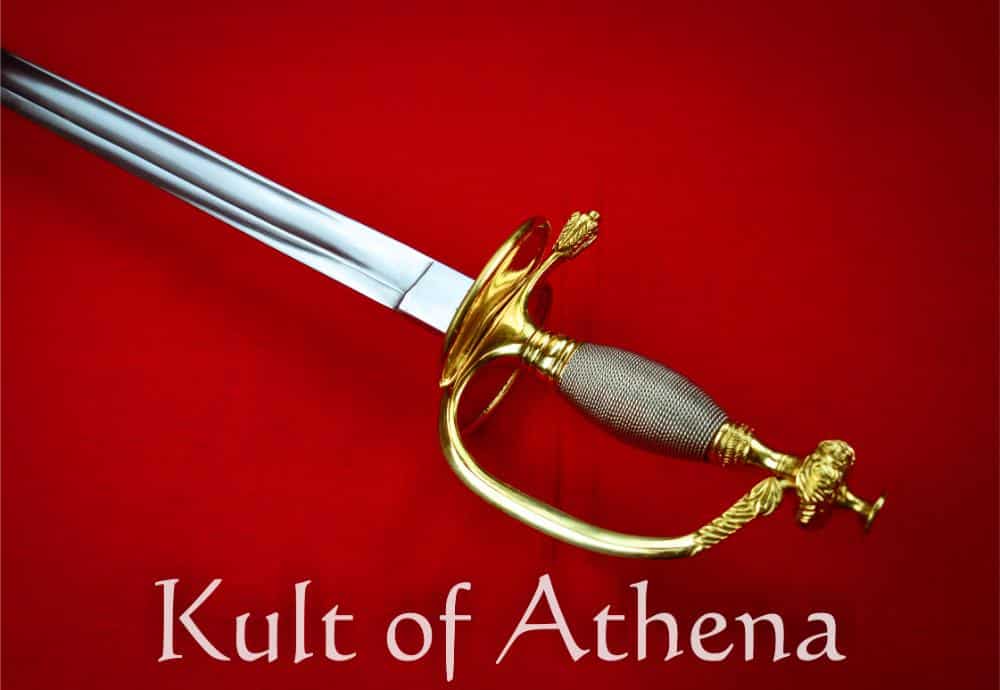
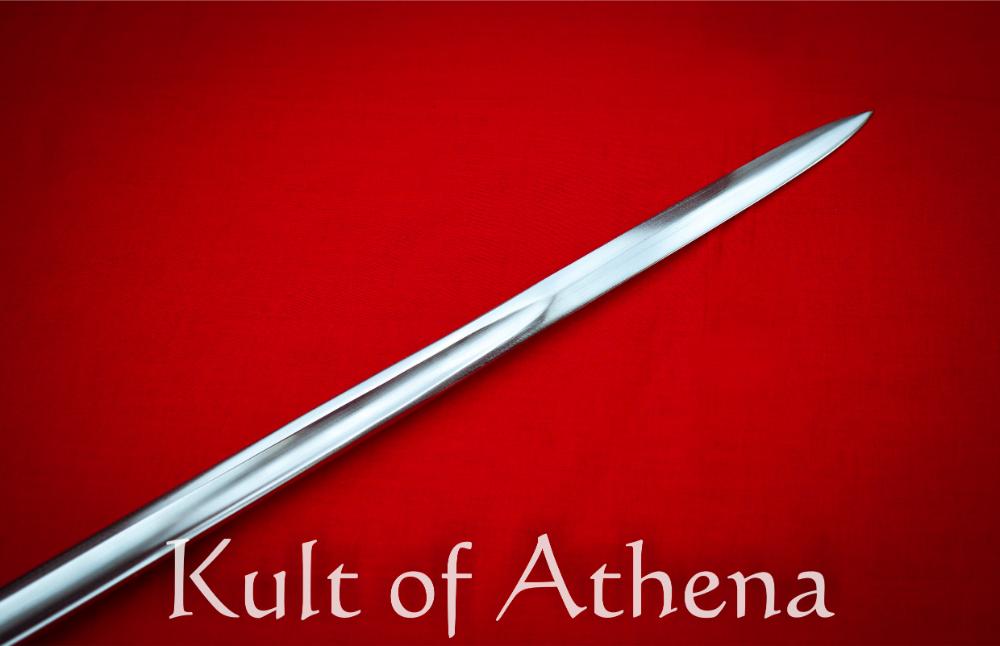
This replica of the 1796 British Infantry Officer sword has a blade of unsharpened, tempered high carbon steel. It has a hilt of brass and a grip wrapped in copper wire plated with silver. The scabbard is of leather with brass accents.
Specifications
Every measurement that matters
- Brand
- Universal Swords
- Culture
- British
- Pommel
- Nut
- Overall Length
- 40 1/4''
- Blade Length
- 34 1/8''
- Blade
- 1060-1065 High Carbon Steel
- Weight
- 2 lb 0.9 oz
- Edge
- Unsharpened
- P.O.B.
- 7 1/2''
- Thickness
- 6.6 mm - 3.8 mm
- Width
- 25.4 mm
- Grip Length
- 4''
- Class
- Battle Ready
- Country of Origin
- India
Reviews
What collectors are saying
Q&A
Questions from the community
Q What is the 1796 Pattern Infantry Sword and what was it originally used for? Common Question
This is a reproduction of the sword the British Army standardized for infantry officers in 1796, a light, spadroon-style cut-and-thrust sword descended from the court smallsword. It was carried by nearly every British Line Infantry officer through the Napoleonic Wars until the Gothic-hilted pattern replaced it in 1822.
Q What is the blade made of and how durable is it? Common Question
The blade is 1060-1065 high carbon steel, tempered for durability. It ships unsharpened, making it suited to display, historical study, and choreographed or structured use rather than live cutting.
Q Is the blade sharp? Common Question
No, the edge is unsharpened out of the box. An unsharpened edge does not make the sword safe for sparring or contact use on its own. It can be sharpened with our add-on sharpening service and made ready for cutting use.
Q What does the Battle Ready classification mean for this sword? Common Question
Battle Ready here refers to the tempered high carbon steel construction, built to hold up structurally rather than being a decorative wall-hanger alloy blade. It still ships with an unsharpened edge, so sharpness and contact use are separate questions from its build quality. It can be sharpened with our add-on sharpening service and made ready for cutting use.
Q What is the grip and hilt made of? Common Question
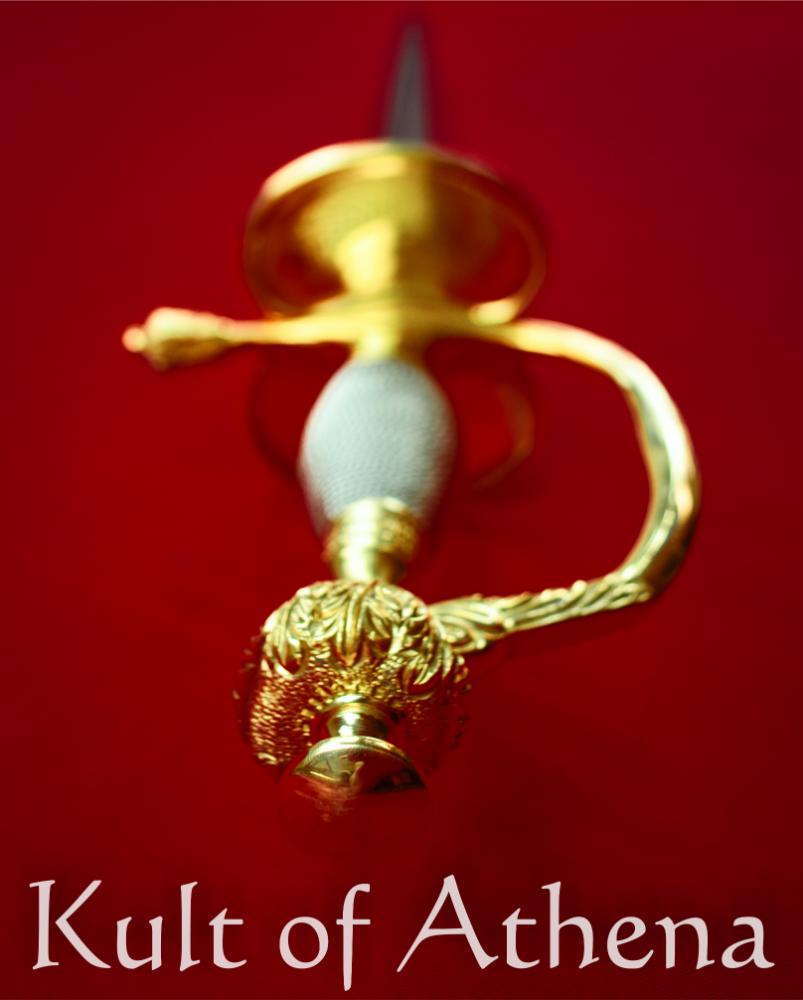
The hilt is brass, and the grip is wrapped in copper wire plated with silver, matching the elegant Georgian styling of the original 1796 pattern. The photographs show an ornate swept guard and knuckle bow with scrollwork and foliate detailing on the pommel.
Q What does the point of balance tell me about handling? Common Question
The point of balance sits 7 1/2 inches from the guard, keeping the weight concentrated toward the hilt on this 34 1/8 inch blade. That forward-light balance suits the quick point work and cut-and-thrust handling the 1796 pattern was designed for, rather than heavy chopping cuts.
Q What is the scabbard made of, and can I store the blade in it? Common Question
The scabbard is leather with brass fittings at the throat and tip, matching the sword's brass hilt. Leather scabbards trap moisture over time, so for long-term storage it's better to keep the blade out of the scabbard, wiped down and lightly oiled.
Q How should I care for this sword? Common Question
Wipe the high carbon steel blade down after handling and apply a light coat of oil to prevent rust, since carbon steel will corrode if left damp. Store the sword in a dry place outside its leather scabbard, and keep the silver-plated wire grip away from excess moisture to preserve its finish.
Q What is this sword best suited for? Common Question
This piece is built for display, historical study, and reenactment of the 1796 British infantry officer's sword, with an unsharpened, tempered high carbon steel blade that holds up well for handling and presentation. It is not set up as a cutting sword in its current edge state, so it fits best for collectors and reenactors rather than test cutting. It can be sharpened with our add-on sharpening service and made ready for cutting use.
The Maker
Universal Swords
With origins going back to 1960, India’s Universal Swords has been making reproduction swords for decades. With an emphasis on military sabers, universal produces a number of designs not found elsewhere. As the official US distributor of Universal Swords, KOA will be expanding to stock their entire line over time.
Often paired together

No reviews yet. Only logged in customers who have purchased this product may leave a review.