

1840 Non Commissioned Officer Sword
In stock
$169.95
- Shipping estimated at checkout
- Every blade inspected before shipping
- 30-day returns
- Blade
- 1065 High Carbon Steel
- Overall Length
- 37 3/4''
- Weight
- 1 lb 12.6 oz
- Brand
- Windlass Steelcrafts
- Culture
- American
- Era
- 19th Century
Overview
1840 Non Commissioned Officer Sword
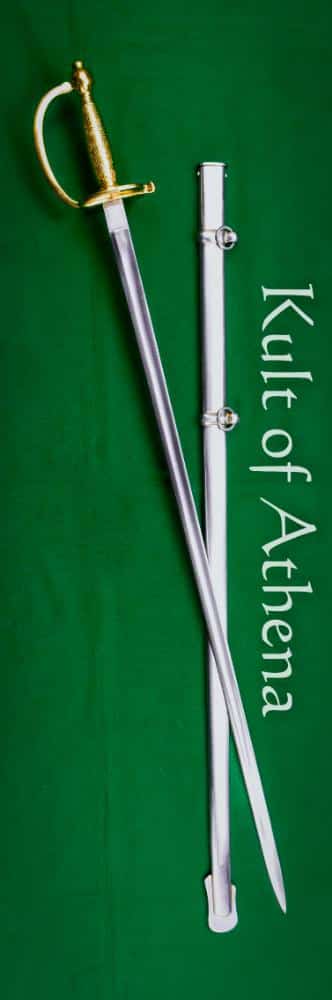
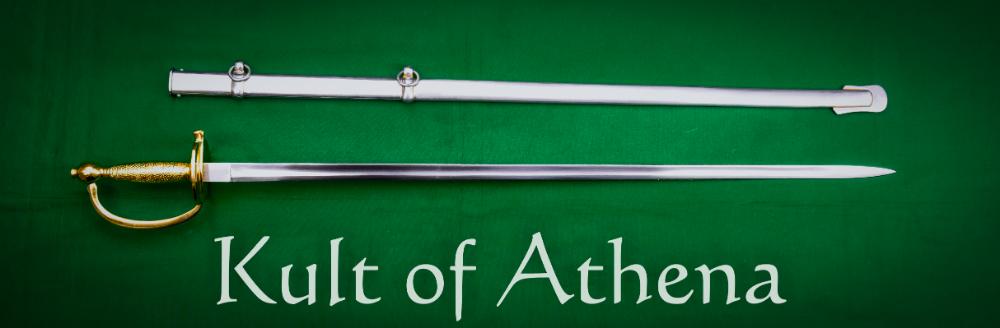
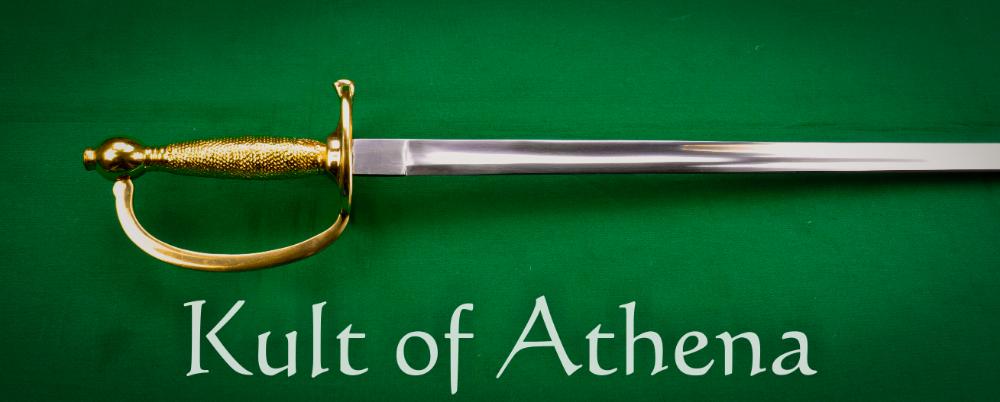
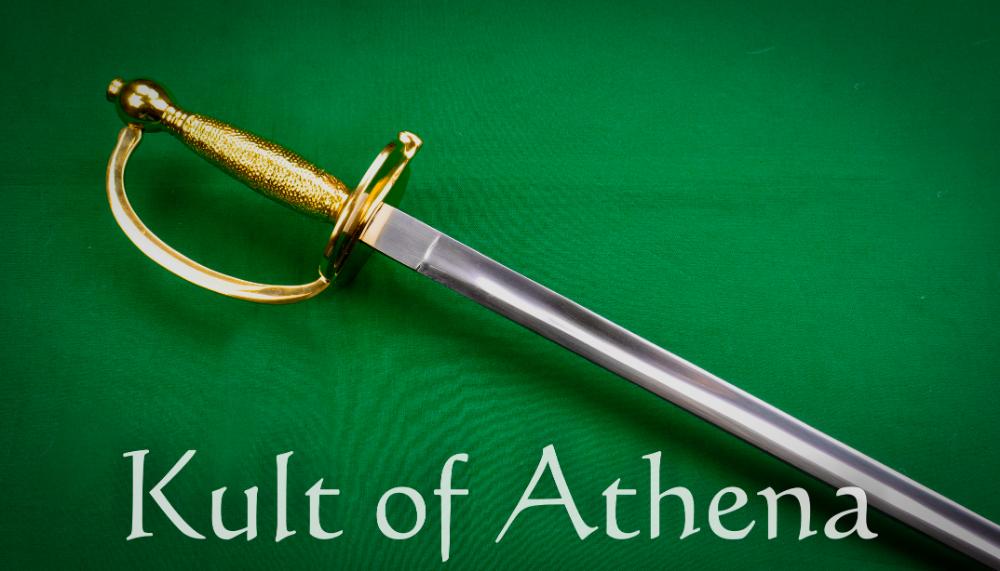
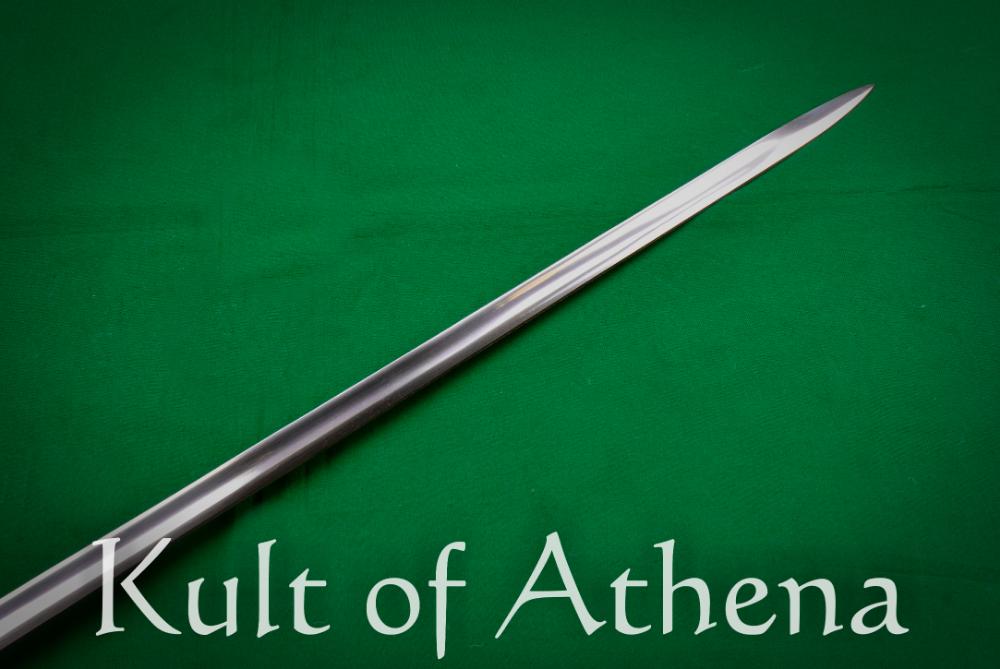
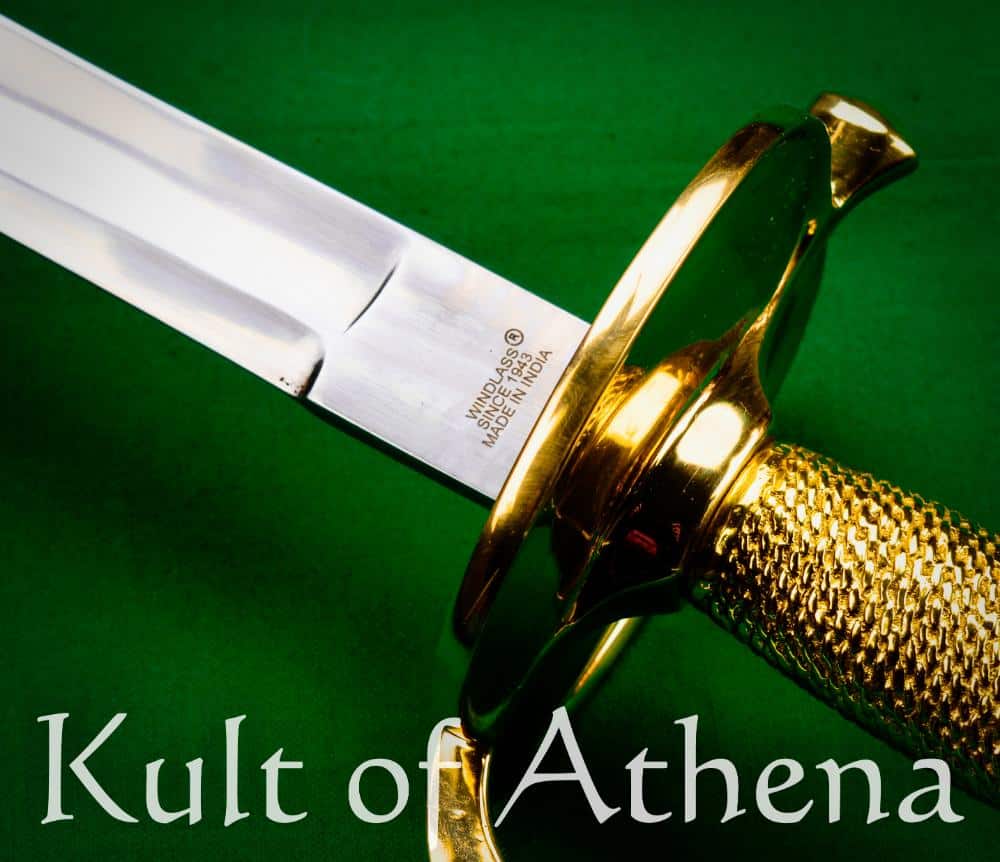
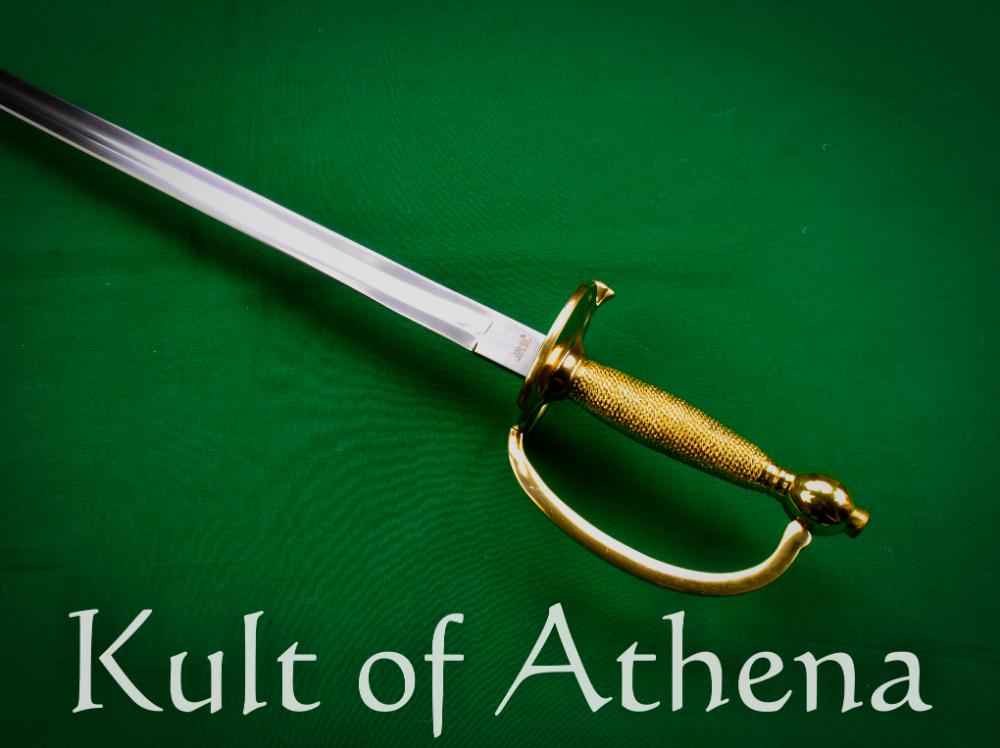
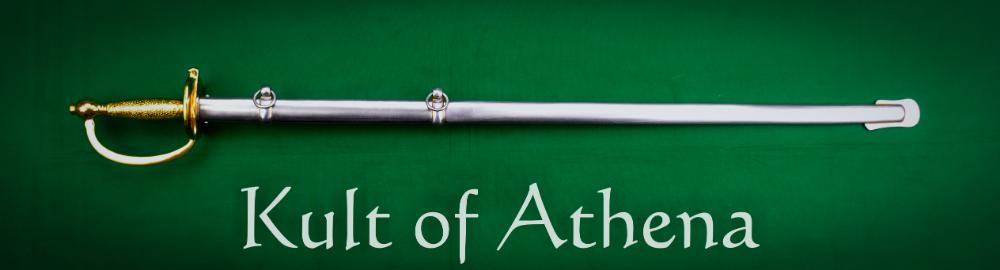
The 1840 non commissioned sword was carried by American soldiers for over 70 years; a period which included the Mexican War, Civil War and Spanish American War. The single edged balde is made of tempered high carbon steel and has a single broad fuller running from the ricasso to near the point. The entire hilt is cast brass and the grip is ribbed. Pommel is global with a capstan. Grip is flanked by kidney-shaped hand guards. Includes a steel scabbard. Unsharpened
Specifications
Every measurement that matters
- Brand
- Windlass Steelcrafts
- Culture
- American
- Era
- 19th Century
- Edge
- Unsharpened
- Pommel
- Peened
- Overall Length
- 37 3/4''
- Blade Length
- 31 5/8''
- Blade
- 1065 High Carbon Steel
- Weight
- 1 lb 12.6 oz
- P.O.B.
- 3 7/16''
- Thickness
- 4.8 mm - 3.2 mm
- Width
- 21.6 mm
- Grip Length
- 3 1/2''
- Country of Origin
- India
Reviews
What collectors are saying
Q&A
Questions from the community
Q What is this sword built for—display, collecting, or cutting? Common Question
This is a Battle Ready reproduction of the 1840 Non-Commissioned Officer's sword, built with a full-width tempered high-carbon blade and a cast brass hilt that can take the knocks of handling, drill, or display. It ships unsharpened, so it's set up for historical collecting, reenactment carry, and presentation rather than cutting work.
Q What steel is the blade made from, and how is it tempered? Common Question
The blade is 1065 high carbon steel, tempered for toughness, and tapers in thickness from 4.8 mm near the guard down to 3.2 mm toward the tip. That taper keeps the blade lighter and more lively out toward the point while leaving more mass near the hilt for strength.
Q Is this a full-tang sword? Common Question
The tang runs the length of the grip and is peened over the pommel, which is the traditional way these military swords were built for durability—the pommel is mechanically locked onto the tang rather than just decorative. That peened construction is what lets the hilt stay tight on the blade through regular handling.
Q How is the blade balanced, and what does that mean for handling? Common Question
The point of balance sits 3 7/16'' out from the guard, keeping the weight close to the hilt. That's typical of a dress and drill sword of this type, giving it a lively, controllable feel in the hand rather than a blade-heavy, chopping balance.
Q What is the hilt made of, and what does it look like? Common Question
The hilt is cast brass with a knuckle-bow guard and kidney-shaped langets flanking the grip, finished in a warm gold tone. The grip itself is ribbed for a secure hold, and photographs show a knurled, wire-wrapped texture with a rounded, capstan-topped pommel.
Q What's the history behind this sword? Common Question
The 1840 Non-Commissioned Officer's sword was standard issue for American soldiers for more than 70 years, seeing service through the Mexican War, the Civil War, and the Spanish-American War. It's one of the longest-serving patterns in U.S. military history.
Q Does it come with a scabbard, and what's it made of? Common Question
Yes, it includes a steel scabbard with suspension rings for belt carry. Steel scabbards like this are great for display and transport, but for long-term storage it's better to keep the blade out of the scabbard, since trapped moisture inside a sheath can lead to rust over time.
Q How should I take care of this sword to prevent rust? Common Question
Wipe the high-carbon steel blade down after handling and apply a light coat of oil to protect it, since high carbon steel will rust if left bare in humid conditions. Store the sword in a dry place, and keep it out of the steel scabbard for extended storage so moisture doesn't get trapped against the blade.
The Maker
Windlass Steelcrafts
Windlass Steelcrafts not only creates props, clothing, and accessories to customers and popular TV productions, but also military supplies to governments across six continents – a testament to their expertise and quality. Their weapons, armor, shields, clothing and accessories are top notch quality for a price you can’t beat.
Often paired together

Passable look and balance. Very poor guard construction, unimpressive edge even with usually-excellent KOA sharpening.
Amazing sword to buy! Guard construction is not poor, high quality steel, and amazing balance! Would definitely recommend.
I quite like it! Balance is nice, its a basic but very pretty sword (perhaps thats just the aesthetic I like). The blade seems stiff, which is nice seeing as how windlass had a problem with their longer blades being too flexible in the past. Now this sword is more or less a spadroon which is cut and thrust, but mind the blaring “Unsharpened” tag in the specifications. Windlass is based in India. They cannot sell or ship sharpened swords. I bought mind with the kult of athena sharpening service just to put an edge at all on the blade, but let me tell you even with that service you’re barely going to cut anything. Its edge is almost pitiful, but at least with the sharpening service…you have an edge.
How much that bothers you is up to you. I wanted AN edge on the blade but I dont plan on doing much cutting with it anyways. More for display and to feel a little more cool when practicing fencing. If you want it to be more functional, take it to a whetstone, grinder, sand paper, or file, but just know that whether or not you get the sharpening feature…You’re not going to getting a sharp blade in the mail. For my purposes however? Love it.
THE AMERICAN SPADROON:
Ah yes, the spadroon! That most lambasted of swords and yet also the least understood. So how does this popular repro fair when it comes to representing “the perfect encumbrance?”
WHAT IS THIS:
Though I did not purchase this off KoA, I feel the piece I bought via a different seller is reflective of what KoA is offering here. So right off the bat, this is meant to represent the US Model 1840 NCO Sword of the Mexican-American War, American Civil War, and Spanish-American War aaand there is a problem of accuracy. Prior to about the 1870s, the M1840 NCO was not carried in a steel scabbard but a leather sheath with brass hardware. Windlass also sells a newer, updated version of this sword with a more accurate grip design and leather scabbard; if visual accuracy is what you want, that is the better choice.
ACCURACY:
In addition to practicing historical swordsmanship, I also handle and collect original swords on a regular basis. As such, I have handled several M1840 NCOs and can *confidently* say that this isn’t quite accurate to the M1840 NCO in handling or looks…but it’s a fair attempt. The originals I’ve handled feature far superior distal taper, going from about 9.56 mm at the base to 4.76 mm mid-blade to 2.38 mm at the tip. This major tapering resulted in the originals being lightning fast and responsive in the tip when making wrist cuts, to the point that the things moved liked greased lightning. Windlass’s offering is far too meaty in the tip and too narrow at the base to match that by any means, with the blade thickness being basically uniform and without distal taper.
But is that a bad thing? Despite how inaccurate this feels, taken on its own merits, it feels wonderful! The presence of the blade feels very manageable and responsive yet reasonably strong in the hand, and it is very stiff and stout for thrusting. While not very accurate to the US M1840 NCO sword, it none-the-less feels like a pleasant treat to use. Just a shame the grip kinda ruins it.
THE GRIP IS AWFUL:
Oh Windlass, why oh why did you make this the worst grip I have ever handled in my life? I’ve held dug-up swords with bare tangs that felt better to use than this. In attempting to copy the original’s half-faux wire grip, they turned this nice sword into a cheese grater. Not even all that accurate to the OG grips either. Without grip tape or leather gloves, swinging this felt like my hand wanted to die. Windlass did fix this on its updated M1840 NCO by hewing more accurate, but I haven’t handled that release so I’m not sure if it still has the same issue.
OVERALL:
For all its issues of accuracy and cheese grating, I adore this thing. Layering some grip tape onto this, it has become my favorite repro to mess with and do drills with. I still long for the day when a true masterclass spadroon repro will come out that truly matches a 19th century original, but I can happily make do with this. Your mileage may vary when it comes to the grip, but I still recommend this. Certainly makes for a great starting sword for a first-time buyer.