
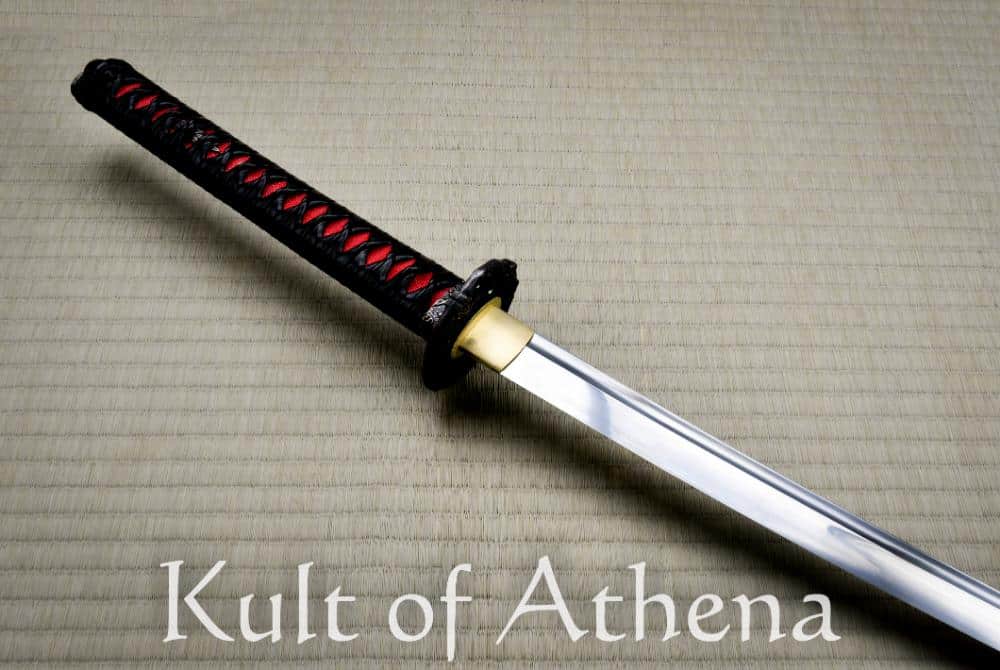
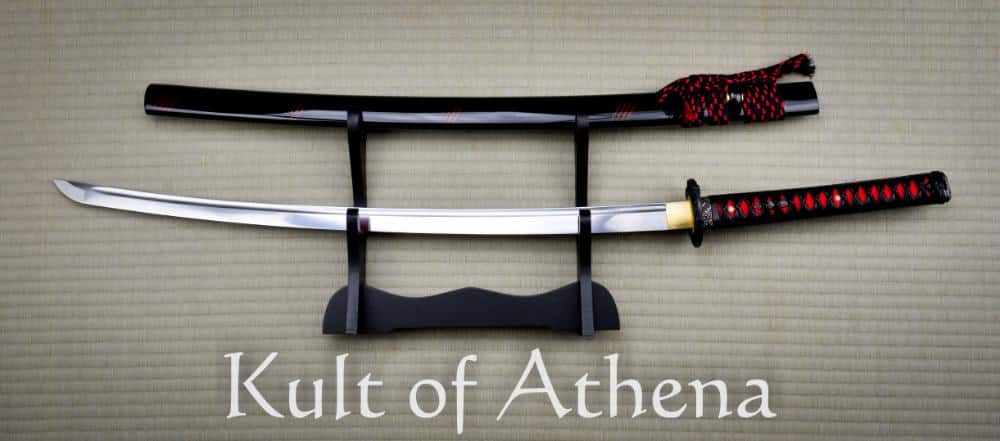
HanBon Forge Black Sakura Katana
In stock
$144.99
- Shipping estimated at checkout
- Every blade inspected before shipping
- 30-day returns
- Blade
- 1060 High Carbon Steel
- Overall Length
- 39 3/4"
- Weight
- 2 lbs 4 oz
- Brand
- Hanbon Forge
- Culture
- Japanese
Overview
HanBon Forge Black Sakura Katana
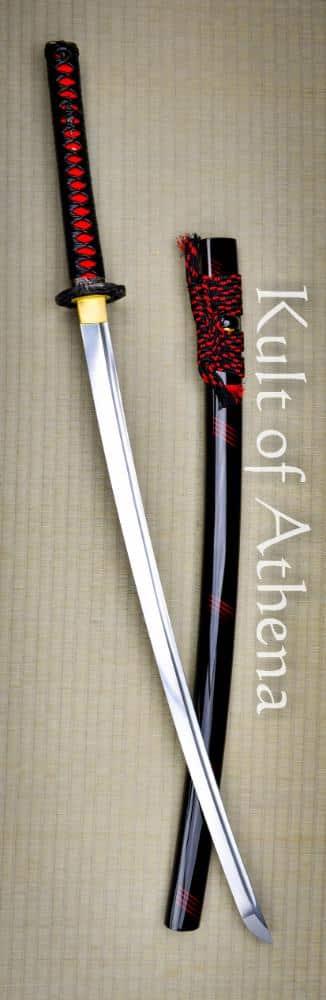
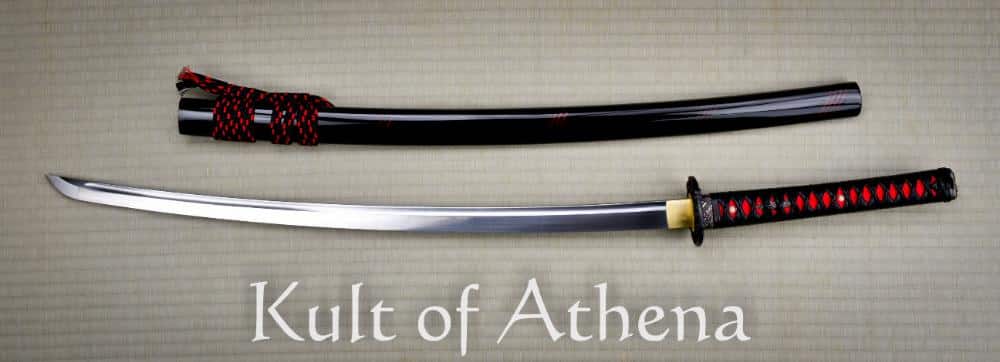
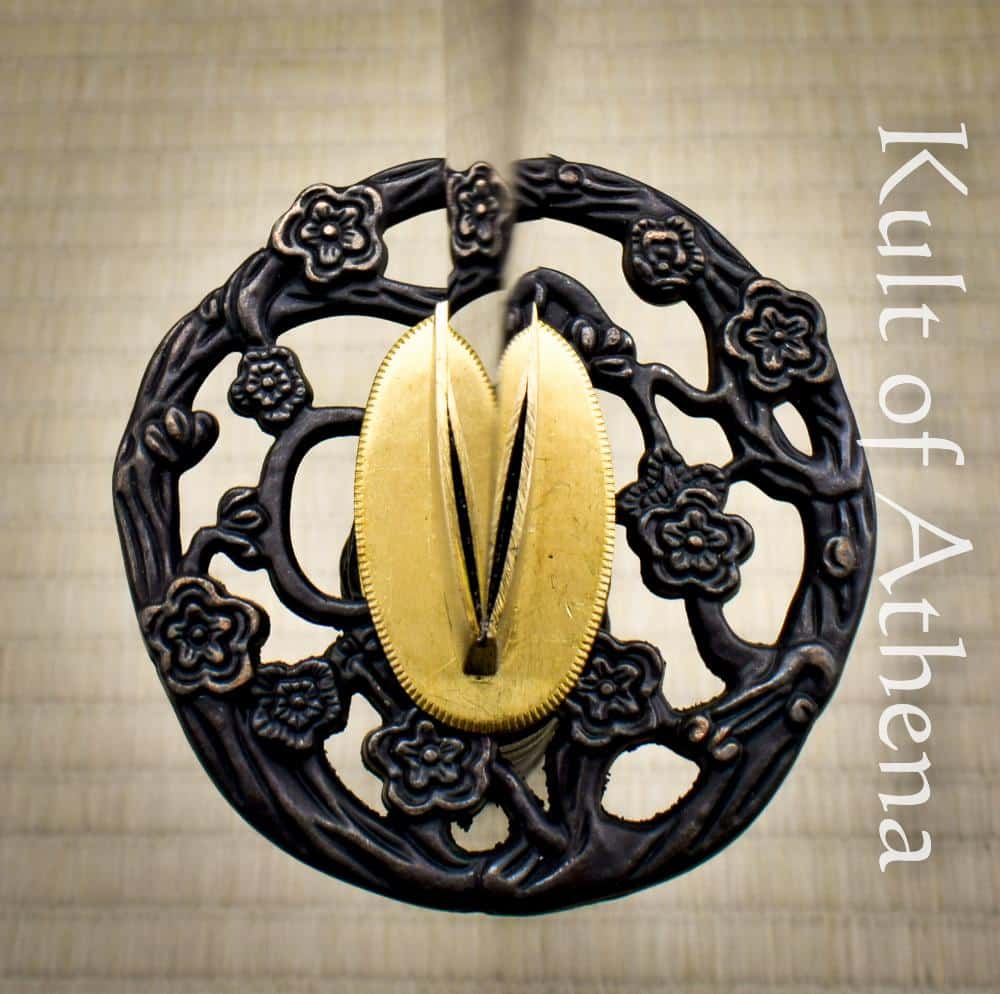
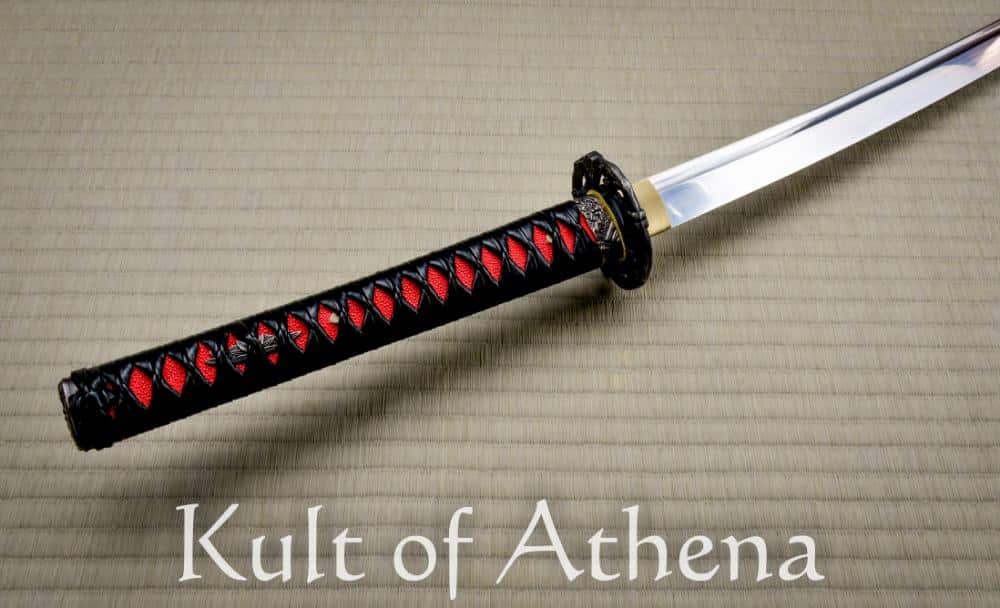
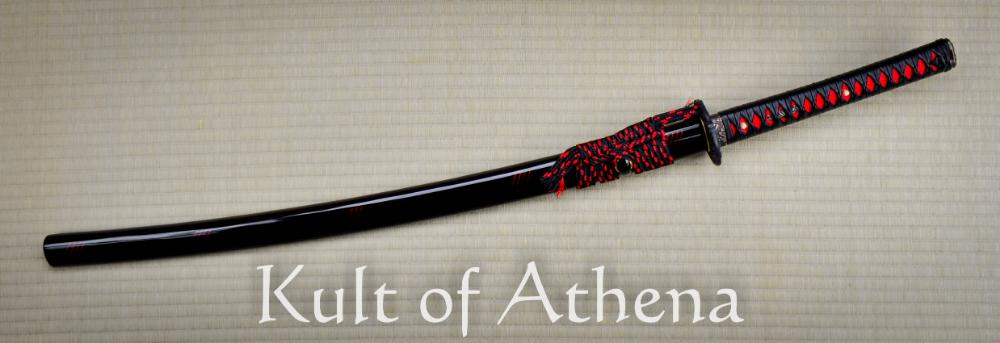
The Black Sakura Katana combines traditional Japanese sword styling with an elegant aesthetic inspired by the beauty and deep martial symbolism of cherry blossoms. Its dark fittings paired with a particularly striking glossy black cherry scabbard lacquer give it a refined and elegantly deadly appearance that makes it an excellent choice for collectors to add a new focal point to their display or for target cutting.
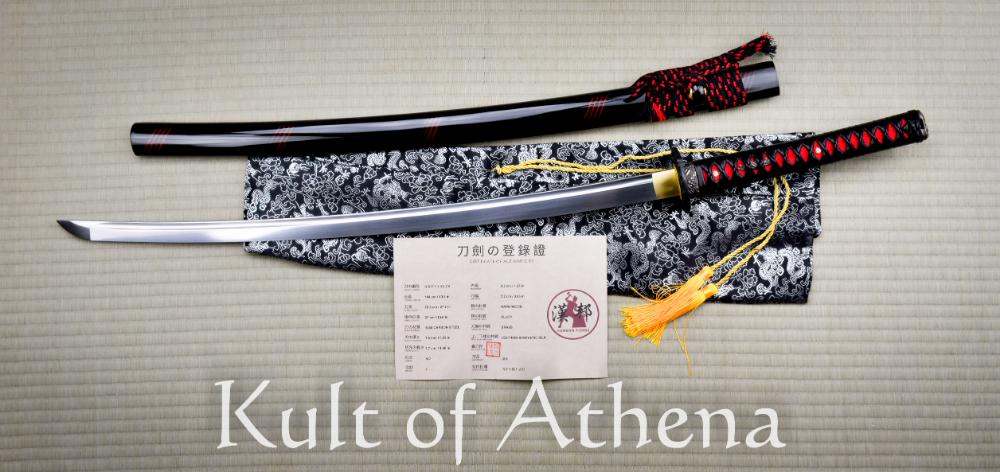
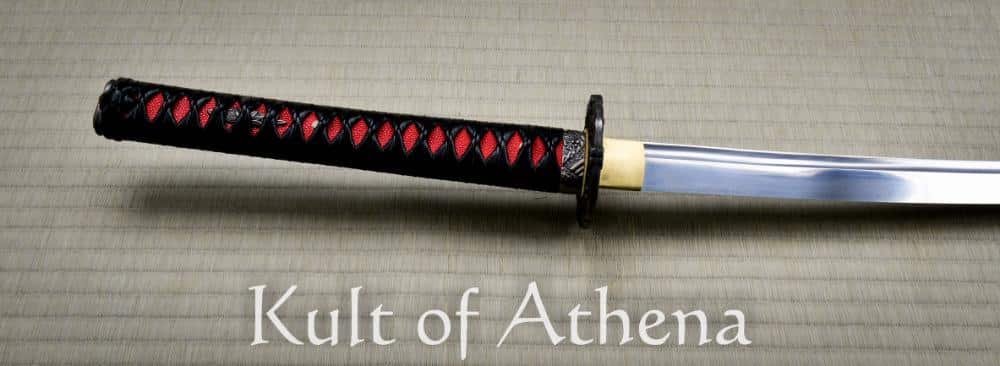
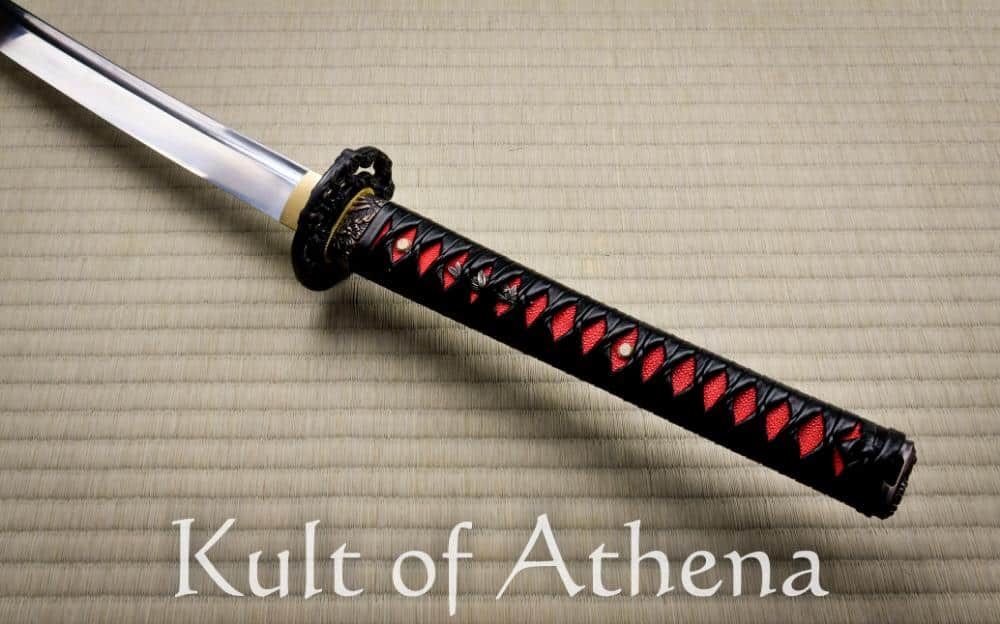
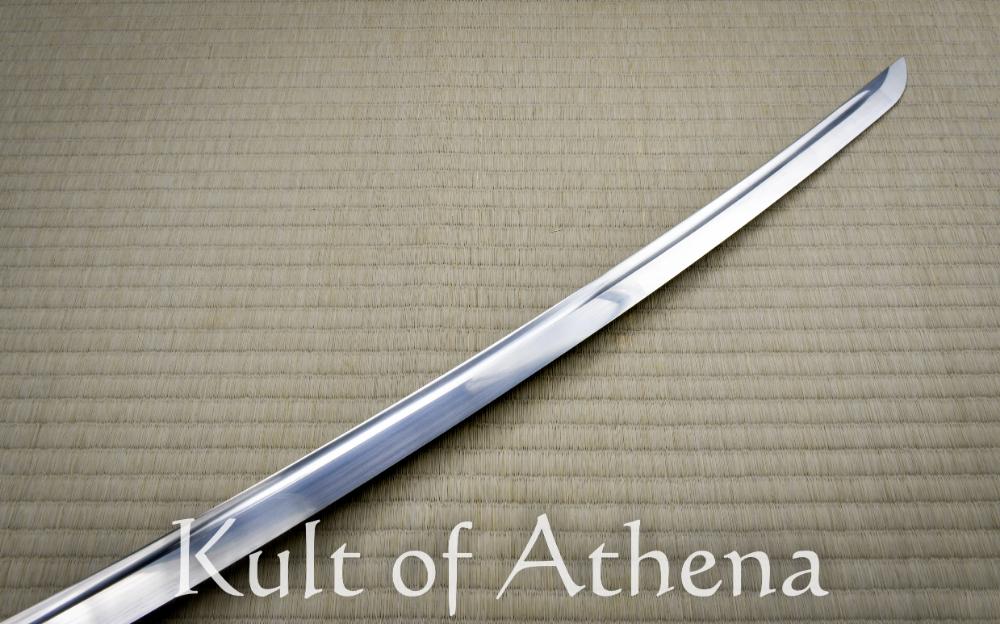
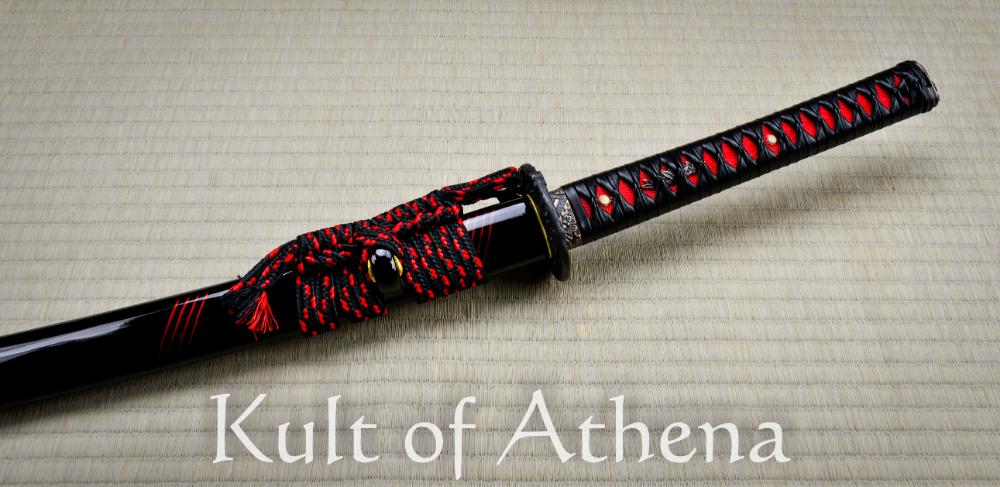
The hand-forged 28 5/8 inch blade features a bo-hi groove that removes weight from the blade, giving the Black Sakura Katana a swifter, more responsive feel in the hand and keeping its weight at a lean 2 lbs 4 oz. The blade is crafted from 1060 high carbon steel hich is well-tempered and sharpened to a keen edge for target cutting. The cherry blossom-themed koshirae are antique-finished while the 10 inch wood tsuka grip features panels of vibrant red samegawa rayskin wrapped over with knotted ito leather for a secure and traditional-looking grip. The wooden saya is finished in glossy black lacquer and fitted with a black and red flecked synthetic silk sageo cord that ties the color scheme together.
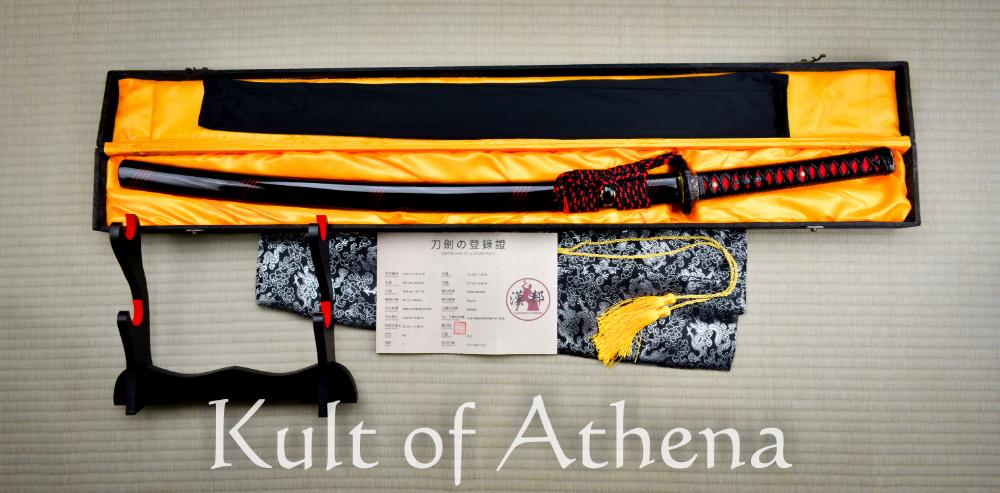
The katana comes with a wooden saya scabbard finished in glossy black lacquer, along with a pair of sword bags, a manufacturer's production certificate, a display stand, and a gift / presentation box. With its vibrant red accents, antique-finished cherry blossom koshirae, and sleek black cherry hue saya, the Black Sakura Katana makes a distinctive addition to a collection while remaining equipped for target cutting.
In Japan, the cherry blossom, or sakura, has long symbolized the beauty and impermanence of life. Its brief, spectacular bloom serves as a reminder that even the most beautiful things are fleeting—a concept closely associated with the samurai ideal of accepting mortality with dignity and courage. Samurai were often portrayed in literature and art alongside cherry blossoms, reflecting the belief that a warrior should live with purpose, honor, and grace while remaining prepared to face death without fear. The falling petals therefore came to represent not simply death, but the transitory nature of existence and the samurai's willingness to sacrifice himself in service of his lord, family, or principles.
Specifications
Every measurement that matters
- Brand
- Hanbon Forge
- Culture
- Japanese
- Pommel
- N/A
- Overall Length
- 39 3/4"
- Blade Length
- 28 5/8"
- Blade
- 1060 High Carbon Steel
- Weight
- 2 lbs 4 oz
- Edge
- Very Sharp
- P.O.B.
- 4 5/8"
- Thickness
- 7 mm - 4.3 mm
- Width
- 32 mm
- Grip Length
- 10 1/16"
- Country of Origin
- China
Reviews
What collectors are saying
Q&A
Questions from the community
No questions yet — be the first to ask.
The Maker
Hanbon Forge
Since 2007, HanBon Forge has been recognized as a premier swords manufacturer committed to preserving the ancient art of bladesmithing. Based in Longquan, China, their forge is dedicated to crafting high-quality, handcrafted swords and authentic martial arts equipment for both serious practitioners and discerning collectors worldwide.
Often paired together

The sword was well made, the scabbard not so much. First the sword, for the money this is incredibly worth it: the blade is sharp and sturdy, everything is seated very well and it holds up to use well. My only complaint would be its poor balance; the handle and grip are very light so most the weight is in the blade. Again, despite this it works great for practicing Haidong Gumdo forms and cutting practice targets.
My issues with the scabbard are negligible but unmistakable. The finish gets gets scraped and marked really easily and the strings get frayed because they are just tied together with another string.
Overall: Worth it, just don’t expect a high quality scabbard