
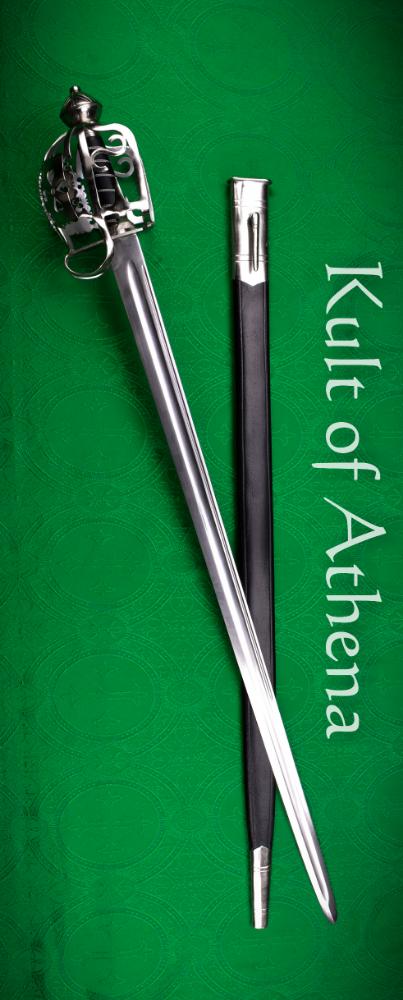
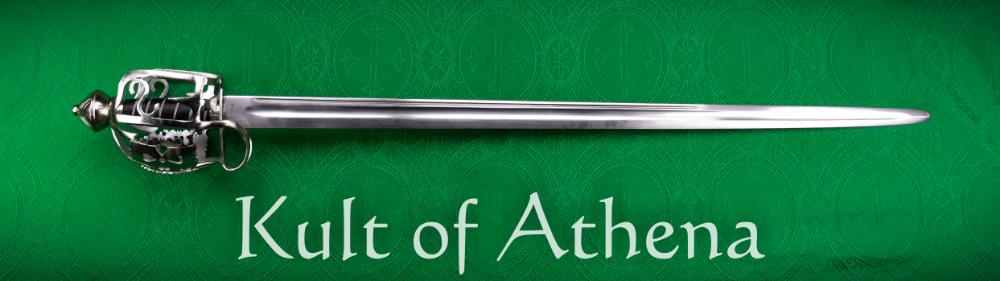
Jacobite Scottish Officer’s Basket Broadsword – Deepeeka
Back Ordered
$194.99
Join Waitlist
You must register to use the waitlist feature. Please login or create an account.- Shipping estimated at checkout
- Every blade inspected before shipping
- 30-day returns
- Blade
- C60 High Carbon Steel
- Overall Length
- 39 1/2"
- Weight
- 3 lbs 5 oz
- Brand
- Deepeeka
- Culture
- Scottish
Overview
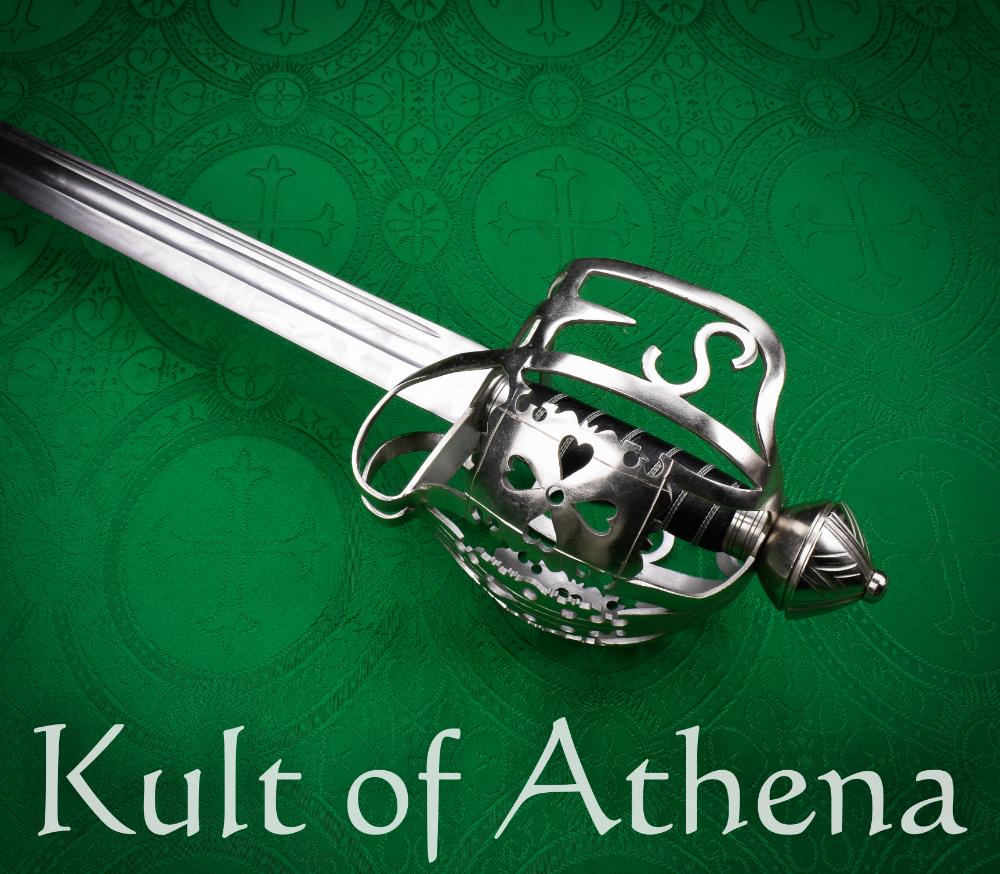
Jacobite Scottish Officer's Basket Broadsword - Deepeeka
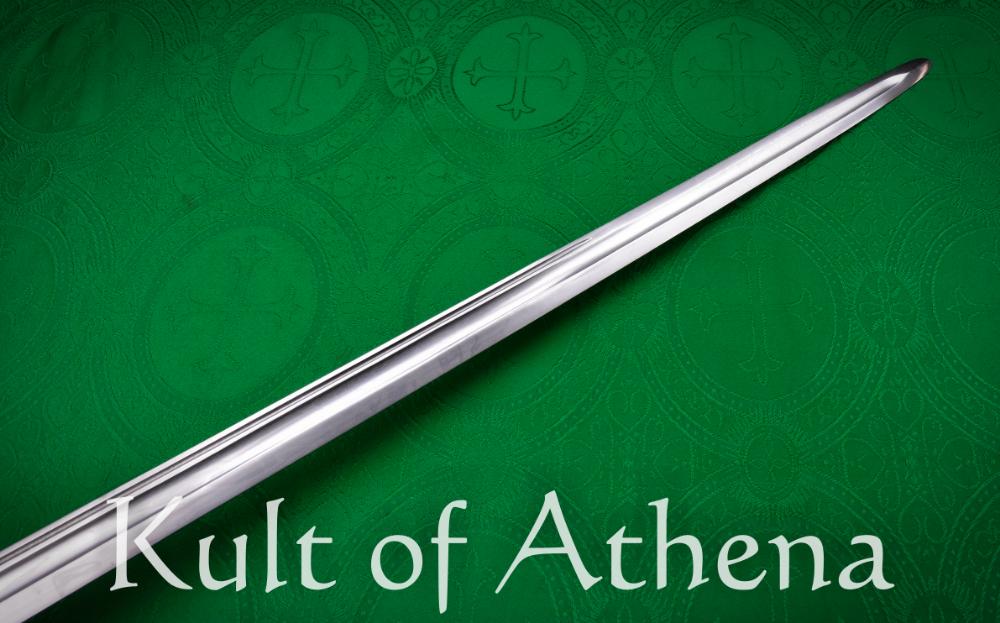
This Scottish Jacobite Basket Hilt Backsword is durably constructed with a 33 inch blade forged from C60 high carbon steel (a steel very similar to 1060 high carbon steel). The blade is tempered and the blade geometry features a thick spine that gives the blade excellent durability and mass needed to power it through a cut from its single edge. Its a practical cut and thrust design built for the rigors and expectations of hard use on the battlefield or raids. It is eminently well-suited to completing a 17th or 18th century Clansman ensemble or as a centerpiece to a Highland display or sword collection.
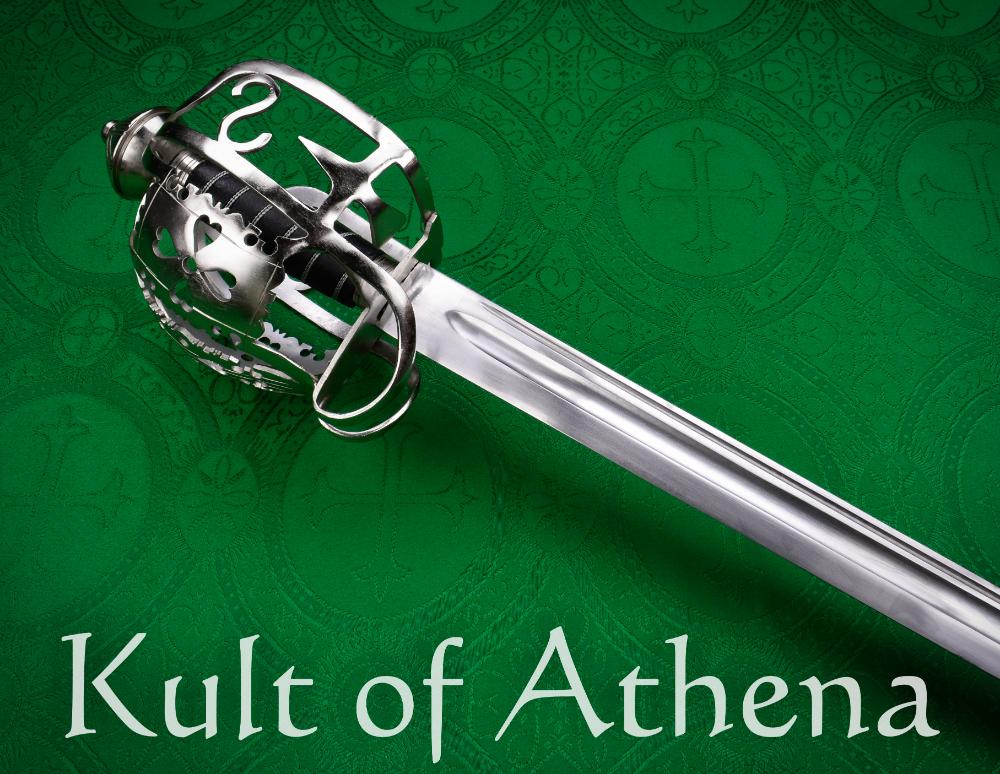
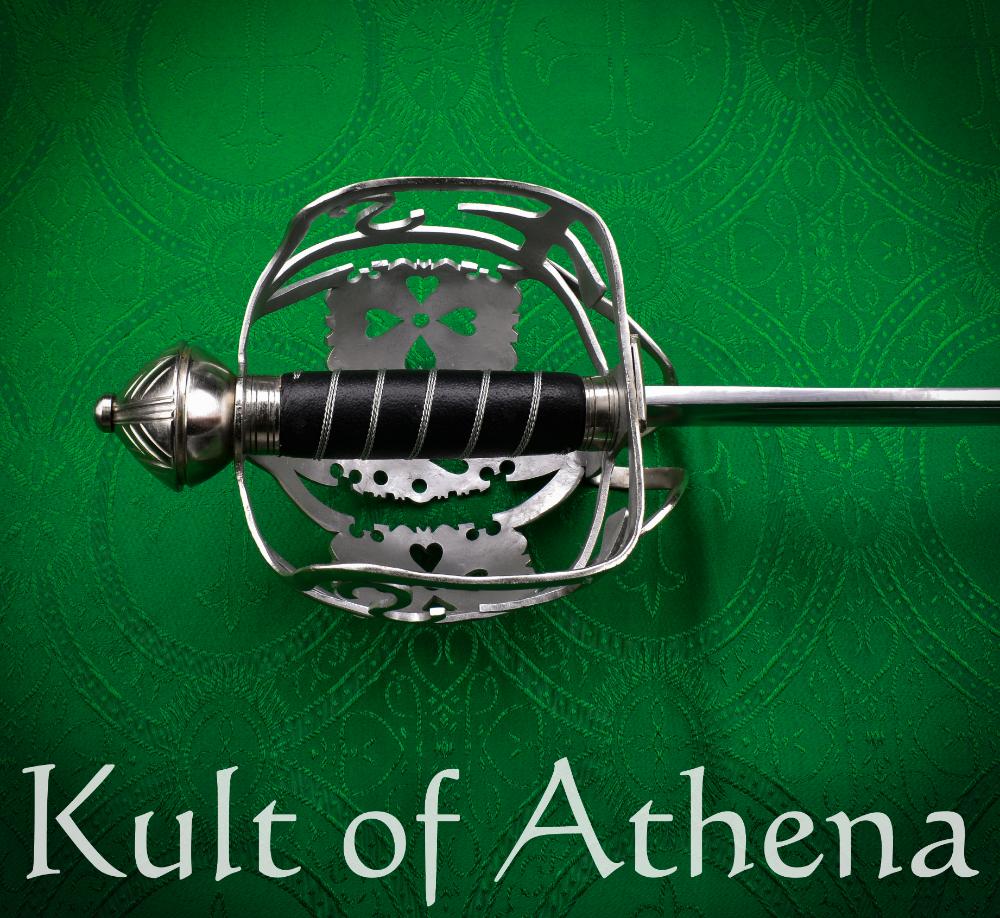
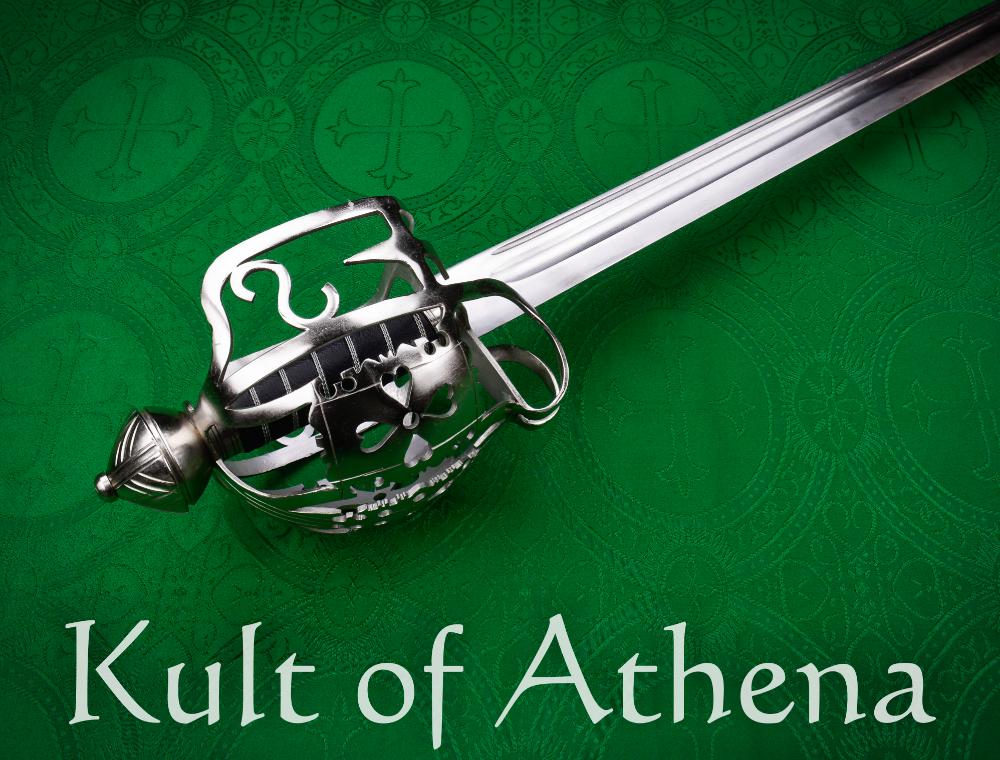
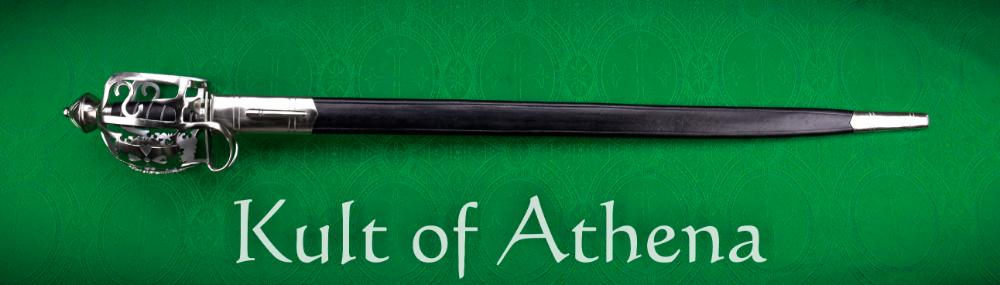
The elaborately formed basket guard is crafted from steel and the 3.75 inch grip is wood with a wrap of tight leather which is completed in spiraled steel wire. It is matched with a leather scabbard with a matching steel chape and locket.
The Highland backsword, a type of basket-hilted sword, was a vital close-quarters weapon for Jacobite clansmen during the 17th and 18th-century Risings, often paired with a targe (shield) and dirk. Renowned for its protective, fully enclosed basket hilt and durable, sharp blade, it was utilized by fighters to devastating effect in the rapid "Highland Charge," designed to break enemy lines. The blade, which frequently featured single-edged designs, allowed for powerful cutting blows against infantry. Skilled Highland warriors used the sword to deflect bayonets and engage in hand-to-hand combat, serving as both a weapon of war and a symbol of Scottish honor and defiance during the battles of 1715 and 1745
Specifications
Every measurement that matters
- Brand
- Deepeeka
- Culture
- Scottish
- Pommel
- Threaded
- Overall Length
- 39 1/2"
- Blade Length
- 33"
- Blade
- C60 High Carbon Steel
- Weight
- 3 lbs 5 oz
- Edge
- Unsharpened
- P.O.B.
- 3 7/8"
- Thickness
- 6.7 mm - 3.3 mm
- Width
- 36.4 mm
- Grip Length
- 3 3/4" (Leather Grip)
- Country of Origin
- India
Reviews
What collectors are saying
Q&A
Questions from the community
No questions yet — be the first to ask.
The Maker
Deepeeka
Deepeeka creates an astonishing variety of replica weapons, armor, and re-enactment accessories that range from Classical Antiquity to the 20th Century. Deepeeka has been crafting replicas since the 1980s and their products are essential gear for many re-enactment groups. Many swords, daggers and other weapons made by Deepeeka are durably crafted and budget-friendly offerings. The steel is good and well-tempered and their leathercraft and woodworking are of excellent quality. Deepeeka’s products are handcrafted and (in the case of blades, hand-hammered) are a good deal for those who want a quality item at a good price.
Kult of Athena is the US distributor for Deepeeka products and we offer the largest in-stock selection you will find and we will beat any price you can find. If you are searching for a particular item or find a Deepeeka item listed elsewhere that is not seen on our site let us know and if it is available we can source it for you at a better price than seen elsewhere.
Often paired together

I just received the S bar sword today. I am happily surprised with it. It is a very good low cost example of a ca. 1700 Highland backsword. There are some issues, as there are with most Highland swords currently on the market. The front end of the basket is a bit too squared off. It goes together in the fashion of later mass produced military swords, with the back ends of the basket bars being welded to a ring that the pommel meets. I really can’t find much fault with that though as it is more stable than the authentic method used on swords of the 17th and early 18th centuries and really a cosmetic difference. The basket is not horribly oversized, a disease that affects many of the available Highland swords. The scabbard is very nice and I like the fact that it hasn’t got a wood core. The decorative details are well done as well. The blade is as expected. I paid for sharpening, and it is indeed sharp. It is a sturdily built and pretty weapon, and I am very well pleased with it. Now get some of the Deepeeka Stirling hilt broadswords in stock. Also, maybe put in a word with Deepeeka about making a ribbon hilt with a broad blade. They already do the Scottish Cutlass and the hilts are similar. Anyway, Thanks for a sweet sword!