Overview
Our sharpening service will provide a good serviceable edge on the blade. The result is typically “very sharp” with a small secondary bevel and a bit of an “apple seed” profile. The resulting edge is somewhat dependent on the particular blade. Some blades will take and hold sharper edges than others and the thickness of the blade will determine how wide the bevel will need to be. We adjust the angle of the edge to suit the specific blade and attempt to get as close to a bevel-less edge as possible without marring the surface of the blade.
The Sharpening Process
The sharpening service is done with a belt sander. The process involves many passes with sanding belts of various grits. The blades are rested between passes to prevent them from becoming hot and damaging their temper. By default we will sharpen as much of the blade as possible including any false edges if appropriate. If you have a different preference, feel free to make that request in the special instructions at check out. We can sharpen only the last half or third of an edge, for example. Our sword sharpening expert has personally sharpened several thousand swords at this point, so will provide you with a professional service.
What the Service is Not
The resulting edge will be “sword sharp” not razor sharp. Our goal is to provide you with a usable edge for cutting practice that will hold up to some use and not require constant re-sharpening. In other words, we intend to provide you with a serviceable weapon, not a personal grooming implement. The service will not provide a completely bevel-less edge. To create that type of edge will necessarily scratch up the blade surface and we lack the machinery and time to provide a full re-polishing of a blade’s surface. A service of that nature would be significantly more expensive as a great deal more time would be required. We do not offer this type of service at this time.
Disclaimer
We make no guarantee that the resulting edge will meet with your expectations. Every blade is different and some will take and hold a sharper edge than others, due to the blade material, heat treatment or geometry. Some customers can also have incorrect assumptions about sword sharpness and improper expectations as a result. All we can say for sure is that the resulting edge will be sharper than the default edge, in most cases, significantly so. We can not provide any refunds for the service once it has been completed, so consider it to be provided “as is”. That being said, if you are unhappy with the product for any reason, we do still allow you to return the item for a full refund, including the sharpening costs under our normal return policy. This does not apply to special sharpening requests, for example if we sharpen something specially for you that does not normally list that option on our site. The vast majority of our customers are happy with the results of the service, so as long as you keep the above mentioned in mind, we are confident you will be pleased with the results as well.






Shannon McBride (verified owner) –
Pros:
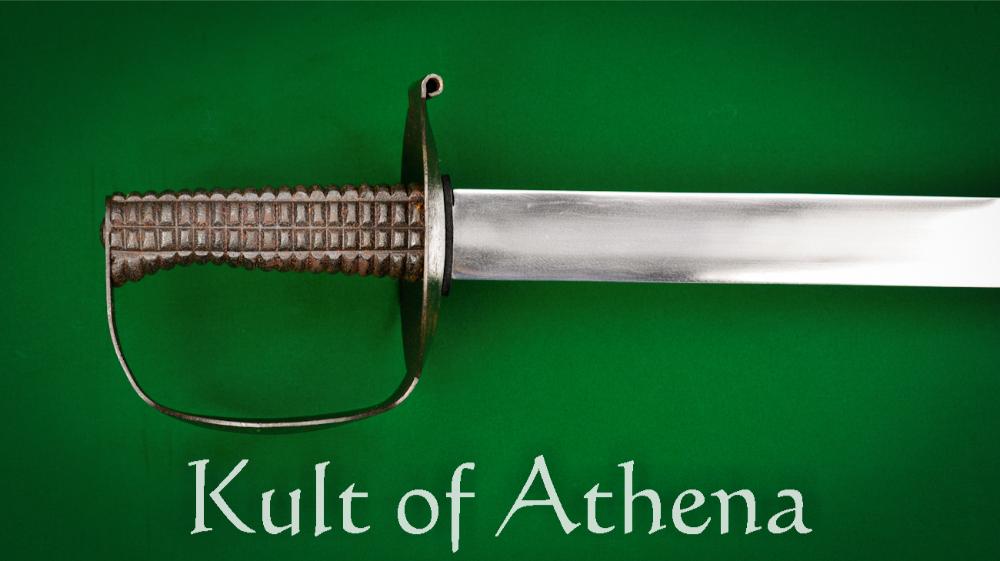
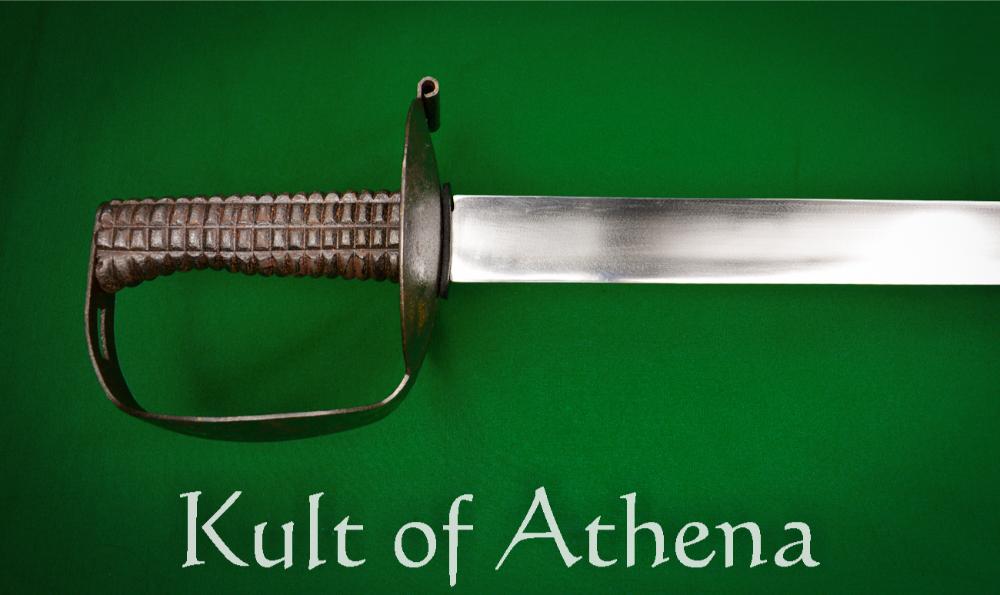
It’s a great wall hanger which is primarily why I bought it. The hilt has a nice patina as if it came off a 19th century sailing ship. I ordered “Blemished Grade” and it’s hard to tell what they consider a blemish. There’s one small void in the casting of the grip and a very small chip out of the spine of the blade directly before the tang. It doesn’t seem that either would hamper function or durability. It’s solidly constructed and seems like it would take quite a beating if I were to put it to actual use. I also ordered the sharpening service. It’s not a razor blade, but I wouldn’t expect that on this type of sword. It’s plenty sharp and probably has a better edge than any of the real examples ever saw.
Cons:
First, a couple of nitpicks: the high polish of the blade kind of contrasts with the patina of the hilt. And I’m probably going to end up using the scabbard as scrap leather. It doesn’t fit well to the sword and will blacken your hands with even a gentle touch. But a little Scotch Brite and a month or two of benign neglect will take care of the blade finish. And the real swords were rarely issued with a scabbard anyway.
But the bigger issue is that the dimensions are a bit different than the specifications page indicates. The weight is exactly as advertised, but the spine of the blade measures 5mm from tip to tang. And I measure the point of balance at just over 7 inches. I understand that a cutlass was often used as a tool to cut rigging and such, but this sword is unwieldy even if the intended use was as a machete. According to some other sources, it seems that the surviving originals are a good half pound lighter and have a POB around 5″. So I suspect that the originals are a far more nimble weapon than this one.
Conclusion:
As a wall hanger, it certainly looks the part. Even a “blemished” example has excellent fit and finish. The sharpening, packaging, and shipping services provided by Kult of Athena were top notch. However, as a weapon, the weight and extreme forward balance make it unusable. I would order again since it makes a handsome display piece. But I’d probably skip the sharpening.
Keith Dalla Valle (verified owner) –
First let me say that this is a very authentic looking 1804. Universal doses a very good job replicating the appearance of their products. It would have been nice to see blade hallmarks reproduced on this example like they usually offer on their other reproductions, but it is still very nice piece. The patination on the hilt is a bit overdone (I had to give the hilt a thorough lime-juice rinse to get the brown stains from coming off on my hands) but it results in a very authentic looking hilt assembly (and yes, it really does look a lot like an old-fashioned pineapple grenade). The distal taper on the English cutlass (1804 and 1845 models) is not as distinctive as on the French equivalents (the M1833 for example) but they were distal tapered. This reproduction appears to hardly be distal tapered at all. Though the solid cast-iron grip offsets that somewhat, it still makes for a rather heavy and slow recovering weapon. This piece almost serves as the Wilkinson Lead -Cutters served, to strengthen the sword arm and produce very impressive chopping feats. Because after some light exercises with this reproduction I can pick up my original 1845 Royal Navy and it feels like a willow wand or a fly-fishing rod in my hands! The lead cutters were based on the 1845 rather than the 1804 models, and the 1804 was a larger, heaver weapon than the 1845, but still not quite as beefy as this replica is. No doubt this piece could sever lead bars or dressed sheep carcasses with a single blow, but an original with the distal taper has better agility and handling than this replica. That being said, it is still a very well-made, solidly built and aesthetically pleasing and accurate looking example of this iconic boarding cutlass.