


Polypropylene Practice Ninja-to
In stock
$18.99
- Shipping estimated at checkout
- Every blade inspected before shipping
- 30-day returns
- Blade
- Polypropylene
- Overall Length
- 34 1/2''
- Weight
- 11.4 oz
Overview
Polypropylene Practice Ninja-to
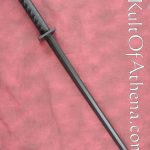
Made from strong polypropylene plastic, this training ninja-to is fit for practice and costume. The grip is molded to simulate the fittings and texture of a tsuka-ito wrap and rayskin beneath.
Specifications
Every measurement that matters
- Edge
- N/A
- Pommel
- N/A
- Overall Length
- 34 1/2''
- Blade Length
- 24 1/2''
- Blade
- Polypropylene
- Weight
- 11.4 oz
- P.O.B.
- 7/8'''
- Thickness
- 13.6 mm - 9.7 mm
- Width
- 26.9 mm
- Grip Length
- 7 3/4''
- Country of Origin
- Taiwan
- Type
- Bokken
Reviews
What collectors are saying
Q&A
Questions from the community
Q What is this practice ninja-to made of, and is it safe to train with? Common Question
This is molded from polypropylene plastic rather than steel or wood, giving it a tough, flexible feel that holds up to repeated handling and practice movements. It has no live edge or cutting ability, making it a safe option for solo forms, drills, and costume use rather than a bladed weapon.
Q What is this sword best used for? Common Question
This piece is built for solo kata practice, technique drills, and display or costume use, not for cutting or contact sparring. The one-piece polypropylene build keeps it light and low-maintenance for repeated practice sessions.
Q Does the grip really look like a wrapped Japanese hilt? Common Question
Yes, the handle is molded in a diamond crosshatch pattern to mimic a traditional tsuka-ito cord wrap, with a textured underlayer that stands in for rayskin. The pommel cap also carries an embossed emblem design, giving it the look of a traditional mounted sword.
Q Where does this sword balance, and what does that mean for handling? Common Question
The point of balance sits close to the guard, about 7/8 inch out from it. That keeps the weight centered near the hand, making the sword quick and responsive for practicing cuts, strikes, and forms rather than feeling blade-heavy.
Q Does the blade taper at all, or is it a uniform thickness? Common Question
The blade tapers from 13.6 mm near the guard down to 9.7 mm toward the tip. This graduated thickness is typical of practice blades built to mimic the feel and profile of a real sword in the hand.
Q How long is this sword overall, and will it fit someone practicing ninja-to or shorter sword forms? Common Question
It measures 34 1/2 inches overall, with a 24 1/2 inch blade and a 7 3/4 inch grip. That proportion matches the shorter, straighter profile associated with ninja-to style swords, making it suited to practitioners training in that style.
Q How much does it weigh, and does that affect practice? Common Question
This practice sword weighs 11.4 oz, which is light compared to a steel blade of similar length. That lighter weight suits extended solo practice and repetition of forms without the fatigue of handling a weighted blade.
Q How do I take care of this sword? Common Question
Since it's molded polypropylene rather than steel, it won't rust and doesn't need oiling. A simple wipe-down to remove dust or grip residue after practice, along with dry storage, is all it needs to keep its finish looking good.
Q Can I use this for cutting practice on targets like tatami or water bottles? Common Question
This sword is built for forms and solo practice rather than cutting material targets such as tatami or water bottles, since it has no live edge and is made from polypropylene rather than a cutting-grade steel. For cutting practice, a sharpened or blunted steel blade suited to that purpose is the better choice.
Often paired together
Mixed Bag The sword is too light, and the point of balance is extremely close to the hand, at roughly and in and a half to two inches. The tip was too sharp, and I had to sand it down, but this didn’t take too long. It’s fun to use, and it’s relatively durable (although the guard broke when I was sparring with my partner). The amount of flex isn’t too much or too little, if you have at least basic protection. Over all, it’s too light to be realistic, but it’s durable and has the right amount of flex. Worth $16 dollars, to be sure.