
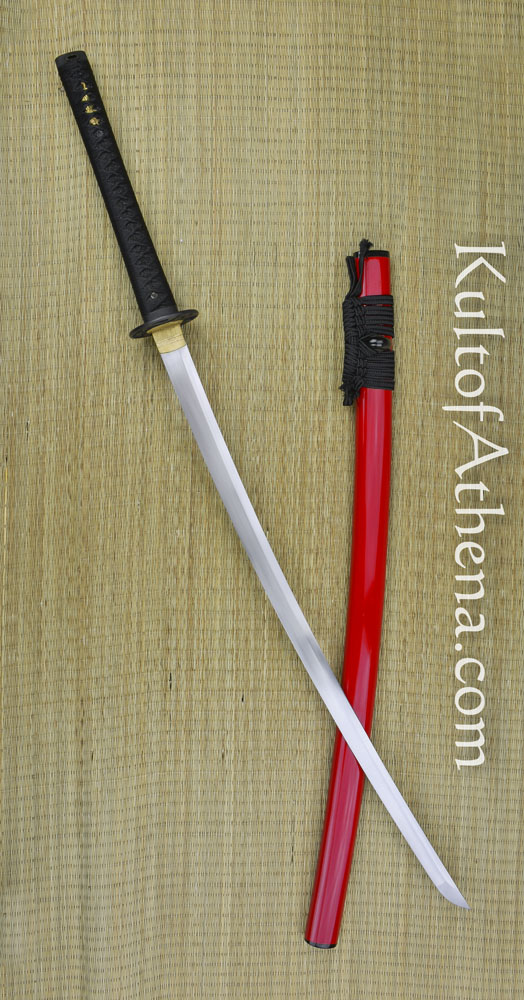
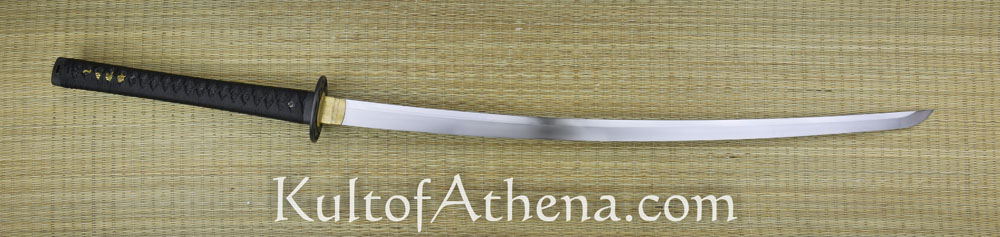
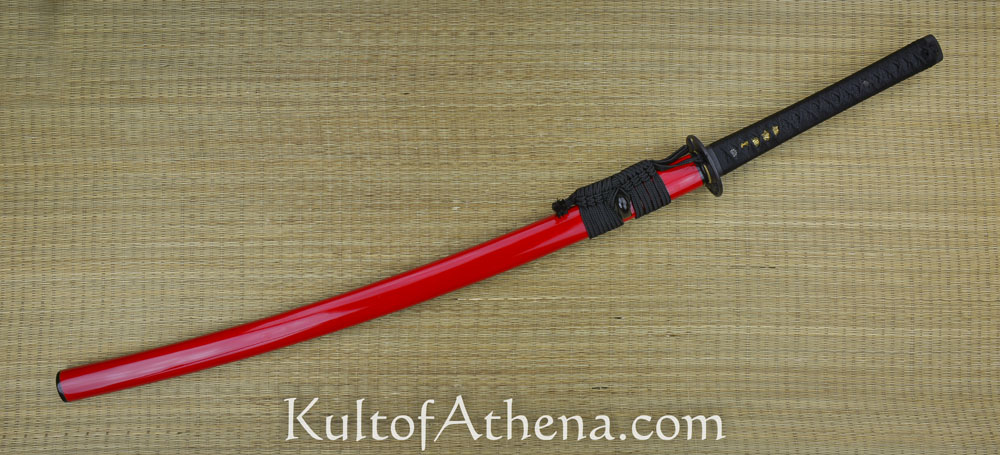
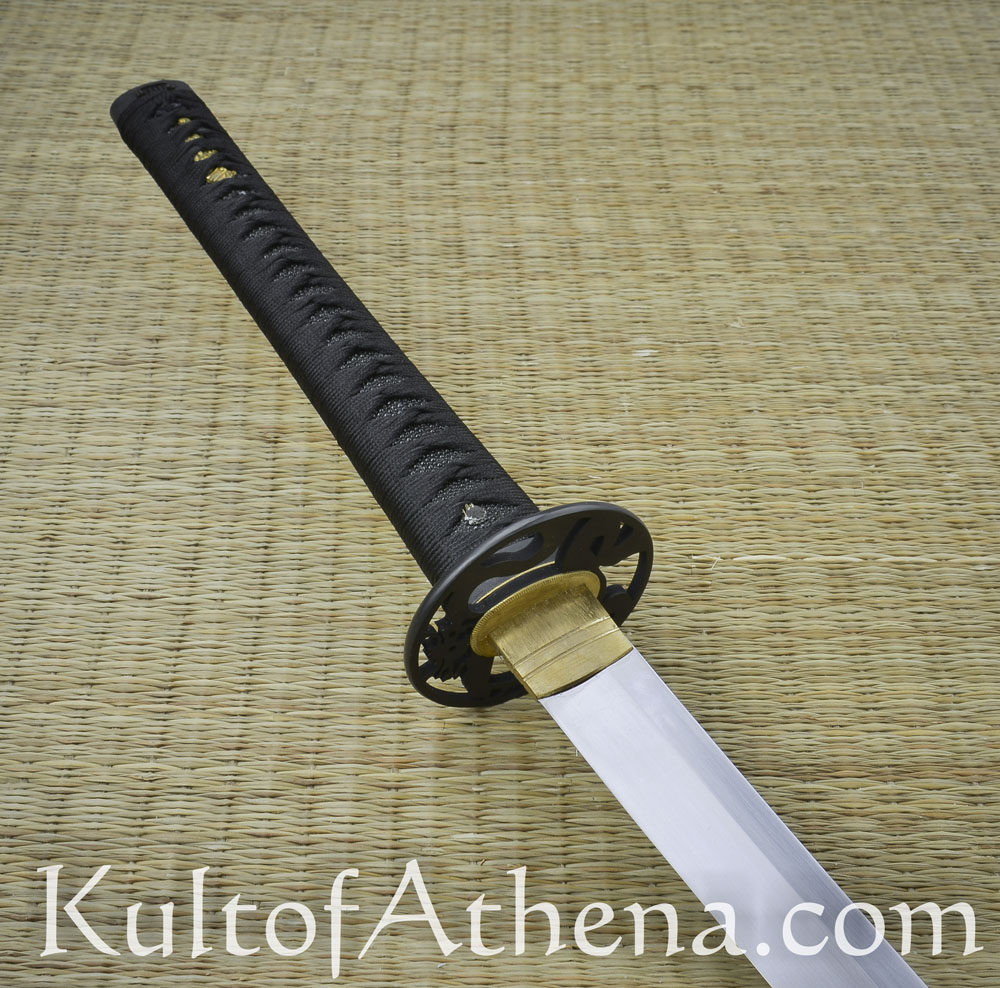
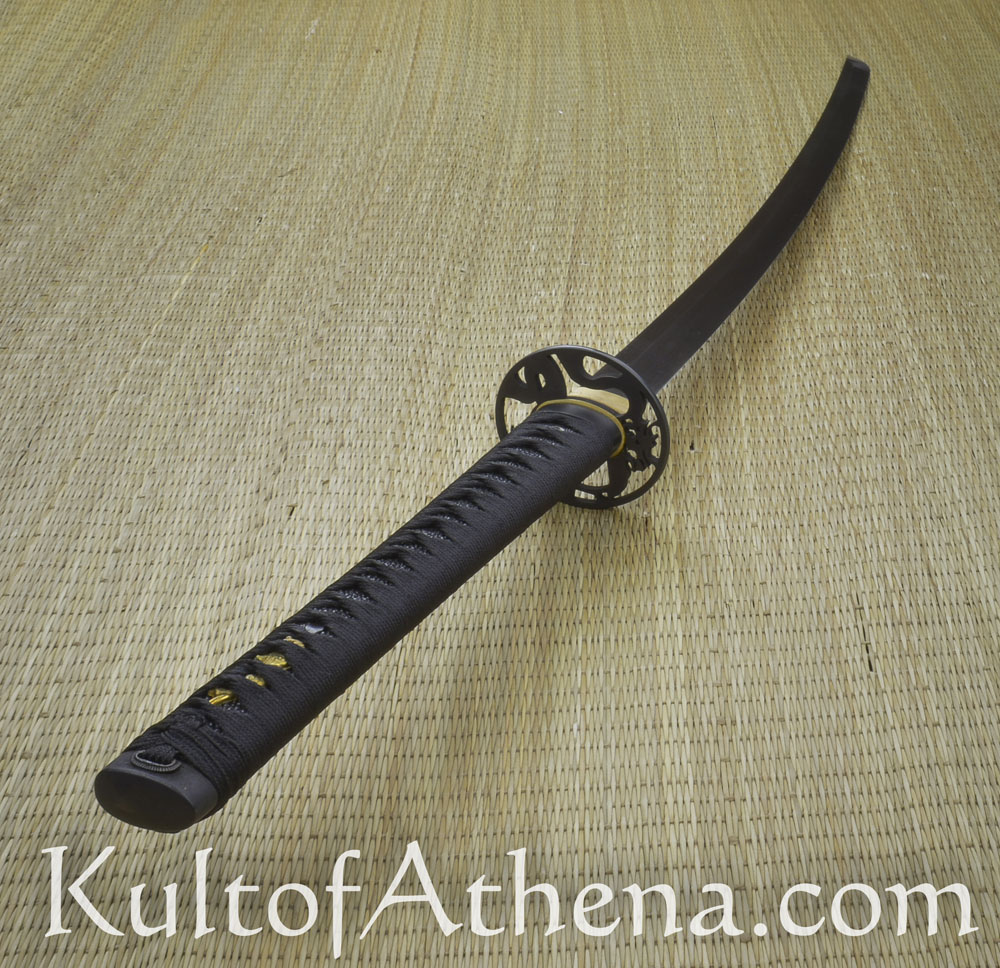
Ronin Katana Dojo-Pro Model 14
In stock
$335.00
- Shipping estimated at checkout
- Every blade inspected before shipping
- 30-day returns
- Blade
- 1060 High Carbon Steel
- Overall Length
- 42 1/8''
- Weight
- 2 lb 9.8 oz
- Brand
- Ronin Katana
- Culture
- Japanese
Overview
Ronin Katana Dojo-Pro Model 14
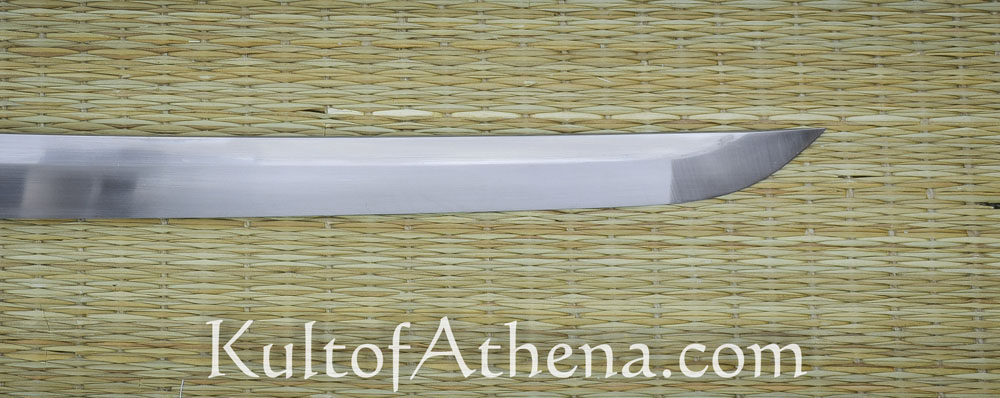
This Ronin Katana has a sharp, 1060 high carbon steel blade that has been through-hardened. The blade was crafted after the dotanuki style, which emphasized function over aesthetic form. It is characterized by katana blades that are both wide and thick-spined for maximum cutting damage and durability. Its name is a testament to this ability, as dotanuki means sword that cuts through torsos.
The Dotanuki style swords were favored by daimyo Kato Kiyomasa when he invaded Korea - his personal retinue were equipped with such swords and he brought along smiths who specialized in the Dotanuki geometry to keep his army well-outfitted. These sword blades, when compared to more aesthetic katana styles were at the height of their popularity in periods of war, and this popularity predictably faded as Japan left its conflicted feudal past for the more peaceful Edo period.
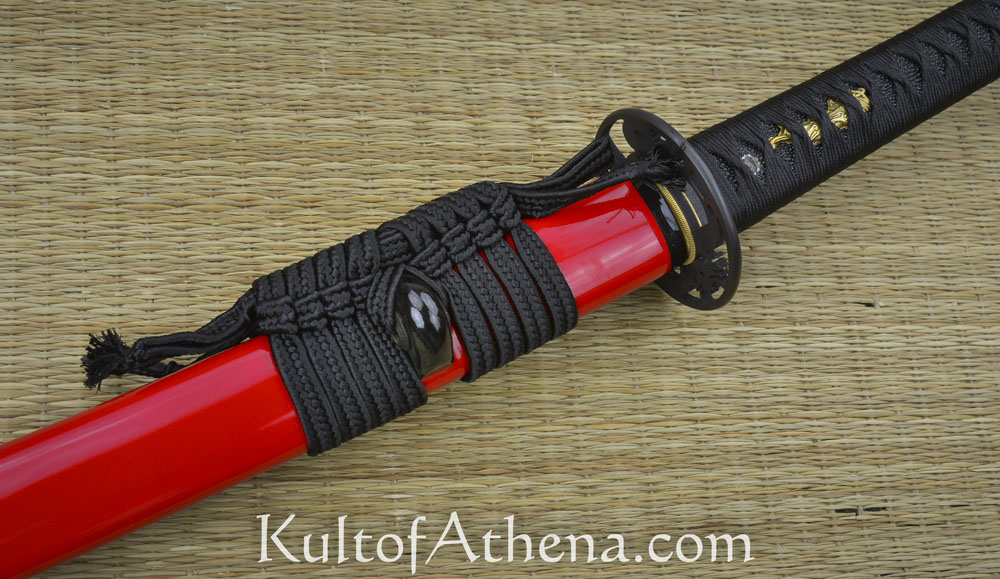
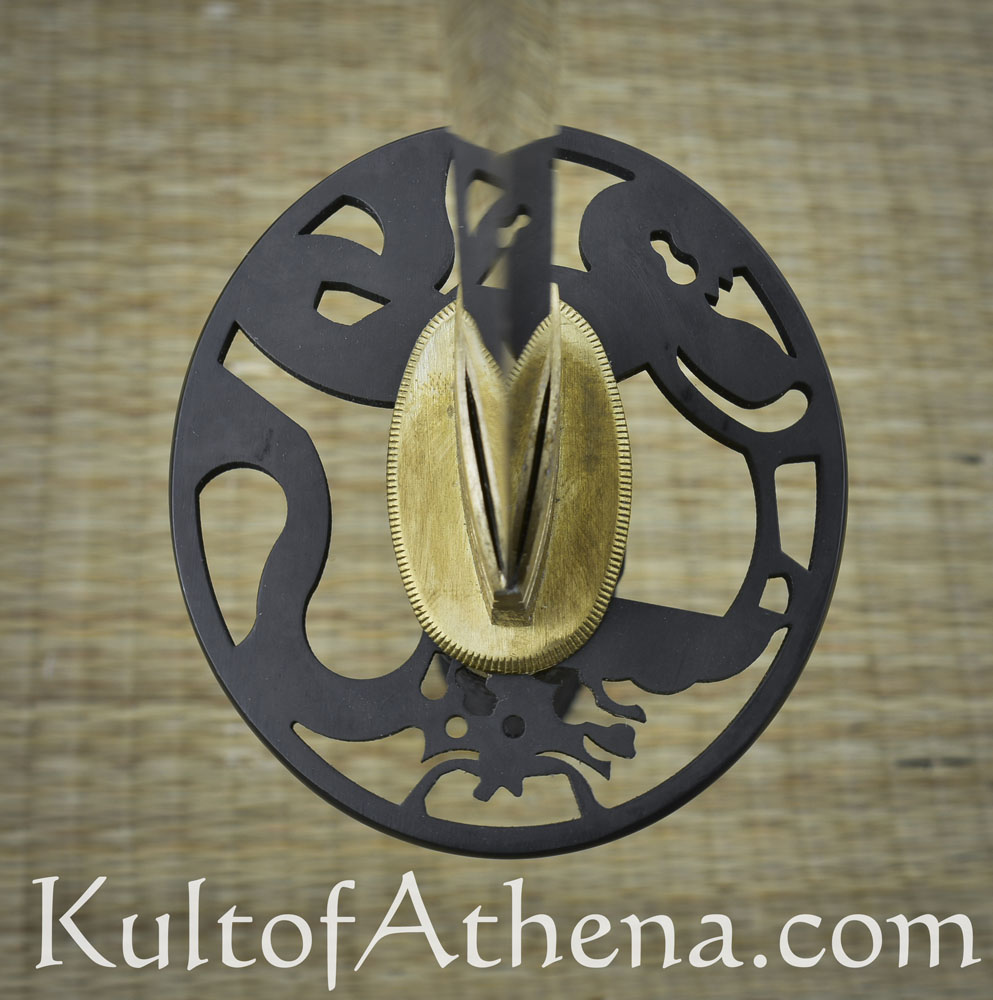
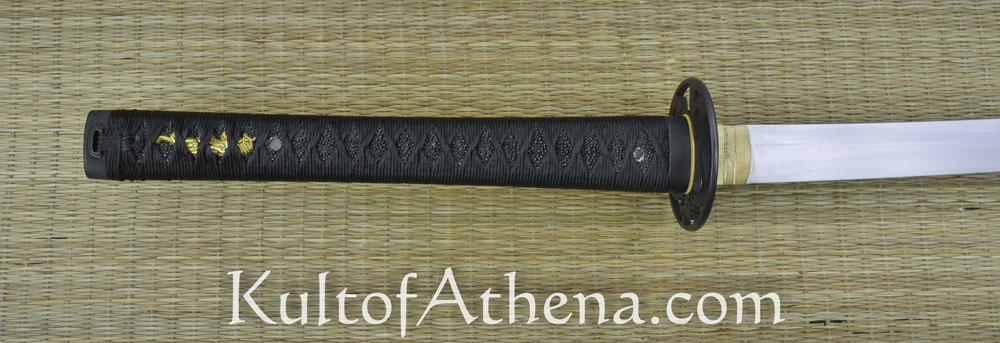
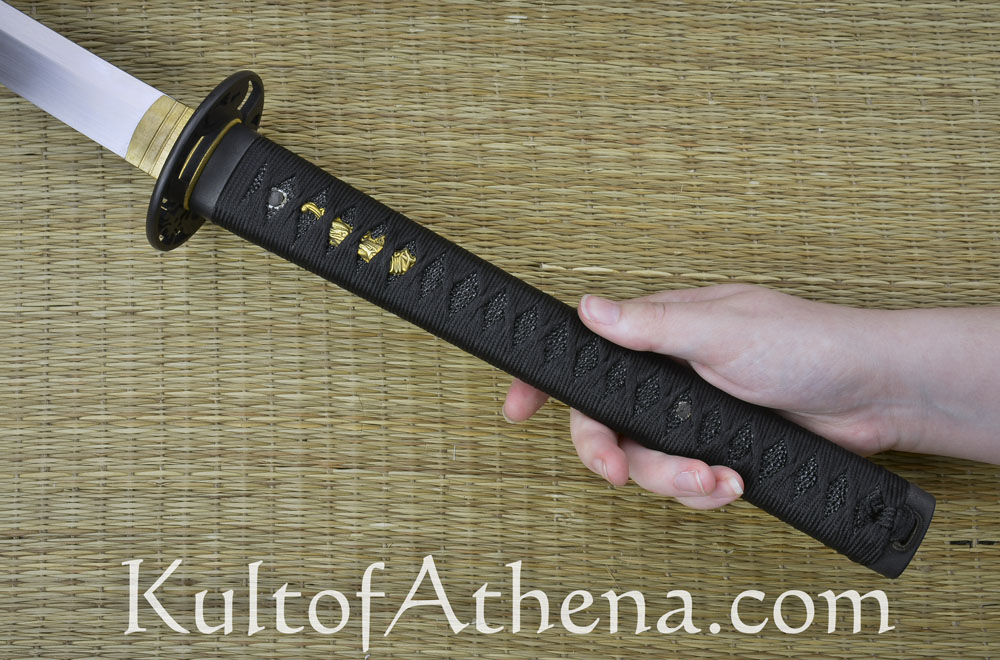
The fittings of this katana; the tsuba, fuchi and kashira are of black iron. The seppa and habaki are of brass. The wooden grip is wrapped with rayskin and overlaid with tightly twisted silk tsuka-ito cord. Two brass menuki are woven into the grip. The wooden saya scabbard is coated with red lacquer. Its Kojiri, Koiguchi and Kurigata are of polished buffalo horn. A sageo cord of silk is knotted to the saya. Comes with a black cloth sword bag.
This type of sword is considered a dedicated cutting katana by Ronin Katana and well suited for cutting against traditional targets.
Specifications
Every measurement that matters
- Brand
- Ronin Katana
- Culture
- Japanese
- Edge
- Sharp
- Pommel
- N/A
- Overall Length
- 42 1/8''
- Blade Length
- 29 1/2''
- Blade
- 1060 High Carbon Steel
- Weight
- 2 lb 9.8 oz
- P.O.B.
- 4 7/8''
- Thickness
- 8.1 mm - 5.9 mm
- Width
- 31.5 mm
- Grip Length
- 11''
- Country of Origin
- China
- Type
- Katana
Reviews
What collectors are saying
Q&A
Questions from the community
Q What is this katana designed to do? Common Question
This is a dedicated cutting sword built in the dotanuki style, which favors a wide, thick-spined blade for maximum cutting power and durability over refined aesthetics. It carries a sharp, through-hardened 1060 high carbon steel blade and is rated Battle Ready, making it suited for cutting practice against traditional targets like tatami mats and water bottles.
Q Does this sword ship sharp, and what can I cut with it? Common Question
Yes, the edge on this katana is sharp. It is built as a cutting sword in the dotanuki tradition, with a wide, thick blade meant for cutting traditional targets such as tatami mats and water bottles.
Q Is the tang full length, and is this a sturdy build? Common Question
This katana uses traditional Japanese construction, where the tang runs roughly three-quarters of the length of the grip and is secured with bamboo pegs rather than extending the full grip length with rivets. That's the standard, time-tested way katana are built and differs from the full-width, riveted tang found on tactical-style swords; it's a durable method when paired with the thick, dotanuki-style blade geometry used here.
Q Does the blade have a temper line, and what does it tell me about the steel? Common Question
The blade is through-hardened 1060 high carbon steel, and it carries a polished temper line along its length. Because it's through-hardened rather than differentially hardened, the blade is made to flex and return straight, which suits the demands of a dedicated cutting sword.
Q What are the handle and scabbard fittings made of? Common Question
The tsuba (guard), fuchi, and kashira are black iron, while the seppa and habaki are brass. The wooden grip is wrapped in rayskin under tightly twisted silk tsuka-ito cord with two woven brass menuki, and the wooden saya is finished in red lacquer with buffalo horn kojiri, koiguchi, and kurigata, plus a silk sageo cord and a black cloth storage bag.
Q How should I take care of this sword? Common Question
Wipe the blade down after handling and apply a light coat of oil to the 1060 high carbon steel to prevent rust, since it is a sharp, high-carbon blade that will corrode if left damp or bare. The lacquered wooden saya looks great for display and carry, but it traps moisture, so for long-term storage keep the blade out of the scabbard in a dry place.
Q What's the point of balance, and what does it mean for handling? Common Question
The point of balance sits at 4 7/8 inches from the guard. That places the balance point closer to the blade, which suits the dotanuki-style design here, giving the cutting edge more authority for cutting work rather than quick, blade-light maneuvering.
Q How big and heavy is this sword overall? Common Question
Overall length is 42 1/8 inches, with a 29 1/2 inch blade and an 11 inch grip long enough for a two-handed hold, and it weighs 2 lb 9.8 oz. The blade tapers from 8.1 mm thick at the base to 5.9 mm near the tip, consistent with the wide, thick-spined dotanuki profile built for durable, forceful cutting.
The Maker
Ronin Katana
Ronin Katana offers the largest selection of Samurai swords. After traveling to Longquan city, founder Chris Scoggin dedicated years to crafting a line of revolutionary Japanese and European swords.
Often paired together
Test/Review https://www.youtube.com/watch?v=tO-Tk_TVLTk – this is a test of the sword. I thought it was nice.