




Hanzo Steel – Zombie Apocalypse – Ronin Katana
In stock
$275.00
- Shipping estimated at checkout
- Every blade inspected before shipping
- 30-day returns
- Blade
- 1060 High Carbon Steel
- Overall Length
- 42''
- Weight
- 2 lb 8.5 oz
- Brand
- Ronin Katana
- Culture
- Japanese
Overview
Hanzo Steel - Zombie Apocalypse - Ronin Katana
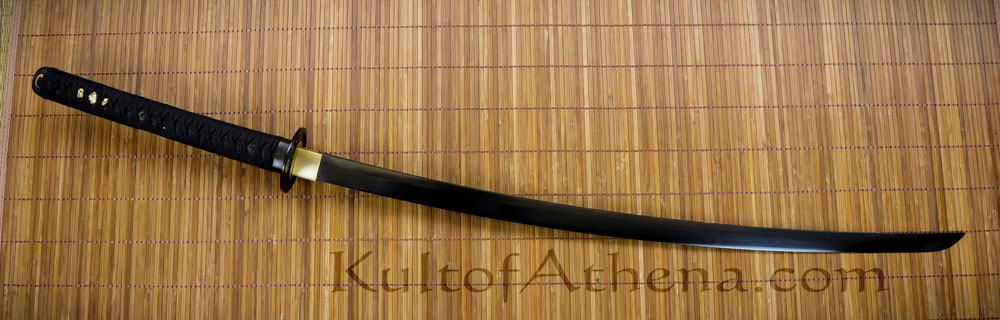
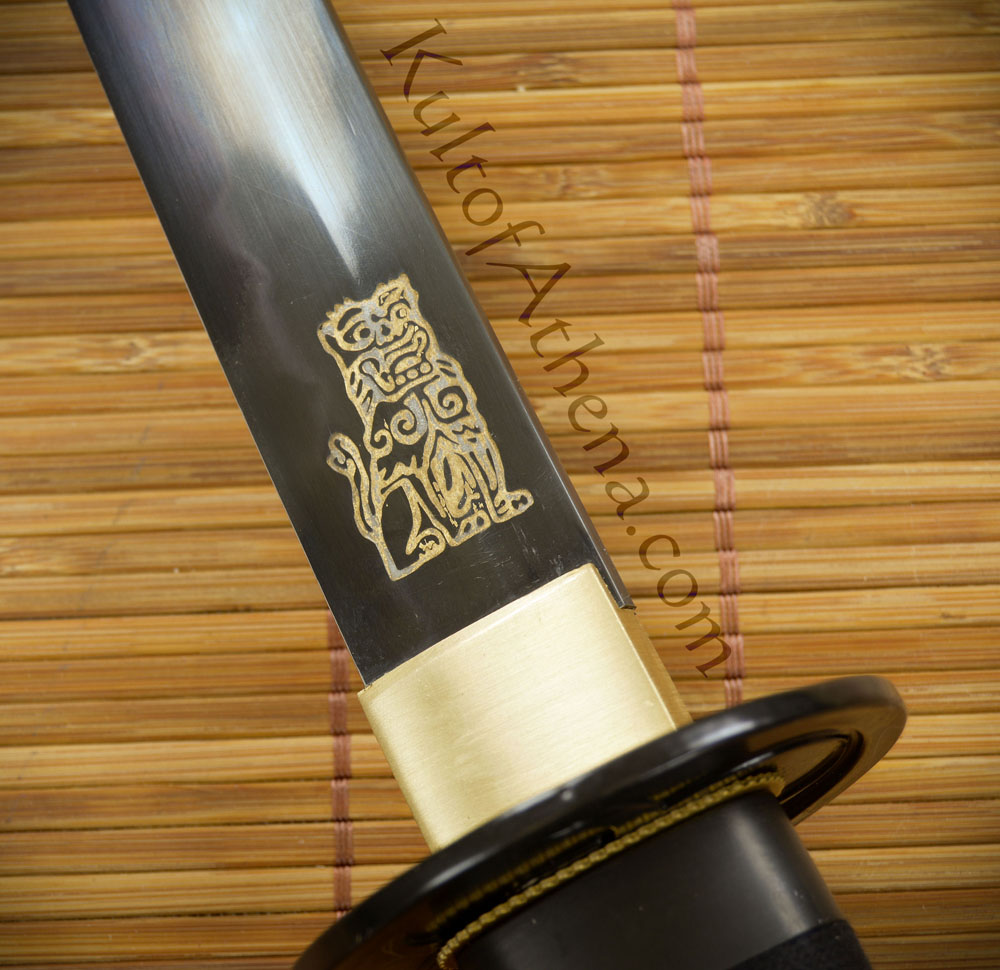
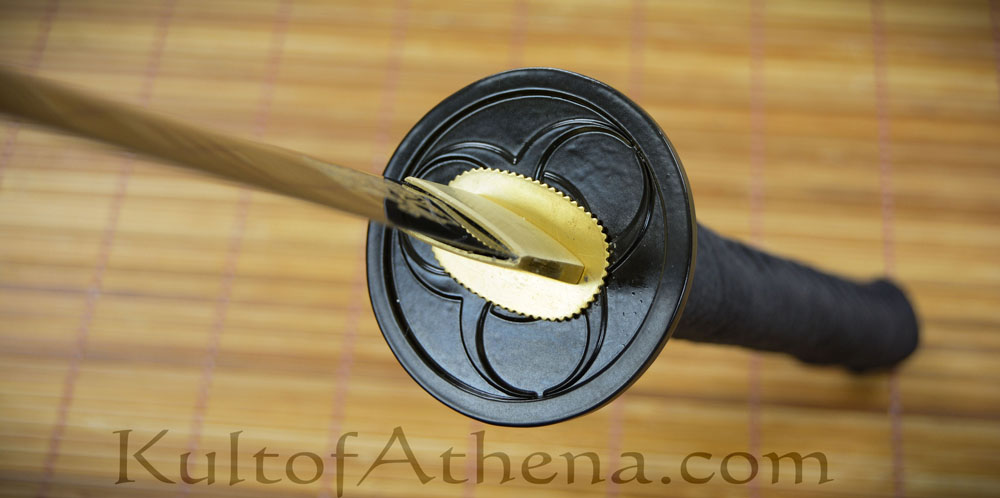
The Zombie Apocalypse Katana has a sharpened blade of 1060 high carbon steel with a darkened titanium coating; the blade was differentially-tempered to give it a harder edge and a real hamon. The habaki and seppa are brass and the tsuba, fuchi and kashira grip fittings are blackened metal.
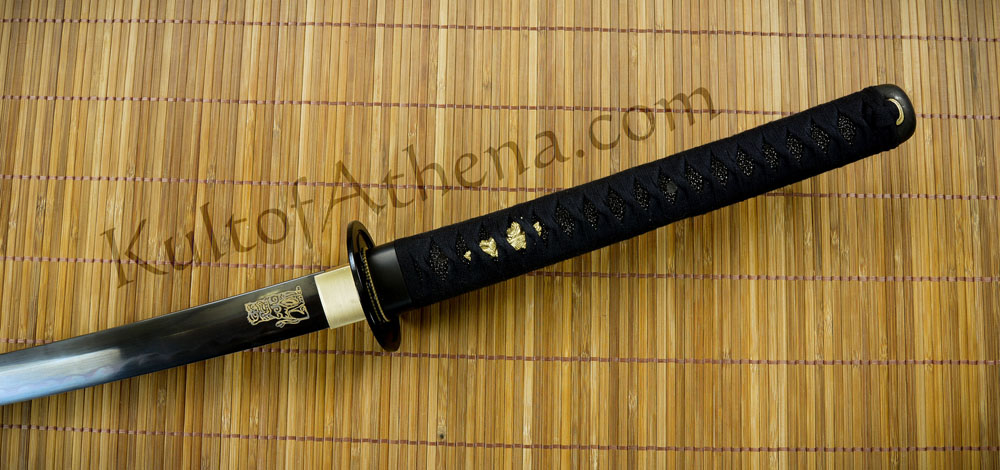
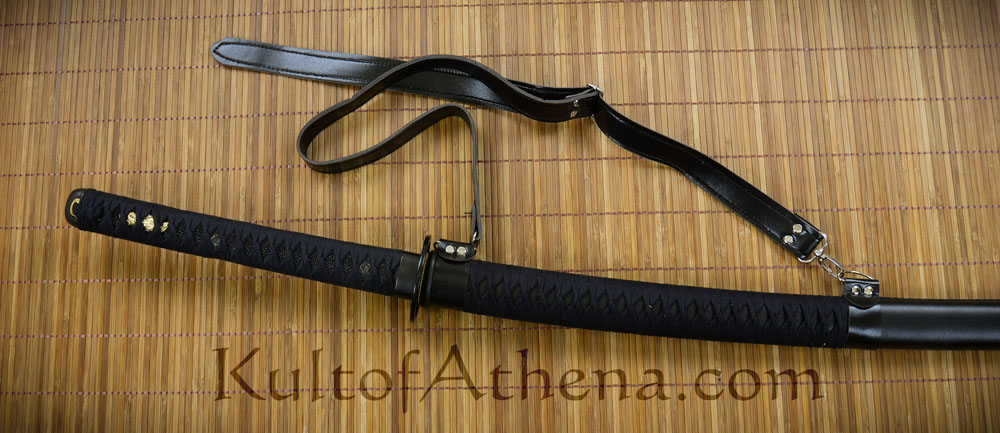
The wooden grip is fitted with inlaid panels of blackened rayskin and was wrapped with black cotton ito. A pair of brass menuki are fitted beneath the folds of the ito.
The saya scabbard is crafted from wood overlaid with leather and black cotton ito. A faux leather adjustable backstrap is included.
Specifications
Every measurement that matters
- Brand
- Ronin Katana
- Culture
- Japanese
- Edge
- Sharp
- Pommel
- N/A
- Overall Length
- 42''
- Blade Length
- 29 5/8''
- Blade
- 1060 High Carbon Steel
- Weight
- 2 lb 8.5 oz
- P.O.B.
- 6 3/4''
- Thickness
- 7.1 mm - 3.3 mm
- Width
- 31.5 mm
- Grip Length
- 10 7/8''
- Country of Origin
- China
- Type
- Katana
Reviews
What collectors are saying
Q&A
Questions from the community
Q What is this katana meant for, and can it actually cut? Common Question
This is a Battle Ready katana with a sharpened 1060 high carbon steel blade, built for live cutting practice on targets like tatami mats and water bottles as well as display. The differential heat treatment gives the edge genuine hardness while keeping the spine tougher, which is the traditional approach for a blade meant to take impact without chipping.
Q What does the hamon on this blade mean, and is it real? Common Question
The blade is differentially hardened, meaning the edge and the spine are tempered to different hardness levels, and this produces a genuine hamon rather than an acid-etched or painted line. You can see the wavy temper line along the polished portion of the blade near the habaki in the photographs.
Q Is the tang full length, and how is the handle attached? Common Question
Like most traditional katana, the tang (nakago) runs roughly three-quarters of the length of the grip rather than all the way to the pommel, and it's secured with bamboo pegs (mekugi) through the handle. This is the traditional and most common katana construction, distinct from the full-width, riveted tangs you see on tactical-style katana.
Q Where does this sword's balance sit, and what is that good for? Common Question
The point of balance sits 6 3/4 inches out from the handle, which keeps weight forward enough in the blade to carry momentum into a cut while still being manageable for one or two-handed technique. That balance point, paired with the katana's curved, differentially hardened blade, suits it well to cutting practice as well as display.
Q What's included with the sword, and how is the scabbard set up for carry? Common Question
The katana comes with a matching saya (scabbard) built from wood overlaid with leather and wrapped in black cotton ito, plus an adjustable faux leather backstrap/strap for carrying the sword slung over the shoulder. The scabbard's metal mounting hardware is fitted specifically for attaching that strap, as shown in the photographs.
Q How should I care for the blade and fittings? Common Question
Wipe the blade down after handling and apply a light coat of oil to the steel to prevent rust, since it ships sharp and is 1060 high carbon steel, which will corrode if left unprotected. Store the sword outside its saya for the long term, since scabbards trap moisture against the blade; the saya is best used for carrying and short-term display rather than storage. The darkened titanium coating on the blade and the blackened metal fittings should be kept dry as well to preserve their finish.
Q What are the grip and fittings made of? Common Question
The grip is wood, inlaid with blackened rayskin panels and wrapped in black cotton ito, with a pair of brass menuki tucked beneath the wrap. The habaki and seppa are brass, while the tsuba, fuchi, and kashira are blackened metal, giving the whole mount a dark, matched look as seen in the photographs.
Q Is this sword safe to spar or do contact cutting drills with? Common Question
No. This katana ships with a sharpened edge and is built for solo cutting practice on targets like tatami and water bottles, not for sparring or any contact use against another person or opponent.
The Maker
Ronin Katana
Ronin Katana offers the largest selection of Samurai swords. After traveling to Longquan city, founder Chris Scoggin dedicated years to crafting a line of revolutionary Japanese and European swords.
Often paired together
No reviews yet. Only logged in customers who have purchased this product may leave a review.