







Dragon King – Fletching Katana
In stock
$409.99
- Shipping estimated at checkout
- Every blade inspected before shipping
- 30-day returns
- Blade
- 65 Mn High Carbon Steel
- Overall Length
- 42 1/4''
- Weight
- 2 lb 12.7 oz
- Brand
- Dragon King
- Culture
- Japanese
Overview
Dragon King - Fletching Katana
This katana hearkens to the ancestral days of the samurai, who mastered the arts of horse archery and held the skills of the Yumi bow and and horsemanship as the hallmarks of their warrior class. Archery against mobile opponents is difficult enough on foot, but to lay low the foe upon the back of the galloping horse is a monument to supreme concentration and innate prowess of arms.
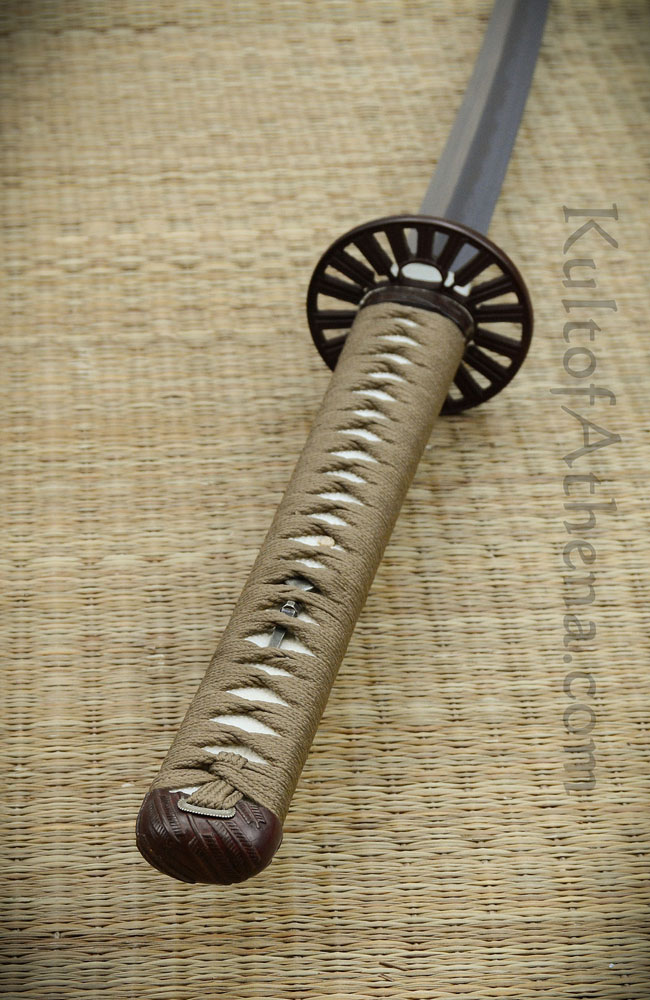
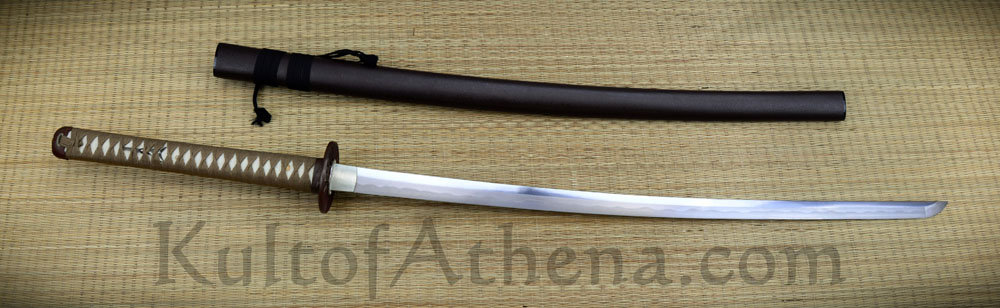
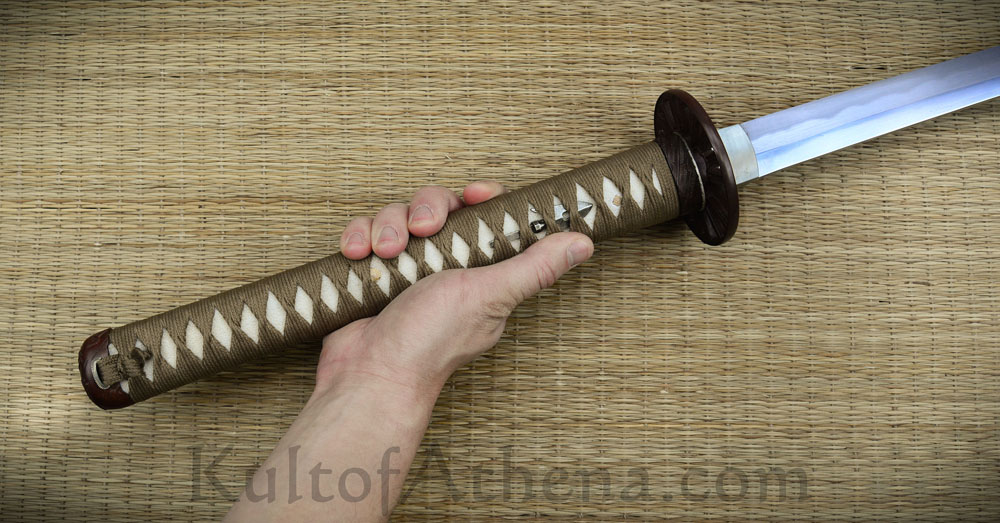
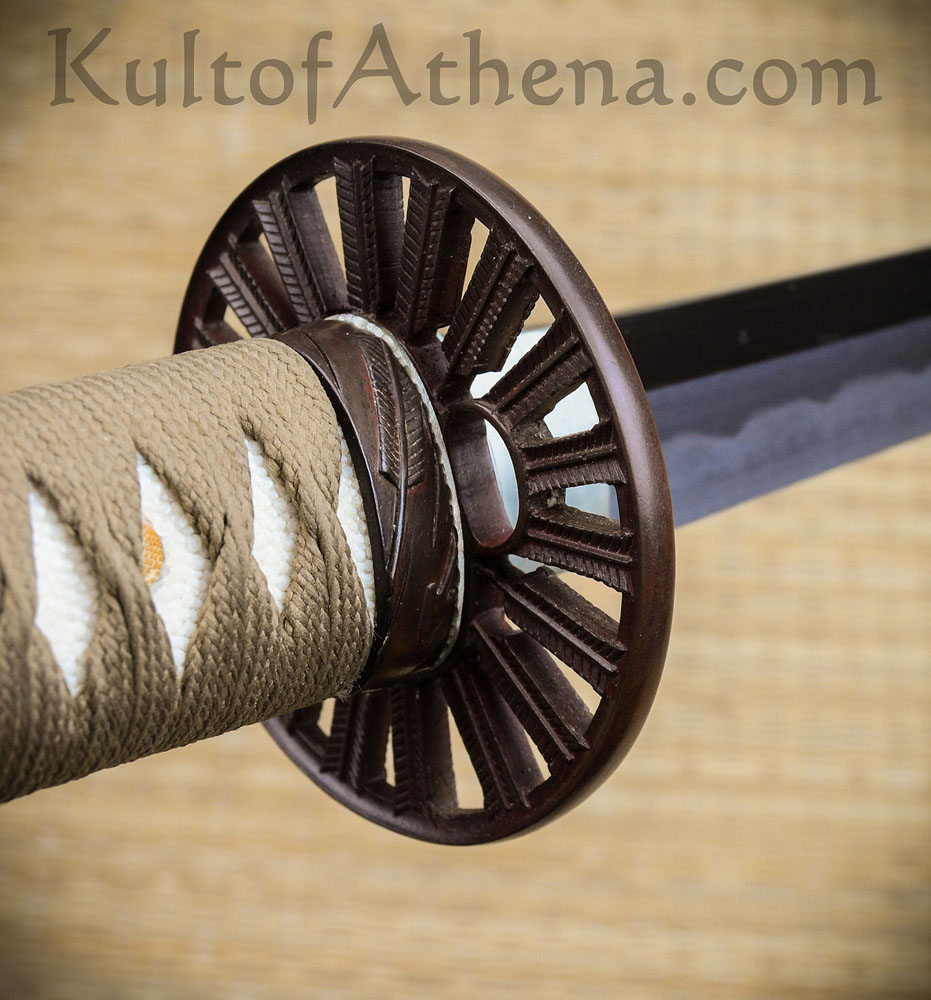
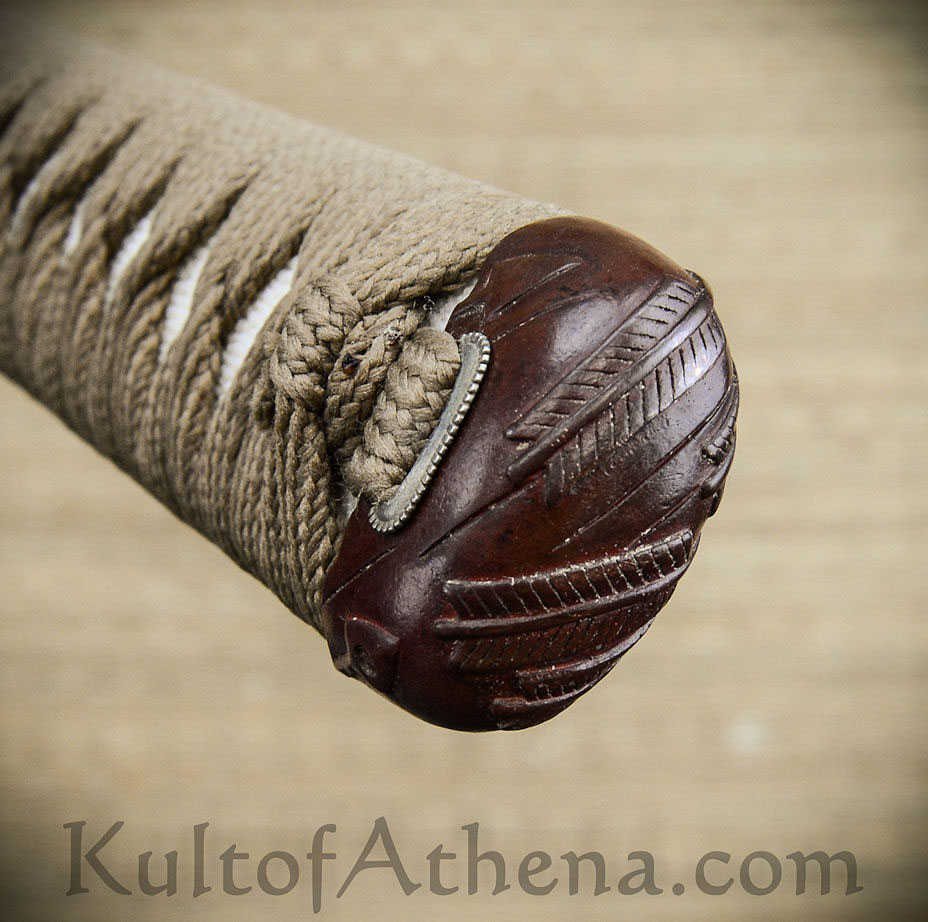
The blade of this katana is forged from 65Mn high carbon steel; it has been differentially hardened to imbue the blade with a hardened edge denoted by a sinuous hamon. The habaki and seppa are silvered and the tsuba, fuchi and kashira hilt fittings are crafted from a copper and nickel alloy. The wood tsuka grip is paneled with rayskin and overlaid in knotted tsuka ito cordage. Two arrowhead menuki are woven beneath the ito cords.
The saya scabbard is of wood with buffalo horn fittings; it is finished with a textured brown lacquer and a black cord sageo. The sword comes with a cloth sword bag.
Specifications
Every measurement that matters
- Brand
- Dragon King
- Culture
- Japanese
- Edge
- Sharp
- Pommel
- N/A
- Overall Length
- 42 1/4''
- Blade Length
- 29 1/4''
- Blade
- 65 Mn High Carbon Steel
- Weight
- 2 lb 12.7 oz
- P.O.B.
- 4 3/4''
- Thickness
- 7 mm- 4.2 mm
- Width
- 30.4 mm
- Grip Length
- 11 1/2''
- Country of Origin
- China
- Type
- Katana
Reviews
What collectors are saying
Q&A
Questions from the community
Q What is the blade made of, and is it differentially hardened? Common Question
The blade is forged from 65Mn high carbon steel and is differentially hardened, meaning the edge is brought to a harder temper than the spine. That process produces the sinuous, polished hamon line visible along the edge, which is both a functional and visual signature of traditional katana construction.
Q Does this katana ship sharp? Common Question
Yes, the edge on this sword is Very Sharp, and it falls under our Battle Ready classification, meaning it is built from durable materials suited to real cutting work and not just a wall-hanger. Because it carries a live edge, it should be handled with the same care and respect as any sharp blade.
Q What is this sword good for cutting? Common Question
With its sharp edge and durable 65Mn high carbon steel blade, this katana is built for test cutting on targets like tatami mats and water bottles. It also serves well as a display piece, given the detailed traditional fittings and hamon.
Q Is this a full-tang katana? Common Question
This katana follows traditional Japanese construction, where the tang (nakago) runs roughly three-quarters the length of the grip rather than all the way through to the pommel. It is held in place by bamboo pegs (mekugi) passing through the tsuka, which is the standard and historically authentic method for mounting a katana blade, rather than the riveted full-width tang seen on some modern tactical swords.
Q What is the point of balance like, and what is it good for? Common Question
The point of balance sits 4 3/4 inches forward of the guard, which keeps the sword lively in the hand while still carrying enough presence in the blade for confident cutting. This balance point suits a katana meant for both handling practice and cutting work rather than a blade-heavy or hilt-heavy design.
Q How long and heavy is this sword overall? Common Question
This katana has a 29 1/4 inch blade and an overall length of 42 1/4 inches, weighing 2 lb 12.7 oz. These proportions are typical of a full-size katana meant for two-handed cutting and traditional practice.
Q How do I care for the blade and fittings? Common Question
Wipe the blade down after handling, apply a light coat of oil to the steel to prevent rust, and keep it in dry storage. The saya is wood with buffalo horn fittings and a lacquered finish, which looks good holding the sword for display or transport, but a blade is best kept outside its scabbard for long-term storage since wood and lacquer can trap moisture against the steel.
Q What do the handle and fittings look like? Common Question
The tsuka is wrapped in tan/khaki cord over a white rayskin underlayer in a traditional diamond pattern, with two arrowhead-shaped menuki woven beneath the wrap. The tsuba, fuchi, and kashira are made from a copper and nickel alloy with an openwork spoke design, while the habaki and seppa are silvered, giving the fittings a cohesive, traditional look.
Q What does the scabbard look like, and is it meant for long-term blade storage? Common Question
The saya is wood with buffalo horn fittings, finished in a textured brown lacquer with a black cord sageo, and the sword also comes with a cloth storage bag. For the long term, it's best to keep the blade stored outside the saya, since wood and lacquer sheaths can trap moisture against the steel and encourage rust.
Video
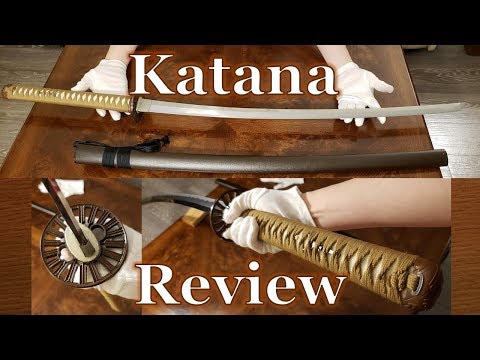
See it in motion
The Maker
Dragon King
Based in Dalian, China, the sword master behind Dragon King has made a name for themselves among collectors. Their extremely desirable swords prioritize function while also celebrating heritage, detail and decoration.
Often paired together
No reviews yet. Only logged in customers who have purchased this product may leave a review.