
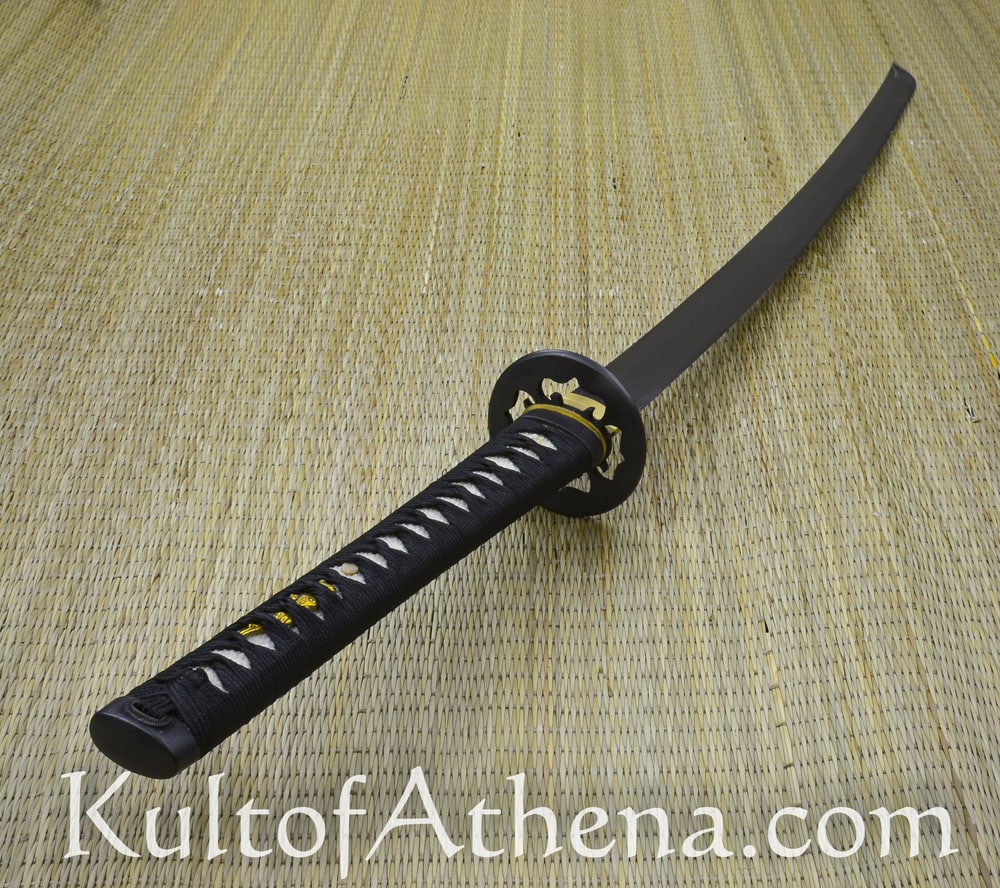
Ronin Katana Dojo-Pro Model 6
In stock
$295.00
- Shipping estimated at checkout
- Every blade inspected before shipping
- 30-day returns
- Blade
- 1060 High Carbon Steel
- Overall Length
- 39 1/4''
- Weight
- 2 lb 6 oz
- Brand
- Ronin Katana
- Culture
- Japanese
Overview
Ronin Katana Dojo-Pro Model 6
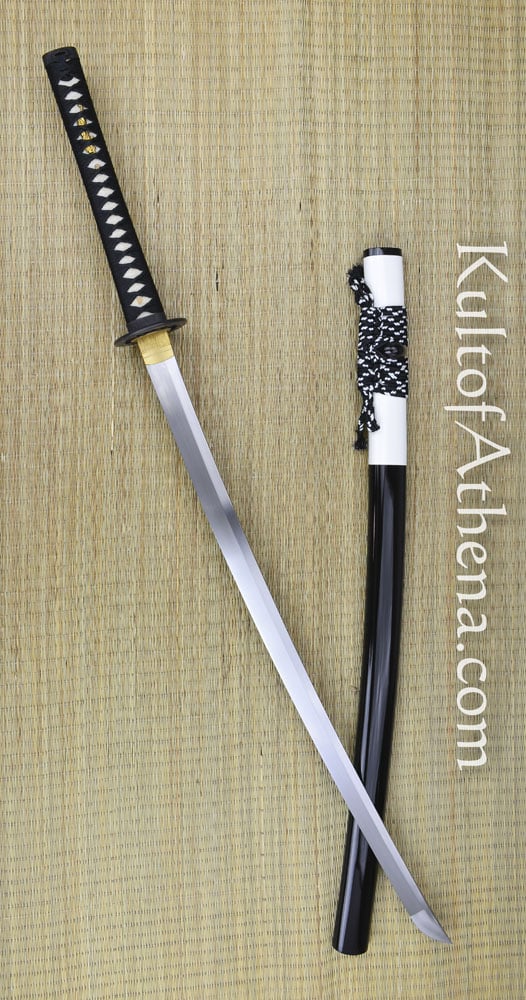
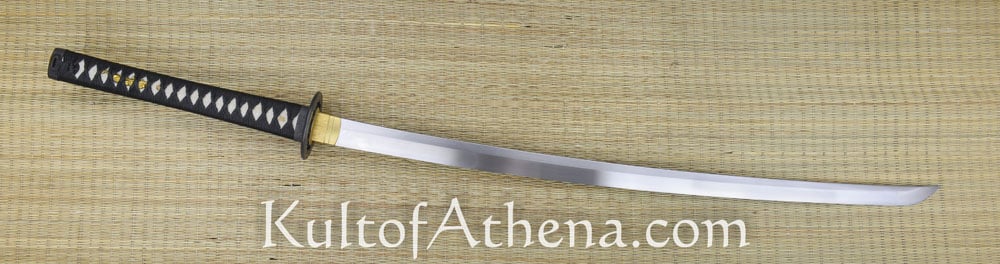
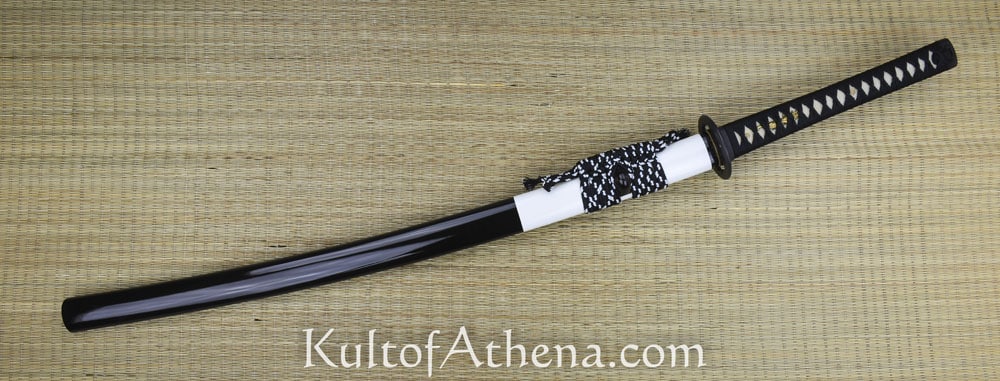
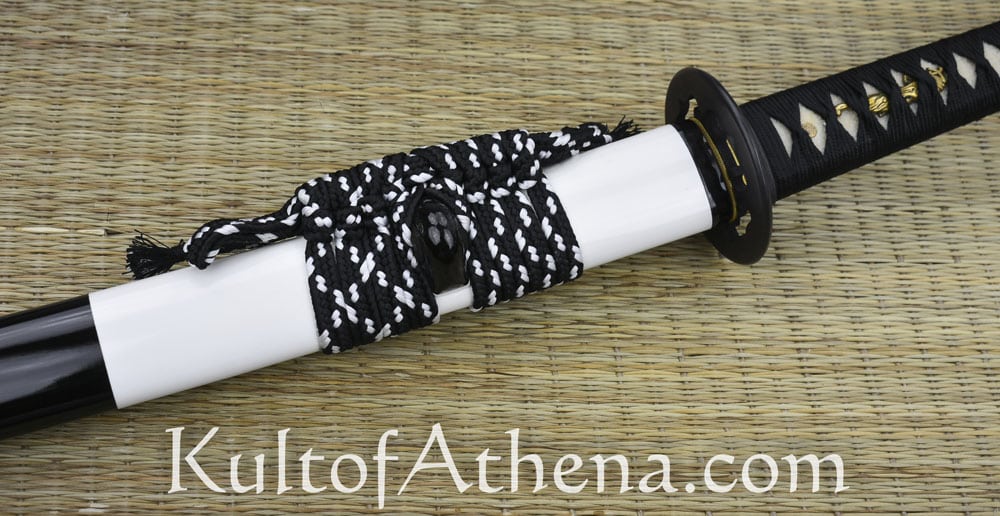
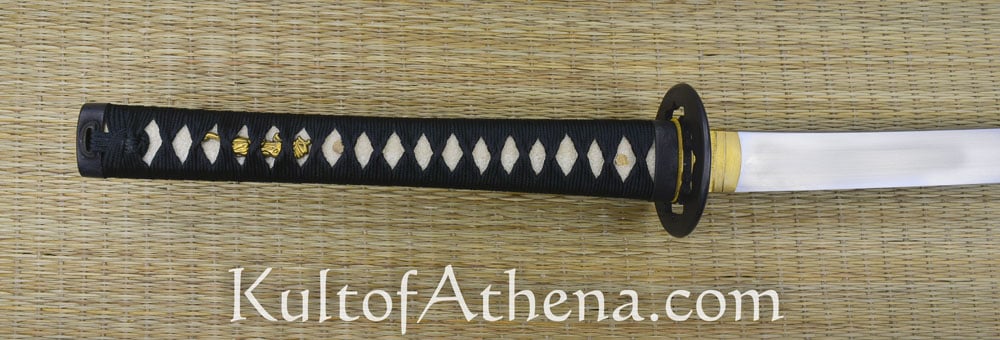
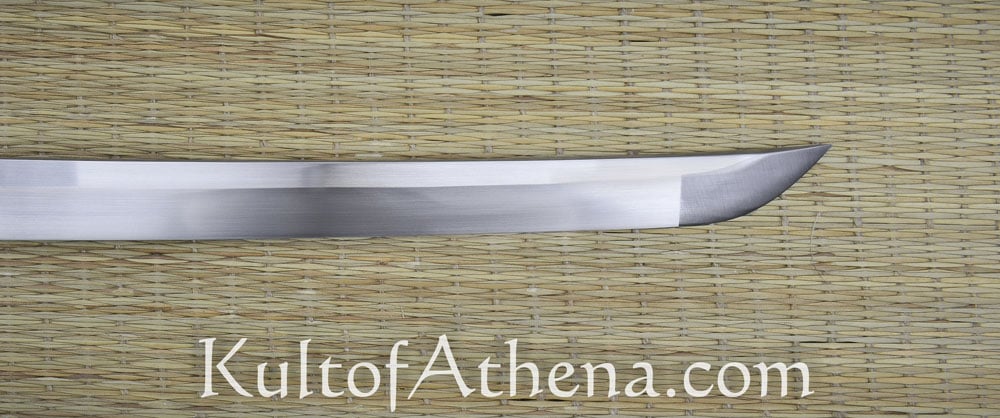
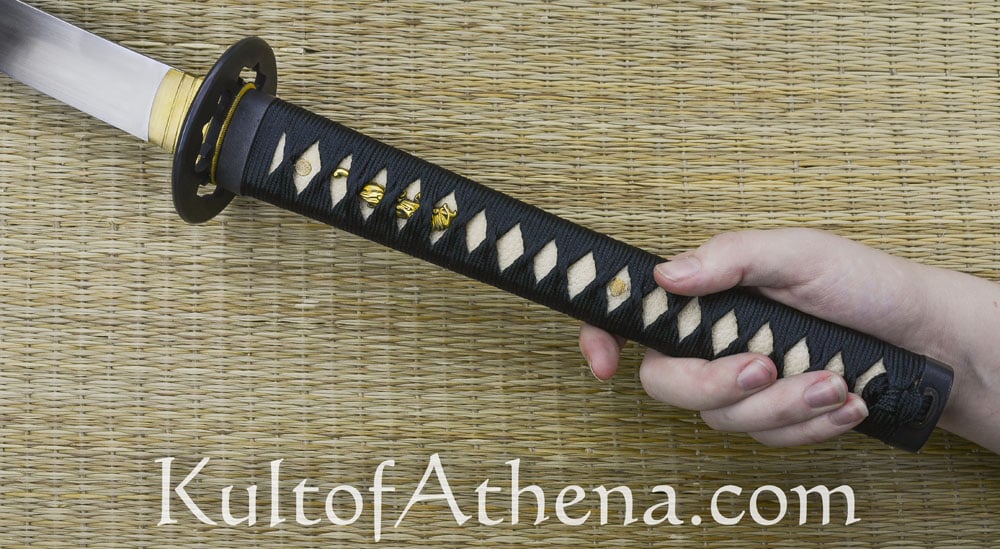
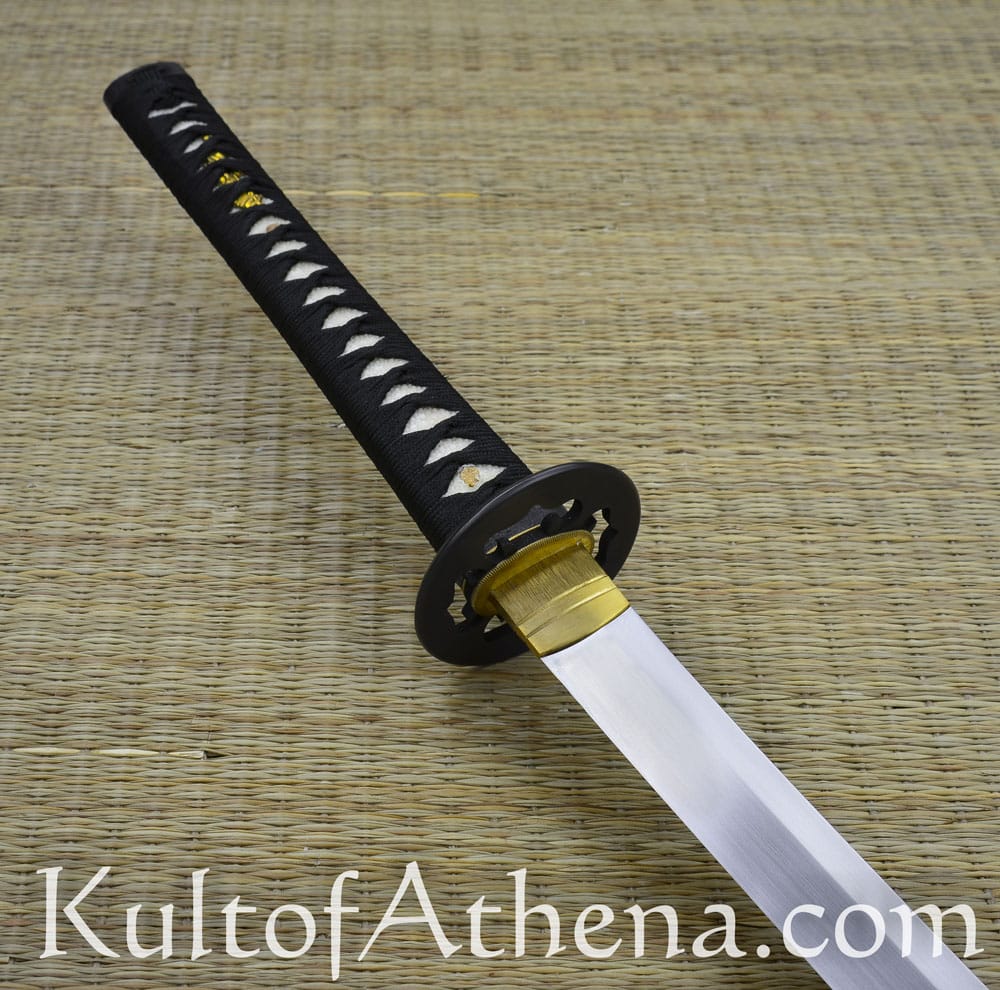
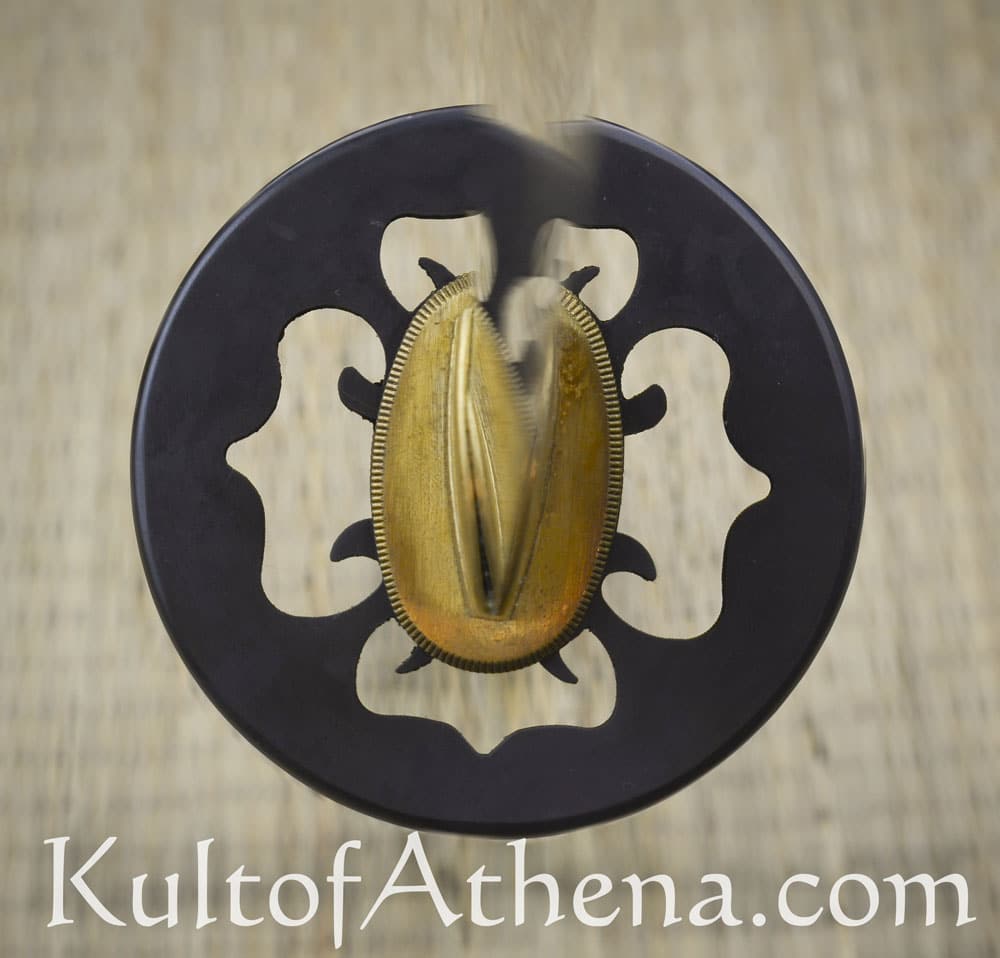
Ronin's Dojo Pro Line Model 6 katana features a through hardened 1060 carbon steel blade, blackened iron tsuba a wood saya with hand cut and polished buffalo horn Kurikata, Koguchi and Kojiri. The ito (grip wrap) is silk.
This type of sword is considered a dedicated cutting katana by Ronin Katana and well suited for cutting against traditional targets.
Specifications
Every measurement that matters
- Brand
- Ronin Katana
- Culture
- Japanese
- Edge
- Sharp
- Pommel
- N/A
- Overall Length
- 39 1/4''
- Blade Length
- 27 5/8''
- Blade
- 1060 High Carbon Steel
- Weight
- 2 lb 6 oz
- P.O.B.
- 4 1/4''
- Thickness
- 7.7 mm - 5.2 mm
- Width
- 31.5 mm
- Grip Length
- 10 1/4''
- Country of Origin
- China
- Type
- Katana
Reviews
What collectors are saying
Q&A
Questions from the community
Q What is this katana designed for? Common Question
This is Ronin's Dojo Pro Model 6, built as a dedicated cutting katana in their Cutting Series. It's set up for practice against traditional cutting targets like rolled tatami mat and water-filled bottles, not for stage combat or sparring.
Q Is the blade full tang? Common Question
This follows traditional katana construction, where the tang (nakago) runs about three-quarters of the length of the grip rather than all the way through. It's secured with a bamboo peg (mekugi) through the handle, which is the standard and historically correct way a katana tang is fitted — true full-tang construction is really only found on modern tactical-style katana.
Q Does the blade have a hamon, or is it through-hardened? Common Question
This blade is through-hardened 1060 carbon steel rather than differentially hardened, so what you see along the edge is a polished temper line rather than a true clay-tempered hamon. Through-hardening is built to flex under a cut and return straight, which suits a blade meant for repeated cutting work.
Q How sharp does it ship, and is it durable enough for cutting? Common Question
This katana ships Very Sharp and is classified Battle Ready, so it's ready to go to work against cutting targets out of the box. The 1060 carbon steel blade is tough and through-hardened for the repeated impact of live cutting rather than display only.
Q What does the point of balance tell me about how it handles? Common Question
The point of balance sits 4 1/4 inches out from the guard, keeping the weight close in toward the hands. That's the kind of balance you want on a dedicated cutting sword — it lets the blade move quickly and track true through a cut rather than dragging at the tip.
Q What are the handle and fittings made of? Common Question
The grip is wrapped in silk ito over a traditional rayskin underlayer, with the tsuba done in blackened iron. The wood saya is finished in glossy lacquer, with the kurikata, koguchi, and kojiri hand cut and polished from buffalo horn.
Q How should I maintain this sword? Common Question
Wipe the 1060 carbon steel blade down after handling and keep a light coat of oil on it to keep rust from forming, since carbon steel will corrode if left damp or bare. Store the sword out of its wood saya for the long term — scabbards trap moisture against the blade, so the saya is for carrying and display, not storage.
Q Where is this katana made? Common Question
This sword is made in China.
The Maker
Ronin Katana
Ronin Katana offers the largest selection of Samurai swords. After traveling to Longquan city, founder Chris Scoggin dedicated years to crafting a line of revolutionary Japanese and European swords.
Often paired together

The sword arrived quickly and was nicely packed by the good folks at KOA. The blade on the Ronin Dojo Pro 6 came very sharp and has a beautiful satin finish. No blemishes or scuffs out of the box. I found the weight and length of the sword to be ideal for my height. The katana feels light and easy to handle. The habaki is well fitted as is the tsuba. Overall, a very attractive sword. The ito is reasonably tight and seems to be made of real silk. The only flaws I was able to find were a slightly crooked fuchi and a loose kashira. The saya is very attractive, but there are stains on the white lacquer from the sageo that won’t come off. It’s likely that lacquer wasn’t fully cured before they tied the sageo on to it. Aside from that, I really like this sword and look forward to putting it to use .