



Dragon King – Tatsumaki Katana
In stock
$999.99
- Shipping estimated at checkout
- Every blade inspected before shipping
- 30-day returns
- Blade
- T10 High Carbon Steel
- Overall Length
- 40 1/4''
- Weight
- 2 lb 9.4 oz
- Brand
- Dragon King
- Culture
- Japanese
Overview
Dragon King - Tatsumaki Katana
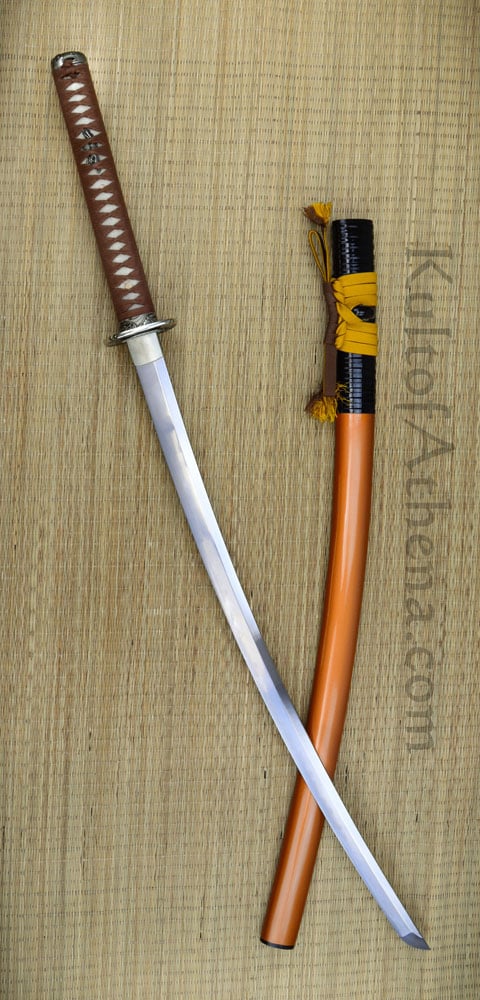
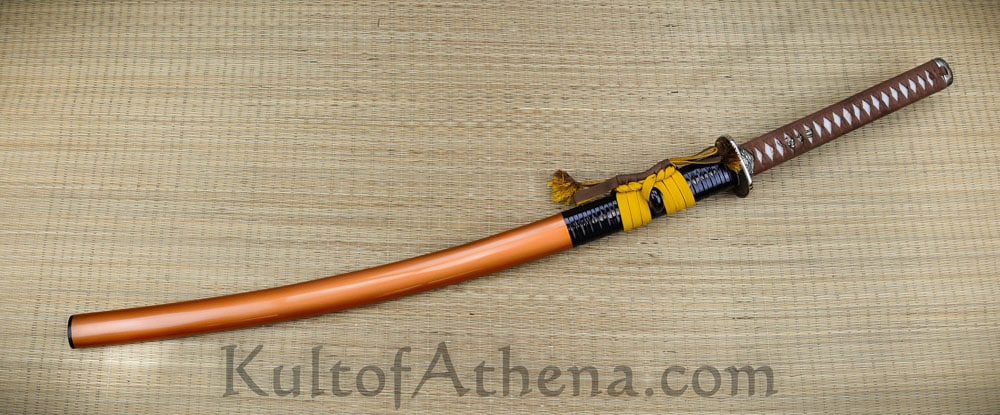
PLEASE NOTE: The sageo cord color can vary from a gold color as pictured to a brown that more closely matches the grip wrap.
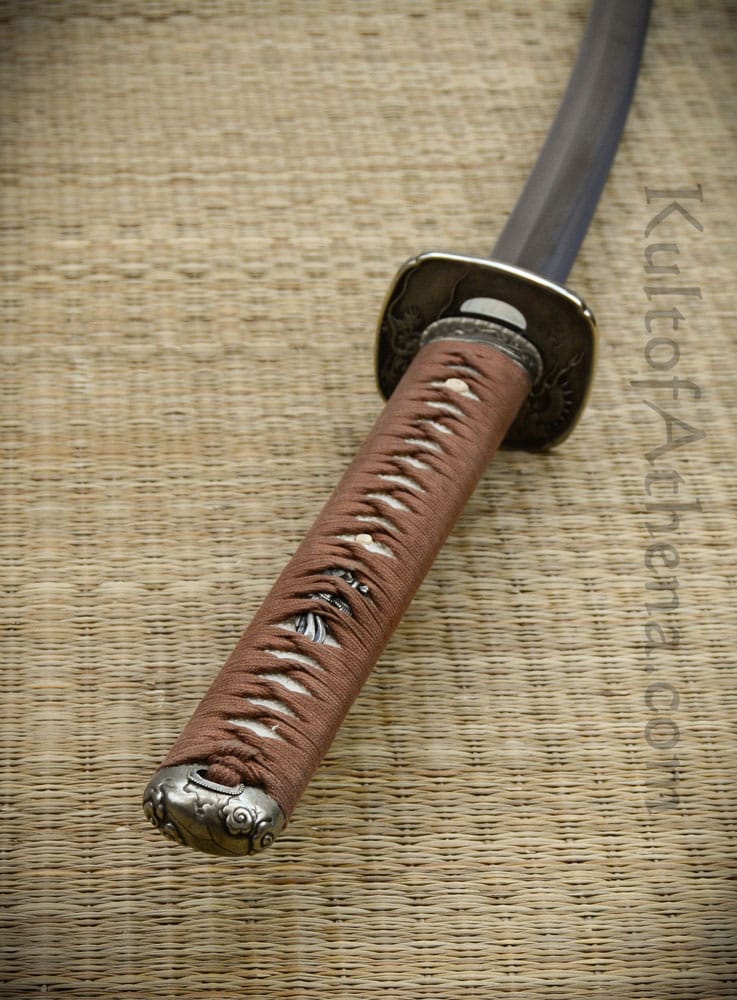
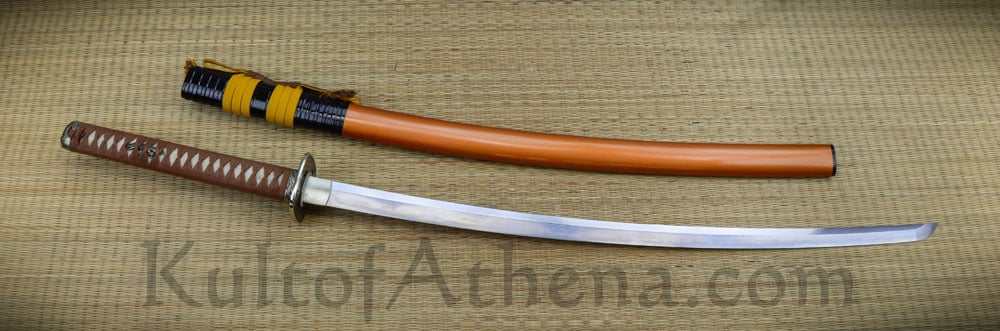
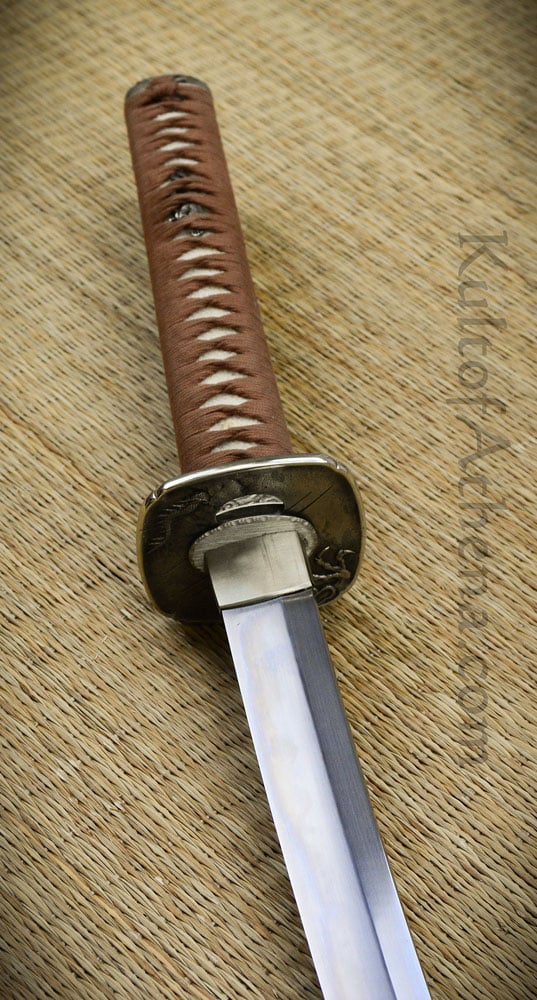
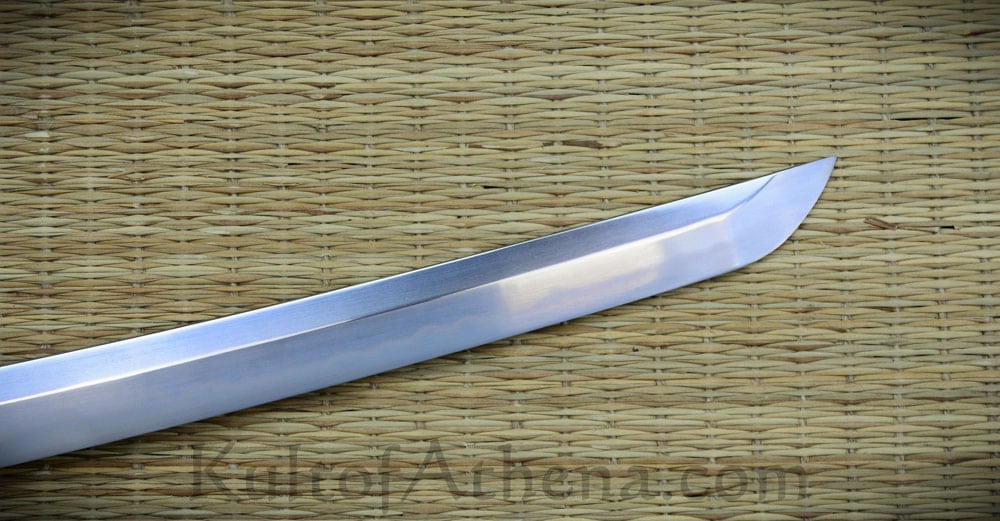
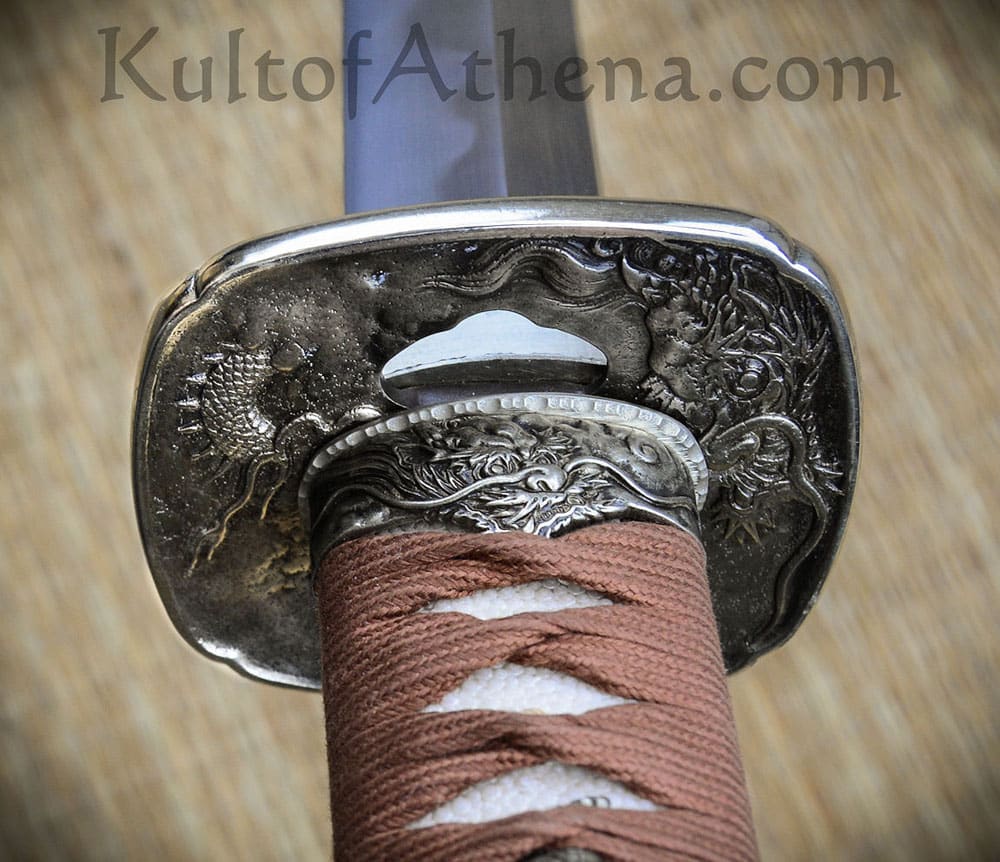
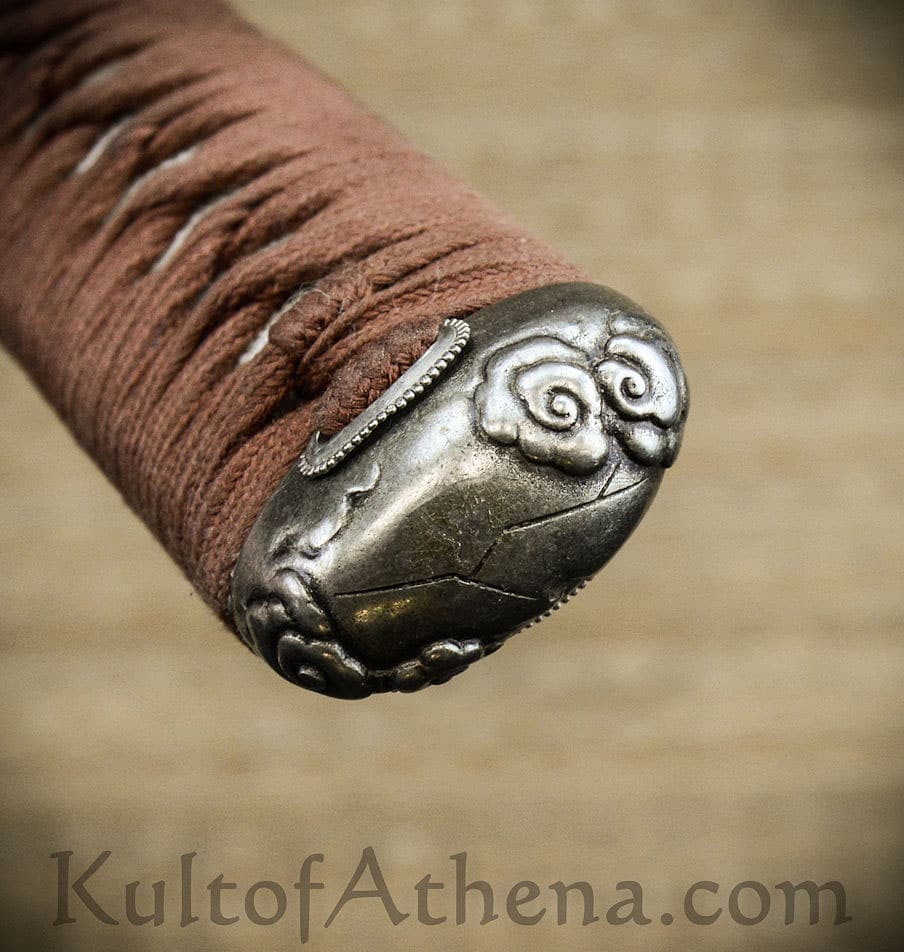
The Tatsumaki Katana embodies the tempestuous winds with its silver Storm Dragon fittings and a sharp and decisive blade of folded T10 high carbon steel. The blade is differentially-tempered and its hamon was artfully realized with a gunome-midare hamon. The habaki and seppa are of silver and the tsuba and Koshirae hilt fittings are crafted in ornately detailed antiqued silver.
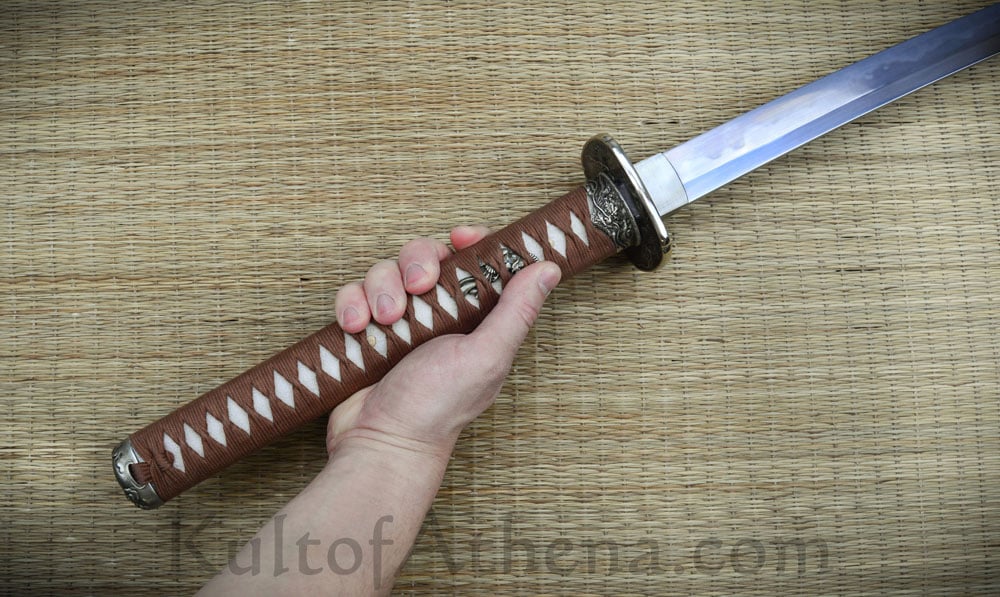
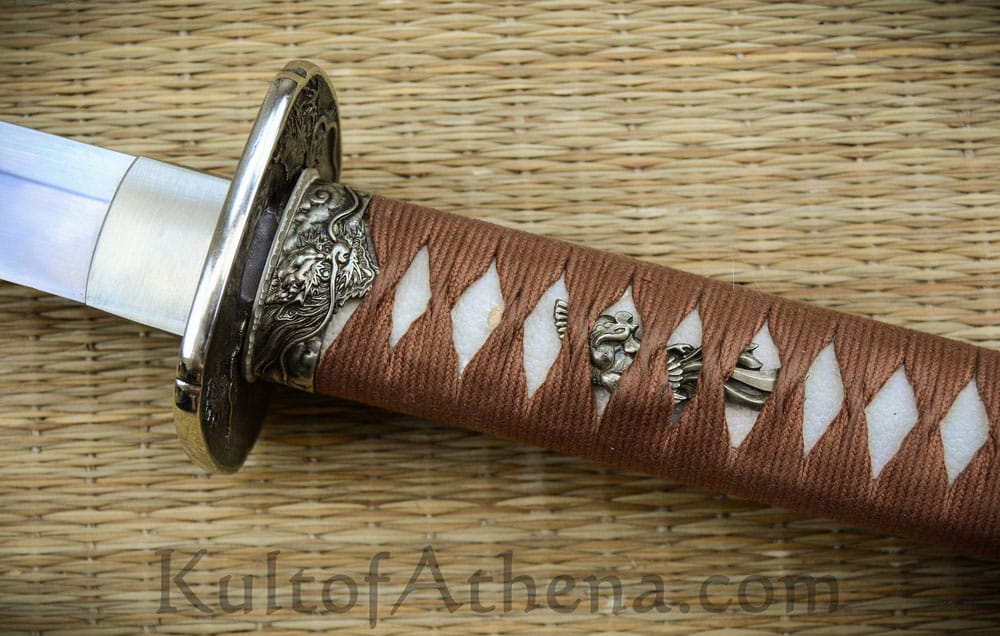
The tsuka is of wood and it is inlaid with panels of rayskin which is tightly overlaid in knotted cotton tsuka ito cord. A pair of silver menuki are woven within the ito folds. The saya scabbard is of carved wood and is finished with gold and black lacquer, buffalo horn fittings and a knotted sageo cord. A black cloth sword bag is included to ensure the sword can be stored with care.
Please Note: A matching Tanto for this sword is available, the Baika Tanto (SKU: SD35460)
Specifications
Every measurement that matters
- Brand
- Dragon King
- Culture
- Japanese
- Edge
- Very Sharp
- Overall Length
- 40 1/4''
- Blade Length
- 28 1/2''
- Blade
- T10 High Carbon Steel
- Weight
- 2 lb 9.4 oz
- P.O.B.
- 5''
- Thickness
- 7.1 mm - 3.4 m
- Width
- 30.8 mm
- Grip Length
- 10 1/4''
- Country of Origin
- China
- Type
- Katana
Reviews
What collectors are saying
Q&A
Questions from the community
Q What steel is the blade made from, and is this sword meant for cutting or display? Common Question
The blade is forged from T10 high carbon steel and is differentially hardened, with a gunome-midare hamon running along the edge. It ships Very Sharp and is classified Battle Ready, so it's built to stand up to live cutting on targets like tatami or water bottles, not just display.
Q What does the hamon on this blade actually mean for the sword's performance? Common Question
The hamon is the visible result of differential hardening: the edge is heat-treated harder for cutting ability while the spine stays softer and more flexible, which helps the blade absorb shock without cracking. On this sword it's realized in a gunome-midare pattern, an irregular wave-form hamon.
Q Is the tang full-length and how is the handle secured to the blade? Common Question
Like most traditional katana, the tang on the Tatsumaki runs about three-quarters the length of the grip rather than all the way to the pommel, and it's secured through the tsuka with bamboo pegs (mekugi). This is the standard, time-tested katana construction rather than the full-tang design used on some modern tactical swords.
Q How does the balance feel in the hand? Common Question
The point of balance sits 5 inches out from the guard, keeping mass concentrated toward the hilt side of the blade. That balance point suits a sword meant for responsive cutting work, where quick edge alignment and control matter as much as cutting mass out at the tip.
Q What do the fittings and handle look like up close? Common Question
The tsuba, habaki, seppa, and kashira are done in antiqued silver-toned metal with raised dragon and cloud-scroll relief work, and the fuchi shows a dragon motif as well. The grip is wood under rayskip panels, wrapped tightly in diamond-pattern cotton ito, with silver menuki woven into the wrap.
Q What does the scabbard look like, and what else comes with the sword? Common Question
The saya is carved wood finished in glossy gold-and-black lacquer with buffalo horn fittings and a knotted sageo cord; the cord color can run gold or a brown closer to the grip wrap. A black cloth sword bag is included for day-to-day storage and handling.
Q How should I take care of this sword to keep it in good condition? Common Question
Wipe the blade down after handling to remove fingerprints and moisture, then apply a light coat of oil to the polished steel to guard against rust. The lacquered saya looks good for display and carry, but it traps moisture against the blade, so for long-term storage keep the sword out of the scabbard, in the included cloth bag, somewhere dry.
Q Where is this sword made? Common Question
The Tatsumaki Katana is made in China.
Q Is this sword sharp, and is it safe to spar with? Common Question
The edge ships Very Sharp, built for cutting targets such as tatami or water bottles. It is not a sparring or contact weapon; a live edge like this is for solo cutting practice and display, not partner drills.
The Maker
Dragon King
Based in Dalian, China, the sword master behind Dragon King has made a name for themselves among collectors. Their extremely desirable swords prioritize function while also celebrating heritage, detail and decoration.
Often paired together

No reviews yet. Only logged in customers who have purchased this product may leave a review.