






BattleBlades – Senshi Erai Hito No Katana – Blemished Grade
In stock
$799.99
- Shipping estimated at checkout
- 30-day returns for standard grade
- Blade
- 1095 High Carbon Steel
- Overall Length
- 39 3/4"
- Weight
- 2 lbs 4 oz
- Brand
- BattleBlades
- Culture
- Japanese
Overview
BattleBlades - Senshi Erai Hito No Katana - Blemished Grade
Please Note: This Katana has a matching Wakizashi available separately. Combine the two to create a matched daishō set!
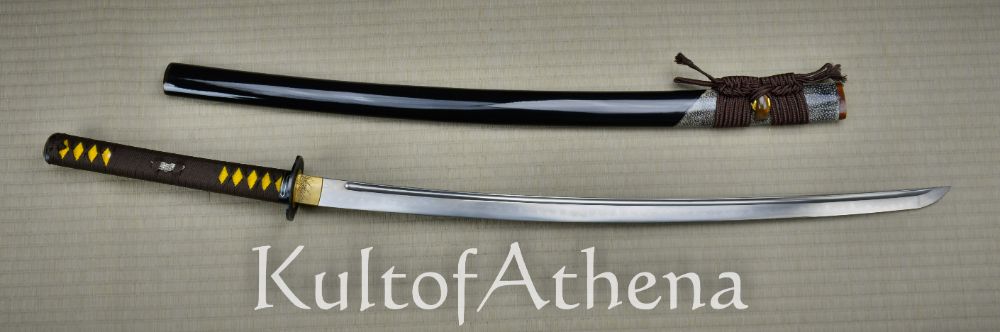
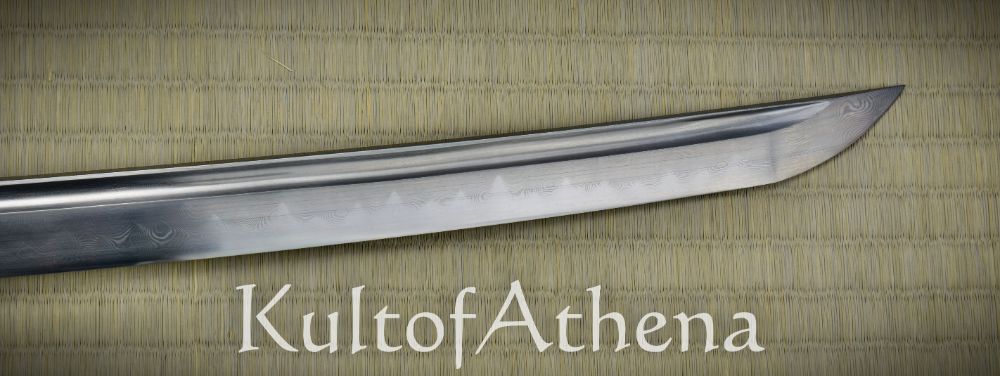
The Senshi Erai Hito No Katana is a superbly well-balanced and swift-striking Katana with classical styling. The blade is handforged from folded 1095 high carbon steel with a deep bohi groove which reduces unneeded weight and greatly aids in making a sword that is a deft and agile performer - an easy and natural extension of the swordsman's arm that retains respectable and powerful cutting potential. Once forged into form the blade was quenched in the traditional clay-tempering process to imbue it with a natural and genuine hamon of hardened steel to imbue it with an edge hardness of 59-60 HRc and a spine and body of 40-45 HRc. The blade was finished with a careful hand-polish to bring out the full beauty of its hamon and the ripple-like patterning of the forge-folded steel.
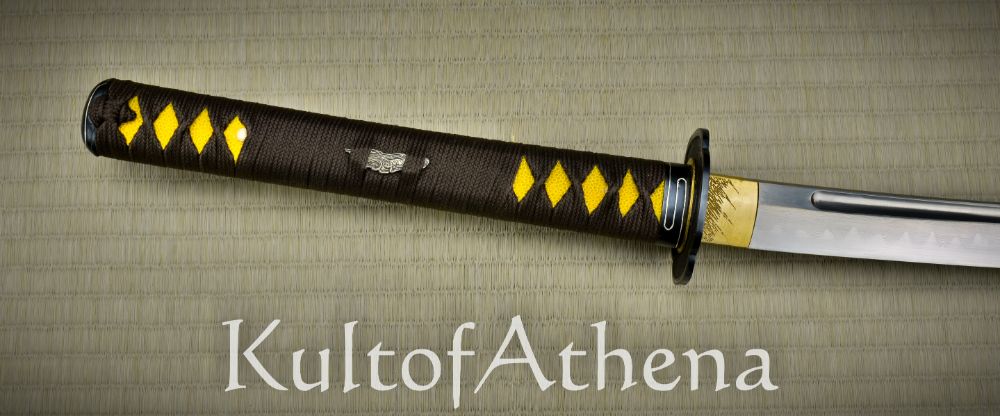
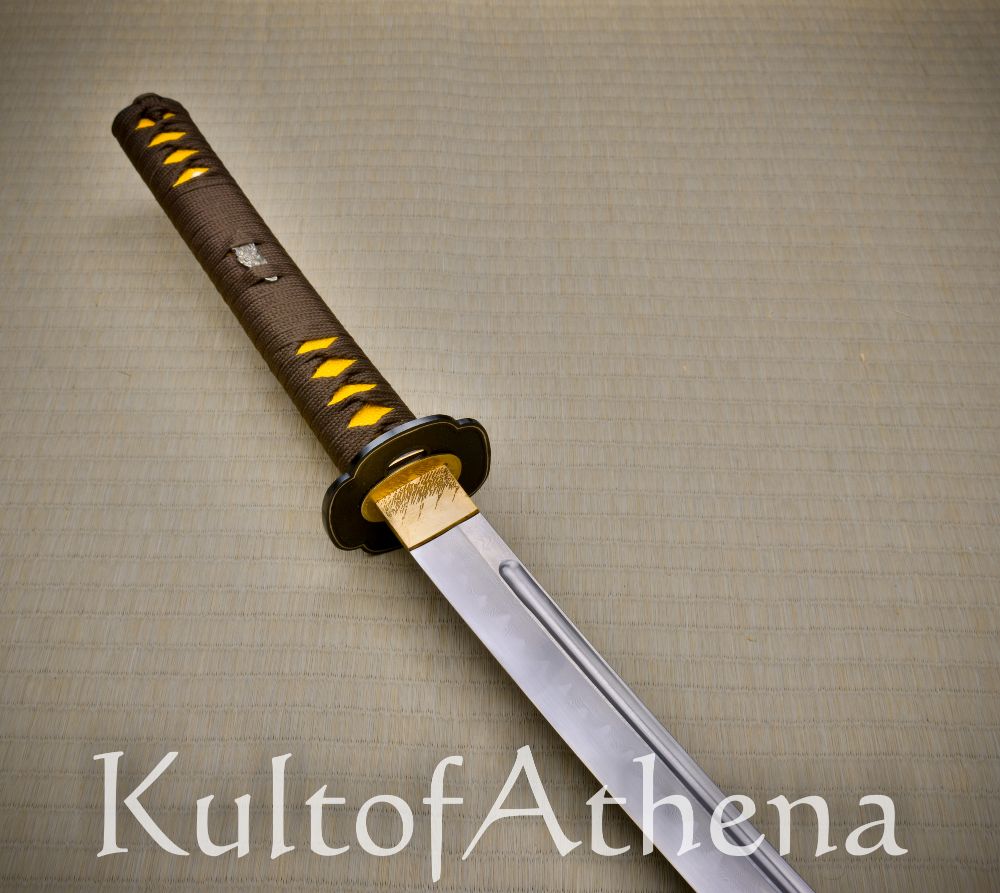
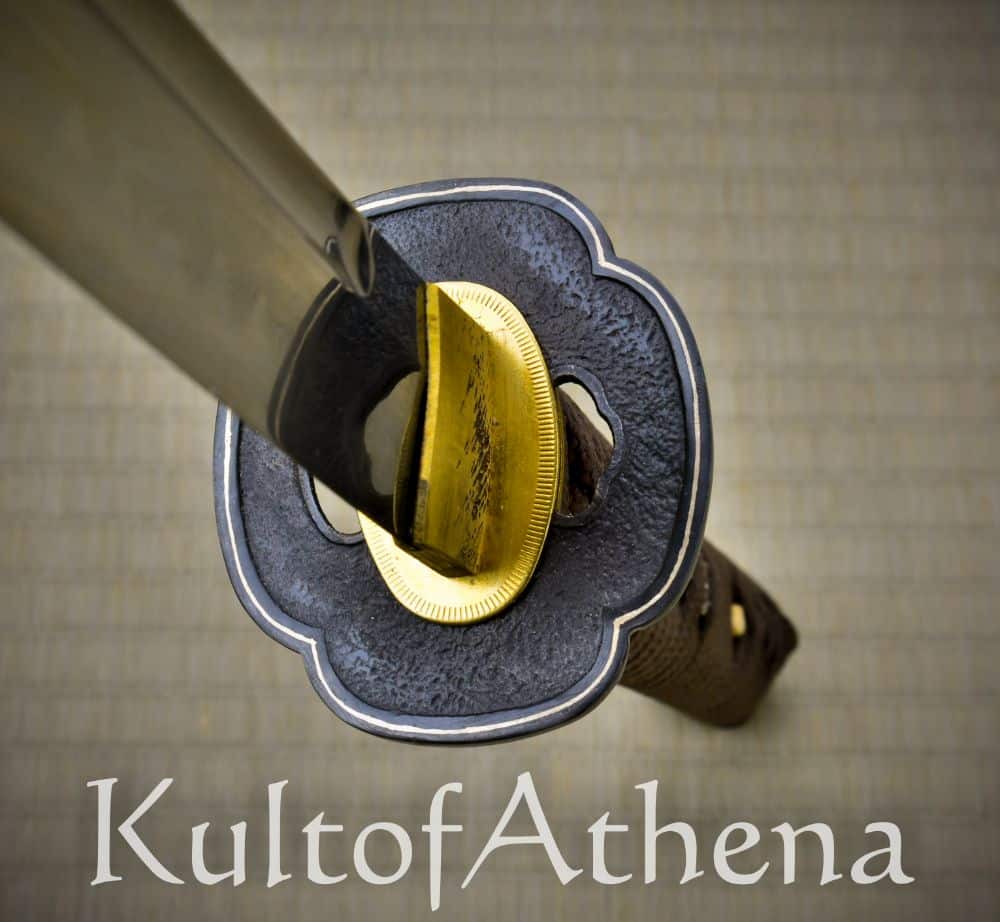
The tsuba, fuchi and kashira are crafted from antiqued, heat-blued steel which is embellished with inlaid silver. The grip is well-carved from wood and is fitted with genuine rayskin which is tightly bound with brown silk tsuka ito cord with a wrap done in the katate-maki style. Silver-plated menuki are carefully fitted beneath these grip wrap folds to finish the Wakizashi. Its matching Saya scabbard is crafted from wood with a final finish of layered glossy black lacquer and a panel of inlaid rayskin which was polished flush before having its recesses filled with lacquer to create a unique mottled finish. Its koiguchi, kurigata and kojiri are polished buffalo horn and the sageo cord is premium brown silk. The sword comes with a silk sword bag and a manufacturer's production certificate.
Like the Japanese swords of many vendors - it is common for the lacquer finish on the scabbard to have some visible scuffs, scratches and other minor cosmetic blemishes visible when examined closely.
Specifications
Every measurement that matters
- Brand
- BattleBlades
- Culture
- Japanese
- Edge
- Sharp
- Pommel
- N/A
- Overall Length
- 39 3/4"
- Blade Length
- 28 1/2"
- Blade
- 1095 High Carbon Steel
- Weight
- 2 lbs 4 oz
- P.O.B.
- 5 5/8"
- Thickness
- 7.8 mm - 5.1 mm
- Width
- 31.7 mm
- Grip Length
- 10 1/8"
- Country of Origin
- China
Reviews
What collectors are saying
Q&A
Questions from the community
Q What does "Blemished Grade" mean for this katana? Common Question
This is a second-quality piece with minor to moderate cosmetic flaws, most often scuffs, scratches, or small blemishes in the glossy black lacquer finish on the saya. None of this affects the sword's construction, durability, or function. It's a good way to get the same handmade katana at a lower cost if small surface marks don't bother you.
Q Is this katana Battle Ready, and does it come sharp? Common Question
Yes, this is a Battle Ready katana, meaning it's built with a full tang-style construction and durability suited to target cutting. The edge ships sharp, so once in hand it's ready for cutting tatami or water bottles. Battle Ready construction is not the same as a sparring sword, so this piece is not meant for blade-on-blade contact.
Q What is the blade made of, and how was it hardened? Common Question
The blade is hand-forged from folded 1095 high carbon steel, which builds a visible wood-grain-like hada pattern into the surface. It was clay-tempered in the traditional way, giving it a genuine hamon along the edge with a hardness around 59-60 HRc at the edge and a softer 40-45 HRc through the spine and body for flex and resilience.
Q Is this katana full tang? Common Question
This sword follows traditional katana construction, where the tang runs about three-quarters of the length of the grip and is secured with bamboo pegs (mekugi) rather than running the full length to the pommel. This is the standard and historically accurate way a katana is built, distinct from modern or tactical katana that use a strict full-tang design.
Q What is this katana best suited for? Common Question
With its sharp 1095 high carbon steel blade and clay-tempered hamon, this katana is built for test cutting targets like tatami mats or water bottles, as well as for display as a handmade piece with traditional fittings. It is not built or intended for sparring or blade-on-blade contact, so if you're looking for a sparring partner sword, this isn't the piece for that.
Q What does the point of balance tell me about handling? Common Question
The point of balance sits 5 5/8" out from the guard, keeping weight close to the hand. That balance point matches the sword's intended swift, agile feel, helped along by the bohi groove cut into the blade to trim excess weight.
Q What are the fittings and handle made of? Common Question
The tsuba, fuchi, and kashira are antiqued, heat-blued steel inlaid with silver. The grip is carved wood under genuine rayskin, tightly wrapped in brown silk tsuka-ito cord in the katate-maki style, with silver-plated menuki ornaments fitted beneath the wrap. The photographs show this diamond-pattern wrap with gold-toned rayskin diamonds showing through the openings.
Q How should I care for the blade and saya? Common Question
Wipe the blade down after handling and apply a light coat of oil to the 1095 high carbon steel to prevent rust, since it's not stainless. Keep the sword in a dry space, and store the blade outside the lacquered wood saya for the long term, since scabbards trap moisture against the steel. The saya itself can be kept clean with a soft, dry cloth to protect its lacquer and rayskin inlay.
Q Can I store the blade in the saya? Common Question
The saya is built for carrying and display, with a black lacquer finish, rayskin inlay panel, and buffalo horn fittings, but it isn't the right place for long-term blade storage. Lacquered wood scabbards trap moisture against the steel, so the blade is better kept out of the saya when not in use or on display.
Q What accessories come with this katana? Common Question
The sword comes with a silk sword bag and a manufacturer's production certificate documenting its specifications. A matching wakizashi is also available separately if you want to build out a full daisho set.
The Maker
BattleBlades
With our founder’s lifelong experience in traditional weaponry, BattleBlades Inc. has a wealth of knowledge and expertise that’s incomparable. We utilize this experience to provide museum quality products you can truly count on. We wouldn’t settle just for a decent sword. We wanted to push it further, discerning professionals from ordinary.
Through long dedicated study of materials and manufacturing processes and consulting the experts, we set up higher standards and are now able to offer impeccable swords to meet the needs of discerning professionals at a very competitive price. Each blade is forged, folded and polished by hand by master swordsmiths. The Koshirae are made of premium grade materials and every sword is assembled and inspected meticulously in order to avoid any kind of setback in long term use.
Often paired together

No reviews yet. Only logged in customers who have purchased this product may leave a review.