

American Eagle Bone Handle Khukuri – 8” Blade – Ex Gurkha Khukuri House
In stock
$99.99
- Shipping estimated at checkout
- Every blade inspected before shipping
- 30-day returns
- Class
- Battle Ready
- Overall Length
- 12 7/8''
- Weight
- 1 lb 4.2 oz
- Brand
- EGKH
- Culture
- Nepalese
Overview
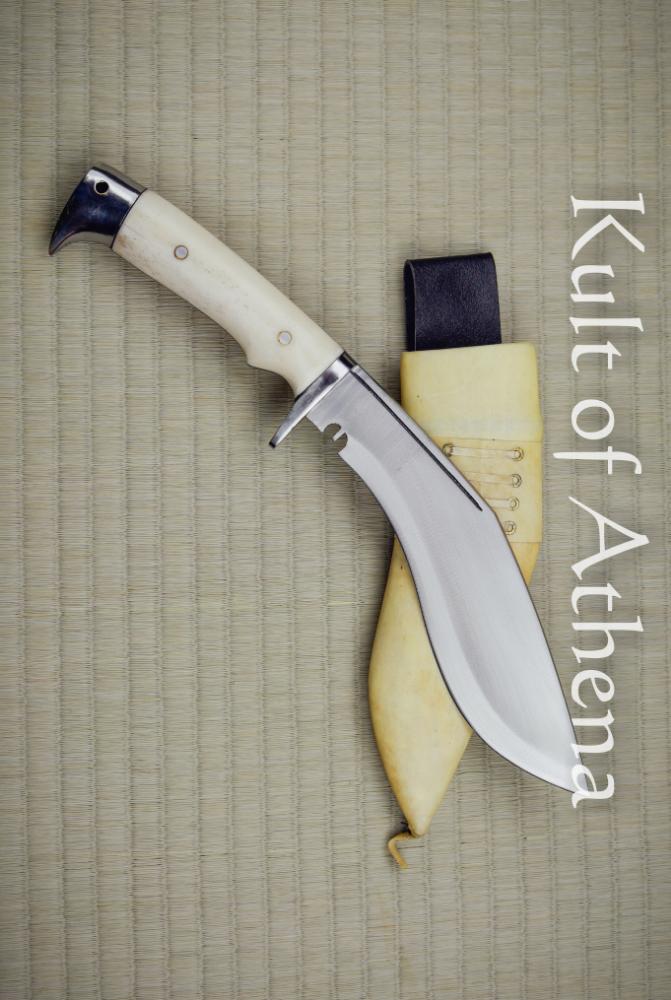
American Eagle Bone Handle Khukuri - 8'' Blade - Ex Gurkha Khukuri House
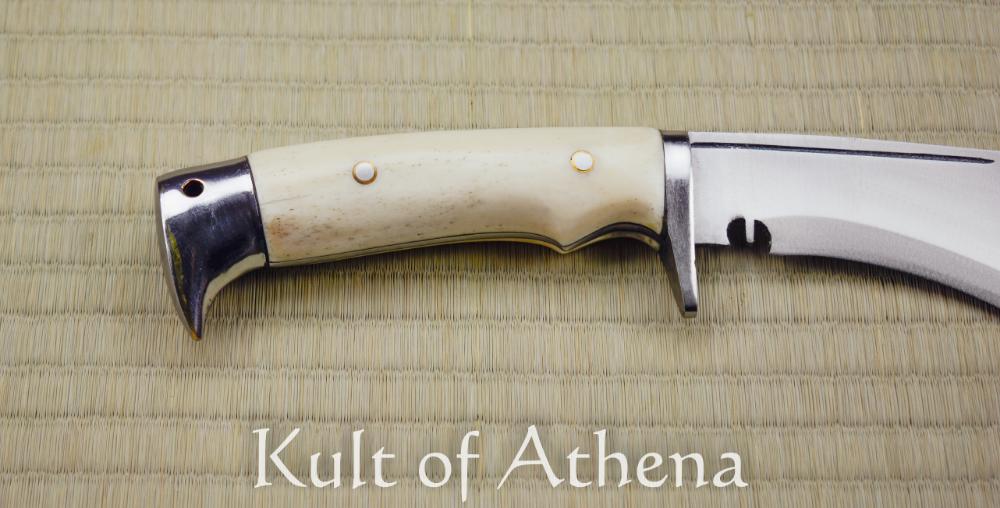
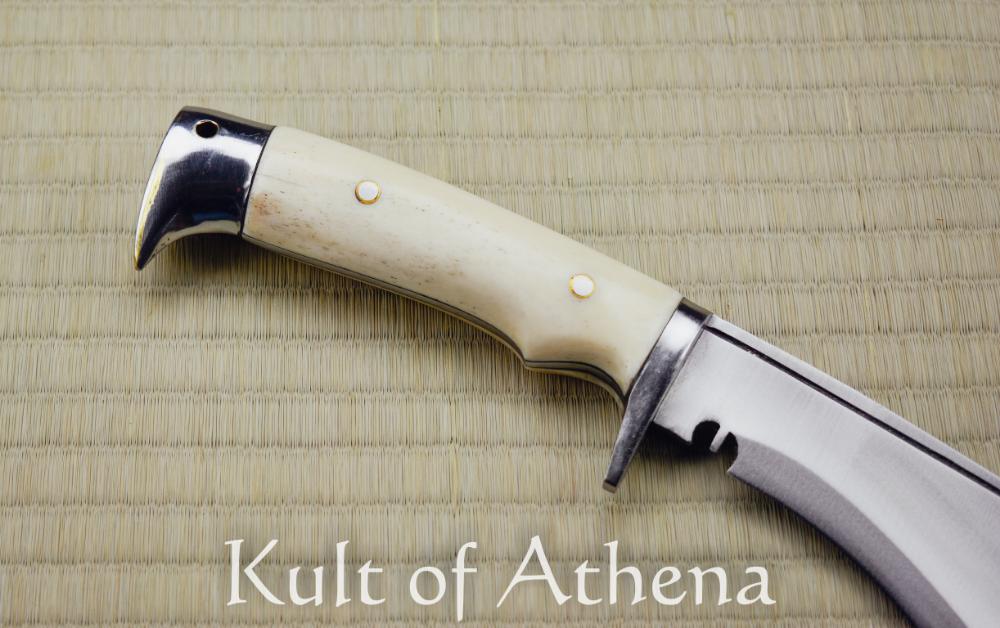
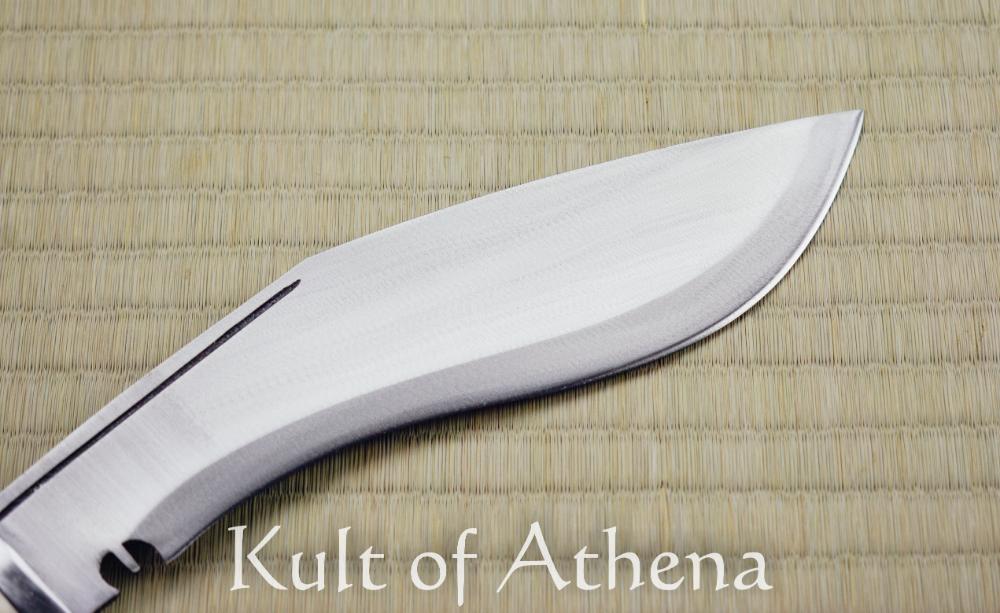
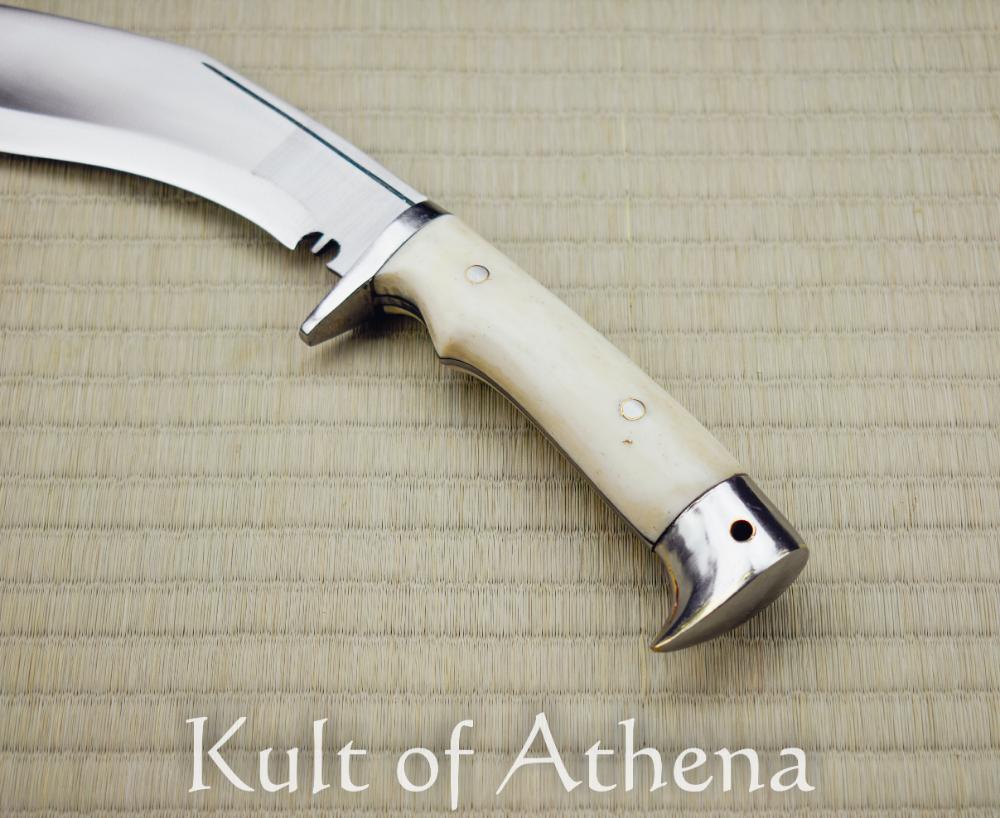
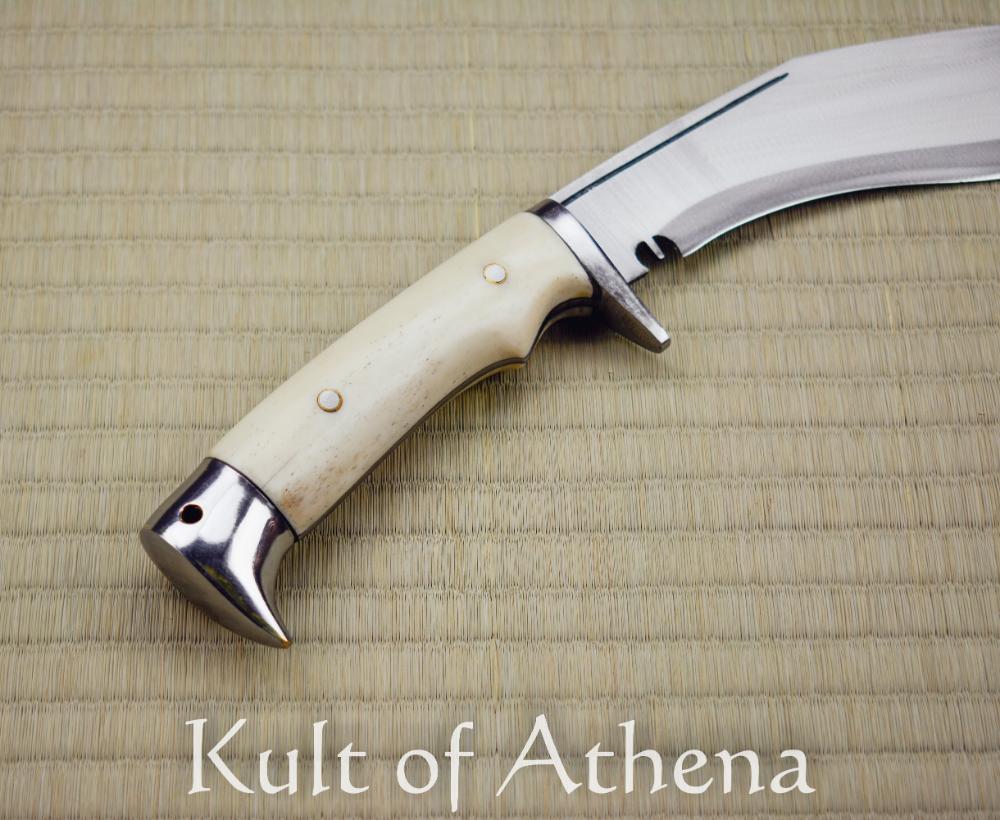
This Khukuri by Ex-Gurkha Khukuri House has a thick-spined blade of 5160 high carbon steel - it has a thin, but deep fuller along the spine for weight reduction. The blade has been differentially hardened to possess a harder cutting edge and a flexing, shock-absorbing spine. Its bolster and pommel are likewise of steel and its tang is surmounted by riveted plates of polished water buffalo bone. The pommel has a hole that allows for the attachment of a lanyard.
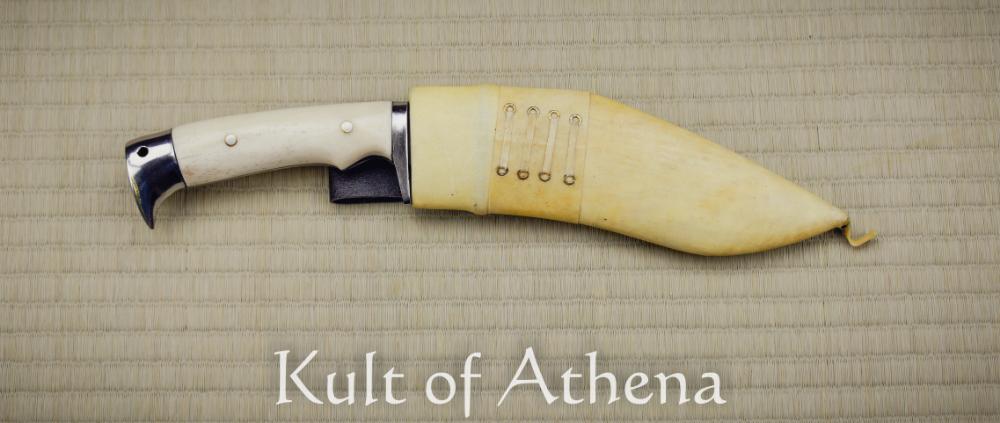
The scabbard is crafted from two halves of pinewood glued with traditional Nepalese Laha glue and it is overlaid with buffalo leather and fitted with a protective steel tip and an integrated black leather belt loop.
Although the stake through the heart of Dracula is a figure of vampiric literature, Bram Stokers Dracula was actually killed by having his throat cut wide open by a Kukri knife and his heart stabbed through with a Bowie Knife by two of the protagonists as the famous vampire laid within in his coffin.
Specifications
Every measurement that matters
- Brand
- EGKH
- Culture
- Nepalese
- Pommel
- Integrated
- Overall Length
- 12 7/8''
- Blade Length
- 8''
- Weight
- 1 lb 4.2 oz
- Edge
- Sharp
- P.O.B.
- 1''
- Thickness
- 8.9 mm - 5.8 mm
- Width
- 31.3 mm - 45.1 mm
- Grip Length
- 3 1/2''
- Class
- Battle Ready
- Country of Origin
- Nepal
- Type
- Kukri
Reviews
What collectors are saying
Q&A
Questions from the community
Q What is this khukuri made from, and is it sharp out of the box? Common Question
The blade is forged from 5160 high carbon steel, a tough spring steel well suited to chopping work, and it ships with a sharp edge. Ex-Gurkha Khukuri House differentially hardens the blade so the cutting edge holds up under use while the spine stays flexible and shock-absorbing.
Q What is the handle made of, and how is it attached? Common Question
The grip is built from riveted plates of polished water buffalo bone fitted over the tang, with a steel bolster and integrated steel pommel capping each end. The pommel includes a lanyard hole for a secure carry.
Q What is this khukuri good for? Common Question
This is a Battle Ready, full-tang khukuri built for real chopping and camp work, from clearing brush to splitting wood, in keeping with the traditional Nepalese kukri's role as both tool and combat blade. The thick, differentially hardened spine and 5160 steel blade give it the strength to take repeated hard use.
Q What does the scabbard look like and what is it made of? Common Question
The sheath is built from two halves of pinewood joined with traditional Nepalese Laha glue, then wrapped in buffalo leather. It has a steel tip for protection and an integrated black leather belt loop for carry.
Q How should I care for the blade and sheath? Common Question
Wipe the 5160 steel blade down after handling and apply a light coat of oil to prevent rust, especially since it ships sharp. Store the knife in its wood-and-leather scabbard in a dry place, and keep the leather covering conditioned so it doesn't dry out or crack.
Q What is the notch near the base of the blade for? Common Question
That notch, called a cho, sits where the blade meets the bolster and is a traditional feature of kukri knives. It marks the transition from the sharpened edge to the ricasso and is visible in the photographs on this piece.
Q How does the balance feel in the hand? Common Question
The point of balance sits about 1 inch out from the grip, close to the handle, which puts the blade's weight forward for authoritative chopping strokes without making the knife feel unwieldy. That forward bias is typical of kukri design, which relies on blade-heavy geometry to drive the cut.
Video
See it in motion
The Maker
EGKH
EGKH, based in Nepal, manufactures high quality kukris (or Khukuris) and other fighting knives. As the official supplier of kukris to the British Gurkha Unit, Marine Corps, Nepal Army, Nepal Police and Indian Gurkhas, EGKH is well versed in providing a good blade. All products are hand forged from high grade carbon steel.
Often paired together

Sharp and sturdy. Hefty for its size. Handle is perfectly formed, no hot spots. Has a hairline crack in the bone handle scale, can’t feel it, barely noticeable by sight. The scabbard doesn’t have the metal point like the pictures, but I’m glad for that because the leather covering on it is so well done.