


Cold Steel Wakizashi Bokken
In stock
$29.99
- Shipping estimated at checkout
- Every blade inspected before shipping
- 30-day returns
- Blade
- Polypropylene
- Overall Length
- 27 3/4''
- Weight
- 12.6 oz
- Brand
- Cold Steel
- Culture
- Japanese
Overview
Cold Steel Wakizashi Bokken
This Wakizashi Bokken is made from robust polypropylene to give it substantial, long-lasting durability. It has a molded grip to replicated the look of a wrapped tsuka grip - its tsuba is held in place with a rubber habaki.
Specifications
Every measurement that matters
- Brand
- Cold Steel
- Culture
- Japanese
- Edge
- Blunt
- Pommel
- N/A
- Overall Length
- 27 3/4''
- Blade Length
- 21''
- Blade
- Polypropylene
- Weight
- 12.6 oz
- P.O.B.
- 5 1/2''
- Thickness
- 19.3 mm - 17.7 mm
- Width
- 36.6 mm
- Grip Length
- 5 5/8''
- Country of Origin
- Taiwan
- Type
- Bokken
Reviews
What collectors are saying
Q&A
Questions from the community
Q What is this bokken made of? Common Question
This Wakizashi Bokken is molded from polypropylene, a dense, impact-resistant polymer that gives it long-lasting durability for repeated practice use. The grip is molded to replicate the look of a traditional wrapped tsuka, and the tsuba is held in place with a rubber habaki.
Q What is this bokken meant to be used for? Common Question
This is a training weapon sized to the proportions of a wakizashi, the traditional short companion sword, and it's built for practicing cuts, stances, and kata at that scale. It has no live edge, so it won't cut material the way a steel blade would, but it lets you drill technique and handling safely.
Q Is the edge sharp? Common Question
No. The edge is blunted, and the blade is solid molded polypropylene rather than steel, so there is no cutting edge at all. This makes it suited to solo practice and form work rather than any kind of cutting test.
Q How durable is the construction? Common Question
The blade, grip, and tsuba are all molded from robust polypropylene, which holds up well to the repeated stress of practice swinging and strikes without chipping or cracking the way a lower-grade plastic might. The tsuba is secured by a rubber habaki collar rather than a separate fitting, keeping it seated firmly against the blade during use.
Q How is the grip shaped and does it feel like a real tsuka? Common Question
The grip is molded in one piece with the rest of the bokken, with a diamond crisscross texture pressed into the surface to replicate the look and feel of a cord-wrapped tsuka. A molded tsuba separates the grip from the blade, and a rounded pommel cap finishes the handle end.
Q How should I care for this bokken? Common Question
Since the blade and grip are polypropylene rather than steel, there's no rust to worry about. Wipe it down with a damp cloth as needed and store it in a dry place out of direct heat or sunlight, which is the main thing that can warp or degrade a polymer blade over time.
Q Where does the point of balance sit, and what does that mean for handling? Common Question
The point of balance sits about 5 1/2 inches out from the guard, which keeps the weight concentrated near the hands rather than out toward the tip. That balance supports quick, controlled movement for practicing wakizashi-scale cuts and stance work rather than heavy, momentum-driven swings.
The Maker
Cold Steel
Cold Steel was founded in 1980; a stalwart of the knife community, Cold Steel also has a large selection of swords and daggers which are sourced from all over the world. Functional and competitively priced, Cold Steel products showcase a substantial variety of offerings and they cover martial arts weapons, historical swords, and robust tomahawks and practical machetes.
Often paired together
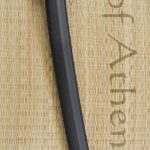
Don’t let its size fool you. I bought this as a secondary weapon to my o bokken and while it is dwarfed in size it is just as durable and every bit as aesthetically pleasing. It’s light, quick, and stays firmly in the hand. After several heavy blows against its far heavier counterpart, this little companion showed hardly any wear. Great for completing a daisho or even being used on its own.