


Hanwei Practical Shinobi Ninja-to
Back Ordered
$249.99
Join Waitlist
You must register to use the waitlist feature. Please login or create an account.- Shipping estimated at checkout
- Every blade inspected before shipping
- 30-day returns
- Overall Length
- 34 1/2''
- Weight
- 2 lb 1.7 oz
- Brand
- Hanwei
- Culture
- Japanese
Overview
Hanwei Practical Shinobi Ninja-to
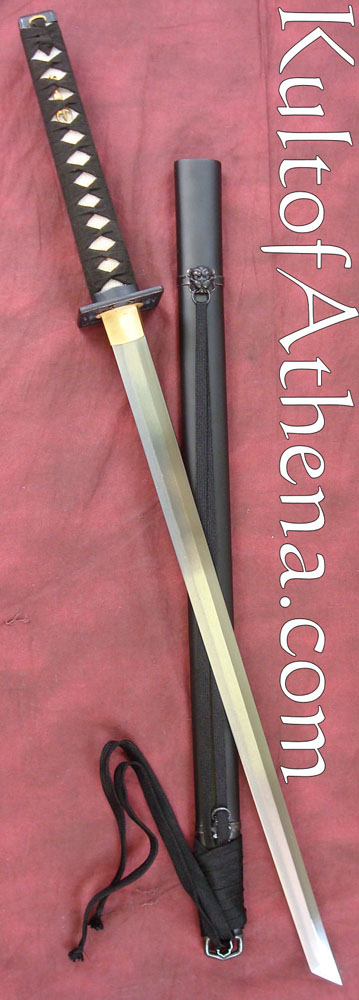
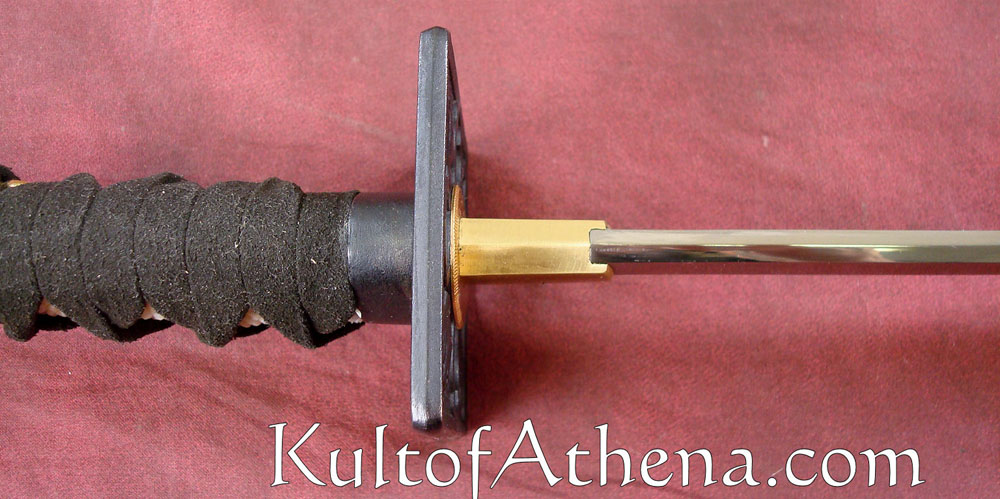
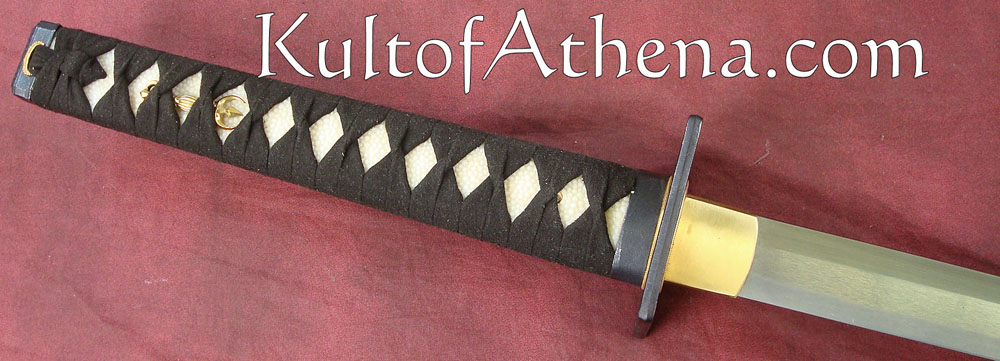
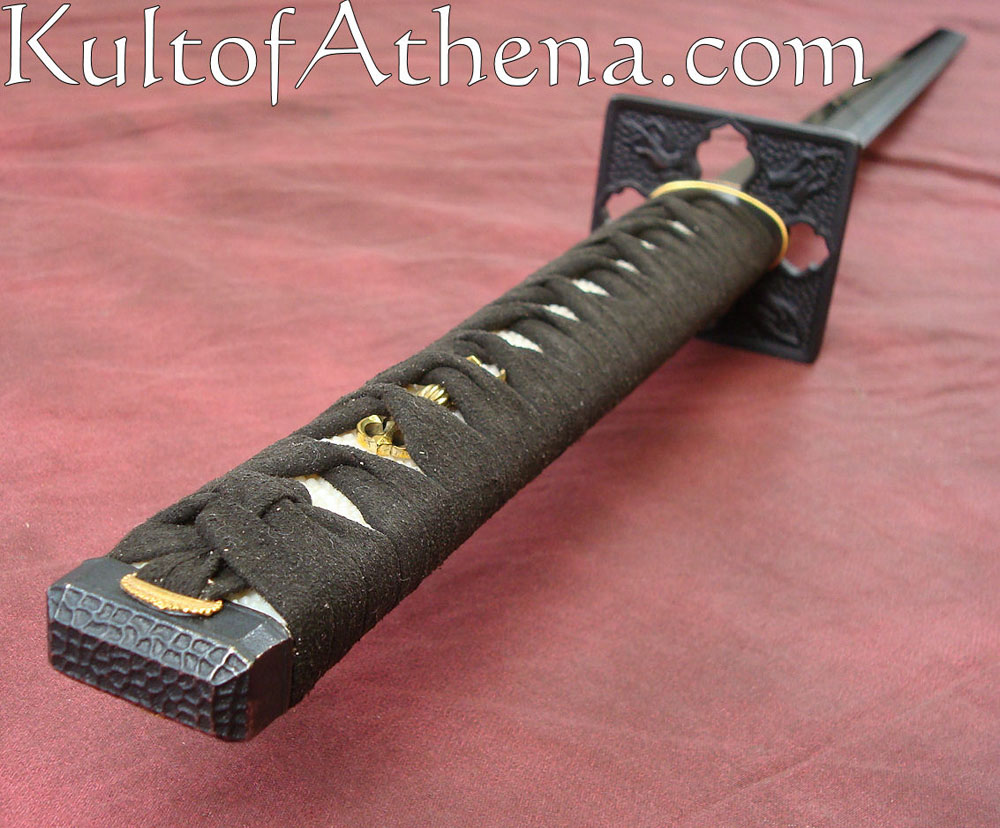
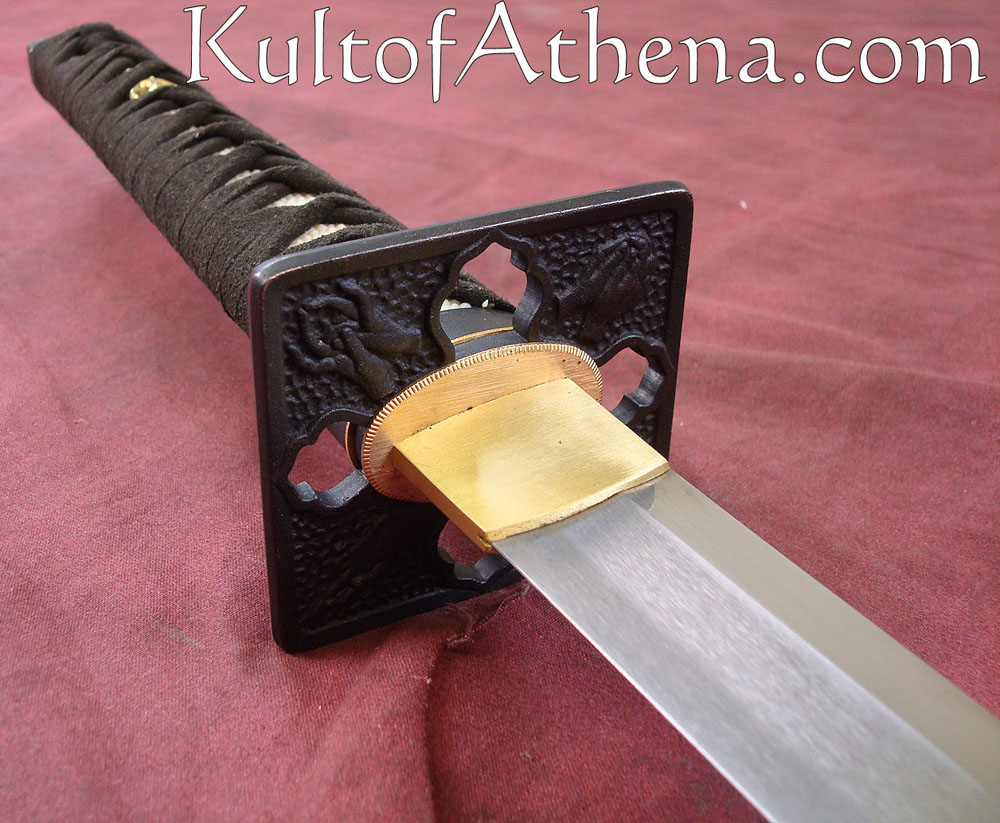
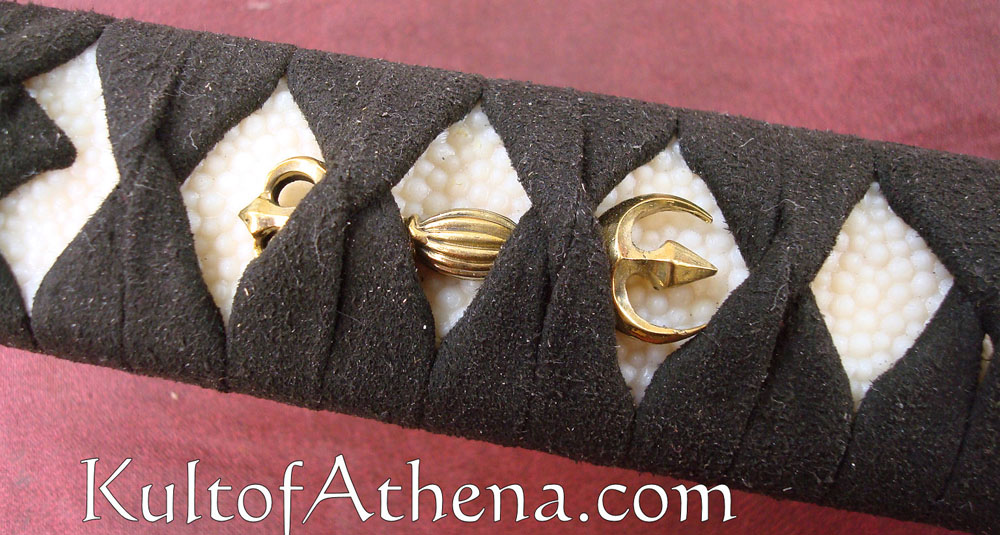
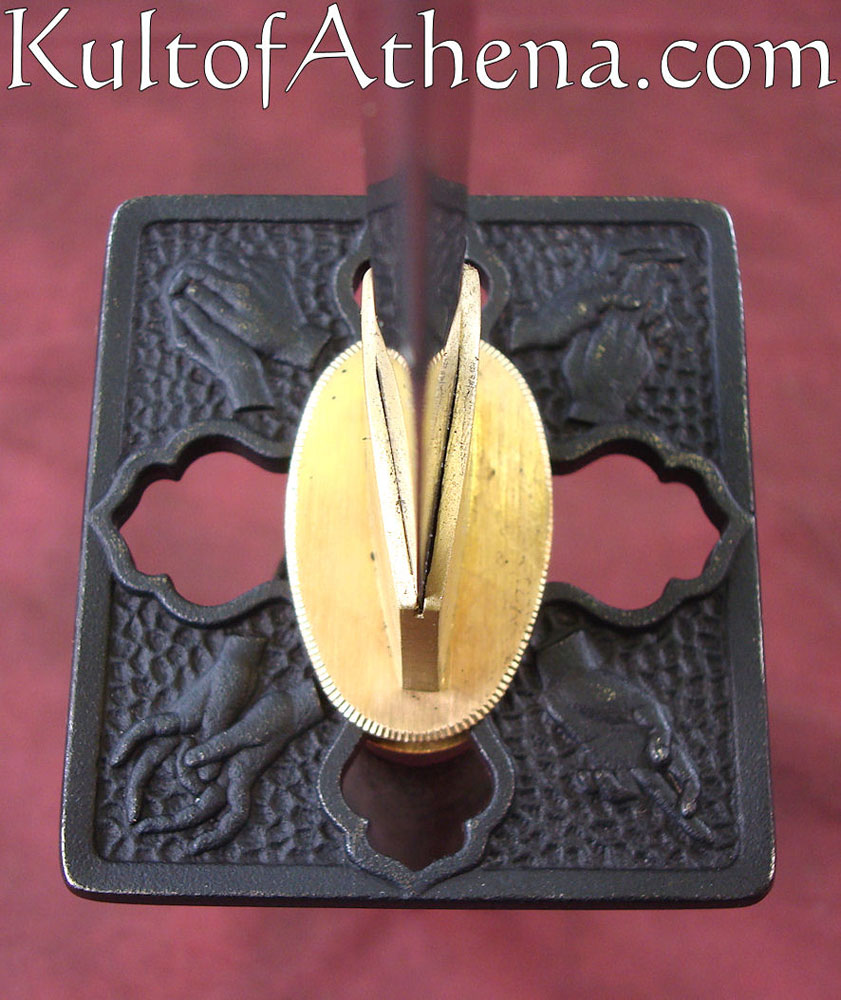
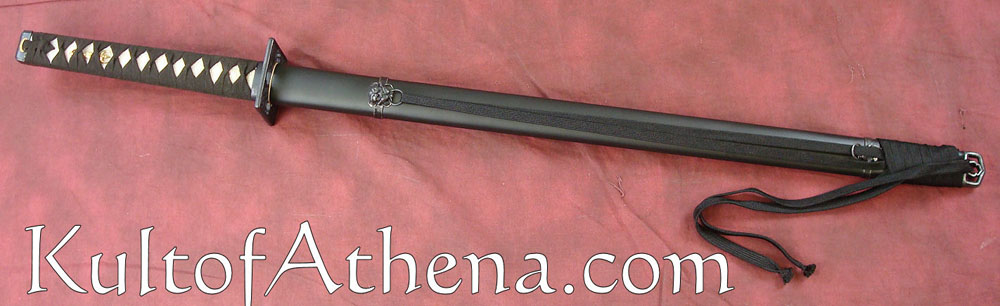
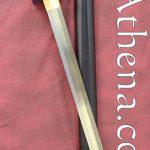
The Paul Chen / Henwai Practical Shinobi Ninja-to is the lastest generation of the Practical Ninja Sword, whose construction patterns closely that of the Practical Katana and is a wonderful addition for those studying the Way of the Ninja. The blade is made of hand-forged high-carbon steel and is differentially tempered using a traditional claying method. All the fittings (koshirae) are done in antiqued black iron. The ornate tsuba displays the kuji-kiri (energy-channeling hand positions) employed by the mystical ninja. The tsuka is wrapped in a synthetic ray skin (same), and the tsuka-ito is done in imitation black leather. The saya has flat black finish with demon-head bindings for the black Japanese cotton sageo and an intricate kojiri on the end of the saya. A sword no practitioner of Ninjutsu should be without. Features a sharpened high carbon steel blade.
Specifications
Every measurement that matters
- Brand
- Hanwei
- Culture
- Japanese
- Edge
- Sharp
- Pommel
- N/A
- Overall Length
- 34 1/2''
- Blade Length
- 24''
- Weight
- 2 lb 1.7 oz
- P.O.B.
- 4''
- Thickness
- 6.5 mm - 4.8 mm
- Width
- 30 mm
- Grip Length
- 10 1/4''
- Country of Origin
- China
- Type
- Ninja-to
Reviews
What collectors are saying
Q&A
Questions from the community
Q What is the Practical Shinobi Ninja-to built for? Common Question
This is a battle-ready ninja-to with a sharpened 1566 high-carbon steel blade, built along the same lines as Hanwei's Practical Katana. It's suited to a practitioner who wants a sword that can actually cut tatami or water bottles, not a wall-hanger.
Q What is the blade made of and how durable is it? Common Question
The blade is forged from 1566 high-carbon steel and differentially tempered using a traditional clay-tempering method, which gives it a hardened edge backed by a tougher spine. That combination is what lets a blade like this take repeated cutting use without chipping or bending under normal conditions.
Q Does this sword ship sharp, and what can I cut with it? Common Question
Yes, the edge is sharp out of the box. It's appropriate for cutting tatami mats or water bottles; it is not a sparring or stage-combat weapon.
Q How is the sword balanced, and what does that mean for handling? Common Question
The point of balance sits 4 inches out from the guard, which keeps the weight close to the hands on a blade this length. That makes for a nimble, responsive sword rather than a tip-heavy chopper, suited to the quicker, more compact cutting style associated with the ninja-to.
Q How long is the blade and the whole sword, and is it two-handed? Common Question
The blade runs 24 inches with an overall length of 34 1/2 inches, and the grip is 10 1/4 inches long. That grip length comfortably accommodates a two-handed hold, while the shorter-than-katana blade length keeps the sword compact and quick to draw.
Q What are the handle and fittings made of? Common Question
The tsuka is wrapped in synthetic same (ray skin) under black imitation-leather ito in a traditional diamond pattern, with menuki ornaments visible beneath the wrap. The tsuba, fuchi, and other fittings are done in antiqued black iron, with the square tsuba carrying a relief design referencing the kuji-kiri hand positions.
Q What does the saya (scabbard) look like and what is it made of? Common Question
The saya has a flat black lacquered finish with a kurigata (cord mount) and demon-head bindings for the black cotton sageo, plus a detailed kojiri cap at the end. A matching black sageo cord ships with the sword for tying it to a belt or obi.
Q How should I maintain this sword? Common Question
Wipe the blade down after handling, keep a light coat of oil on the steel to prevent rust, and store it in a dry place. The saya looks sharp for display and carry, but scabbards trap moisture over time, so the blade is better kept out of the saya for long-term storage.
Q Is this ninja-to a good fit for me? Common Question
If you're practicing cutting technique, studying Japanese or ninjutsu-inspired sword work, or want a functional short sword for tatami and water-bottle cutting, the sharp 1566 high-carbon steel blade and two-handed grip make this a solid working sword. If you want a blunt trainer for partner drills or stage work, this sharp-edged battle-ready blade isn't the right category.
The Maker
Hanwei
Shop Hanwei Swords, Armor & More
Master sword smith Paul Chen created Hanwei Swords and led the early industry by creating authentic handmade swords of the highest grade steel over the last several decades. A favorite amongst the industry, the original Hanwei factory suffered from a fire and ownership changes. In 2025, the factory closed and original collaborator Frenchie Jin’s forge (Dragon King / Kingston Arms) has taken over, improving and reintroducing past models. The reinvented Hanwei focuses primarily on Japanese and Chinese models, including the Performance Series Katana. Many of the original European models are now adopted as part of the Kingston Arms line.
Often paired together
No reviews yet. Only logged in customers who have purchased this product may leave a review.