




Landsknecht Emporium – Dorothea Dussack – Sharp
In stock
$488.00
- Shipping estimated at checkout
- Every blade inspected before shipping
- 30-day returns
- Overall Length
- 36 7/8"
- Weight
- 2 lbs 6 oz
- Brand
- Landsknecht Emporium
- Culture
- German
- Era
- Medieval
Overview
Landsknecht Emporium - Dorothea Dussack - Sharp
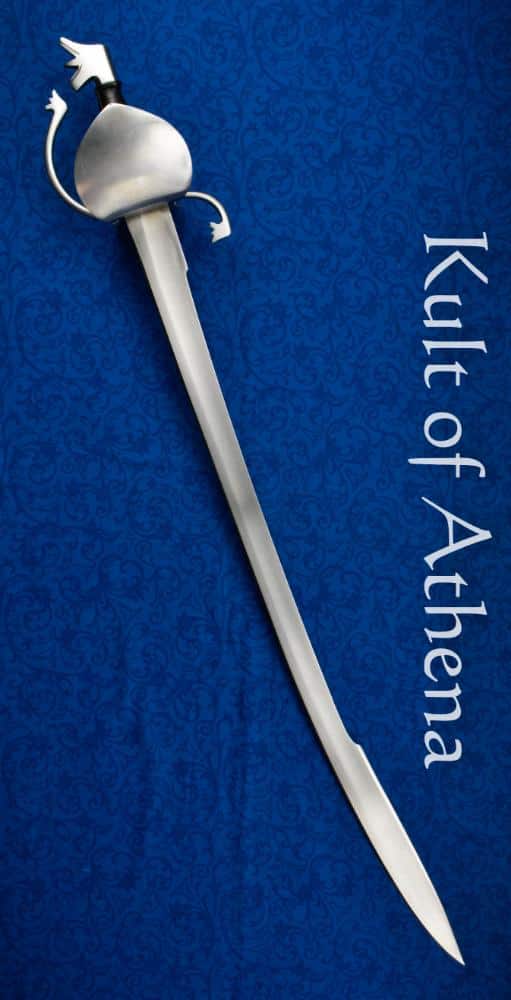
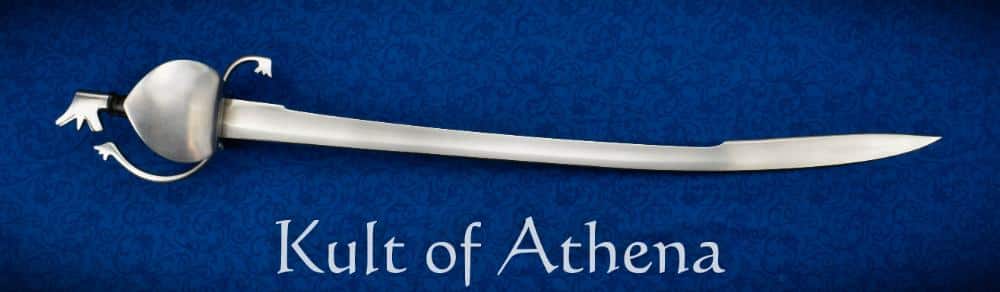
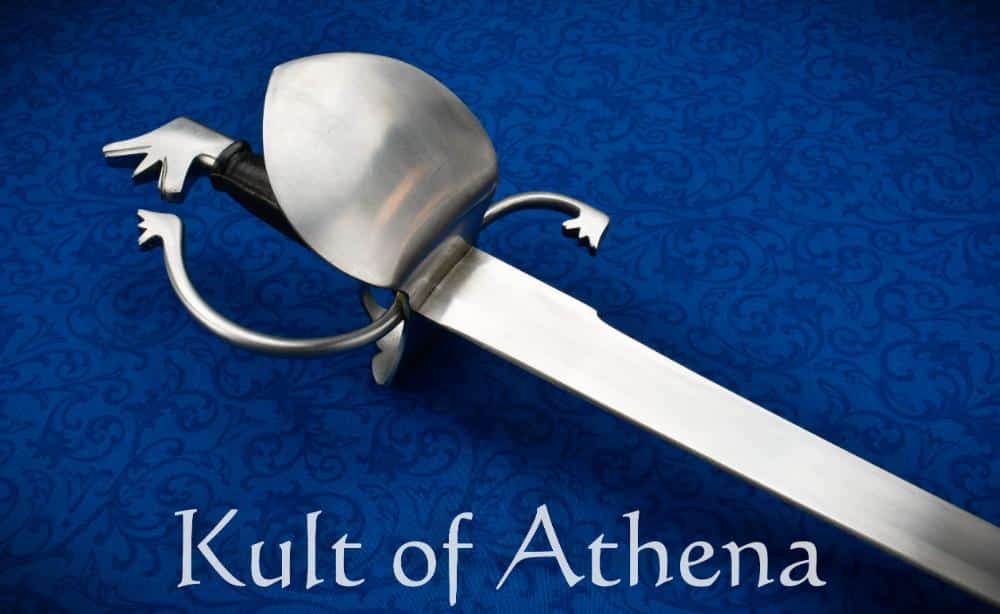
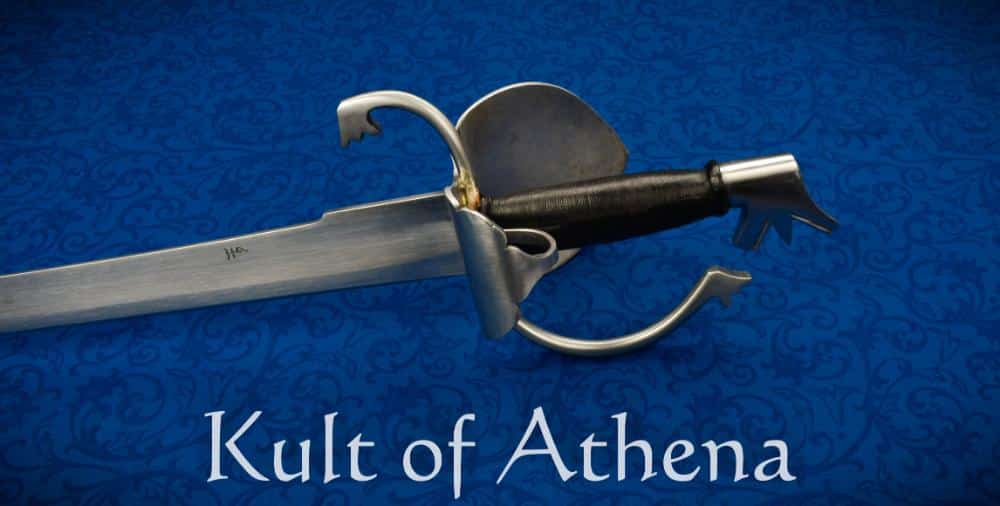
Landsknecht Emporium's Dorothea is their first exploration outside of the world of the Messer and they have chosen the fierce Dussack to reproduce in their workshop. Nimble, responsive and elegant, the Dussack still cuts and slices with great ability with its curved, saber-like blade. The sword is surprisingly light and easy to wield thanks to its extensive distal tapering. The base of the blade is thick and strong, and the main cutting portion where it flares out in a pronounced yelman with a sharpened false edge is thin to ensure it can slice through a target with minimized drag, as well as push the balance of the sword closer to the hilt for a finely tuned handling and balance.
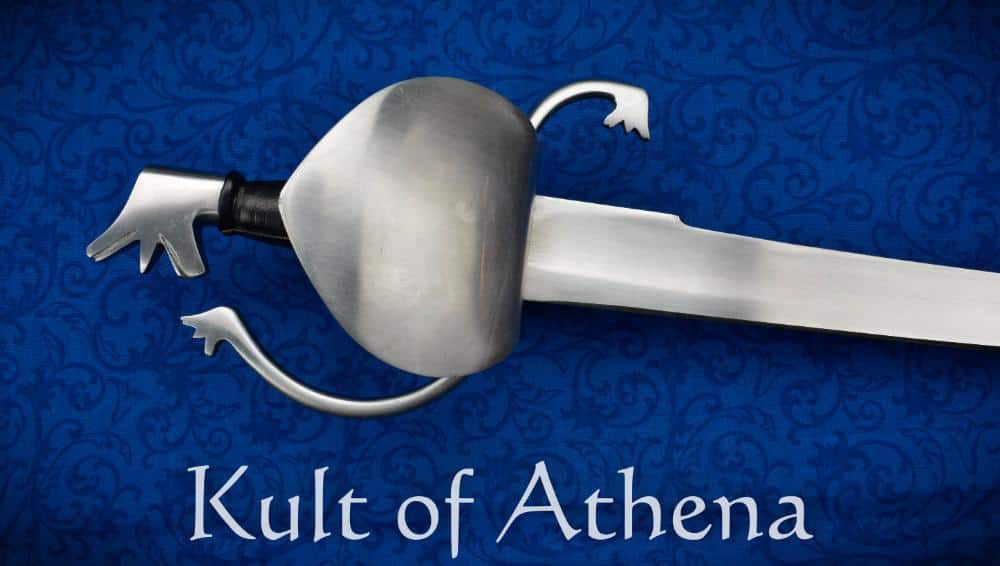
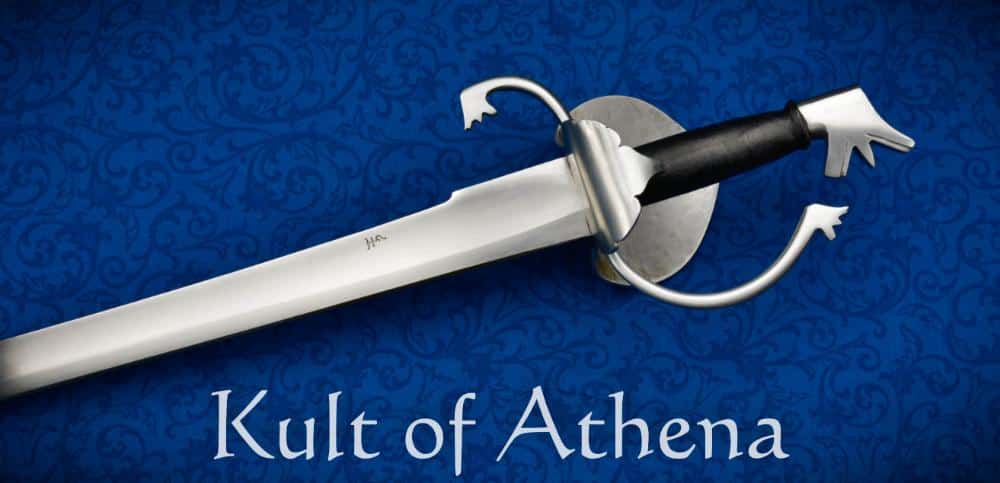
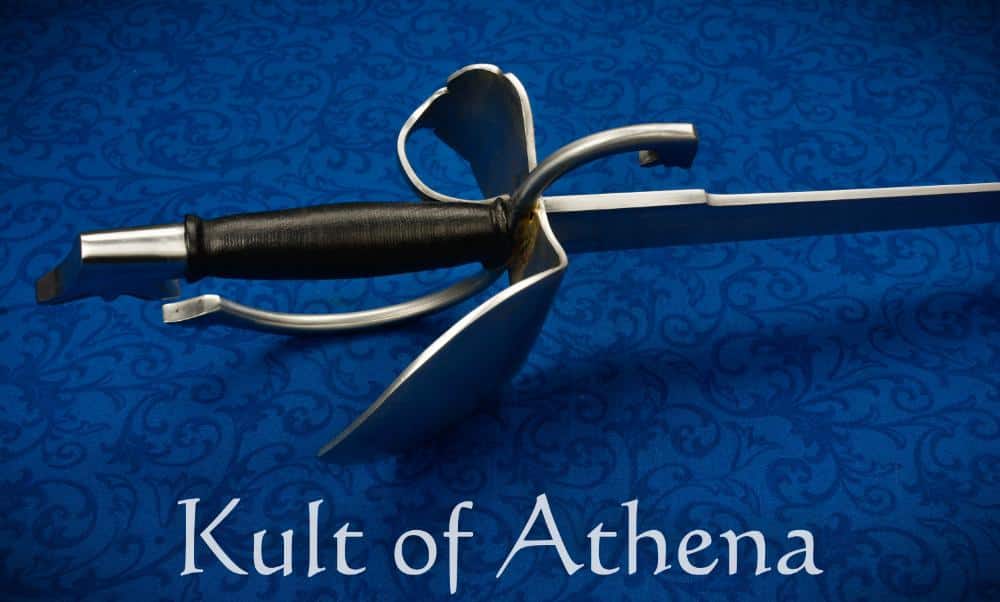
The protective guard and pommel are crafted from mild steel and the wooden grip is bound in black leather to complete the hilt. The blade is stoutly peened over the pommel for a robust and secure assembly.
The dussack is a sidearm originating in the early 16 th century, and it was first mentioned in the manuscript 'Ergrundung Ritterlicher Kunst der Fechterey' written by a fencing master Andre Paurñfeyndt in 1516. It has soon become a standard part of fencing treatments, where they are usually shown as made out of wood (for practicing purposes).
The actual weapon is defined by a now often curved blade, a knucklebow and protection for the back of the hand. The dusack's blade length usually lies between 635mm and 884mm. When it comes to the blades and hilts, the originals and period depictions show a considerable variation. Per Terje Norheim created a typology for them in 1971 which was translated by Keith Cotter-Reilly in 2020, who inspired us to do this project. From all the available variations, we choose a type G hilt with a type III blade – the latter is approximately equivalent to the Elmslie type 4a++ blade.
The blade and pommel are all fully ground by hand, the cross and the shell are hand- forged in Landsknecht's Emporium. The peculiar finials and pommel shape are based quite closely on antique Dussacks and are representing stylized sea monsters. According to Major Eivind Eyvang’s publication on the subject (also translated by Keith Cotter-Reilly), dussacks hilted with type G hilts are the lightest variation, with the originals weighing between 920g and 1150g. Our interpretation aims at a weight of 1050-1070 grams which yields a fast, nimble weapon while still having a sturdy enough blade to survive sparring.
While original type G hilts don’t really show any hard connection between the shell and the cross, we decided to braze them together for added security. It is also important to point out that although we slightly oversized the shell and cross, it may not fit heavy, bulky gloves.
Landsknecht Emporium products aim to have the aesthetics of historical pieces, not the finish of mass-produced items. Each product bears the signs of its making; of small tool marks and various handcrafted imperfections, which do not affect the build quality or usability but give each of our pieces its unique character.
Specifications
Every measurement that matters
- Brand
- Landsknecht Emporium
- Culture
- German
- Era
- Medieval
- Edge
- Very Sharp
- Pommel
- Integrated
- Overall Length
- 36 7/8"
- Blade Length
- 30 3/8"
- Weight
- 2 lbs 6 oz
- P.O.B.
- 3 5/8"
- Thickness
- 6 mm - 1.5 mm
- Width
- 40.5 mm
- Grip Length
- 4"
- Country of Origin
- Hungary
Reviews
What collectors are saying
Q&A
Questions from the community
Q What is the Dorothea Dussack built for, and is it sharp? Common Question
This is a battle-ready dussack with a curved, saber-like blade, built as a cutting sidearm rather than a display piece. It ships with a very sharp edge, so it's suited to cutting targets such as tatami or water bottles, not to sparring or contact drills.
Q Is this sword full tang? Common Question
Yes. The blade's steel runs the full length of the hilt and is peened directly over the integrated pommel, giving a continuous, one-piece connection from edge to pommel rather than a separate tang fitted into a assembled pommel. That peened construction is what makes the hilt assembly robust and secure for hard cutting use.
Q What steel is the blade made from, and how durable is it? Common Question
The blade is forged from 6150 high carbon steel, a spring steel known for toughness and good edge retention under repeated cutting. Combined with the thick base of the blade tapering to a thinner yelman near the tip, it's built to take the stress of regular cutting work.
Q How does the balance feel in the hand? Common Question
The point of balance sits 3 5/8" out from the guard, which is close to the hilt for a sword of this blade length. That forward-light balance comes from the extensive distal taper and the thin, flared yelman section, giving the dussack quick, nimble handling suited to cutting with a saber-like curved blade.
Q How heavy is this sword, and what does that mean for handling? Common Question
It weighs 2 lbs 6 oz. That's a light, fast-handling weight for a sword with a 30 3/8" blade, which the thin yelman and distal taper are designed to achieve while still keeping the base of the blade thick and strong.
Q What targets is this sword suited for cutting? Common Question
The curved, single-edged blade with its sharpened false edge and flared yelman is built to slice through cutting targets like tatami and water bottles with minimal drag. The thin cross-section near the tip is specifically shaped to cut cleanly rather than bind.
Q Where is this sword made, and what's the build quality like? Common Question
The Dorothea Dussack is made in Hungary by Landsknecht Emporium. The blade and pommel are ground by hand and the guard and shell are hand-forged, so expect the small tool marks and handcrafted character typical of a historically-styled piece rather than a uniform factory finish.
Q How should I care for this sword? Common Question
Wipe the blade down after handling to remove oils and moisture, then apply a light coat of oil to the steel before storing it somewhere dry. Keep the leather-wrapped grip away from excess moisture as well, and avoid long-term damp storage that could encourage rust on the high carbon steel blade.
Q What kind of sword is a dussack, historically? Common Question
The dussack is a 16th-century sidearm, first documented in a 1516 fencing manuscript, and it became a standard part of period fencing training, often made of wood for practice. This piece follows a type G hilt with a type III blade, based on period typology research, and features hand-forged finials styled after antique dussacks depicting stylized sea monsters.
Video
See it in motion
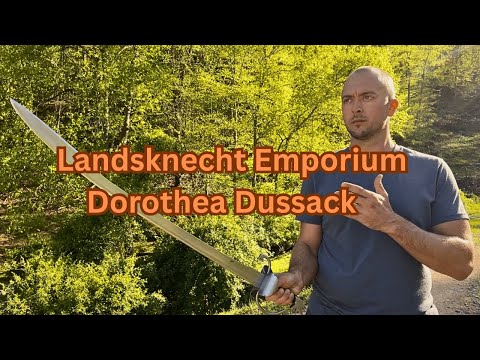
One of the Best (but Underrated) Single-Handed Sword Designs!
Landsknecht Emporium Dorothea Dussack | Kult of Athena
The Maker
Landsknecht Emporium
The Landsknecht was the archetypal mercenary of the late 15th and most of the 16th century, with their heyday being in the second quarter of the latter. They were pretty much the meanest & baddest soldiers around that time, with a heightened sense of fashion. Our goal is to create weapons a period Landsknecht would be proud to use, mostly on a budget that keeps it accessible to modern recruits.
Due to the continuous research we are doing, we sometimes stray from that time and location to better understand trends that led to the development of weapons we aim to recreate. We are progressing from simpler items towards the more complex ones. We started with making Messers in 2016 and it was our main focus in these past few years. We intend to cover most of the styles relevant to our interest, while we’re planning to expand our repertoire with Katzbalgers, Bidenhanders, various daggers and all kinds of awesome stabbiness in the foreseeable future.
We founded Landsknecht Emporium to this end in March of 2016 in the outskirts of rural Hungary, at the end of a dead-end dirt road in a house not unlike those of murderous hillbillies in the movies that we call home.
Often paired together

My first purchase from KoA and I couldn’t be happier. The Dorothea arrived quickly and better packaged than I expected. Between the curve and the yalmen the blade is very good looking. Just nimble enough to still do dussack/messar techniques but cuts like a dream. Whoever sharpens their swords knows what they’re doing. Two months later and I’m still impressed by the original edge. Absolutely worth it for the money and KoA is great.