
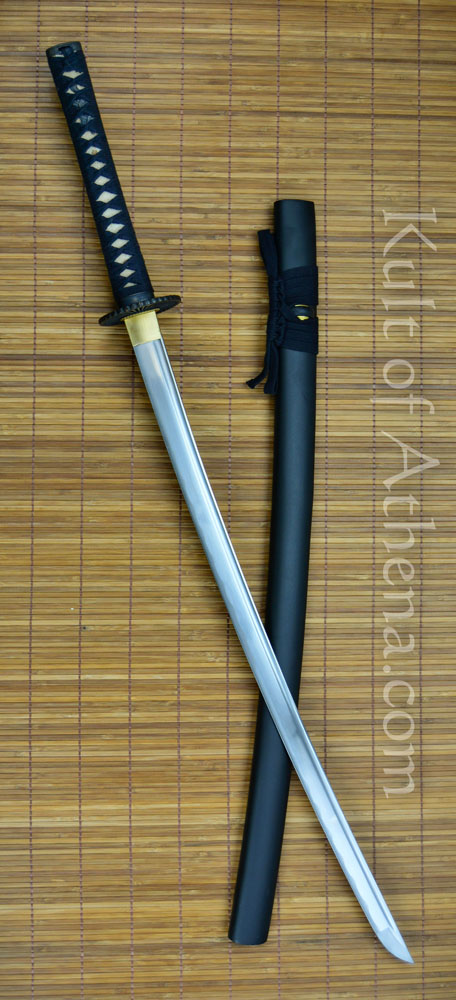

Musha Chrysanthemum Iaito
In stock
$99.99
- Shipping estimated at checkout
- Every blade inspected before shipping
- 30-day returns
- Blade
- 1040-to-1045-high-carbon-steel
- Overall Length
- 39 1/8''
- Weight
- 2 lb 3.3 oz
- Brand
- Musha
- Culture
- Japanese
Overview
Musha Chrysanthemum Iaito
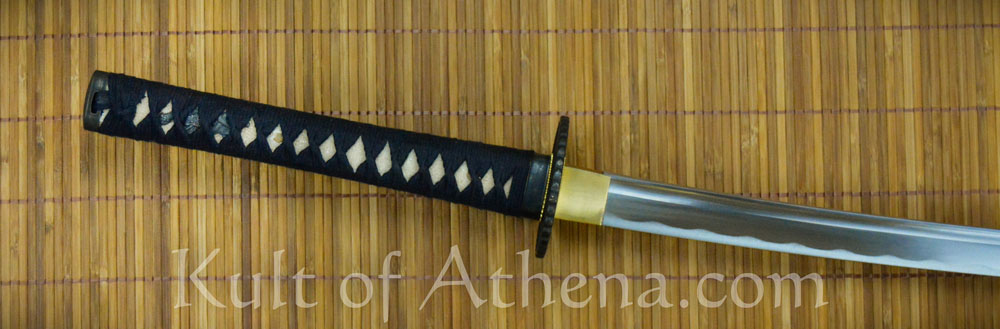
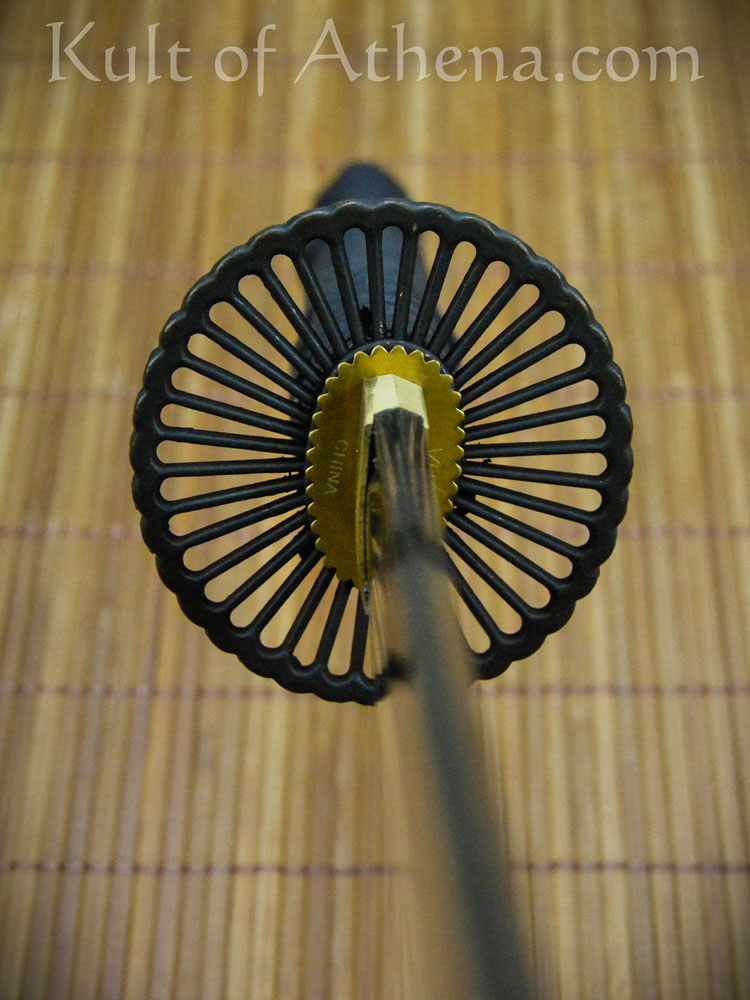
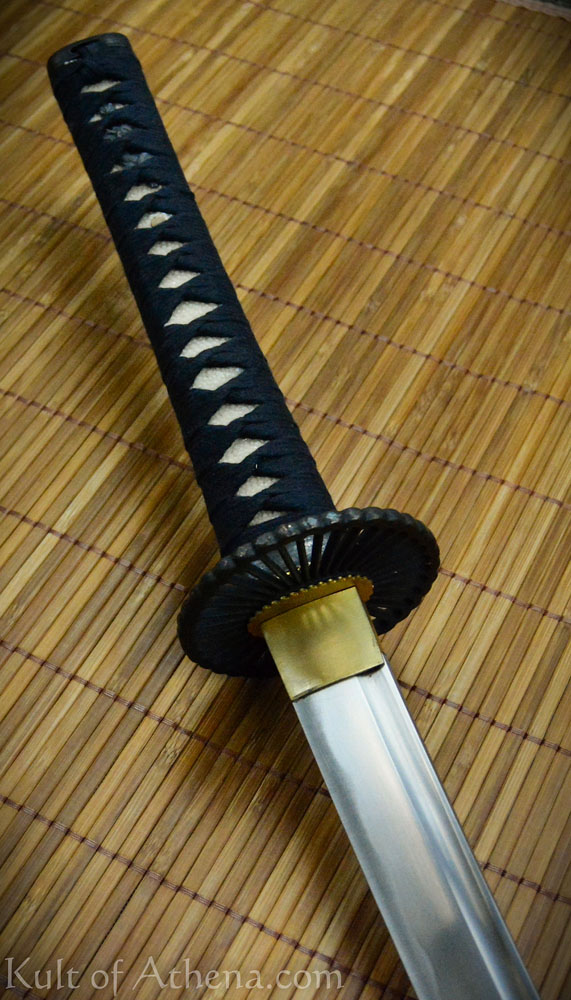
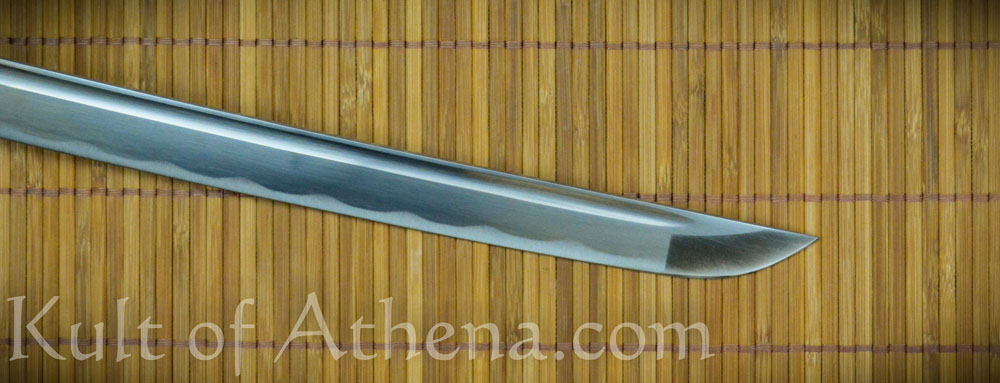
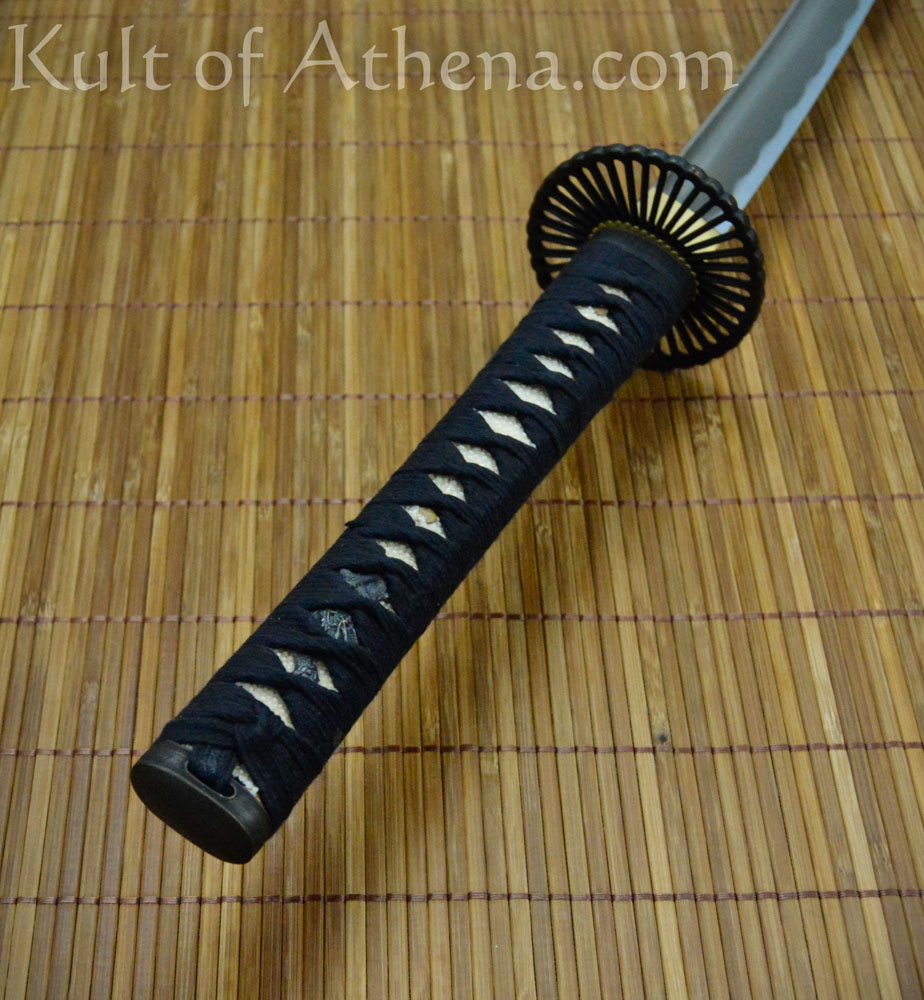
The Musha Chrysanthemum Iaito has an unsharpened blade of high carbon steel; the tsuba, fuchi and kashira hilt fittings are darkened metal and the wooden grip is inlaid with panels of rayskin and overlaid with knotted tsuka ito cord. The habaki and seppa are brass the the saya scabbard is carved from wood and treated with a blackened finish and fitted with a knotted black sageo cord.
A cloth sword bag is included with this katana.
Specifications
Every measurement that matters
- Brand
- Musha
- Culture
- Japanese
- Edge
- Unsharpened
- Pommel
- N/A
- Overall Length
- 39 1/8''
- Blade Length
- 27 3/4''
- Blade
- 1040-to-1045-high-carbon-steel
- Weight
- 2 lb 3.3 oz
- P.O.B.
- 6 1/4''
- Thickness
- 7.2 mm - 4 mm
- Width
- 31.5 mm
- Grip Length
- 10''
- Country of Origin
- China
- Type
- Iaito
Reviews
What collectors are saying
Q&A
Questions from the community
Q What is this sword meant for, and who is it right for? Common Question
This is an iaito, built for practicing iaido forms, draws, and sheathing movements rather than for cutting or sparring. It suits a practitioner who needs a katana-shaped trainer with the weight and feel of a live blade but no edge to manage.
Q Is the blade sharp, and can it be used to cut tatami or water bottles? Common Question
The blade ships unsharpened, so it is not set up for cutting tatami mats or water bottles. It is built for solo kata practice, where the motions matter more than an edge.
Q What steel is the blade made from, and what does that mean for durability? Common Question
The blade is 1040-to-1045 high carbon steel, a tough, slightly flexible steel that holds up well to the repeated draws, cuts, and resheathing of iaido practice. It is not intended to take or hold a cutting edge.
Q Where does this sword balance, and what does that mean for handling? Common Question
The point of balance sits 6 1/4 inches out from the guard, which keeps the blade quick and responsive through the fast draws, cuts, and returns to the saya that iaido forms call for.
Q What are the handle and fittings made of? Common Question
The grip is wood inlaid with rayskin panels and wrapped in knotted tsuka ito cord, with a darkened metal tsuba, fuchi, and kashira. The habaki and seppa near the guard are brass.
Q What is the scabbard made of, and how should I care for it? Common Question
The saya is carved from wood with a blackened finish and a knotted black sageo cord. Because scabbards trap moisture against the blade, store the sword outside the saya for the long term rather than leaving it sheathed.
Q How do I maintain the blade to keep it from rusting? Common Question
Wipe the blade down after handling, apply a light coat of oil, and keep it in dry storage rather than inside the saya for extended periods. This keeps the high carbon steel free of moisture that could lead to rust.
Q Does it come with anything besides the sword and scabbard? Common Question
Yes, a cloth sword bag is included for carrying and storing the iaito.
Q Where is this sword made? Common Question
It is made in China.
The Maker
Musha
Musha swords offer a variety of functional, battle ready blades made using 1045 carbon steel.
Often paired together
Functionally an unsharpened katana. The fitment is exceptional, especially for the price. This is not light as an Iaito tends to be, but rather it is weighted such that you must actually train with it if you want to safely swing it around and about. You will develop a lot of strength as you practice with katanas – this is why I bought this FIRST before buying the expensive stuff, to get used to it, bang it around on something once in a while on accident, no big deal. Beautiful steel and can be sharpened, however, know that doing so renders this blade a weapon of war, contrary to its conceived purpose. You would be betraying the blade. If you do so, I recommend engraving kanji related to said betrayal of the blade to go full traditionalist with it. Why not? Live a little. This was worth it.
So I am new to the study of Iaido and I needed a decent Iaito for practice. I am giving this a 4 star because for the price and material it is well worth it. My only gripe is the cotton wrapping around the Tsuka is absolutely terrible and will have to be redone. Not sure if it was tight at the factory and because of humidity or something it stretched and came loose but it was the worst I have seen on any katana. Other than that, the blade (which for me is most important) was very well done and while 1045 is not the best steel, for a practice blade that is not suppose to be sharpened anyway, where you want it to feel like your cutting blade, it serves the purpose. I would recommend it but just be warned, you will have to wrap the grip yourself if you want it to last through a few practice sessions.
I just got this today. The weight and balance feels good for training. Everything feels tight with the exception of the wrap which loosens up a bit. Still a great budget item for me and shipping was perfect!