
Ronin Katana Model 23
In stock
$149.94
- Shipping estimated at checkout
- Every blade inspected before shipping
- 30-day returns
- Weight
- 2 lbs 4 oz
- Brand
- Ronin Katana
- Culture
- Japanese
Overview
Ronin Katana Model 23
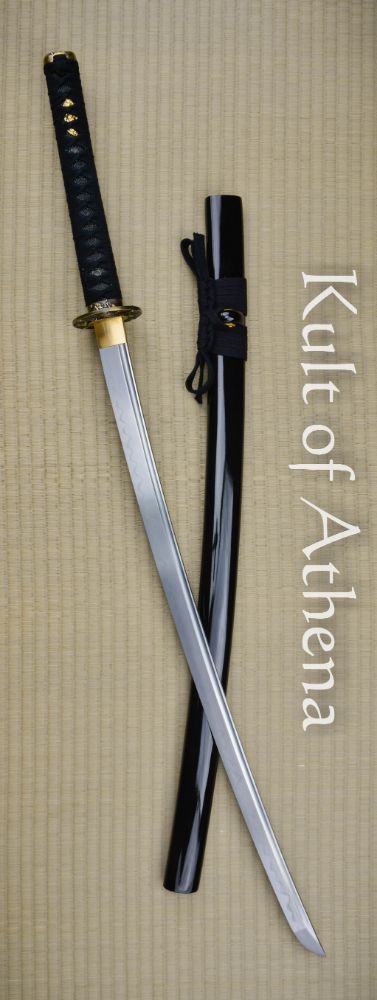
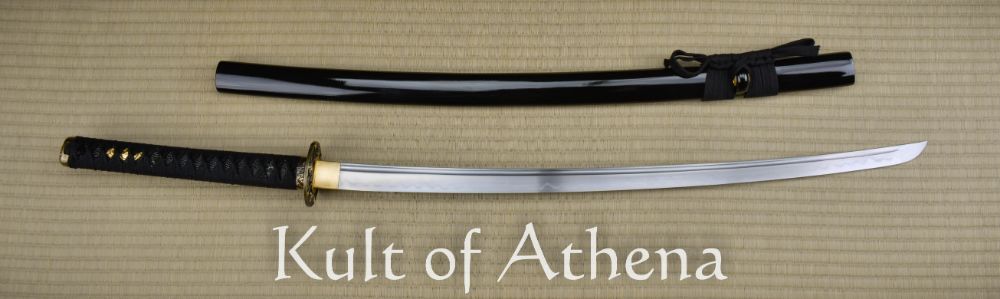
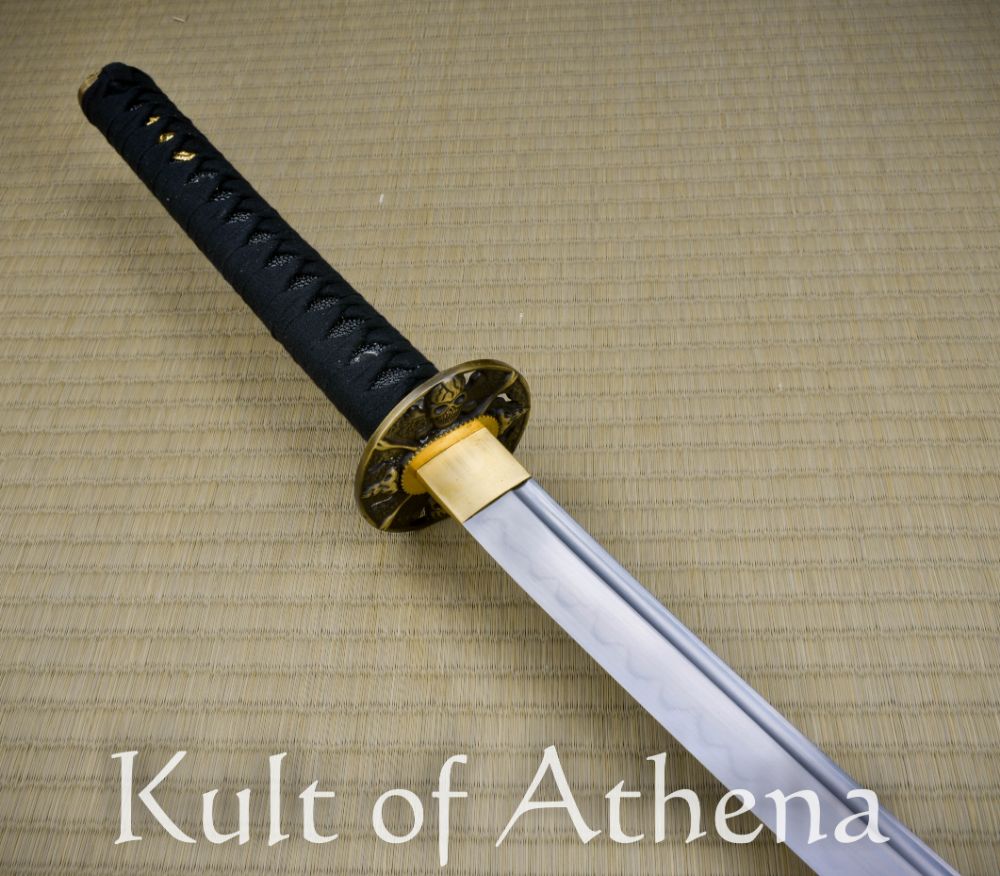
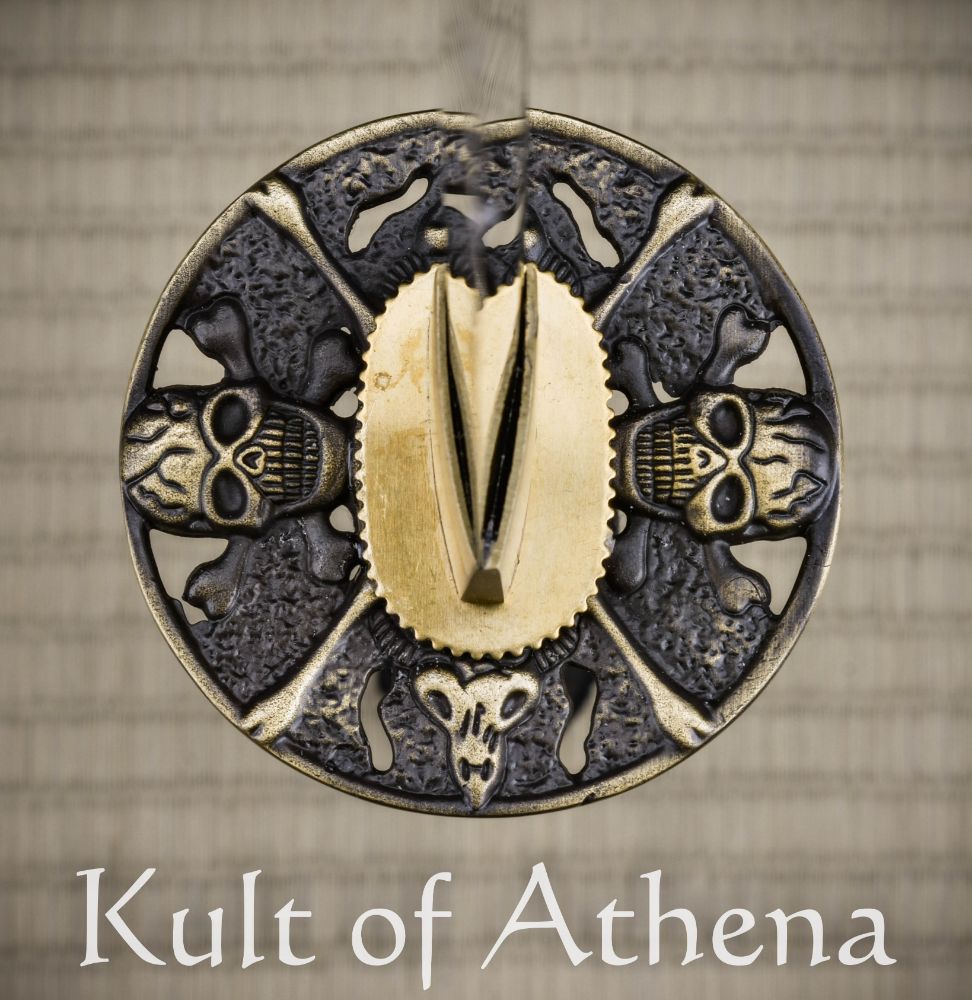
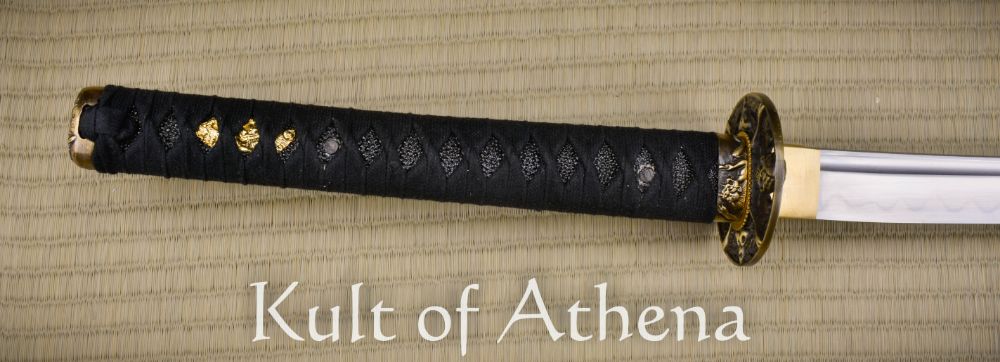
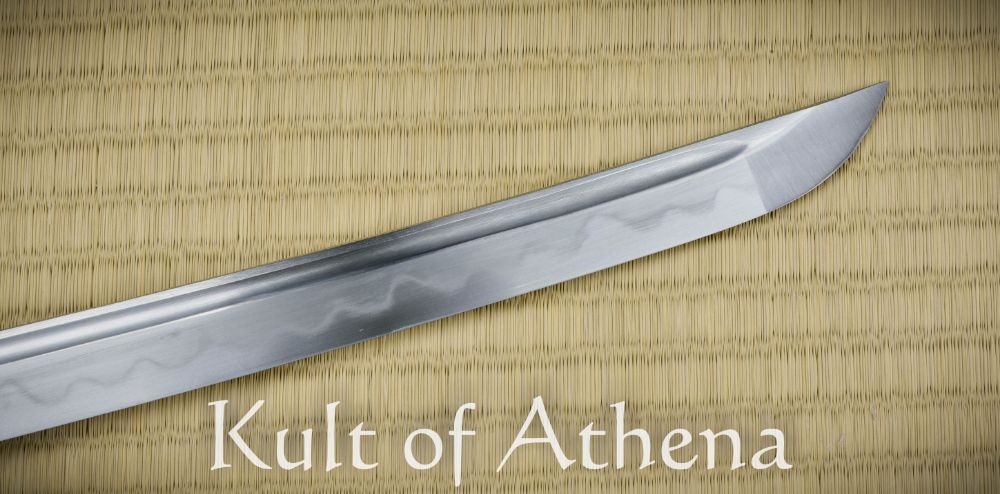
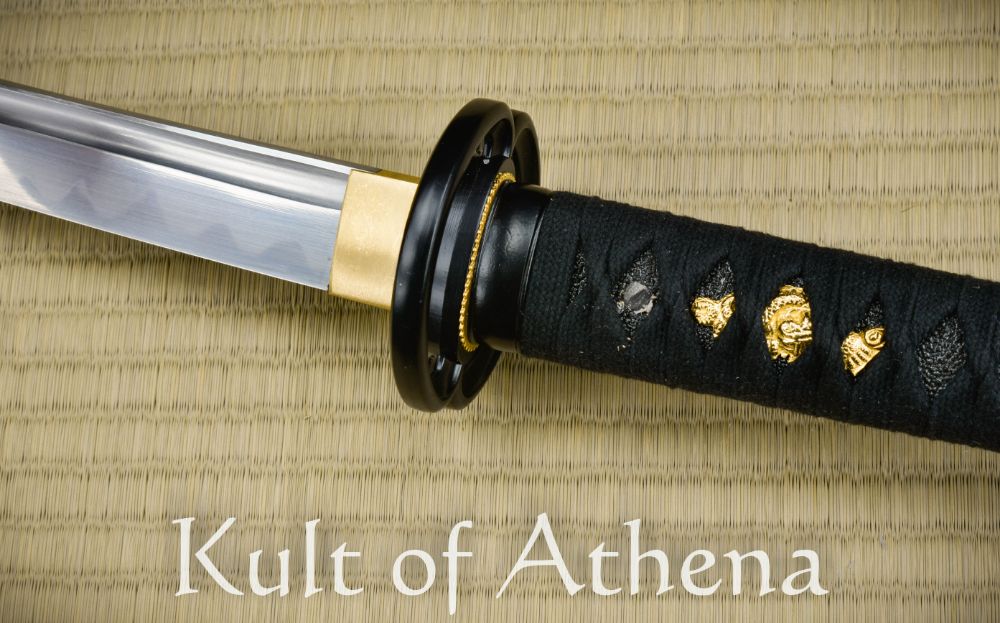
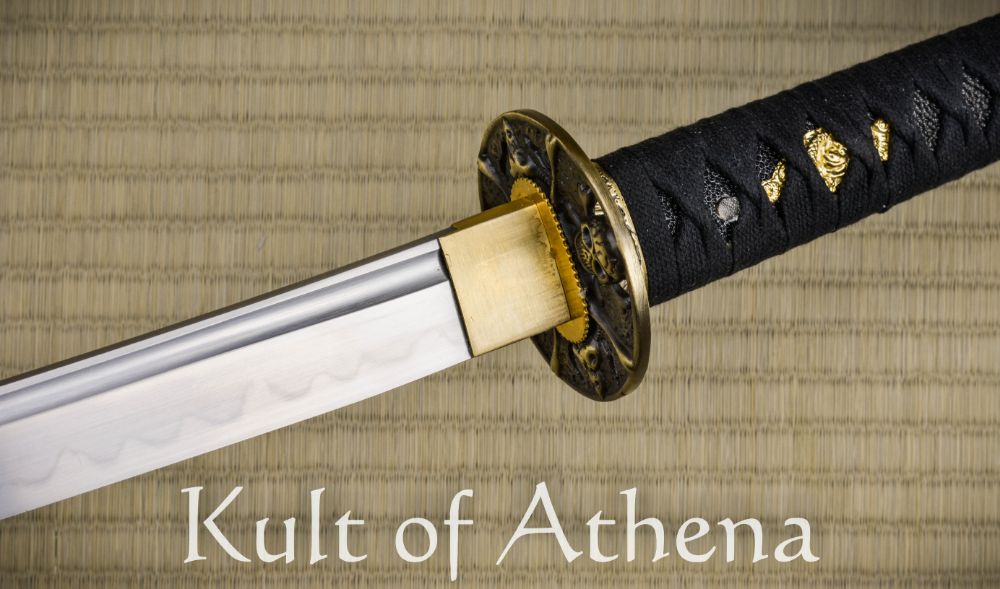
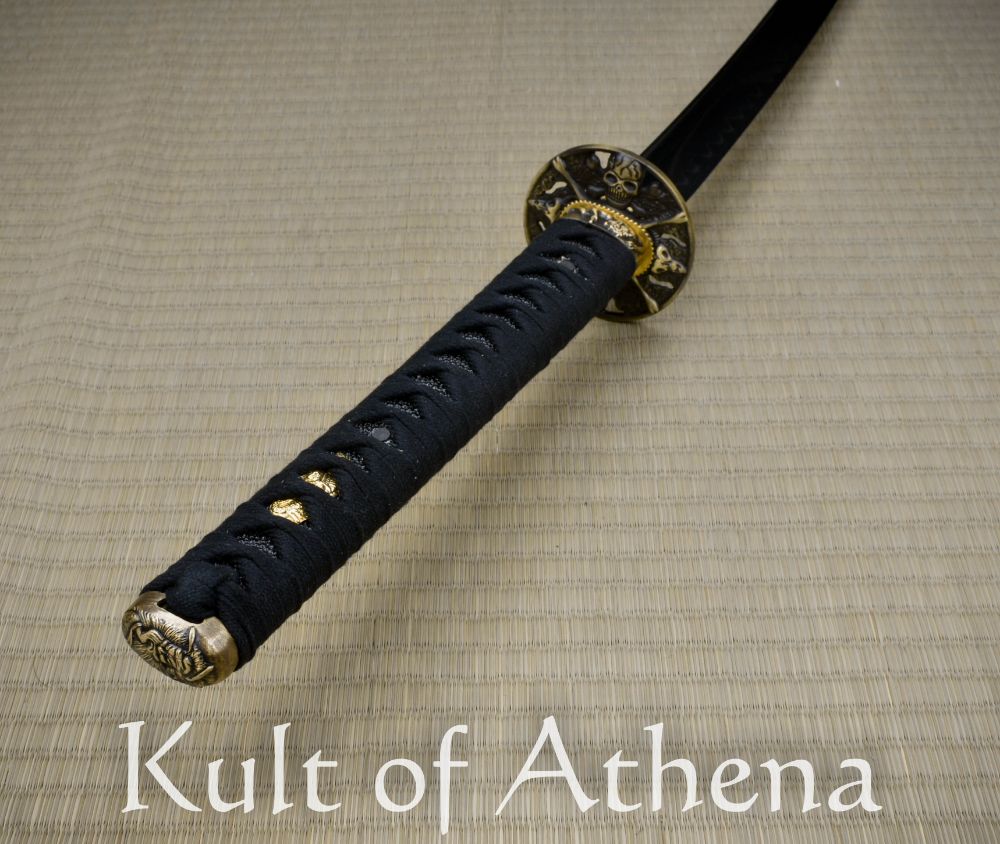
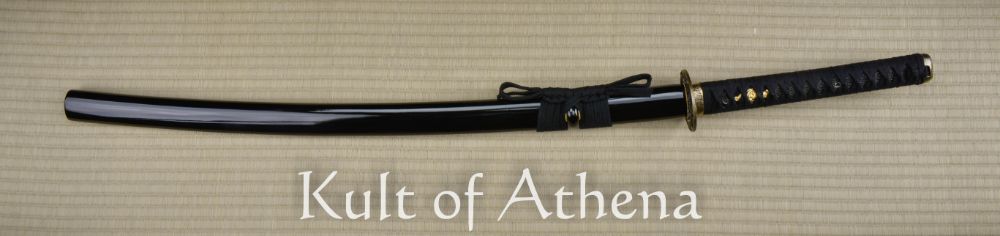
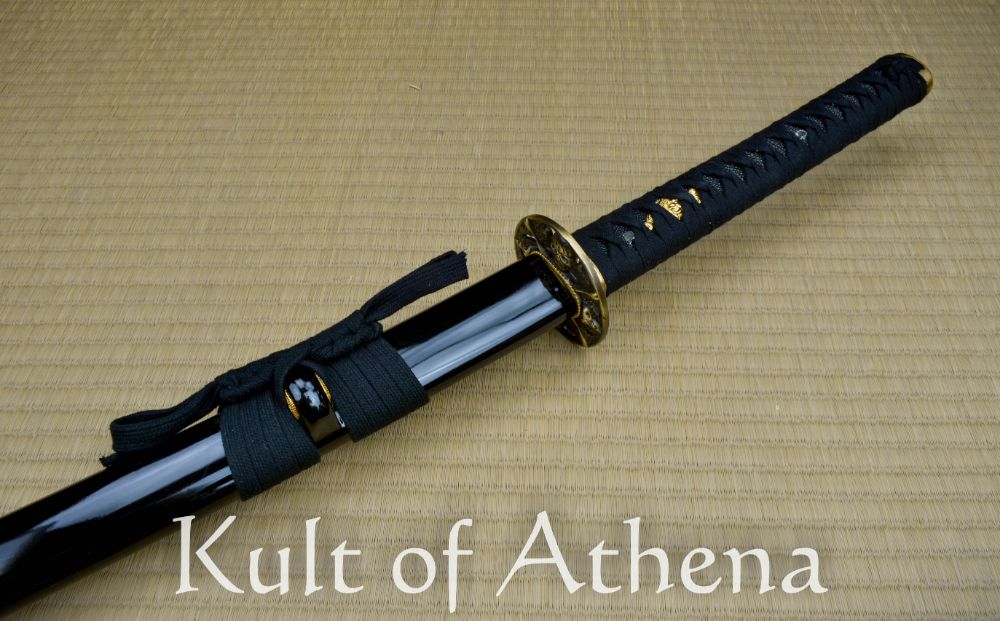
The Ronin Katana Model #23 Katana has a traditionally clay-tempered blade with a genuine hamon which is forged from 1045 high carbon steel; the final polish of the blade both brings out the wave-edged beauty of the natural hamon and hones the blade to a sharp cutting edge. The tsuba, fuchi and kashira are quality cast metal components full of antique finished detail and the tsuka grip is crafted from wood. The grip has panels of genuine rayskin and is completed with a knotted tsuka ito grip wrap of cotton. The sword is matched with a wooden saya scabbard which is completed with a glossy lacquer finish and a knotted sageo cord. Included is a cloth sword bag for storage or transport.
This type of sword is considered a quality entry-level cutter by Ronin Katana. Ronin advises that they are safe to use against single soaked tatami mats, as well as water bottles and similar targets. Ronin discourages their use against hard targets, as well as thick, hard plastic jugs
Specifications
Every measurement that matters
- Brand
- Ronin Katana
- Culture
- Japanese
- Edge
- Sharp
- Pommel
- N/A
- Blade Length
- 28 1/2"
- Weight
- 2 lbs 4 oz
- P.O.B.
- 5 1/4"
- Thickness
- 7.5 mm - 4.5 mm
- Width
- 31.3 mm
- Grip Length
- 10"
- Country of Origin
- China
- Type
- Katana
Reviews
What collectors are saying
Q&A
Questions from the community
Q What steel is the blade made from, and does it ship sharp? Common Question
The blade is forged from 1045 high carbon steel and is clay-tempered before being polished to a sharp cutting edge. This combination gives the blade both the toughness needed for test-cutting and the genuine hamon that comes from differential hardening.
Q Is this a full tang katana? Common Question
This follows traditional katana construction, where the tang runs about three-quarters of the length of the grip and is secured with bamboo pegs (mekugi) rather than running the full length of the handle. This is the traditional and most common way a katana is built, distinct from the full-width, riveted tang used on tactical or modern-style katana.
Q What does the hamon on this blade mean? Common Question
This blade is differentially hardened through a traditional clay-tempering process, and the final polish brings out a genuine hamon, the wavy line that marks where the hardened edge meets the softer spine. It's a visible record of how the blade was heat-treated, not an applied or etched pattern.
Q What can I cut with this sword? Common Question
This is suited to single soaked tatami mats and water bottles, which match the edge geometry and heat treatment of the blade. Hard targets and thick, hard plastic jugs should be avoided, as they can damage the edge or blade.
Q Where does this sword balance, and what is that good for? Common Question
The point of balance sits 5 1/4" out from the guard, keeping mass close to the hand. That placement suits quick, controlled cuts and makes the sword easier to maneuver through tatami and similar test-cutting targets.
Q How should I maintain this sword? Common Question
Wipe the blade down after handling or cutting and apply a light coat of oil to prevent rust, especially since this is a sharp 1045 high carbon steel edge. The saya is wood with a lacquer finish, and while it protects the blade during transport, moisture can get trapped inside it, so the sword is better stored outside the saya for the long term; the included cloth bag is a good option for day-to-day storage.
Q What comes with the sword? Common Question
The katana comes with its wooden saya, finished in glossy black lacquer and fitted with a knotted sageo cord, along with a cloth sword bag for storage or transport.
Q What is the handle made of? Common Question
The tsuka (grip) has a wood core wrapped in genuine rayskin panels, finished with a knotted cotton tsuka-ito wrap in a traditional diamond pattern. Small menuki ornaments sit beneath the wrap for grip and decoration, as shown in the photographs.
Q What do the tsuba and other fittings look like? Common Question
The tsuba, fuchi, and kashira are cast metal with an antique finish carrying detailed relief work; the photographs show a round guard with motifs such as scrollwork or a skull-and-crossbones design, paired with a brass-toned habaki at the base of the blade. These are fitted pieces rather than engravings on the blade itself.
Q Who is this katana built for? Common Question
Ronin Katana markets this as a quality entry-level cutter, built with a genuine hamon, sharp 1045 high carbon steel edge, and traditional koshirae fittings. It suits someone starting out in tatami cutting who wants a sword with real differential hardening rather than a display-only piece, while being best kept to soft, cut-appropriate targets like soaked tatami and water bottles rather than hard materials.
The Maker
Ronin Katana
Ronin Katana offers the largest selection of Samurai swords. After traveling to Longquan city, founder Chris Scoggin dedicated years to crafting a line of revolutionary Japanese and European swords.
Often paired together

No reviews yet. Only logged in customers who have purchased this product may leave a review.