

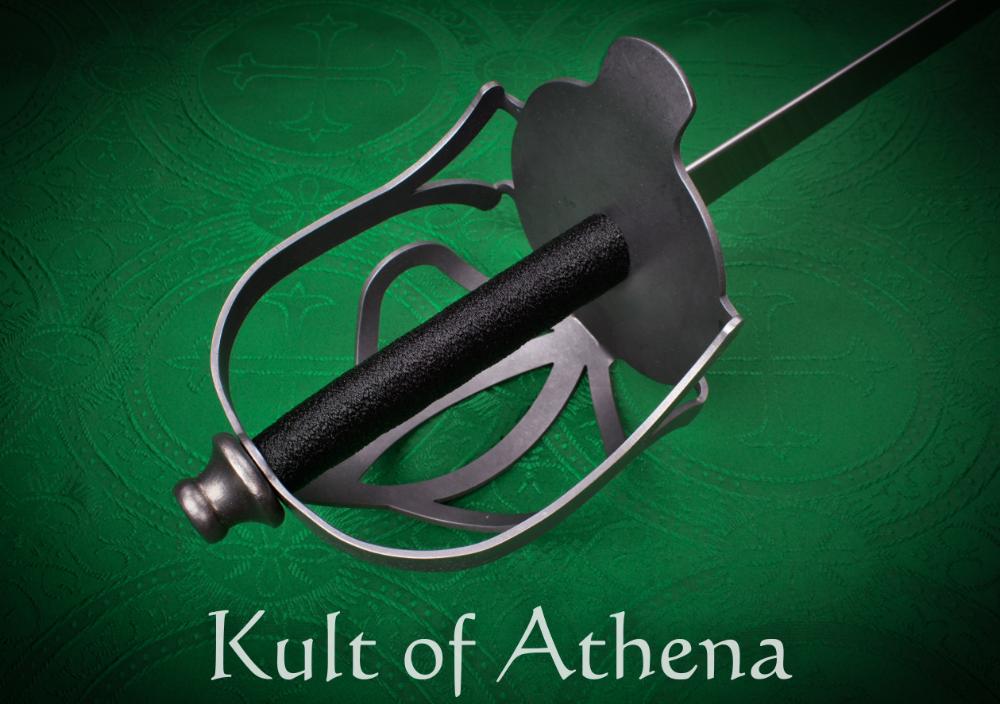
A Close Look at Sword Hilts: The Unsung Heroes of Sword Design
Swords have long been symbols of power, honor, and craftsmanship—tools of warfare, symbols of status, and the centerpiece of countless legends. While much attention is often given to the blade, the hilt plays an equally pivotal role in a sword’s overall design, functionality, and legacy. Not only does the hilt provide a secure grip for control, but it also defines the weapon’s purpose, comfort, and cultural significance. Like the blades themselves, sword hilts come in a variety of shapes and styles, each with its own story to tell. Let’s take a closer look at the evolution of sword hilts, exploring how different cultures and eras influenced their design.
The Role of the Hilt: Functionality and Safety
The primary function of a hilt is simple but essential: to provide the wielder with a firm, secure grip, ensuring effective use in combat. Yet, the hilt does much more than simply hold the sword. It directly influences how the weapon is handled, the protection it offers, and even the social standing of its owner. A finely crafted hilt can significantly improve a sword’s balance, making it feel more natural and fluid in the hand. Additionally, it offers a crucial safeguard, protecting the user’s hand from strikes while enhancing control and precision during battle.
Material Resources and Craftsmanship: How Geography Influences Hilt Design
The materials used in hilt construction were often shaped by geography and available resources. In ancient Egypt, hilts were frequently crafted from wood or bone. As blacksmithing techniques progressed in medieval Europe, iron and steel became the go-to materials for both blades and hilts. In regions where precious metals like gold, silver, or bronze were abundant, hilts were often adorned with intricate designs, transforming swords into symbols of wealth and power.
For cultures with limited access to metals, swordsmiths found innovative alternatives. Leather-wrapped hilts, bone, and ivory were commonly used—materials that, while not as durable as metal, still provided functional grip and allowed for artistic expression in the sword’s design.

Combat and Tactics: The Role of the Hilt in Battle
A sword’s hilt design was closely tied to the type of combat it was meant to support. For example, swords like the Roman gladius, intended for close-quarters fighting, often featured short and simple hilts that allowed for quick, precise thrusting motions. In contrast, swords designed for mounted combat, such as the sabre or scimitar, typically had longer, curved hilts to facilitate fluid, sweeping slashes while riding horseback.
Certain hilt designs were also crafted to offer superior defense. The basket hilt, for instance, seen in many Renaissance European swords, fully encased the hand in a protective cage, providing an extra layer of security during intense close combat. This allowed the wielder to adopt aggressive, offensive techniques without the constant fear of hand injury.
Cultural Influence: Symbolism in Hilt Design
Swords were not only tools for combat; they were also potent symbols of wealth, power, and social status. The design of the hilt could often indicate the cultural or social rank of the sword’s owner. Take the katana, for example: the iconic sword of the samurai. The hilt was wrapped in an intricate cord (tsuka-ito), often made from silk or leather. This grip wasn’t just functional; it was symbolic, reflecting the wearer’s status and adherence to Japanese tradition. The menuki—decorative elements embedded into the hilt—often represented the wearer’s family or personal beliefs, further personalizing the weapon.
In Renaissance Europe, the rapier served not only as a weapon for dueling but also as a statement of aristocratic refinement. The complex, ornate hilt, with sweeping knuckle guards and intricate designs, symbolized both nobility and the wearer’s class.
Types of Sword Hilts: Key Styles Explained
- Straight Crossguard: Simple and Effective
- Examples: Early Medieval Arming Sword
- Design: A straightforward cross-shaped guard with two straight bars perpendicular to the blade.
- Function: Protects the hand during cut and thrusts while offering balance for the sword.
- Cultural Context: Common in early medieval swords. A minimalist design that prioritizes practicality.
- Basket Hilt: Full Hand Protection
- Examples: Scottish Basket Hilt
- Design: A full, basket-like guard that surrounds the hand entirely, often crafted from iron or steel.
- Function: Provides complete protection for the hand while allowing for complex, aggressive fighting techniques.
- Cultural Context: Popular in Renaissance and early modern European swords, particularly in longswords and sabres.
- Knuckle Guard: Practical and Protective
- Examples: Sabre, Cutlass
- Design: A curved or straight guard wrapping around the knuckles for added protection.
- Function: Shields the hand while enabling fast, precise slashes.
- Cultural Context: Common in many European swords from the 17th century onward, particularly in naval combat.
Famous Swords and Their Iconic Hilt Designs
Some swords have achieved legendary status thanks to their distinctive hilt designs:
- The Gladius: Known for its simple, cross-shaped guard, the gladius was an essential tool in Roman close-quarters combat. When paired with the large scutum shield, it allowed Roman soldiers to execute precise thrusts in tight formations, even on uneven terrain or within city streets. Its hilt design speaks to the Roman military’s practical and utilitarian mindset.
- The Katana: The samurai sword, renowned for its elegant craftsmanship, also had a hilt wrapped in intricate cord (tsuka-ito) and decorated with menuki. This blend of form and function reflected the samurai’s disciplined lifestyle and strong connection to Japanese tradition.
- Scottish Basket Hilt Sword: This one-handed sword features a protective basket guard that surrounds the hand, perfect for both cutting and thrusting. Its rugged design mirrors the resilient spirit of the Scottish Highlands, ideal for intense, close-range combat.
- The Claymore: A two-handed sword with a simple, cross-shaped hilt, the claymore is a symbol of Scottish strength and independence. Its large blade delivers powerful, crushing blows, making it a weapon of choice for battle in the Highlands.
- The Rapier: Known for its elaborate, intricate hilt, the rapier was as much a fashion statement as a weapon. Popular among European nobles, it often featured sweeping knuckle guards and ornate designs that showcased the wielder’s social standing.
Conclusion: The Power of the Hilt
The hilt is a defining feature of the sword that impacts its use, protection, and meaning. Simple or ornate, the hilt reveals the culture, purpose, and status of its wielder, offering a glimpse into the artistry and craftsmanship of the era. Next time you hold a sword, remember—it’s not just the blade that carries the legacy, but the hilt as well.
Leave a Reply