
LK Chen – Golden Willow Liuye Dao
Back Ordered
$949.99
Join Waitlist
You must register to use the waitlist feature. Please login or create an account.- Shipping estimated at checkout
- Every blade inspected before shipping
- 30-day returns
- Blade
- Folded 1065 and T9 Steel
- Weight
- 1 lb 15 oz
- Brand
- LK Chen
- Culture
- Chinese
- Era
- Qing Dynasty
Overview
LK Chen - Golden Willow Liuye Dao
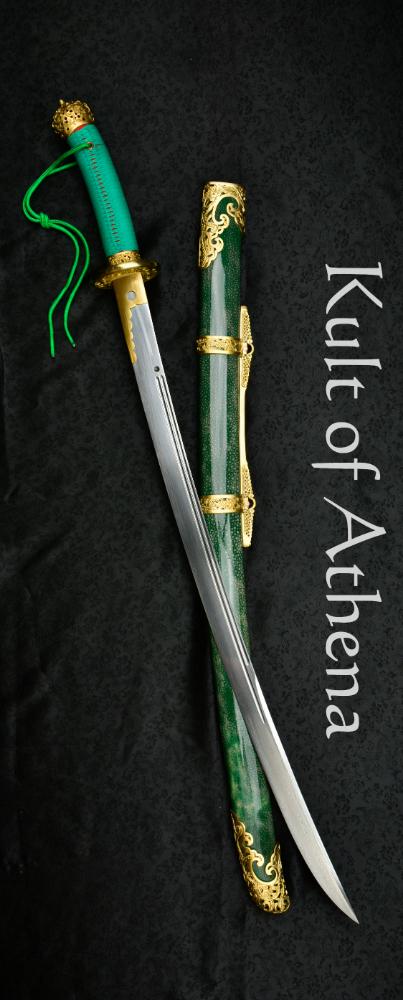
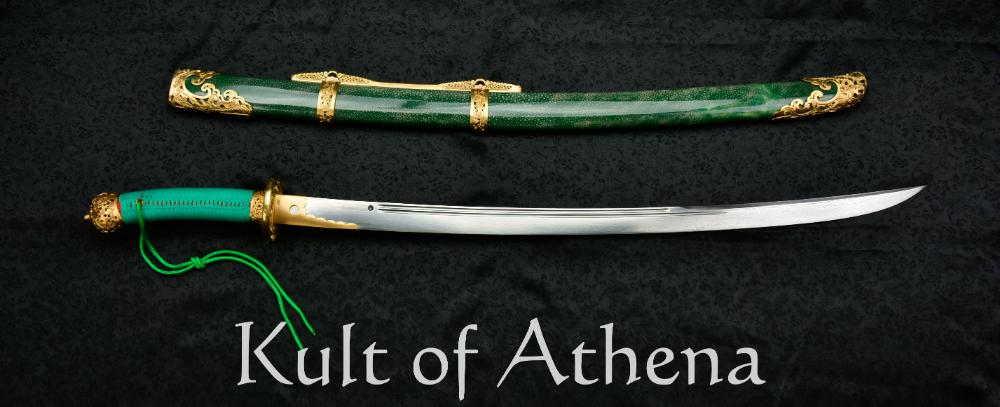
The exquisite Golden Willow Liuye Dao is a recreation borne from close study and research by LK Chen of a fantastic 18th century Qing Dynasty example that not only had an elaborately formed and elegant "willow leaf" shape blade, but was also matched with gorgeous brass hilt and scabbard fittings in the "Yuanshi" (Rounded) style that was the height of fashion at the 18th-19th century Qing Court. It was almost certainly a sword commissioned by a 19th century military officer who wanted a sword that was as elegant as it was deadly. The Qing Court gave military officers a stipend in silver to obtain a sword, with many of them choosing to purchase the lowest quality sword possible to comply with regulation and then pocketing the rest for ignoble pursuits. However, in this example we see an example from a Qing officer who took his station seriously and matched it with the finest quality sword he could acquire. This recreation from LK Chen is quite a premium piece and you risk it becoming a show-stealer and the central focus of your collection should you introduce it among your other swords. Gorgeously detailed throughout, the sword is a showcase of Chinese martial history and swordsmithing.
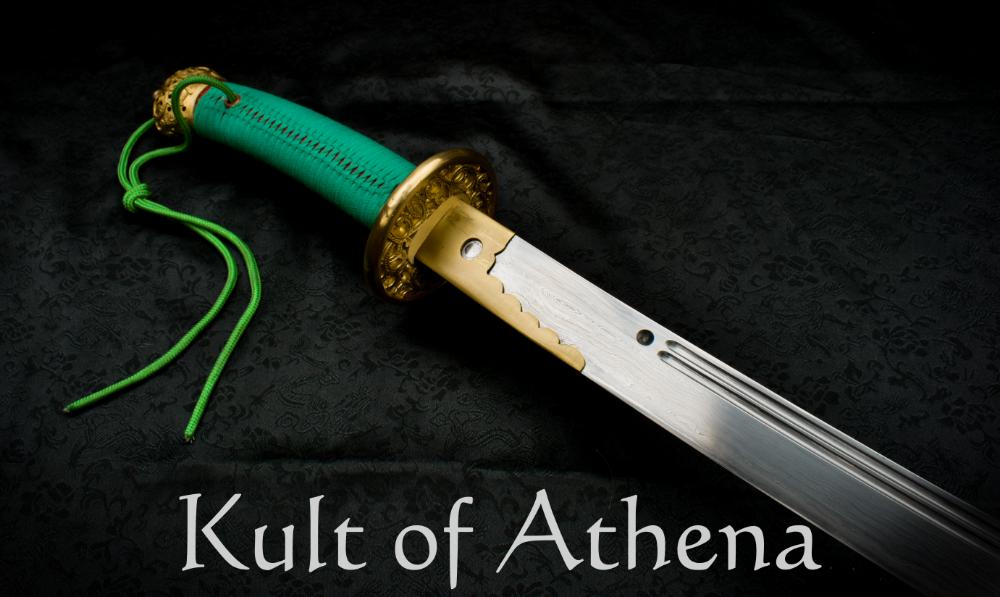
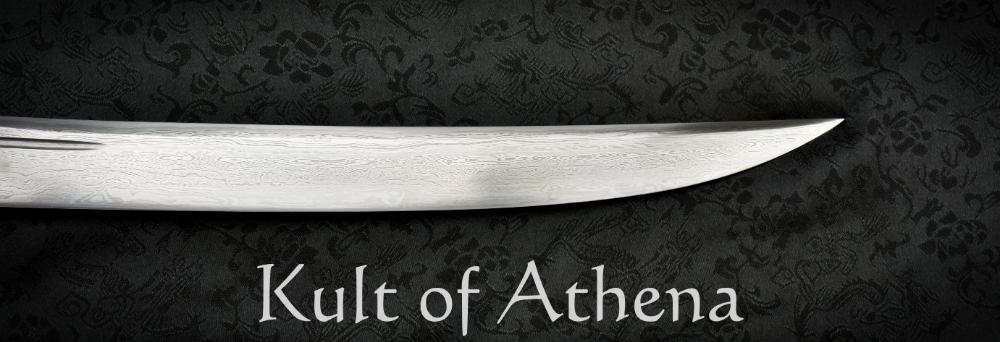
The blade is forged from 1065 and T9 steel which have been melded and folded into a single patterned blade that at a glance shows the beautiful ripple-like patterning formed from the two flowing steels forged into one. Sharp and well-tempered, it has a thick spine for durability which imparts mass needed to power it though a strike, and this drastically tapers into an unsharpened false edge along the last third of the blade to the tip which not only reduces weight for finer balance, but also thins out the main cutting portion of the sword to dramatically reduce drag and resistance as it slices through the target.
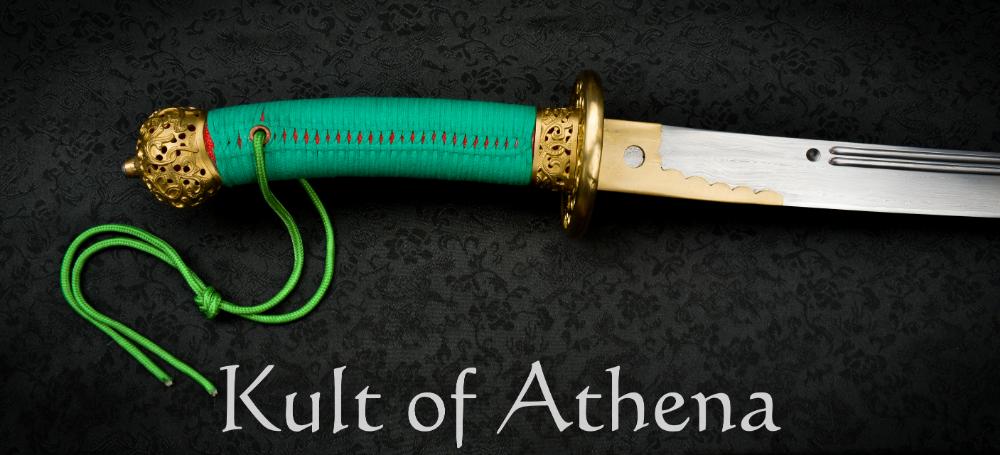
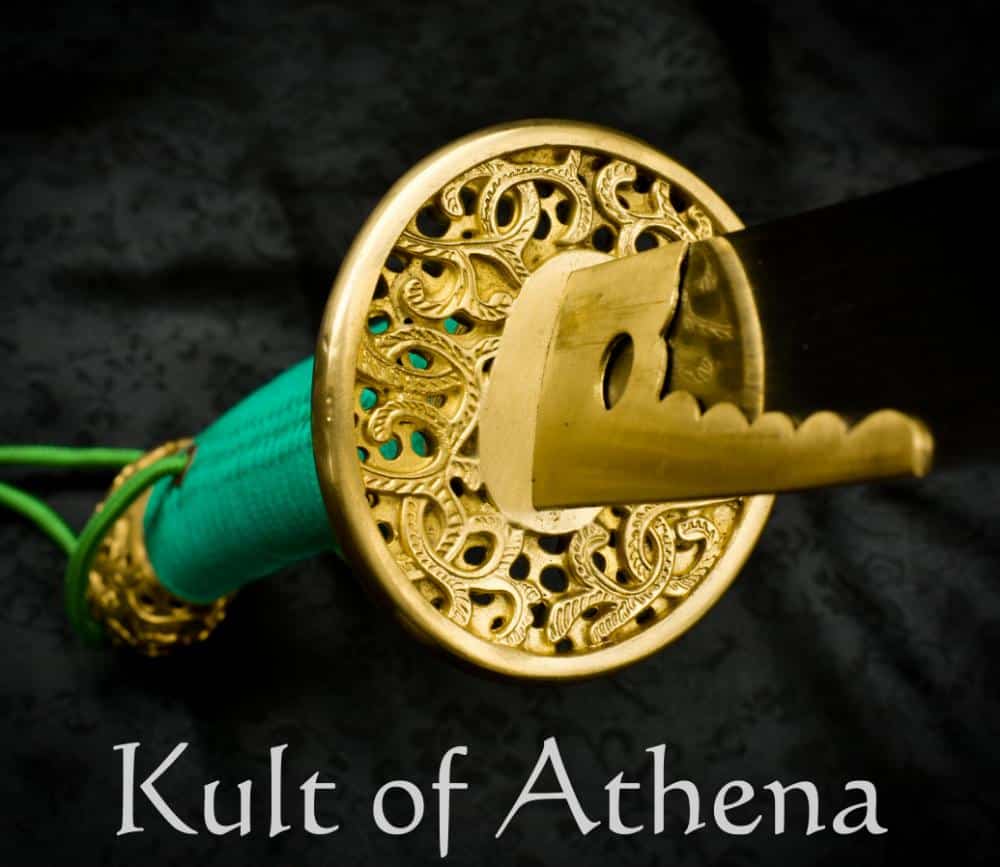
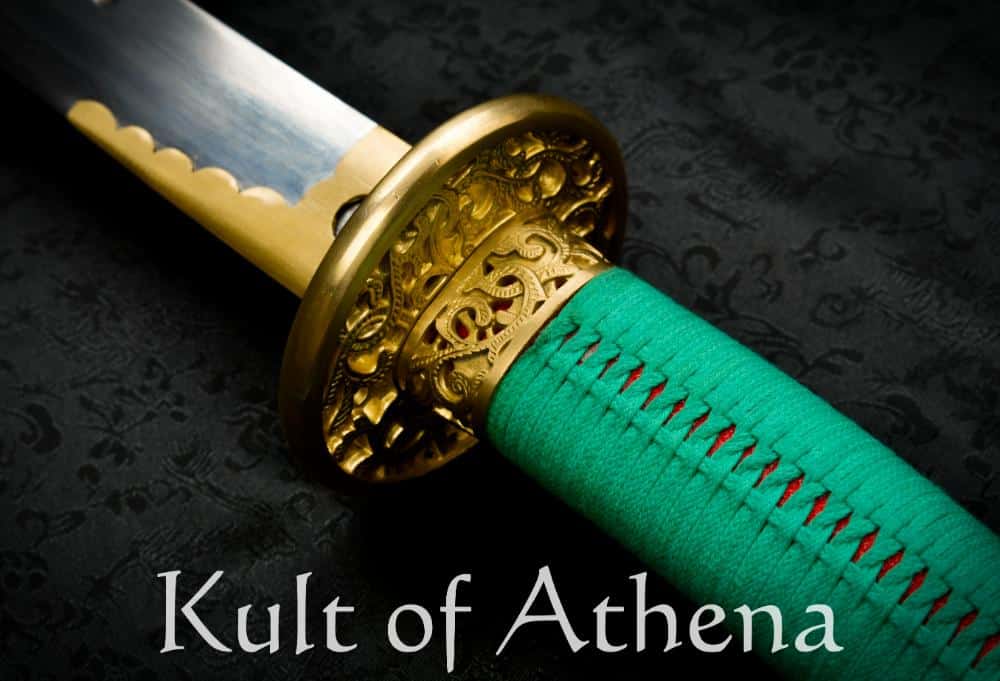
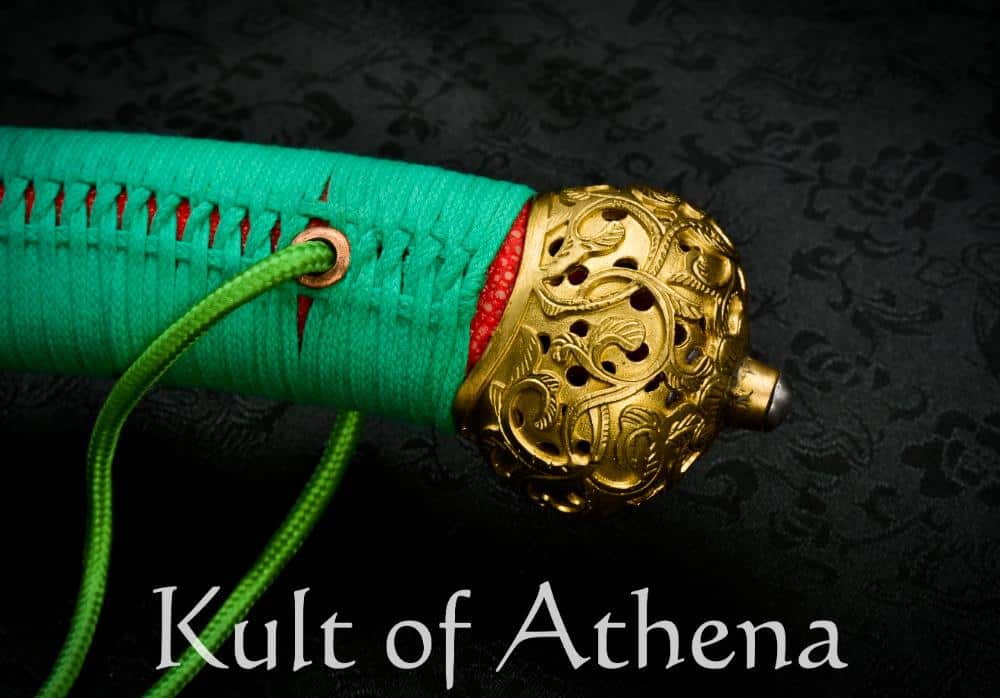
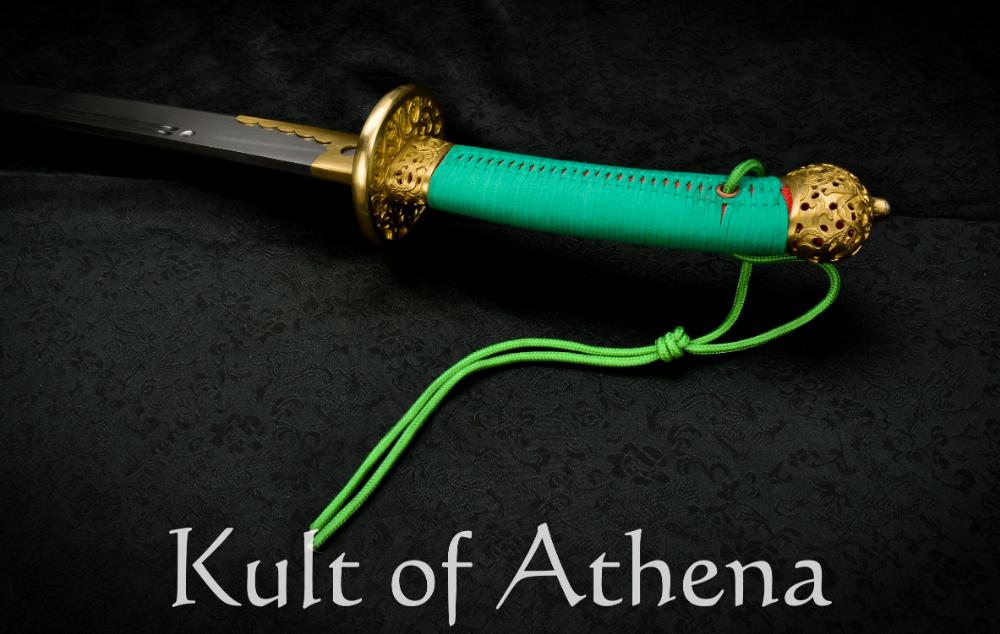
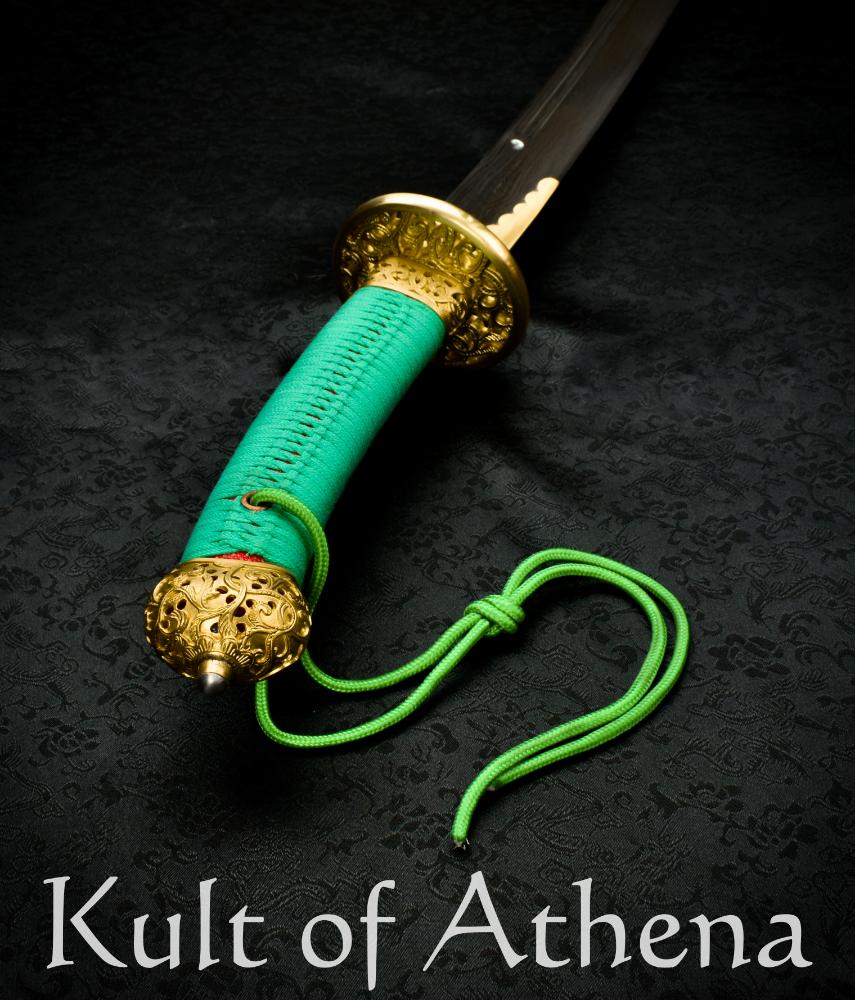
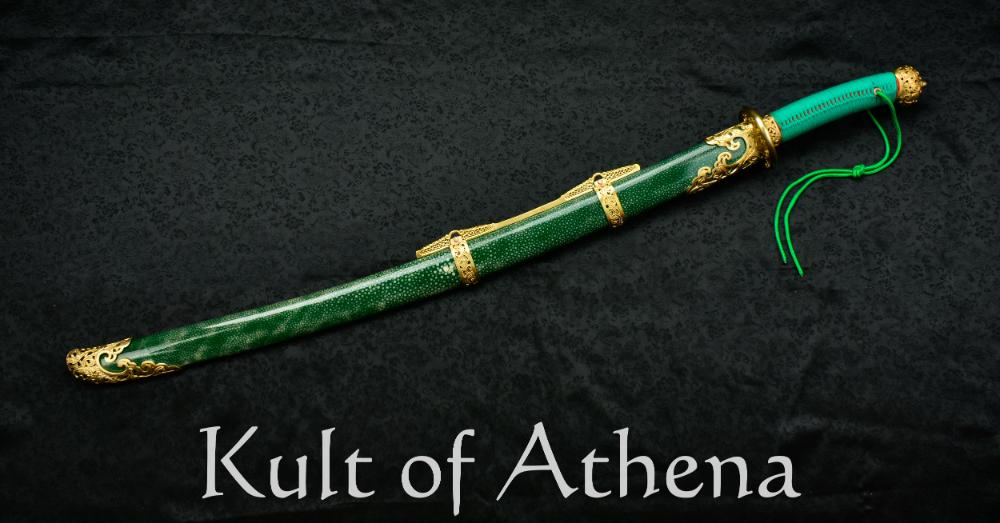
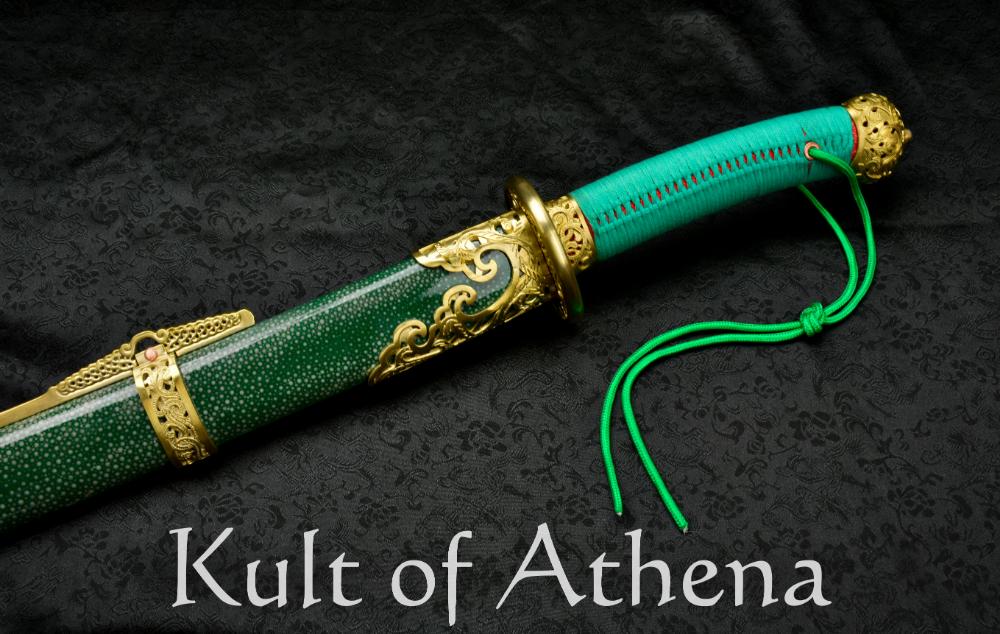
The guard and pommel of the hilt are finely cast from polished brass and are entirely enveloped in intricate detailing that truly ennobles the entire piece. The sturdy wooden grip is bound in vibrant red-dyed rayskin and is overlaid in a finishing wrap of delicately wrapped jade green cord. As beautiful as the sword it, it finds itself the twin and equal of its scabbard. Crafted from carved wood, the scabbard is entirely wrapped in high quality rayskin which was accented with a gloriously gorgeous emerald green lacquer. The raised parts of the rayskin were painstakingly polished smooth and flush with the lacquer and the whole work finished to a glossy sheen before being completed with intricate brasswork. An artwork in itself, the scabbard with its tone and sheen looks like it may as well have been made of specked jade.
The Golden Willow Liuye Dao offered here i based upon one that once resided in the collection of renowned Asian arms scholar Philip Tom and was later acquired by a private collector through noted researcher Peter Dekker. Featured in Tom's influential article Of Geese and Willows, the original sword survives in remarkably pristine condition and has been regarded by Dekker as one of the finest surviving examples of its type. Known in Chinese as the Liuye Dao (Willow Leaf Saber), this pattern became the most influential and widespread saber design in China. Philip Tom noted that the willow leaf form was likely introduced following the Mongol conquests, drawing inspiration from Central Asian prototypes before evolving into a distinctly Chinese weapon. Characterized by a graceful curve distributed evenly throughout the blade, the Liuye Dao represents an ideal balance between cutting and thrusting capability. Unlike more specialized saber designs that favor one form of attack over another, the willow leaf saber excels as a versatile battlefield weapon, offering powerful cuts while retaining excellent point control for thrusting attacks.
The sword's fittings are executed in what modern collectors commonly refer to as the "Yuanshi," or rounded style. According to Peter Dekker's research, this elegant style first emerged during the mid-eighteenth century and was initially associated with the highest levels of Qing society, including the emperor, members of the imperial household, and elite guards. Over time, the style became increasingly popular and by the nineteenth century had become the defining aesthetic of many military sabers carried throughout the empire.
What makes the original Golden Willow particularly noteworthy is the extraordinary quality of its construction. It was produced during a period when the overall quality of many military edged weapons was beginning to decline, yet it stands apart as a weapon crafted to an exceptionally high standard. Historical records indicate that Qing military officers received a subsidy from the government to acquire their required sidearms. While many officers purchased serviceable but inexpensive swords and devoted the remaining funds elsewhere, the owner of the original Golden Willow appears to have taken a very different approach. The sword features a blade of exceptional quality paired with finely executed brass fittings that exceed the ordinary standards expected of a regulation military weapon while still remaining within the prescribed requirements of an officer's rank.
The result is a saber that reflects both personal pride and professional dedication. More than simply a weapon, it represents the values of an officer who chose quality, craftsmanship, and martial readiness at a time when many of his contemporaries did not. The Golden Willow stands as a tangible reminder of an era of immense change within the Qing Empire and of the individuals who continued to uphold their responsibilities despite the challenges of their age.With this recreation, LK Chen pays tribute not only to one of the finest surviving Qing Dynasty Liuye Dao, but also to the dedicated nineteenth-century military officer who originally commissioned and carried it. For collectors, martial artists, and students of Chinese military history, the Golden Willow offers an opportunity to experience one of the most refined and historically significant willow leaf sabers known to survive from the Qing era.
Specifications
Every measurement that matters
- Brand
- LK Chen
- Culture
- Chinese
- Era
- Qing Dynasty
- Edge
- Very Sharp
- Pommel
- Peened
- Blade Length
- 28 5/8"
- Blade
- Folded 1065 and T9 Steel
- Weight
- 1 lb 15 oz
- P.O.B.
- 4 3/8"
- Thickness
- 6.5 mm - 3.2 mm
- Width
- 31.5 mm
- Grip Length
- 5 7/8"
- Country of Origin
- China
Reviews
What collectors are saying
Q&A
Questions from the community
Q What is the blade steel, and how does the folded construction affect durability? Common Question
The blade is forged from 1065 and T9 steel, folded and forge-welded into a single blade. This layering produces the rippling pattern visible on the surface and gives the blade a tough, resilient core suited to hard use, while the thick spine near the guard adds mass for powerful cuts before tapering to a false edge near the tip for quicker, more controlled handling.
Q Is the edge sharp, and what can this sword actually be used on? Common Question
This sword ships Very Sharp. With its willow-leaf profile and point of balance close to the hilt, it is built to perform real cuts on targets like tatami and water bottles, while still carrying enough point control for thrusting technique.
Q What is the point of balance like, and what is it good for? Common Question
The point of balance sits 4 3/8" out from the guard, close enough to the hilt to keep the blade quick and responsive in the hand. This supports the Liuye Dao's traditional role as a battlefield weapon that handles both cutting and thrusting well, rather than one built purely for heavy chopping.
Q What are the grip and fittings made of? Common Question
The grip has a wood core wrapped in red-dyed rayskin, finished with a wrap of jade green cord, and the guard and pommel are cast brass with detailed scrollwork. The photographs show the cord wrapped in a diagonal crisscross pattern over the rayskin, with a pierced, filigreed brass pommel cap and a matching brass guard.
Q What is the scabbard made of, and can I store the blade in it? Common Question
The scabbard is carved wood wrapped entirely in rayskin, finished in emerald green lacquer with polished brass throat, middle band, and chape fittings. It's built for carrying and display, but like any wood-and-leather scabbard it can trap moisture against the blade, so for long-term storage keep the sword out of it, wiped down, lightly oiled, and somewhere dry.
Q How should I maintain the blade and grip over time? Common Question
Wipe the blade down after handling, apply a light coat of oil to the steel to prevent rust, and store it in a dry place outside the scabbard. The wooden grip core under the rayskin and cord wrap benefits from the same light oiling to keep the wood from drying out over time.
Q Who is this sword suited for? Common Question
This is a premium, historically grounded recreation of a documented 19th century Qing officer's saber, with a sharp, battle-ready blade and extensive brass and rayskin fittings. It suits collectors and students of Chinese military history who want a display-worthy piece, as well as cutting practitioners who want a Liuye Dao with genuine cutting geometry and a lively, forward-balanced feel.
The Maker
LK Chen
LK Chen produces faithful recreations of historical Chinese swords and weapons with highly precise blade geometry and balance. They take great efforts to adhere to the authenticity of a weapon and its particular historical era in order to produce the most accurate recreations available.
Often paired together

No reviews yet. Only logged in customers who have purchased this product may leave a review.