

1796 Pattern British Infantry Sword with silver grip – Universal Swords – Munitions Grade
Out of stock
$174.99
Join Waitlist
You must register to use the waitlist feature. Please login or create an account.- Shipping estimated at checkout
- 30-day returns for standard grade
- Blade
- 1060-1065 High Carbon Steel
- Overall Length
- 40 1/4''
- Weight
- 2 lb 0.9 oz
- Brand
- Universal Swords
- Culture
- British
Overview
1796 Pattern British Infantry Sword with silver grip - Universal Swords - Munitions Grade
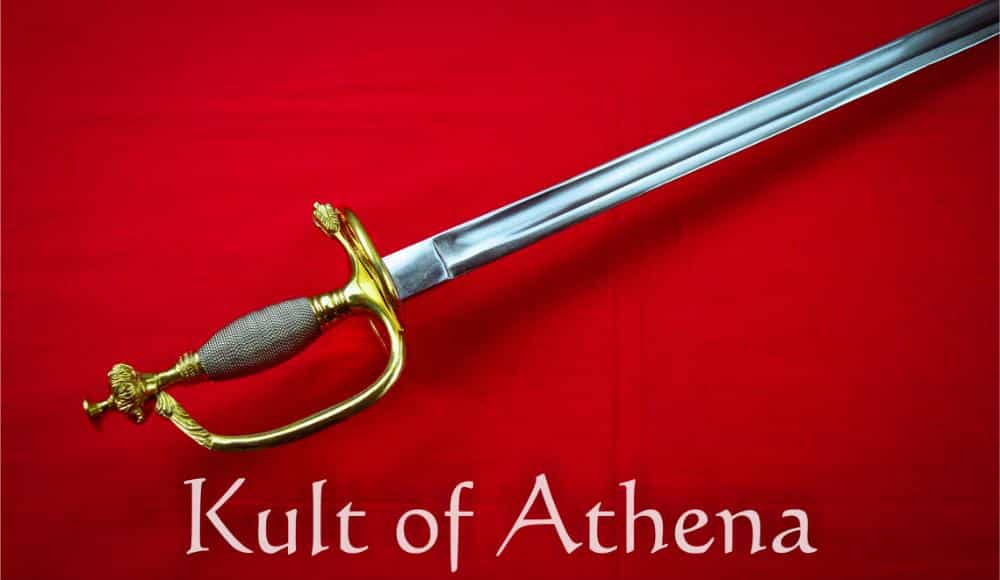
When the British Army standardized the swords to be carried by infantry officers in 1796 this is the sword they settled on; a spadroon-like cut-and-thrust sword with simple, but elegant Georgian styling that hearkened back to the Smallswords carried by gentlemen in earlier times. In just four years following, the blade was at the hip of practically all British Line Infantry Officers. Regardless of the standardization of form, the blades varied in their width and in their engraved decoration. Though widespread, it was not regarded as a good combat blade despite being used through the entirety of Britains contests with France in the Napoleonic Era. It would not be officially replaced until 1822 by the more elaborate Gothic-Hilted sword and before then many officers had opted to acquire the 1803 Pattern saber instead.
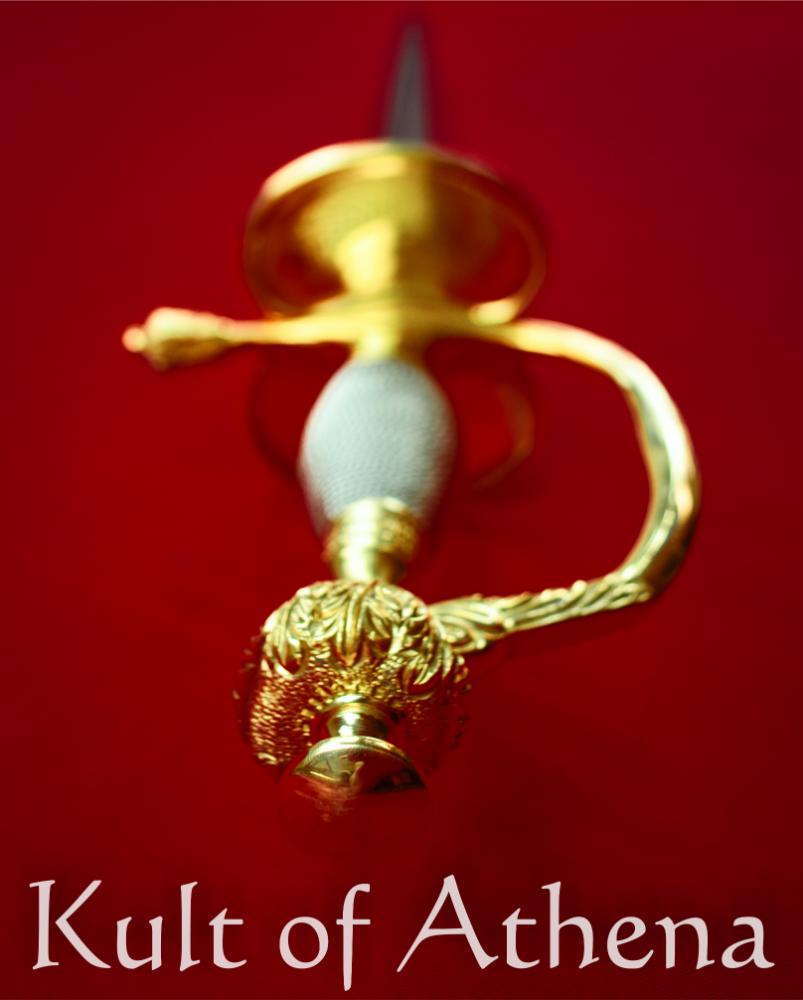
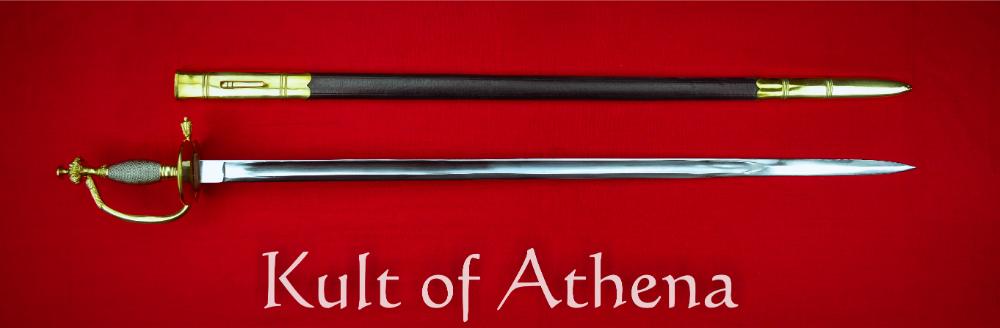
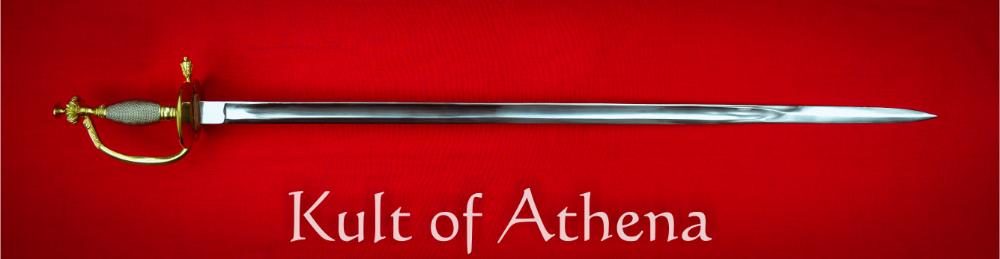
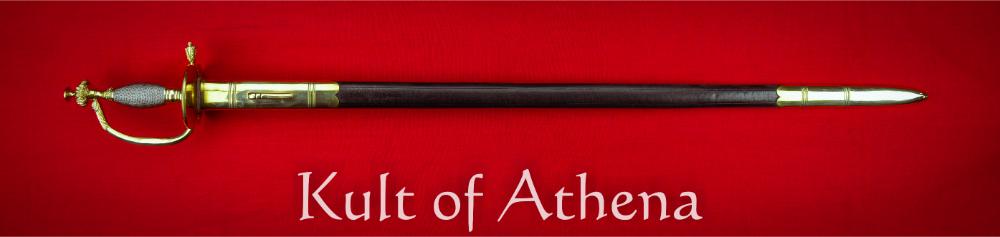
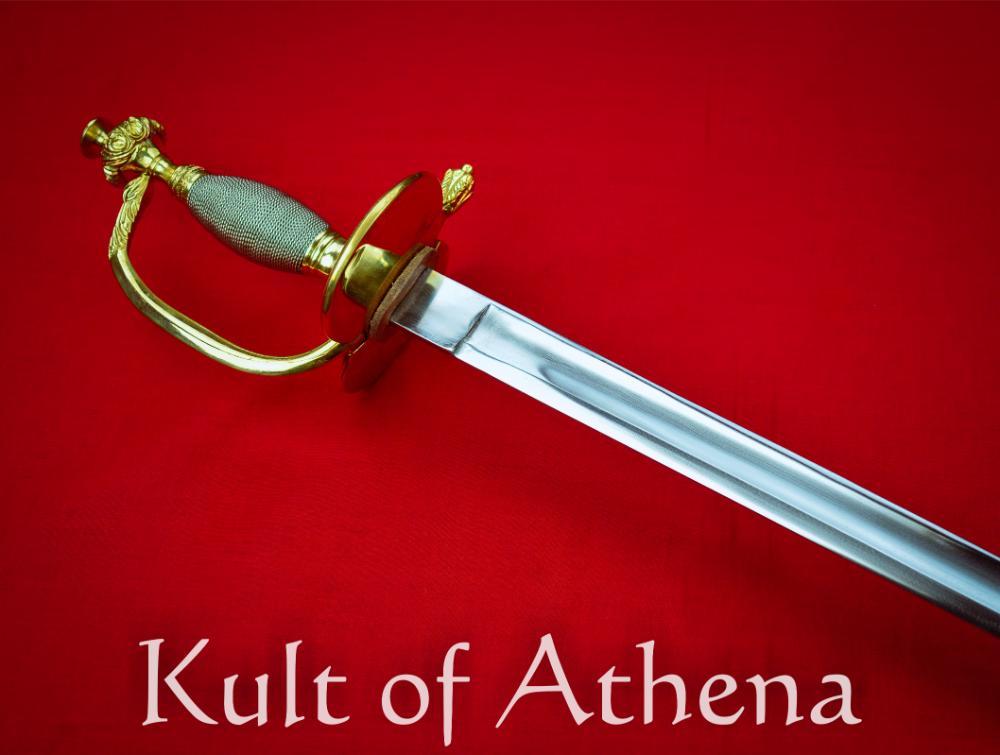
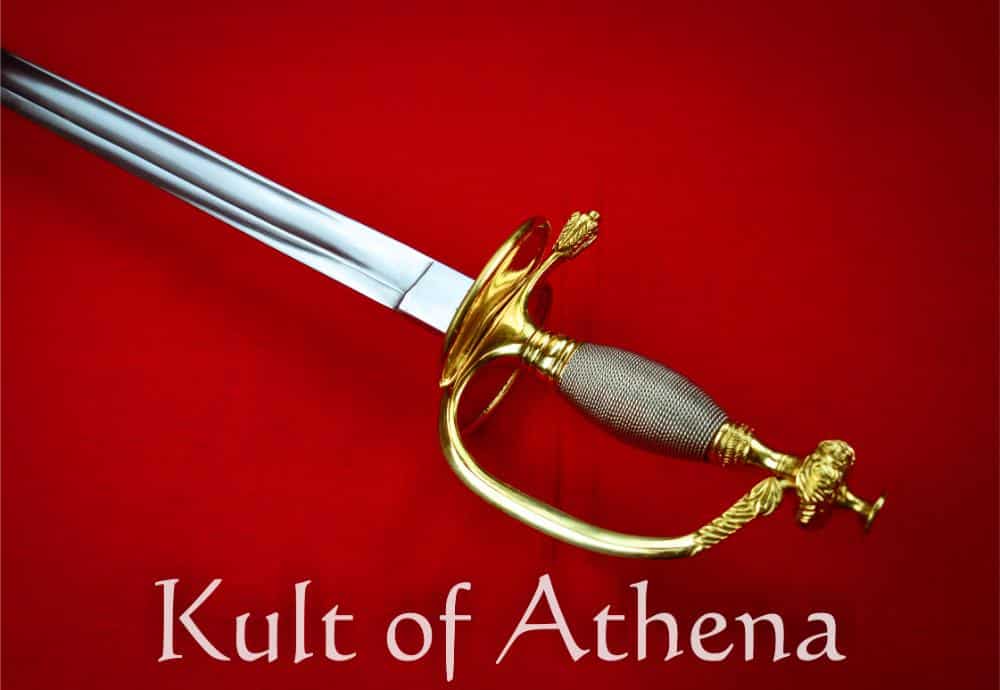
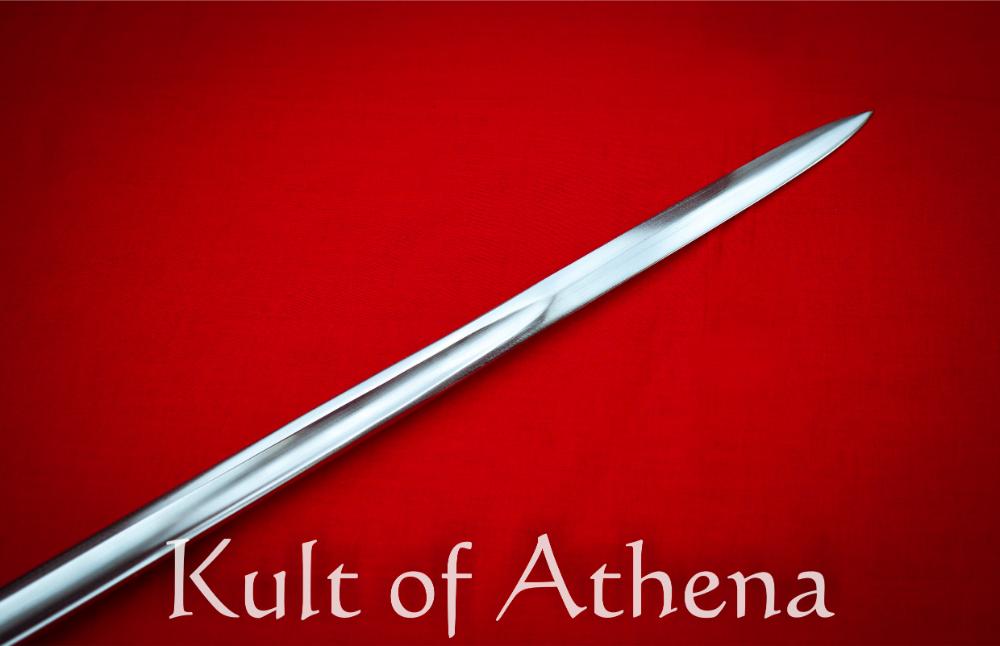
This replica of the 1796 British Infantry Officer sword has a blade of unsharpened, tempered high carbon steel. It has a hilt of brass and a grip wrapped in copper wire plated with silver. The scabbard is of leather with brass accents.
Specifications
Every measurement that matters
- Brand
- Universal Swords
- Culture
- British
- Edge
- Unsharpened
- Pommel
- Nut
- Overall Length
- 40 1/4''
- Blade Length
- 34 1/8''
- Blade
- 1060-1065 High Carbon Steel
- Weight
- 2 lb 0.9 oz
- P.O.B.
- 7 1/2''
- Thickness
- 6.6 mm - 3.8 mm
- Width
- 25.4 mm
- Grip Length
- 4''
- Country of Origin
- India
Reviews
What collectors are saying
Q&A
Questions from the community
Q What does Munitions Grade mean for this sword? Common Question
Munitions Grade pieces carry a flaw that can affect performance, such as a bend, warp, or twist in the blade or a canted hilt, which rules them out for sharpening and cutting. They remain a sound choice for collecting, costuming, and historical reenactment.
Q This is tagged Battle Ready — does that mean it's sharp and ready to cut? Common Question
Battle Ready describes a sword built with a full-length tang and non-stainless steel, durable enough for target cutting once sharpened. This blade ships unsharpened, and because it is Munitions Grade it is not a candidate for our sharpening service or for cutting use; it's built for handling, display, and reenactment.
Q What is the blade made of, and what sword is this based on? Common Question
The blade is 1060-1065 high carbon steel, tempered for durability. This reproduces the Pattern 1796 British infantry officer's sword, the spadroon-style cut-and-thrust sword standardized across British Line Infantry officers in the Napoleonic era, carried until the Gothic-hilted sword replaced it in 1822.
Q Is this a full tang sword? Common Question
The pommel is secured by a nut threaded onto the tang, the traditional construction for this pattern, meaning the tang runs the length of the hilt and is captured at the pommel rather than stopping short inside the grip.
Q What is this sword best suited for? Common Question
Built as a faithful reproduction of the 1796 infantry officer's sword, this piece suits collectors, reenactors, and costumers who want correct period styling and handling in hand. Because it carries a Munitions Grade flaw, it is not intended for cutting or sharpening, and its value is as a display and study piece or a to-the-hip reenactment sword.
Q What do the balance and weight tell me about handling this sword? Common Question
At a point of balance 7 1/2 inches from the guard and a weight of 2 lb 0.9 oz, this sword carries its weight back toward the hilt, matching the light, quick-handling character the spadroon-style 1796 pattern was known for.
Q What are the grip and hilt made of? Common Question
The hilt is brass, with a swept guard and knuckle bow true to the Georgian styling of the pattern. The grip is wrapped in copper wire plated with silver, giving the pale, textured finish visible in the photographs.
Q What is the scabbard made of, and how should I store the sword? Common Question
The scabbard is leather with brass fittings at the throat and chape. Leather holds moisture against a blade, so for the long term the sword is best kept out of the scabbard, wiped down and lightly oiled, and stored somewhere dry.
The Maker
Universal Swords
With origins going back to 1960, India’s Universal Swords has been making reproduction swords for decades. With an emphasis on military sabers, universal produces a number of designs not found elsewhere. As the official US distributor of Universal Swords, KOA will be expanding to stock their entire line over time.
Often paired together

No reviews yet. Only logged in customers who have purchased this product may leave a review.