
British 1885 Pattern Cavalry Sword – Universal Swords – Munitions Grade
In stock
$159.99
- Shipping estimated at checkout
- 30-day returns for standard grade
- Blade
- 1060-1065 High Carbon Steel
- Overall Length
- 40''
- Weight
- 2 lb 8 oz
- Brand
- Universal Swords
- Culture
- British
- Era
- 19th Century
Overview
British 1885 Pattern Cavalry Sword - Universal Swords - Munitions Grade
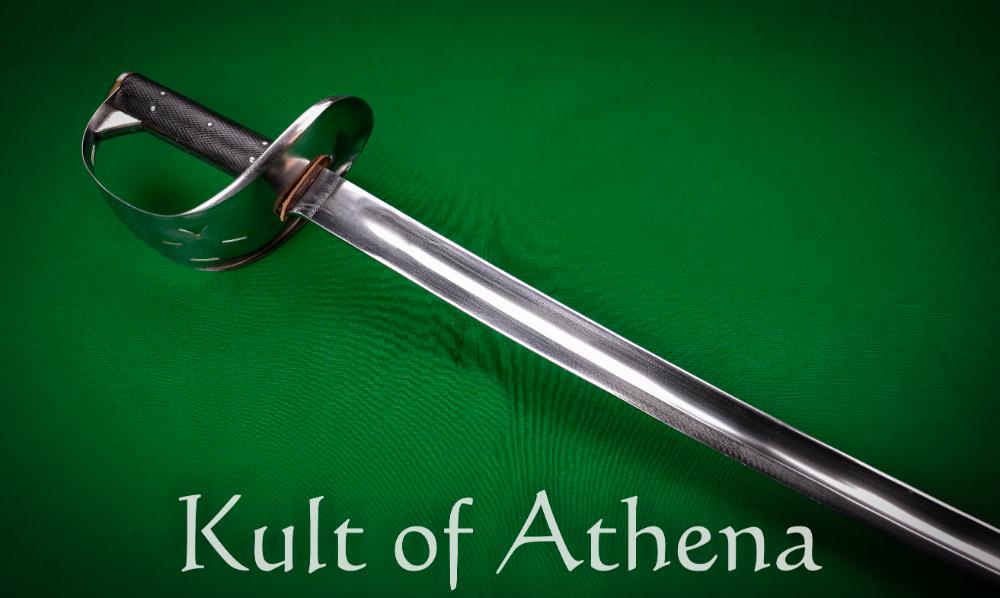
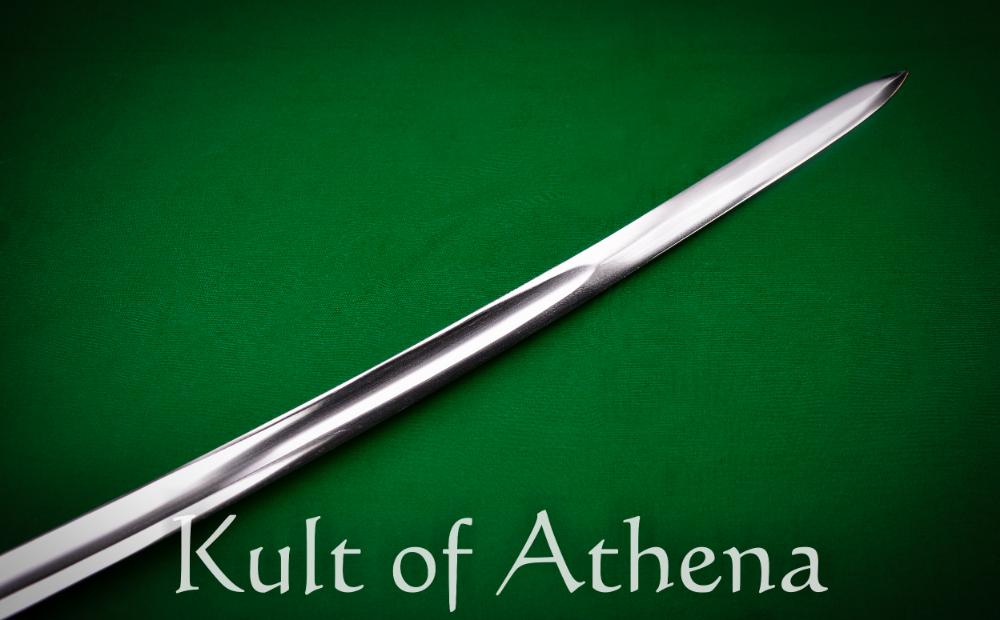
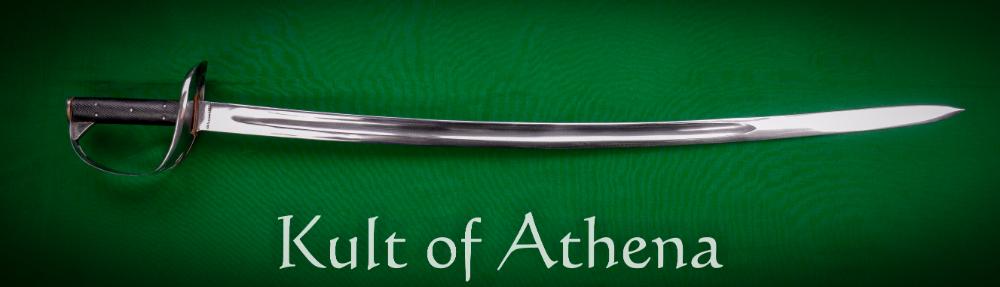
This utilitarian cavalry sword, the British 1885 Pattern with its gently curved blade and spear-point tip was intended to be both a cutting and thrusting sword. The debate over whether a proper cavalry sword should be primarily a cutting or thrusting blade was still a lively argument in Victorian military circles. The design of the 1885 therefore was designed to be a compromise. The problem, as most compromises are, is that it does neither function exceptionally well. Nevertheless, the British cavalry found success with the blade in their colonial campaigns.
The 1885 pattern saw its heyday in the British campaigns to subdue Egypt and Sudan. In Sudan it crossed blades with the straight-bladed Kaskara sword wielded by the Sudanese Dervishes. The most notable action of the campaign, and of this sword, was the famed Charge of the 21st Lancers during the 1898 Battle of Omdurman. There, the regiment charged at full gallop what appeared to be several hundred Sudanese Dervishes, but as the charge crashed home it was revealed that there were actually several thousand spear and sword-armed fighters, cunningly hidden in a depression. Too late to abandon the seemingly suicidal charge, the 21st crashed home, lances and swords clashing with the tenacious Sudanese. After a brutal melee, the 21st forced the Dervishes into flight, repelling what might have been near-impossible odds. The highest award for gallantry, the Victoria Cross, was awarded to three lancers. The action was memorialized by Winston Churchill, who was then a young cavalry officer of the 21st at the Battle of Omdurman.
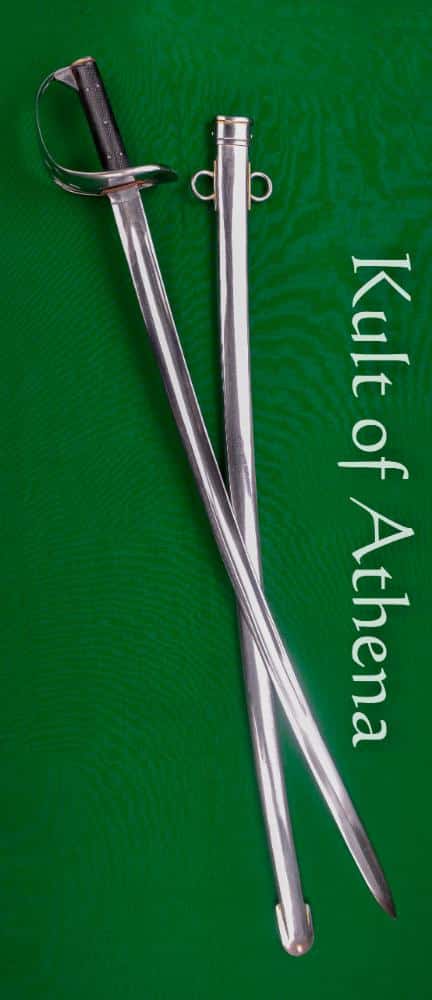
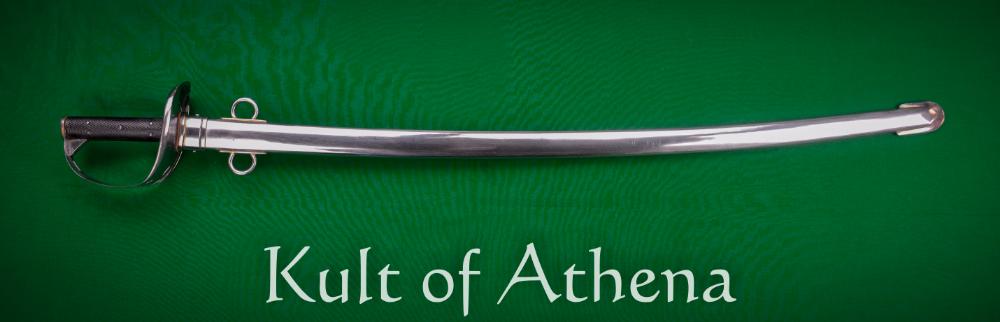
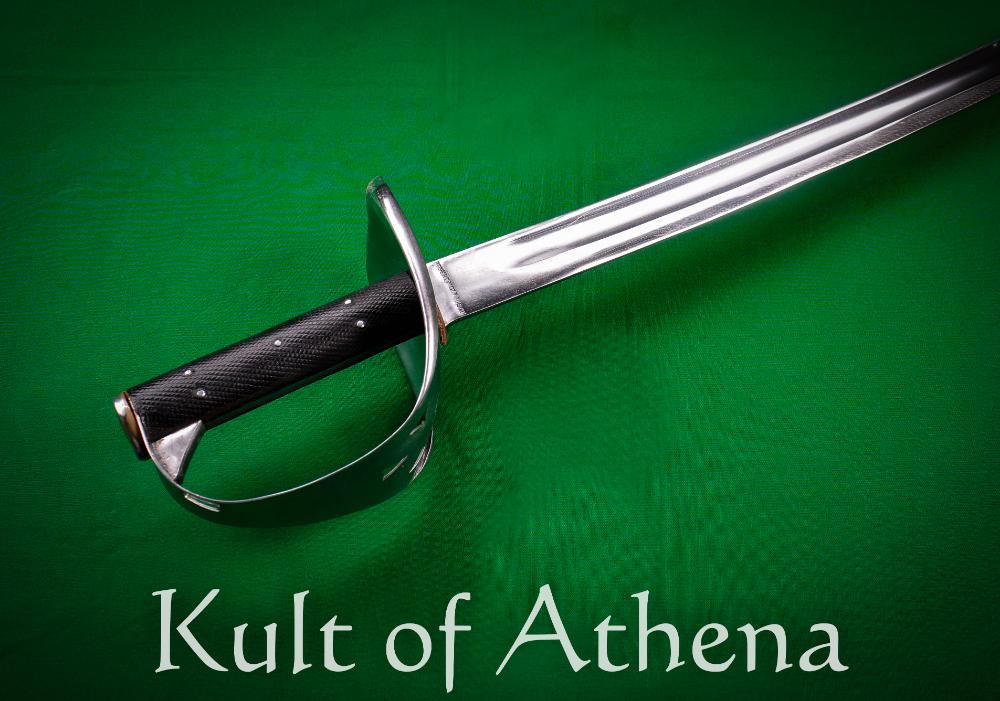
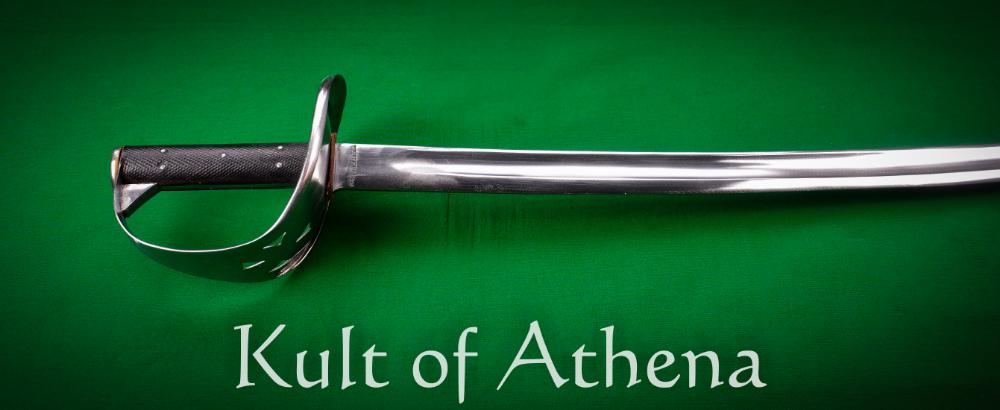
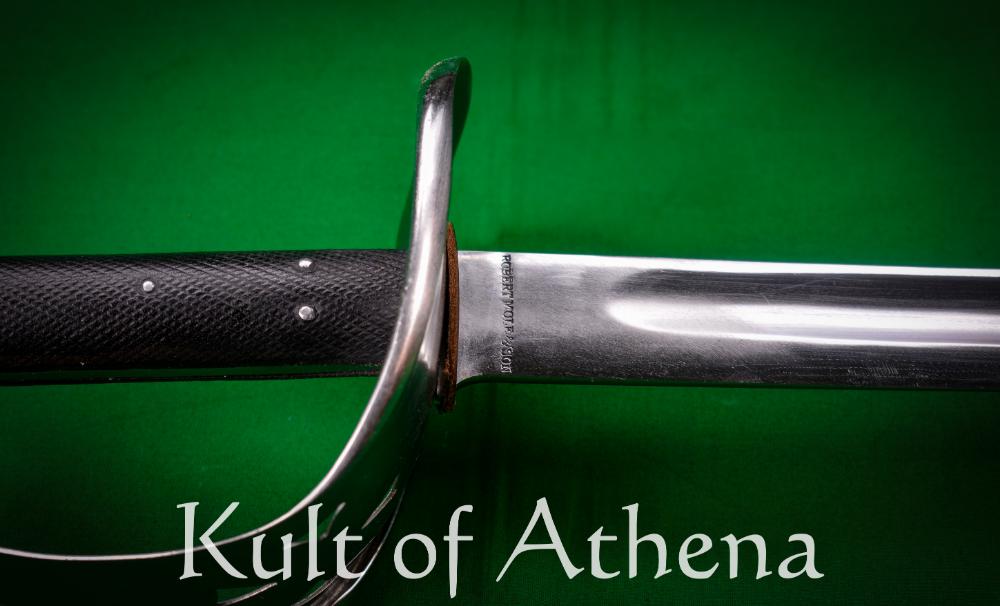
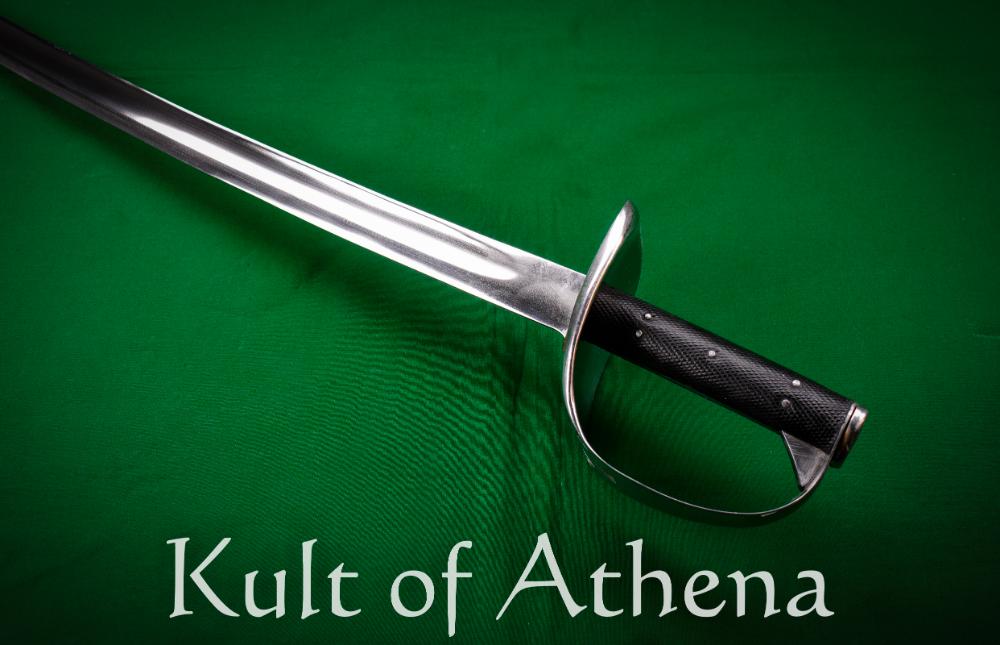
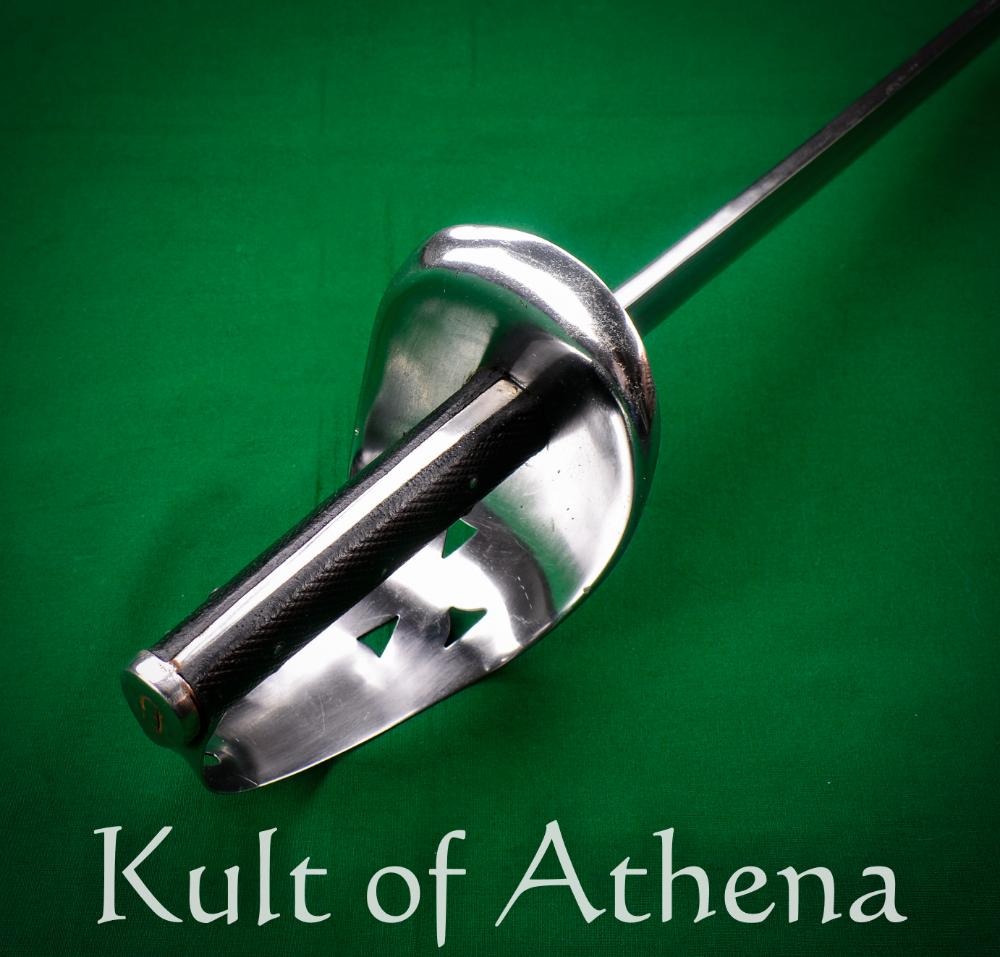
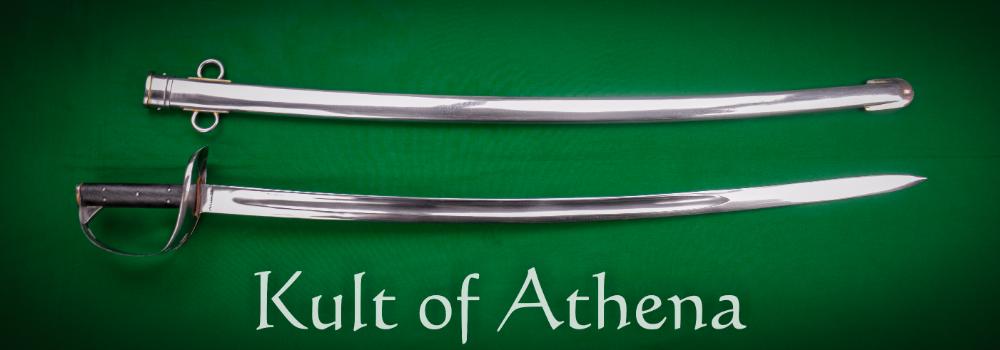
This replica of the 1885 Pattern Cavalry Sword has an unsharpened blade of high carbon steel. The hilt is of steel with a hard rubber grip riveted to the blade tang. the scabbard is of steel with two integrated rings.
Specifications
Every measurement that matters
- Brand
- Universal Swords
- Culture
- British
- Era
- 19th Century
- Edge
- Unsharpened
- Pommel
- Peened
- Overall Length
- 40''
- Blade Length
- 34 1/2''
- Blade
- 1060-1065 High Carbon Steel
- Weight
- 2 lb 8 oz
- P.O.B.
- 7 3/4''
- Thickness
- 7.8 mm - 3.7 mm
- Width
- 30.6 mm
- Grip Length
- 4 7/8''
- Country of Origin
- India
Reviews
What collectors are saying
Q&A
Questions from the community
Q What is this sword best suited for? Common Question
This is a Battle Ready, unsharpened reproduction of the British 1885 Pattern cavalry saber, built on a full-length steel tang with a riveted hard rubber grip and high carbon steel blade. It suits display, collection, and historical study of the pattern used in campaigns like Omdurman, and its sturdy build holds up well to handling, though it does not ship ready for cutting since the edge is unsharpened.
Q Does this sword have a sharpened edge? Common Question
No, the blade ships unsharpened. That makes it well suited to handling, display, and historical study without the care a live edge requires.
Q Is this sword full tang? Common Question
The hilt is steel, and the hard rubber grip is riveted directly to the blade's tang rather than built as a separate full-length tang running to a peened pommel in the traditional battle-ready sense. The riveted construction is sturdy and typical of military-pattern hilts of this type, securing the grip firmly to the blade.
Q What does the point of balance tell me about handling? Common Question
The point of balance sits 7 3/4 inches from the guard, which keeps some weight out toward the blade. That forward presence suits a cavalry saber pattern designed for both cutting and thrusting motions from horseback.
Q What is the historical background of this pattern? Common Question
The British 1885 Pattern was a cavalry saber designed as a compromise between cutting and thrusting use, a debate that was still unsettled in Victorian military circles. It saw its most famous action with the 21st Lancers at the 1898 Battle of Omdurman during the British campaign in Sudan, an engagement later memorialized by Winston Churchill, who rode with the regiment that day.
Q What is the scabbard made of? Common Question
The scabbard is steel with a polished finish and two suspension rings mounted on bands near the throat for attaching to a belt or baldric, along with a rounded drag at the tip. It matches the curve of the blade it houses.
Q How should I care for this sword? Common Question
Wipe down the high carbon steel blade after handling and keep a light coat of oil on it to prevent rust, especially since high carbon steel is more reactive to moisture than stainless alloys. Store the sword out of its steel scabbard for the long term, since scabbards trap moisture against the blade, and keep it in a dry place.
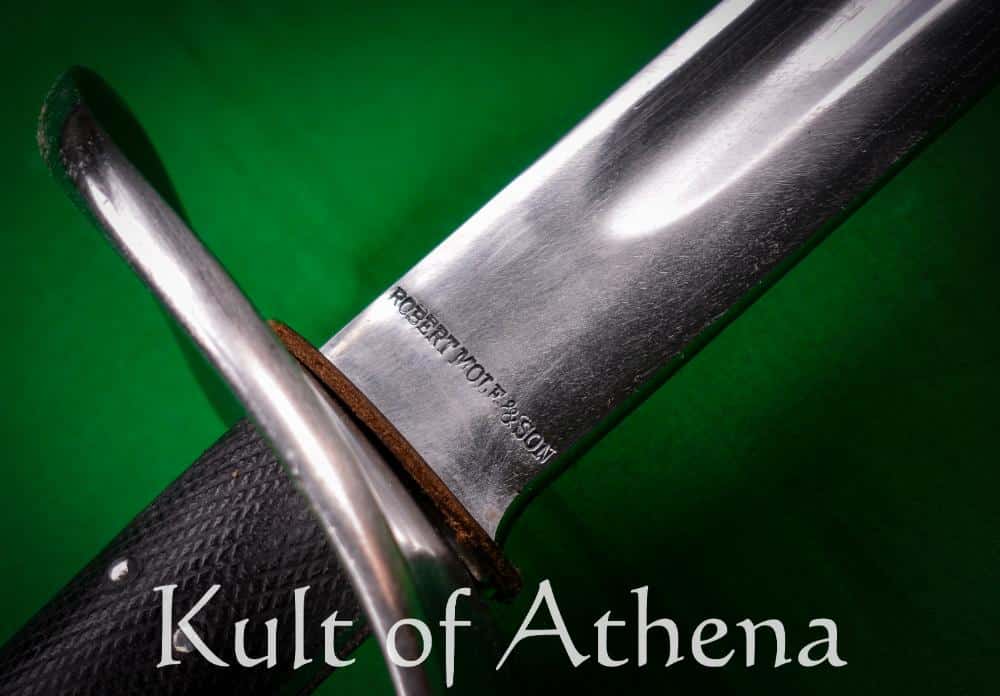
Q Is there a maker's mark on the blade? Common Question
Photographs of this sword show a stamp near the ricasso reading "ROBERT MOLE & SON," indicating the manufacturer associated with this pattern.
The Maker
Universal Swords
With origins going back to 1960, India’s Universal Swords has been making reproduction swords for decades. With an emphasis on military sabers, universal produces a number of designs not found elsewhere. As the official US distributor of Universal Swords, KOA will be expanding to stock their entire line over time.
Often paired together

No reviews yet. Only logged in customers who have purchased this product may leave a review.