



British 1814 Pattern House Cavalry Officers Sword – Universal Swords
In stock
$249.99
- Shipping estimated at checkout
- Every blade inspected before shipping
- 30-day returns
- Blade
- 1060-1065 High Carbon Steel
- Overall Length
- 44''
- Weight
- 3 lb 4.4 oz
- Brand
- Universal Swords
- Culture
- British
- Era
- 19th Century
Overview
British 1814 Pattern House Cavalry Officers Sword - Universal Swords
The Life Guard and the Royal Horse Guards are the elite Household Cavalry of Britain. Their wargear reflects their lauded status, and they ride astride well-groomed horses, with tall plumed helms and colorful sashes. Regiments of the Household Cavalry fought in the Napoleonic Wars, and most admirably at Waterloo as part of the charge of the British Heavy Cavalry.
This is the 1814 Pattern of the Household Cavalry Officers Sword and it borrows much of its styling from the Prussian military Pallasch swords. This was the type of blade in the hands of the Officers of the Household Cavalry at the Battle of Waterloo.
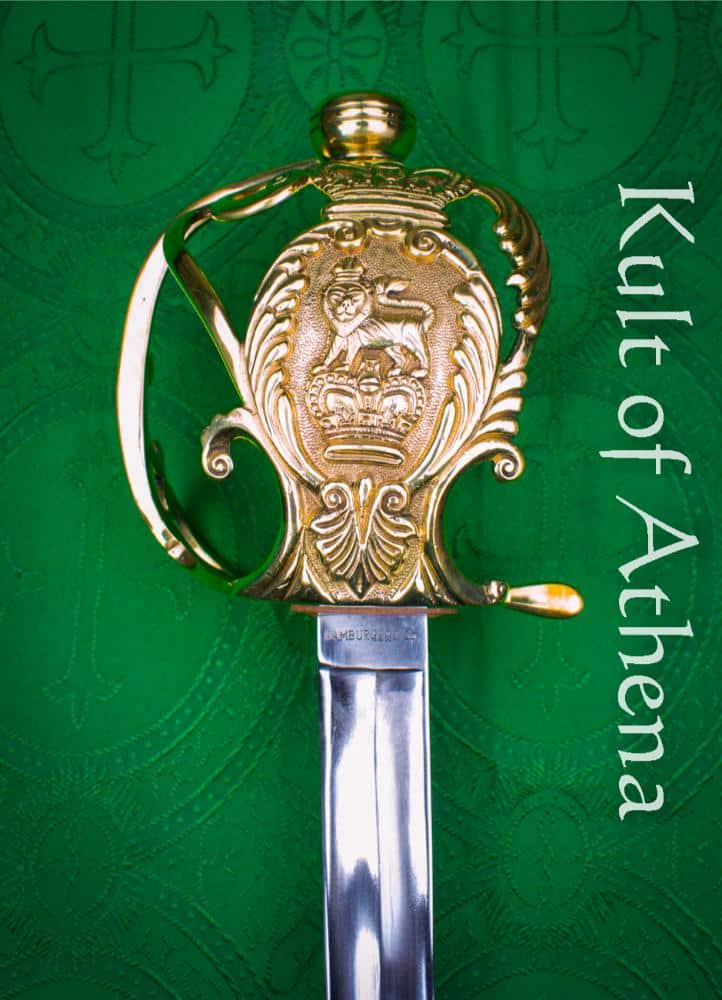
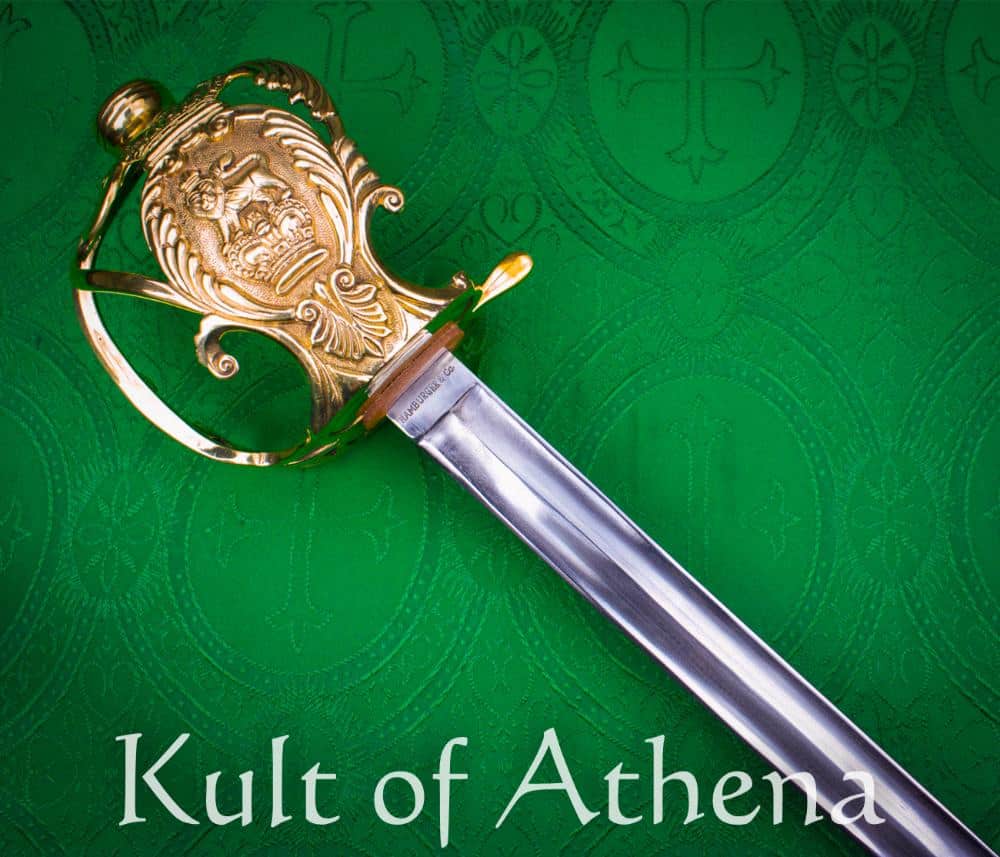
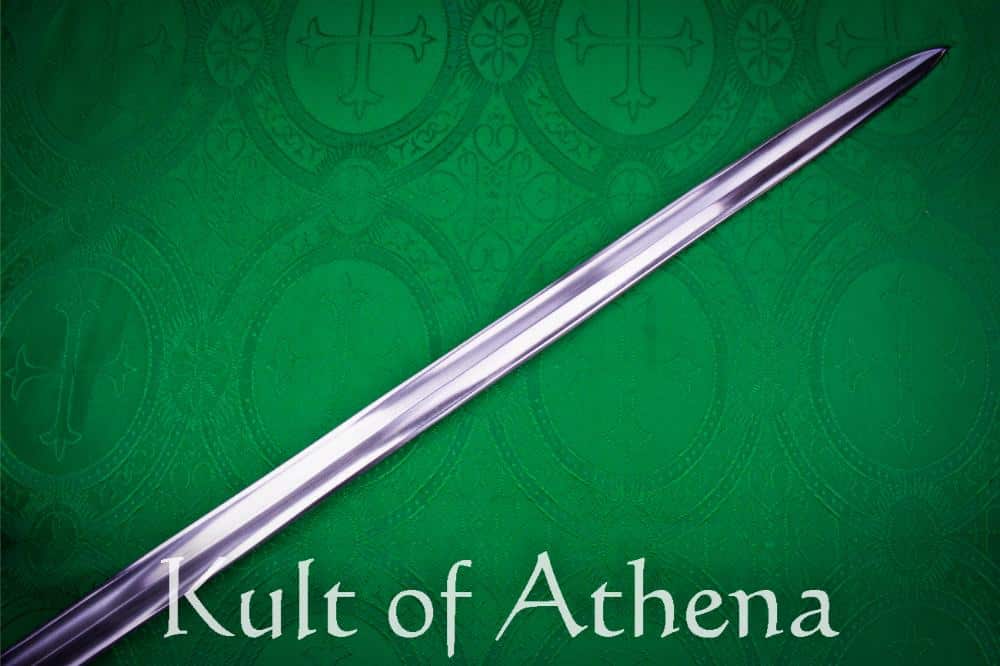
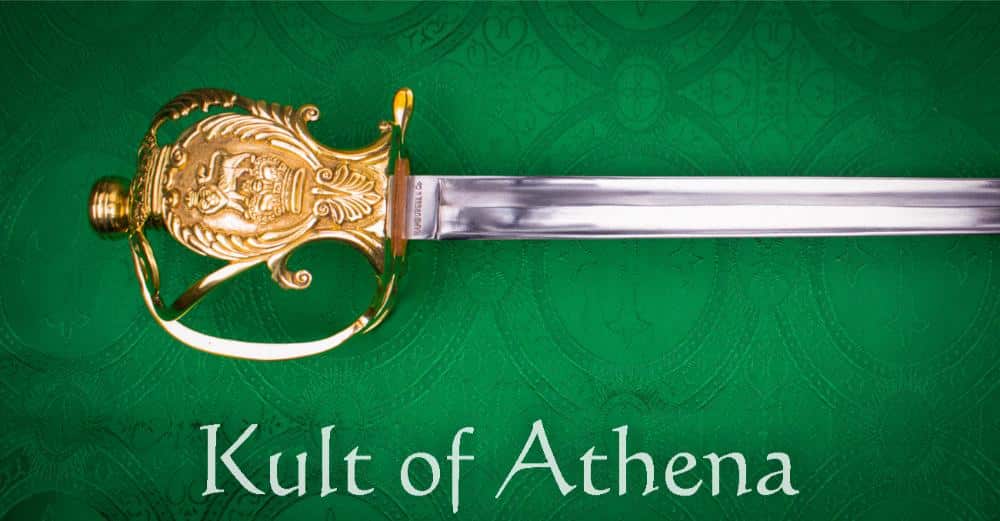
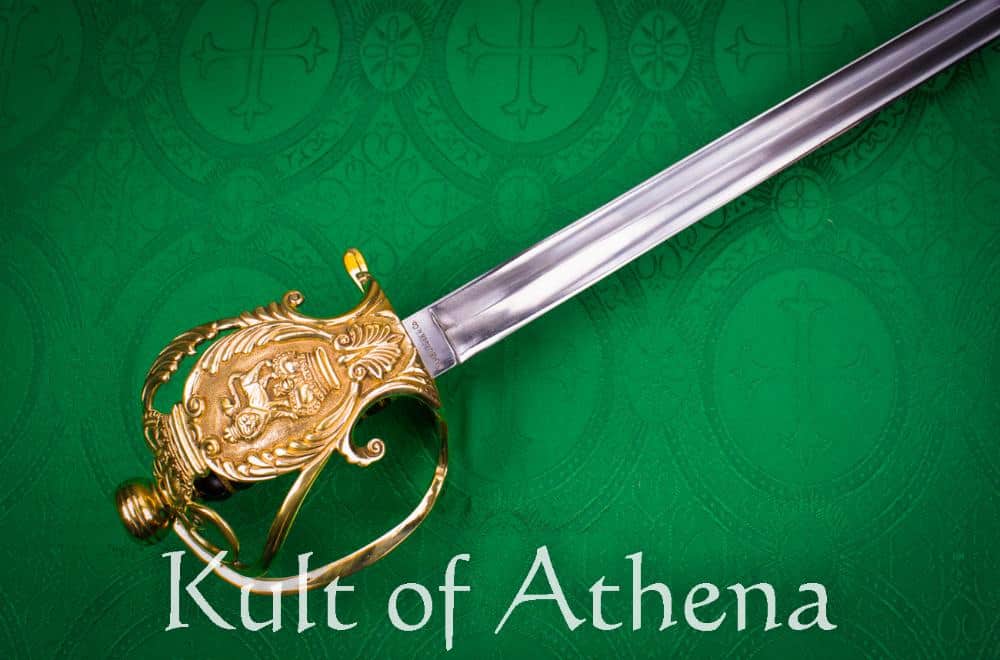
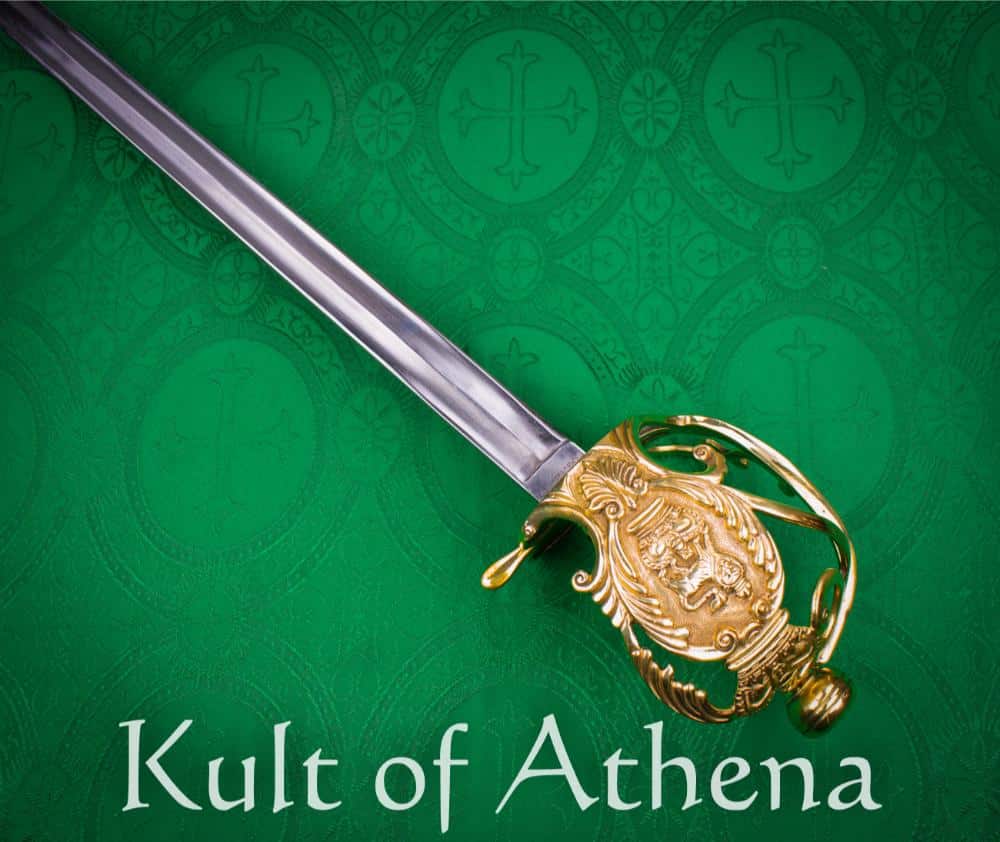
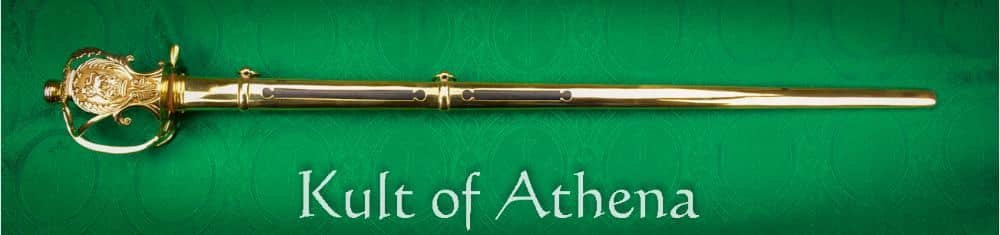
This 1814 Pattern Household Cavalry Officers Sword has an unsharpened blade of high carbon steel. The base of the blade is inscribed with a replica blade maker inscription; HAMBURGER & Co. It has a hilt of brass and a grip wrapped in black leather and overlaid with twisted brass wire. The wood-core scabbard is wrapped in black leather and accented with an integrated brass sheath with two brass hanging rings.
Specifications
Every measurement that matters
- Brand
- Universal Swords
- Culture
- British
- Era
- 19th Century
- Edge
- Unsharpened
- Pommel
- Peened
- Overall Length
- 44''
- Blade Length
- 37 7/8''
- Blade
- 1060-1065 High Carbon Steel
- Weight
- 3 lb 4.4 oz
- P.O.B.
- 6 1/2''
- Thickness
- 7 mm - 3.2 mm
- Width
- 32.4 mm
- Grip Length
- 4 3/4''
- Country of Origin
- India
Reviews
What collectors are saying
Q&A
Questions from the community
Q What is this sword and what is it designed for? Common Question
This is a reproduction of the 1814 Pattern Household Cavalry Officers Sword, the type carried by officers of the Life Guards and Royal Horse Guards at Waterloo. It's built as a Battle Ready display and collector's piece, with styling drawn from the Prussian Pallasch sabers that influenced the original pattern.
Q Is the blade sharp? Common Question
No, this sword ships with an unsharpened edge. That makes it well suited for display, handling, and historical study, though an unsharpened blade is not a safety guarantee for sparring or contact use.
Q What is the blade made of, and how durable is it? Common Question
The blade is 1060-1065 high carbon steel, a tough, shock-resistant steel commonly used in Battle Ready swords. Combined with its Battle Ready classification, it's built to hold up to handling and display without being fragile.
Q What are the hilt and grip made of? Common Question
The hilt is brass, and the grip is wrapped in black leather overlaid with twisted brass wire, giving it the ornate officer's dress look. The photographs show a pierced, scrollwork guard with a relief crest on the pommel cap, consistent with the elite status of the Household Cavalry regiments this sword represents.
Q What is the scabbard like, and how should I store the sword? Common Question
The scabbard has a wood core wrapped in black leather, with an integrated brass sheath and two brass hanging rings for mounting to a belt or baldric. Scabbards trap moisture over time, so for long-term storage keep the blade out of the scabbard, wiped down and lightly oiled, in a dry place.
Q How heavy is this sword, and what does that mean for handling? Common Question
It weighs 3 lb 4.4 oz with a point of balance 6 1/2'' from the guard. That balance sits close to the hilt, which fits its design as an officer's cavalry sword meant for mounted carry and parade use rather than fast blade manipulation.
Q Can this sword be used to cut targets like tatami or water bottles? Common Question
This sword is built and sold as a Battle Ready display and collecting piece with an unsharpened edge, so it isn't set up for cutting tatami or water bottles out of the box. It's best suited to handling, display, and historical reenactment carry.
Q How do I maintain the blade over time? Common Question
Wipe the high carbon steel blade down after handling, apply a light coat of oil to prevent rust, and store it in a dry place out of the leather-wrapped scabbard. High carbon steel will corrode if left damp or sheathed for long stretches.
The Maker
Universal Swords
With origins going back to 1960, India’s Universal Swords has been making reproduction swords for decades. With an emphasis on military sabers, universal produces a number of designs not found elsewhere. As the official US distributor of Universal Swords, KOA will be expanding to stock their entire line over time.
Often paired together

When she was good, she was very very good, and when she was bad… Both India and Chinese repro cutlers have a bad habit of bundling swords into group whose blades appear to be similar. In this case the British 1814 appears to be a copy of the French ANXI HC blade, so we’ll use our tried and true company ANXI blade (again).
This don’t cut the mustard. Officer blades are not typically the large, percussive weapons of the line. They are elegant and sleek. Suitable for a gentleman trained to fence. Same goes for the hilt. They should minimalist. (Unless you are talking bling, we likes bling, precious we do.)
Bottom line. This is purely for diaplay. In hand it is an immense disappointment.