
British Royal Navy Dress Saber with leather grip – Universal Swords
In stock
$219.99
- Shipping estimated at checkout
- Every blade inspected before shipping
- 30-day returns
- Blade
- 1060-1065 High Carbon Steel
- Overall Length
- 37 1/8''
- Weight
- 2 lbs
- Brand
- Universal Swords
- Culture
- British
- Era
- Modern
Overview
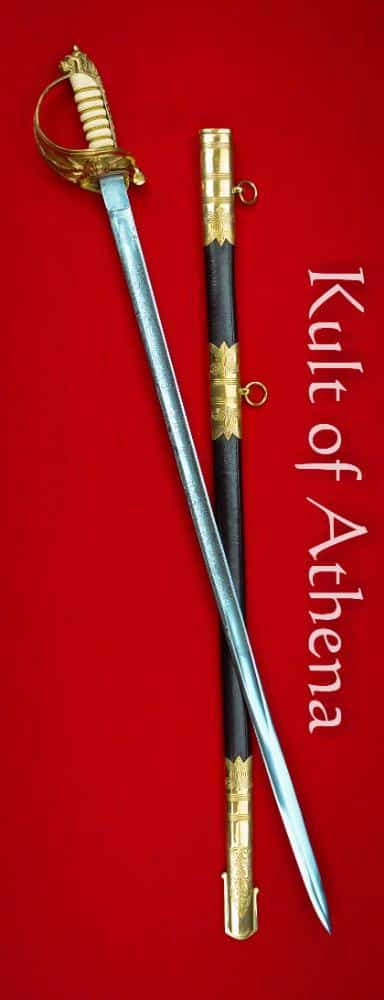
British Royal Navy Dress Saber with leather grip - Universal Swords
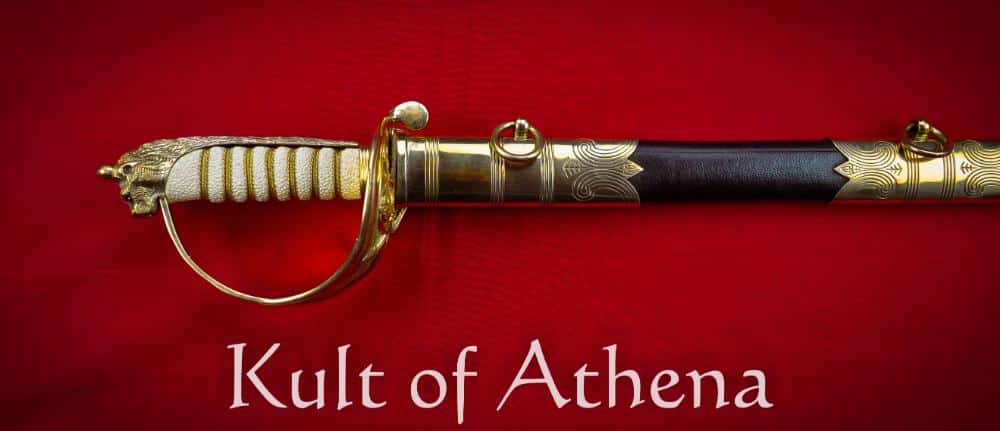
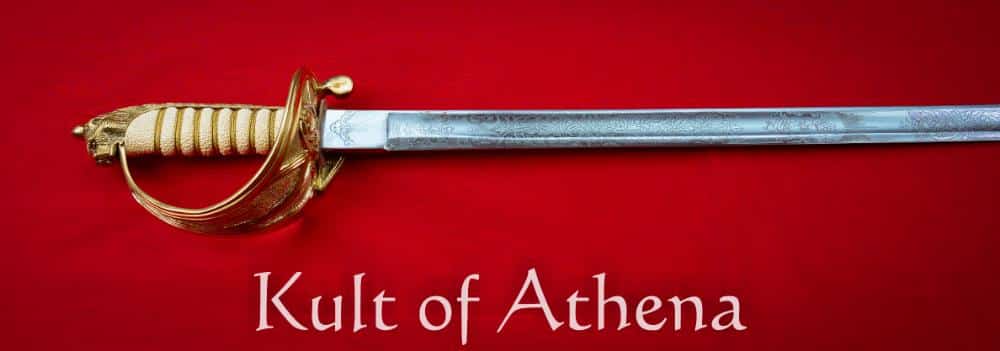
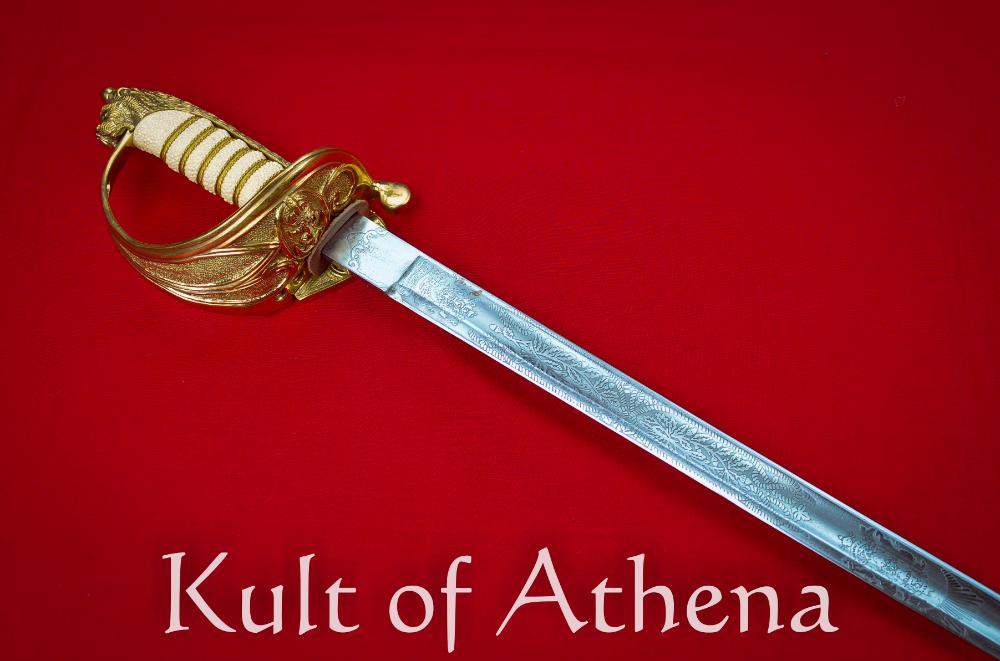
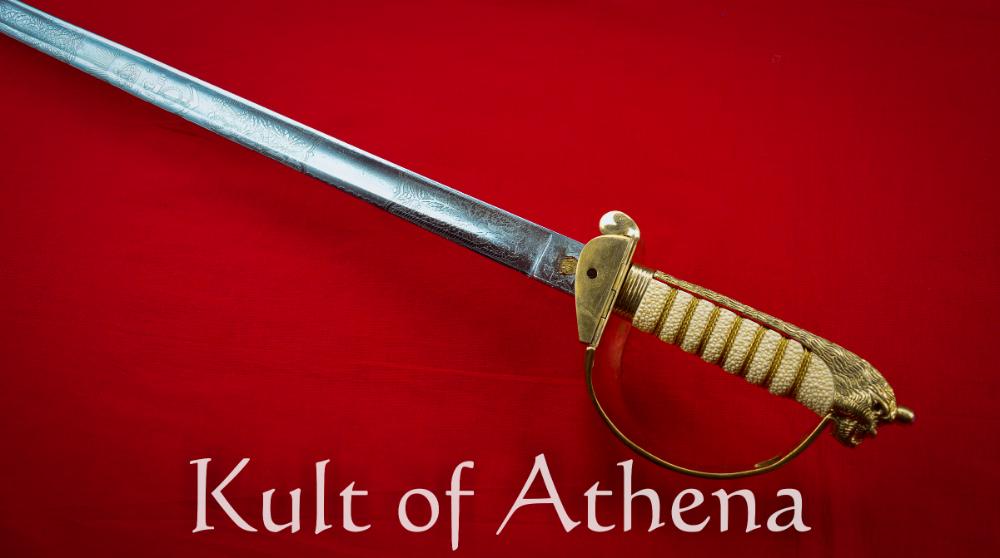
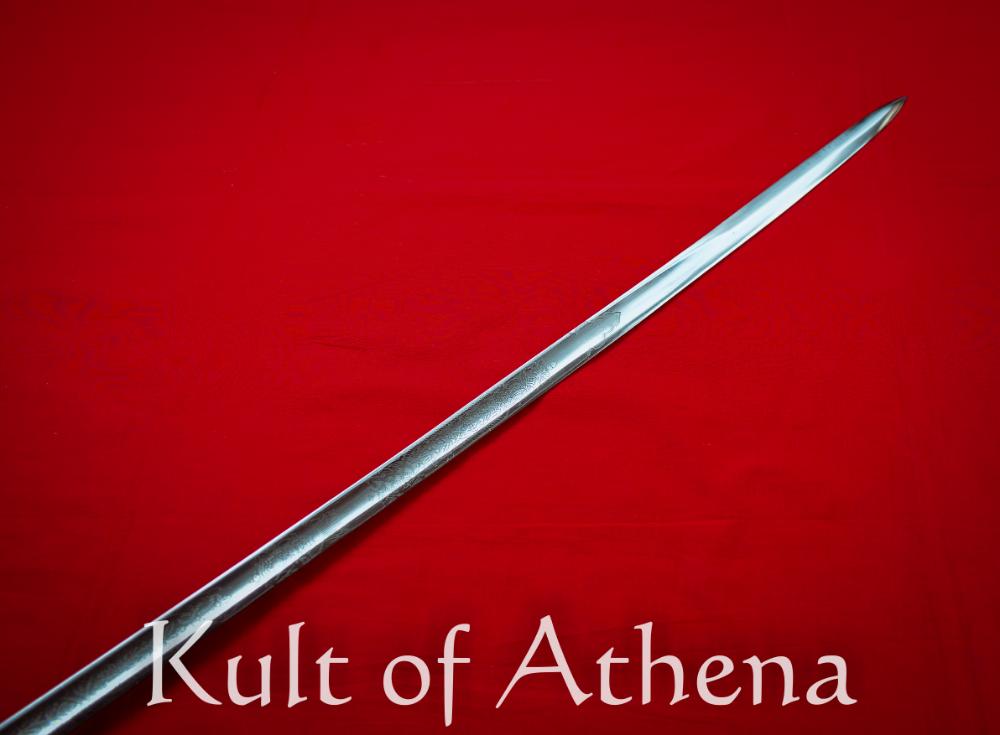
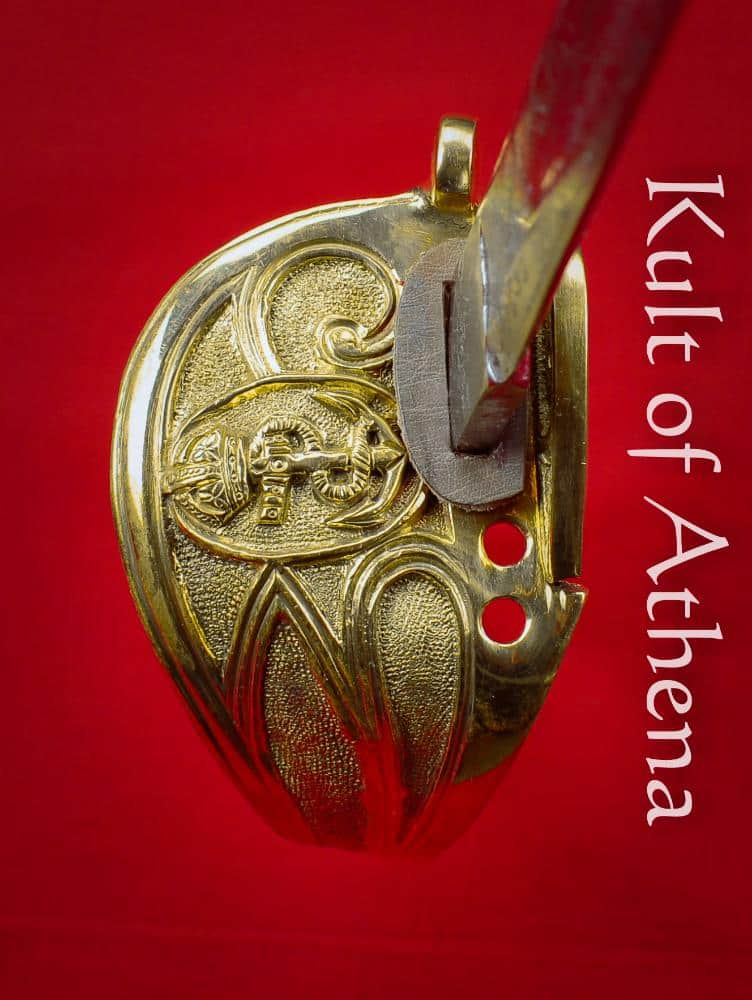
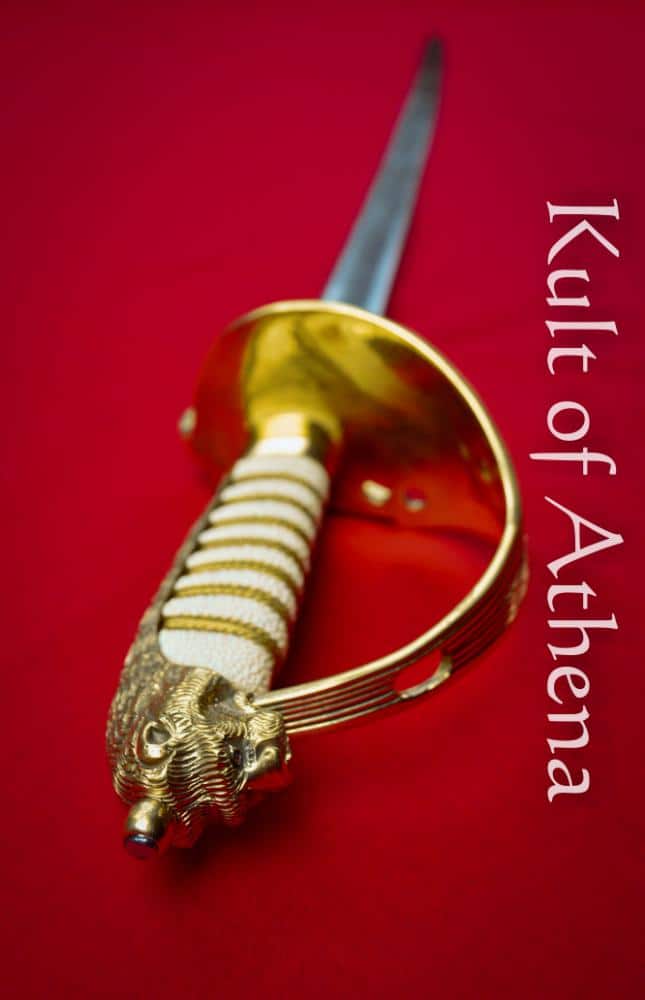
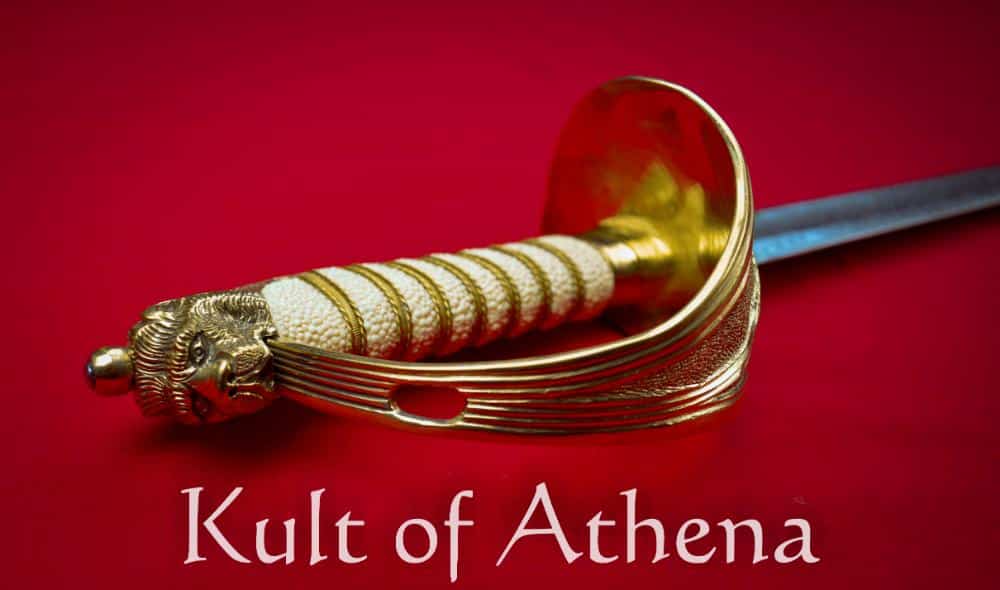
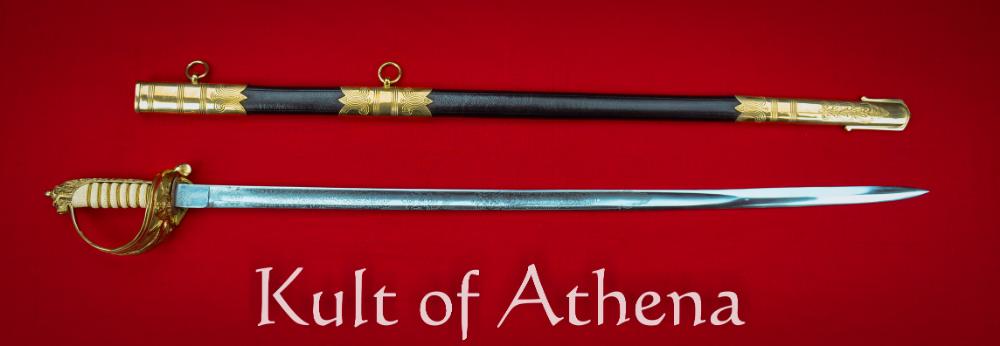
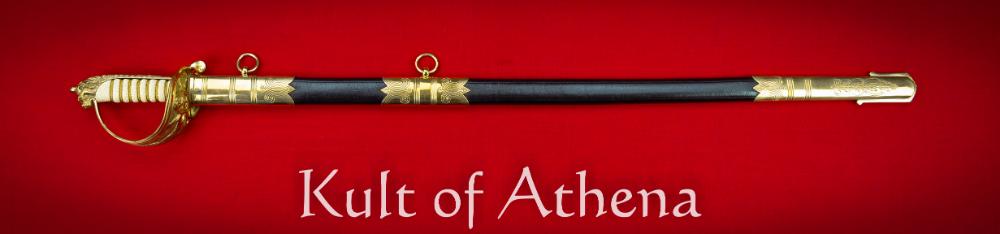
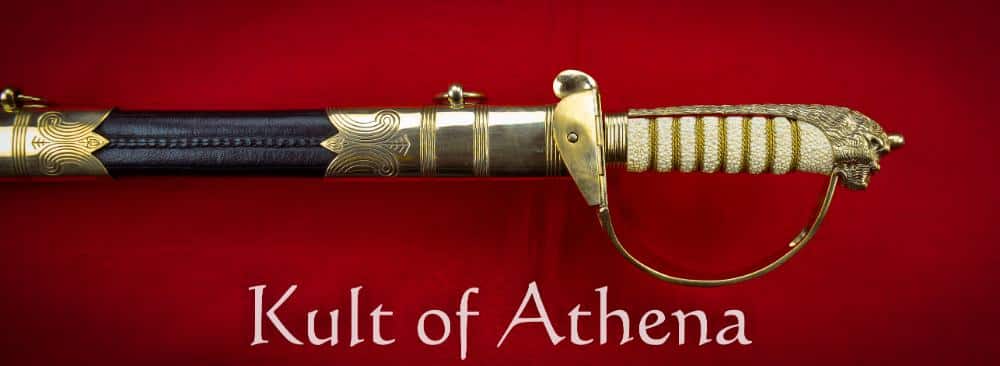
Still carried today by the Royal Navy as a dress sword, the Royal Navy dress saber bears the marks of tradition, history and Empire. First issued in 1827, this style sword has stayed largely the same since its inception. The heavily-etched blade bears the symbols and seals of the British Empire and the anchor of its Navy. The brass hilt bears a large, fouled anchor and a part of it is hinged to allow it to latch onto the scabbard stud for security in rough seas. The lion-head pommel hearkens back to the blade of Nelson himself. The grip is leather coupled with inlaid bands of fine brass wire.The scabbard is leather with brass accents and two suspension rings. A leather washer at the base of the blade protects the crossguard from colliding into the brass throat of the scabbard.
First introduced in 1827, this sword was carried by the Navy through a whole host of conflicts to today. As mentioned it was adopted by every other Commonwealth navy that was part of the British Empire. Indeed it is likely this sword even found its way into the hands of the officers of the Confederate Navy during the American Civil War. This beautiful sword is made in the gothic style with some harkening back to Nelson's times with the lion's head pommel/back strap.
The solid bowl guard is pebbled to create the illusion of negative space, and in the centre is, of course, is a crown and fouled anchor. The sword knot slot in the guard has been rounded to allow the Navy cord knot to pass through. A very nice touch is the folding rear part of the guard which latches into a stud on the gilt brass top piece of the scabbard. This latching system is requisite for Naval officer side arm especially onboard during a gale.
Specifications
Every measurement that matters
- Brand
- Universal Swords
- Culture
- British
- Era
- Modern
- Edge
- Unsharpened
- Pommel
- Nut
- Overall Length
- 37 1/8''
- Blade Length
- 31 3/4''
- Blade
- 1060-1065 High Carbon Steel
- Weight
- 2 lbs
- P.O.B.
- 7''
- Thickness
- 7.6 mm - 5.4 mm
- Width
- 26.6 mm
- Grip Length
- 4''
- Country of Origin
- India
- Type
- Saber
Reviews
What collectors are saying
Q&A
Questions from the community
Q What is this sword best suited for—display, collecting, or actual handling? Common Question
This is a Battle Ready reproduction of the British Royal Navy dress saber, built from 1060-1065 high carbon steel for durability and handling rather than as a fragile display piece. The edge ships unsharpened, so it's suited to historical display, uniform wear, reenactment, and handling rather than cutting work.
Q Does this sword come sharp? Common Question
No, the edge is unsharpened as shipped. That makes it appropriate for display, parade carry, or handling, but not for cutting tatami or water bottles without sharpening and testing by the owner.
Q What is the blade made of, and how durable is it? Common Question
The blade is 1060-1065 high carbon steel, a tough, shock-resistant steel commonly used in Battle Ready swords because it holds up to flexing and impact without being brittle. Combined with its Battle Ready classification, this blade is built for lasting handling and display use.
Q How does the balance feel in the hand? Common Question
The point of balance sits 7 inches out from the guard, which keeps the blade's mass further forward on this saber. That forward balance suits the cutting-oriented geometry of a Naval saber and gives it a bit more momentum through the blade during a swing.
Q What are the grip and hilt made of? Common Question
The hilt is brass, cast with a fouled anchor motif and a lion's-head pommel that echoes Nelson-era Naval sabers. The grip is leather, bound with inlaid bands of fine brass wire, and the guard folds to latch onto a stud on the scabbard for security.
Q What does the pommel look like, and how is it built? Common Question
The pommel is secured with a nut, a simple and solid method of fastening it to the tang. On this piece that nut sits beneath a brass pommel cast in the shape of a lion's head, a detail carried over from Nelson's era sabers.
Q What is the scabbard made of, and can I store the blade in it long-term? Common Question
The scabbard is leather with brass fittings, two suspension rings, and a leather washer at the throat that protects the crossguard from striking the brass mouth. Leather scabbards trap moisture against the blade over time, so for long-term storage it's best to keep the blade out of the scabbard and stored separately in a dry place.
Q How should I care for this sword to prevent rust? Common Question
Wipe the carbon steel blade down after handling, apply a light coat of oil to protect it from moisture, and store it somewhere dry. Keep the leather grip and scabbard conditioned and away from damp conditions, and avoid leaving the blade seated in the leather scabbard for extended periods since leather holds moisture against the steel.
Q What is the history behind this design? Common Question
This pattern was first issued to the Royal Navy in 1827 and has changed little since, remaining in use today as a dress sword. It was also adopted across other Commonwealth navies, and the lion's-head pommel is a direct nod to the swords carried in Nelson's era.
The Maker
Universal Swords
With origins going back to 1960, India’s Universal Swords has been making reproduction swords for decades. With an emphasis on military sabers, universal produces a number of designs not found elsewhere. As the official US distributor of Universal Swords, KOA will be expanding to stock their entire line over time.
Often paired together

No reviews yet. Only logged in customers who have purchased this product may leave a review.