
Prussian Heavy Cavalry Sword – Universal Swords
In stock
$229.99
- Shipping estimated at checkout
- Every blade inspected before shipping
- 30-day returns
- Blade
- 1060-1065 High Carbon Steel
- Overall Length
- 41 3/8''
- Weight
- 3 lb 3 oz
- Brand
- Universal Swords
- Era
- 19th Century
Overview
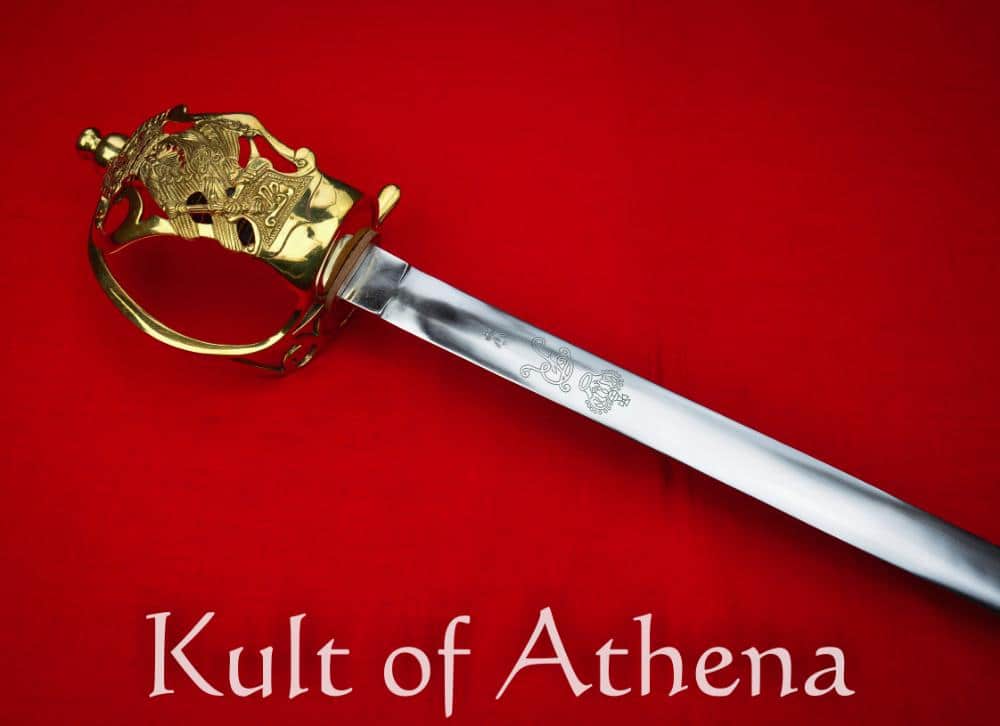
Prussian Heavy Cavalry Sword - Universal Swords
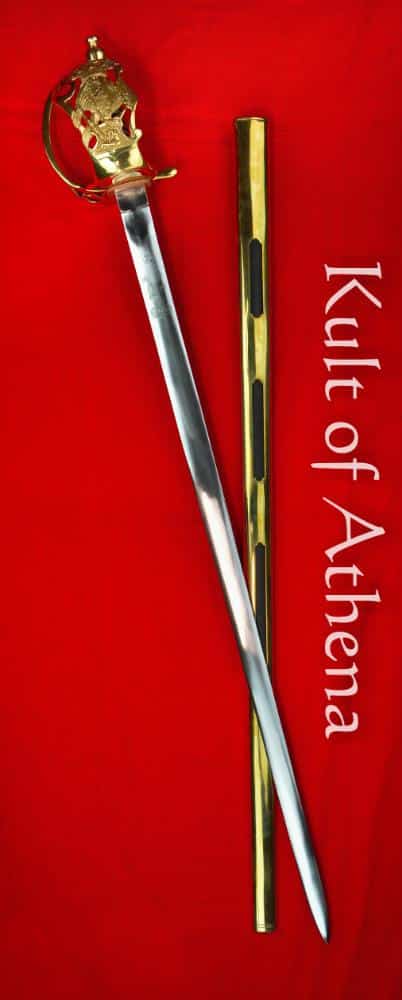
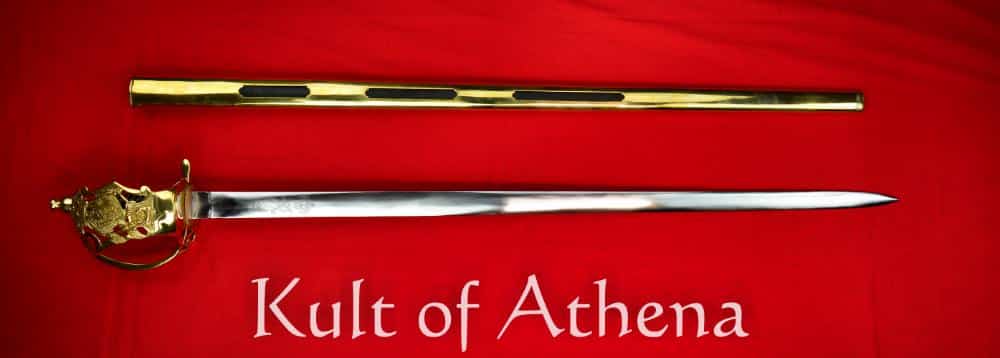
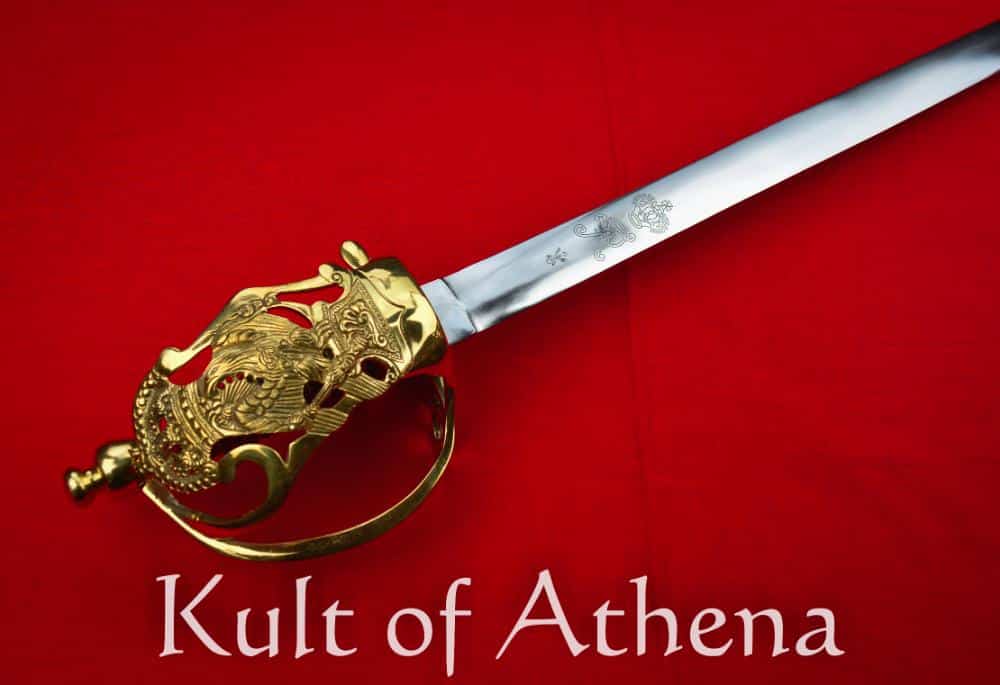
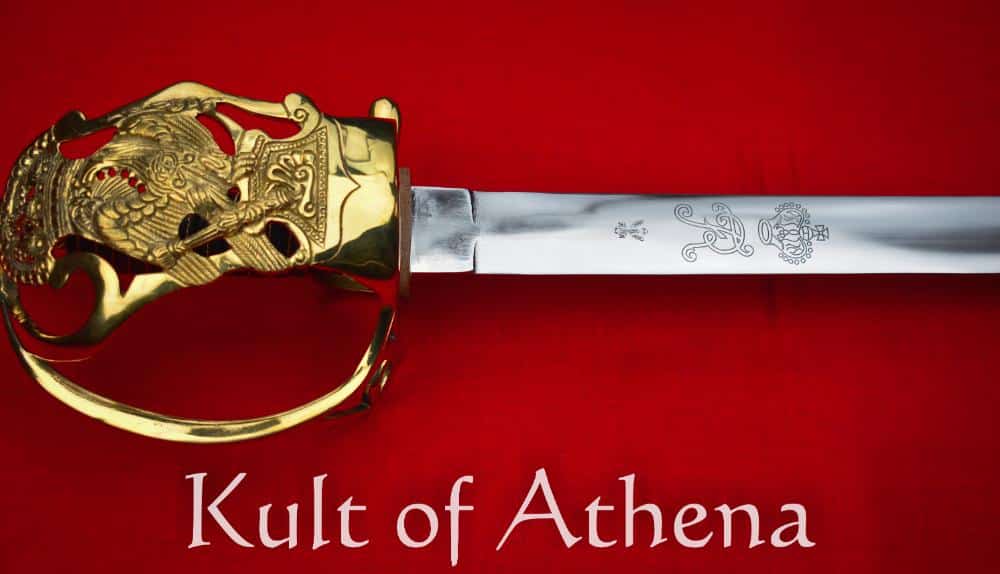
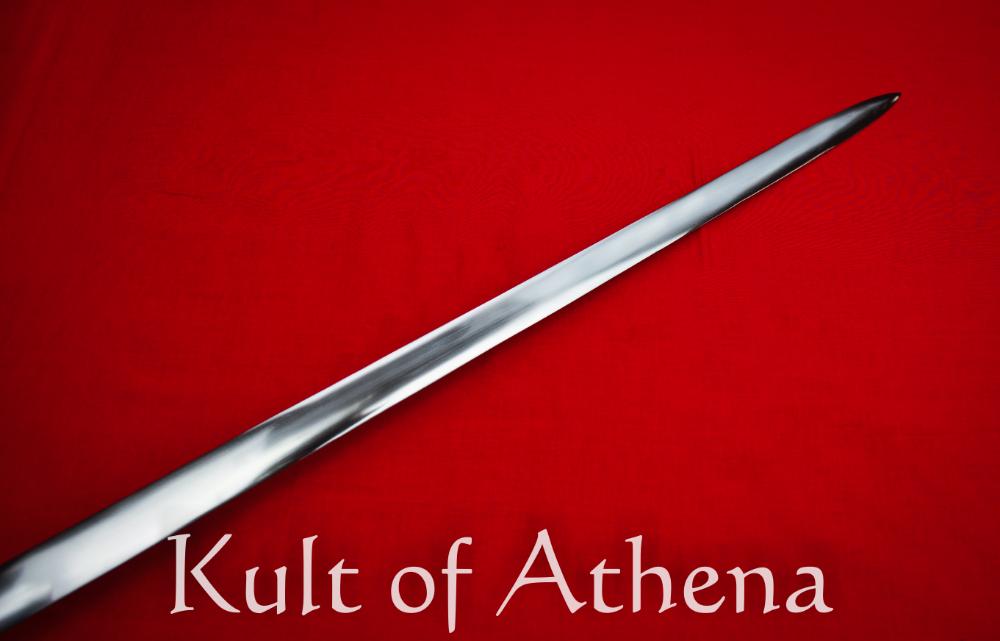
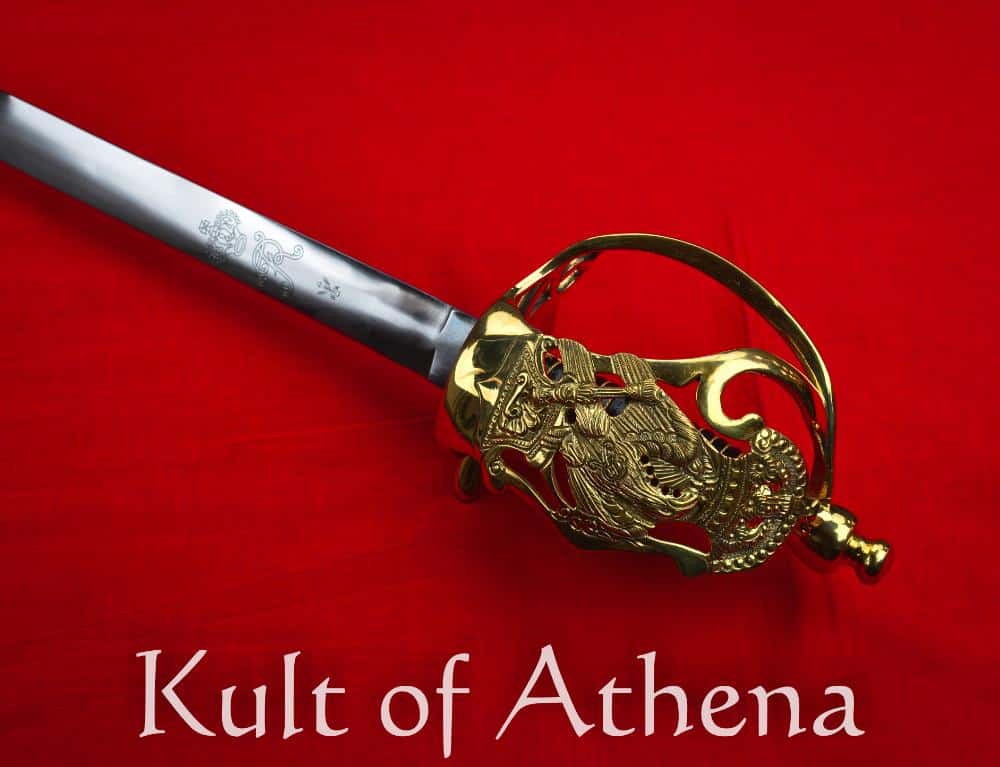
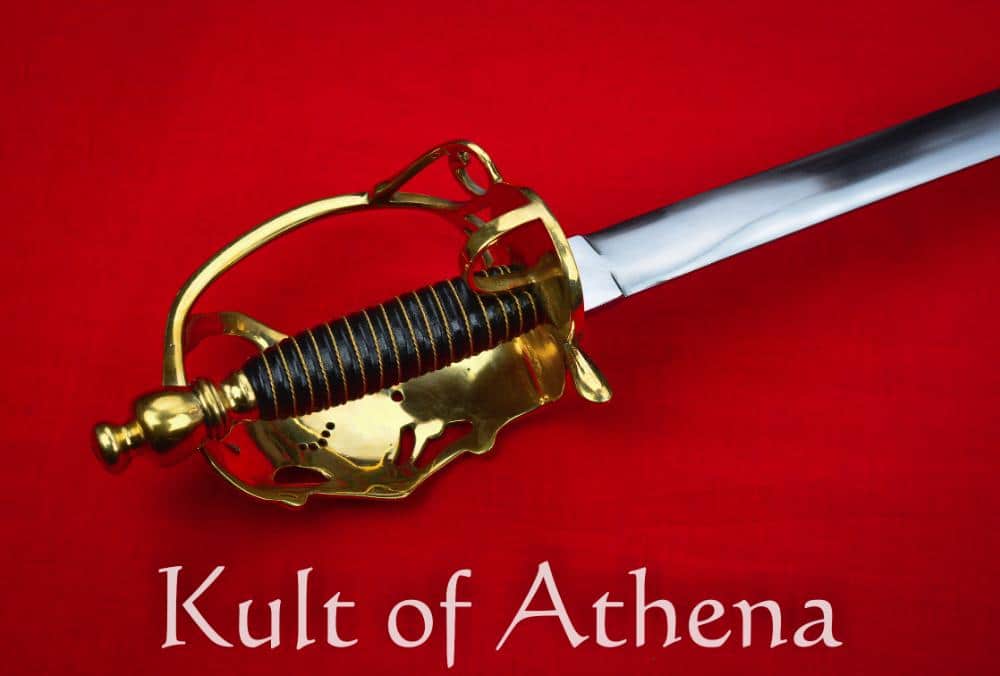
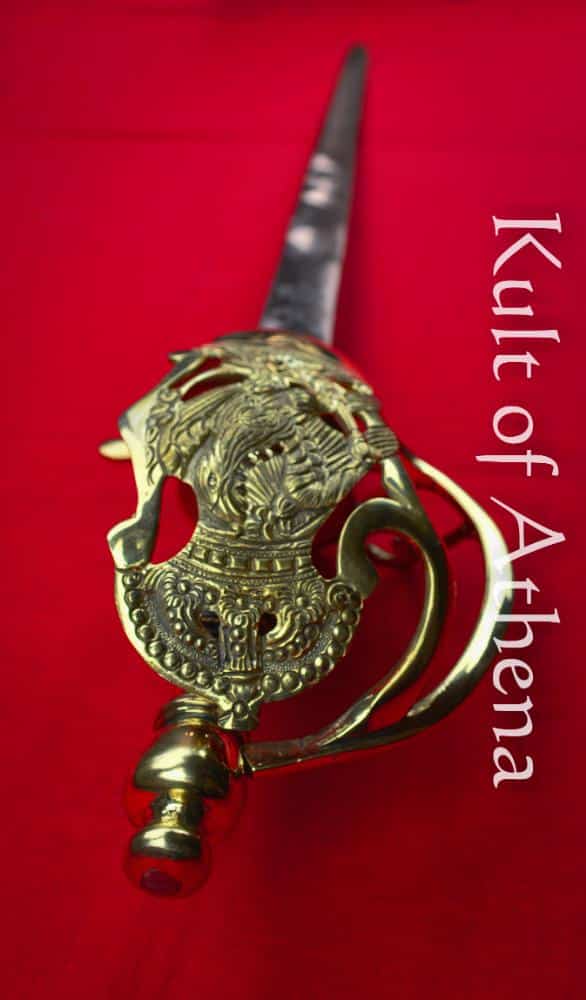
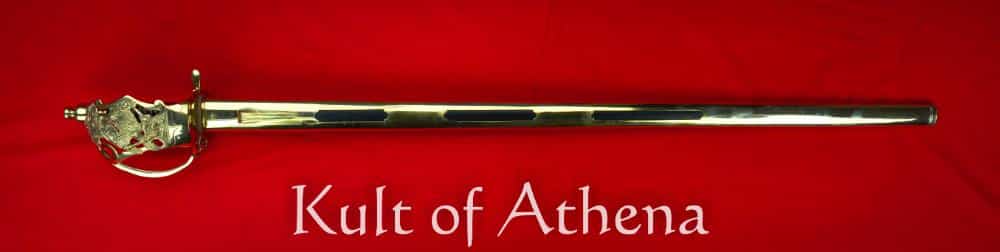
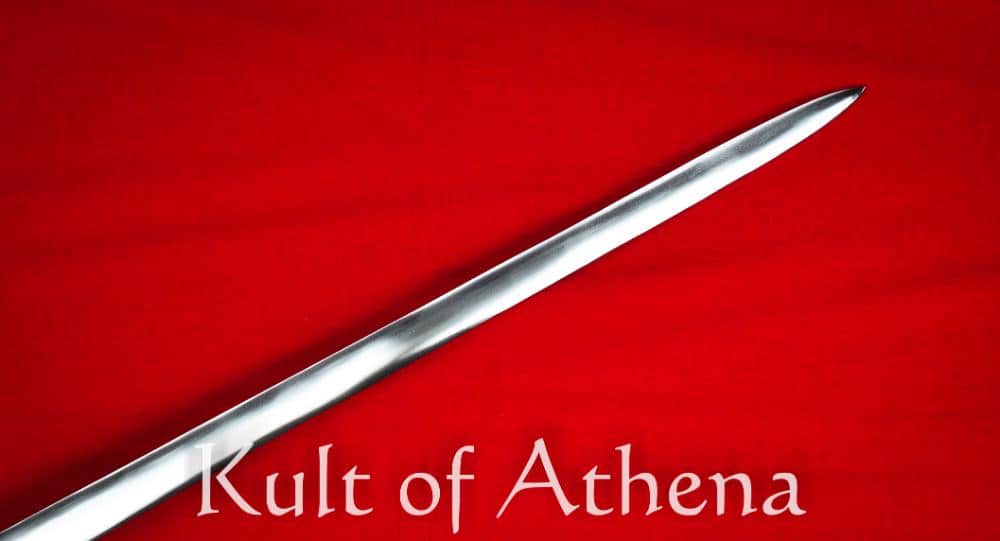
This Prussian Cavalry Sword has a tempered high-carbon steel blade. The hilt is of brass with a leather grip accented by brass wire inlay. The guard is heavily embellished with Imperial symbols. The wood-core scabbard is covered with black leather and a brass casing.The sword was made by Universal Swords of India.
Specifications
Every measurement that matters
- Brand
- Universal Swords
- Era
- 19th Century
- Edge
- Unsharpened
- Pommel
- Peened
- Overall Length
- 41 3/8''
- Blade Length
- 34 1/2''
- Blade
- 1060-1065 High Carbon Steel
- Weight
- 3 lb 3 oz
- P.O.B.
- 7''
- Thickness
- 6.5 mm - 4.2 mm
- Width
- 32.9 mm
- Grip Length
- 4 3/4''
- Country of Origin
- India
Reviews
What collectors are saying
Q&A
Questions from the community
Q What is this sword built for, and who is it right for? Common Question
This is a Battle Ready reproduction of a 19th-century Prussian heavy cavalry saber, built with a tempered 1060-1065 high-carbon steel blade and a sturdy brass hilt and guard assembly. It ships with an unsharpened edge, making it a strong fit for collectors, reenactors, and display, rather than a tool meant for live cutting.
Q Does this sword come sharpened? Common Question
No, the edge ships unsharpened. That suits it for handling, historical display, and study without the upkeep a live edge requires.
Q What steel is the blade made from, and how durable is it? Common Question
The blade is tempered 1060-1065 high-carbon steel, a family of steel long used in battle-ready blades for its toughness. Combined with its Battle Ready classification, this sword is built to take regular handling and display use without issue.
Q Is this sword full tang? Common Question
Tang length isn't broken out separately in the specs, but the pommel is peened, meaning the tang runs through the hilt and is hammered over at the end to lock pommel, grip, and guard together. That's traditional battle-ready construction rather than a riveted-scale or tactical-style assembly.
Q What is the point of balance, and what does it mean for handling? Common Question
The point of balance sits 7 inches out from the guard, putting some weight forward in the blade. That matches how heavy cavalry sabers like this one were used historically, delivering cutting power from horseback rather than quick point control.
Q What are the hilt and grip made of? Common Question
The hilt is brass, with a leather-wrapped grip accented by brass wire inlay, and the guard is heavily worked with relief decoration carrying Imperial symbols. Photos show this detail extending into scrollwork and figures, including an eagle motif on the guard and knuckle bow.
Q What does the scabbard look like, and can I store the sword in it long-term? Common Question
The scabbard has a wood core covered in black leather with brass fittings and casing, matching the finish of the hilt. Leather and wood scabbards trap moisture over time, so for long-term storage the blade is better kept out of it, lightly oiled, in a dry spot.
Q How should I take care of this sword? Common Question
Wipe down the high-carbon steel blade after handling and keep a light coat of oil on it, since carbon steel rusts faster than stainless if left damp or bare. Store it out of its leather-and-wood scabbard in a dry place rather than leaving it sheathed for long periods.
The Maker
Universal Swords
With origins going back to 1960, India’s Universal Swords has been making reproduction swords for decades. With an emphasis on military sabers, universal produces a number of designs not found elsewhere. As the official US distributor of Universal Swords, KOA will be expanding to stock their entire line over time.
Often paired together

Pretty face. Ugly sword. Same problem as usual. Good looks, but the taper and handling dynamics are way off. Elliptical sword blades were popular for almost 200 years of pallasches (basket hilted straight cavalry swords). Goes back to the famous German horse swords adapted from the dutch Walloon in the 1640s. Too much metal in the hilt also. These were built sparingly in the originals.
Good looks, fit and finish lasts. Older models made with 1050 carbon steel. A legitimate weapon, just not a manageable one. I have one as a display piece.