
1796 Pattern British Sergeant’s Sword – Universal Swords Munitions Grade
Out of stock
$149.99
- Shipping estimated at checkout
- 30-day returns for standard grade
- Blade
- 1060-1065 High Carbon Steel
- Overall Length
- 37 1/8"
- Weight
- 2 lbs 2 oz
- Brand
- Universal Swords
Overview
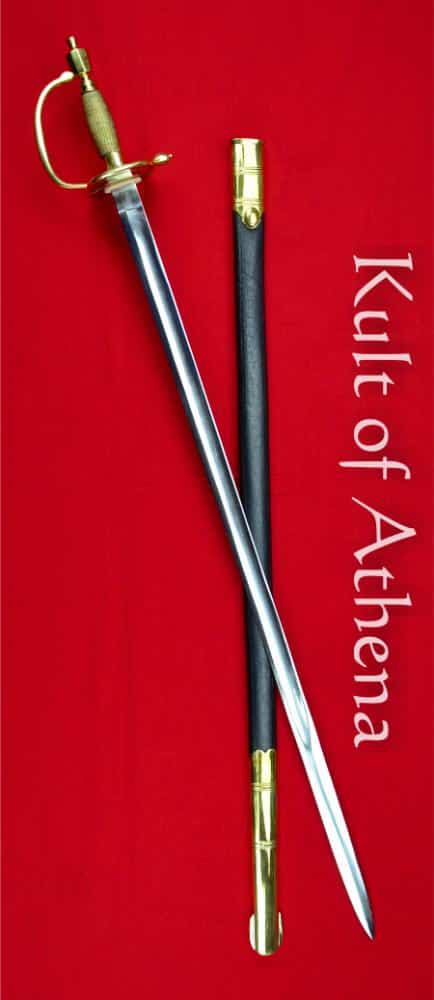
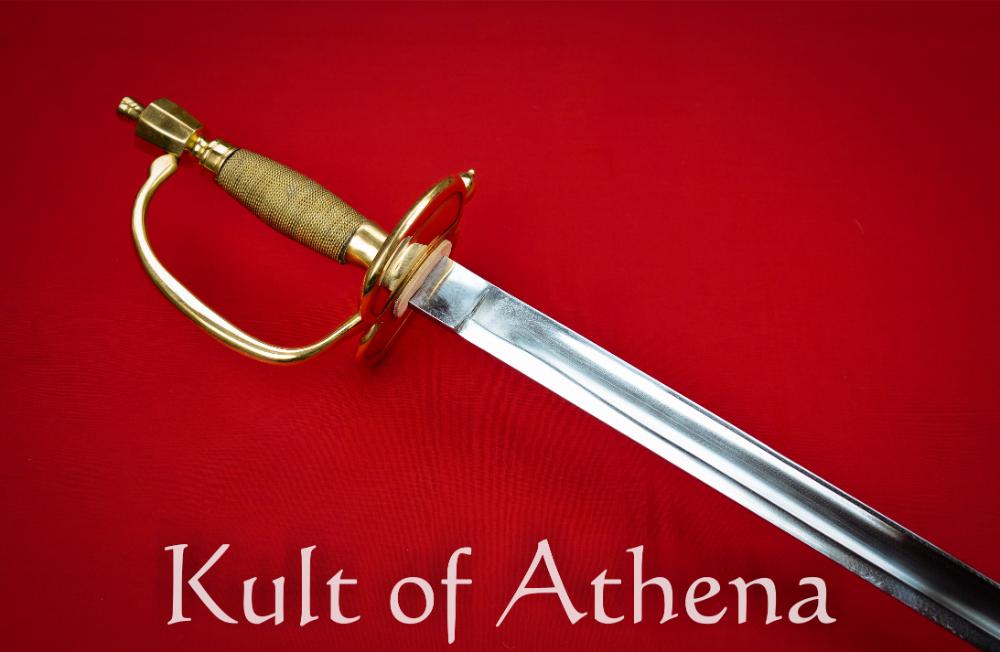
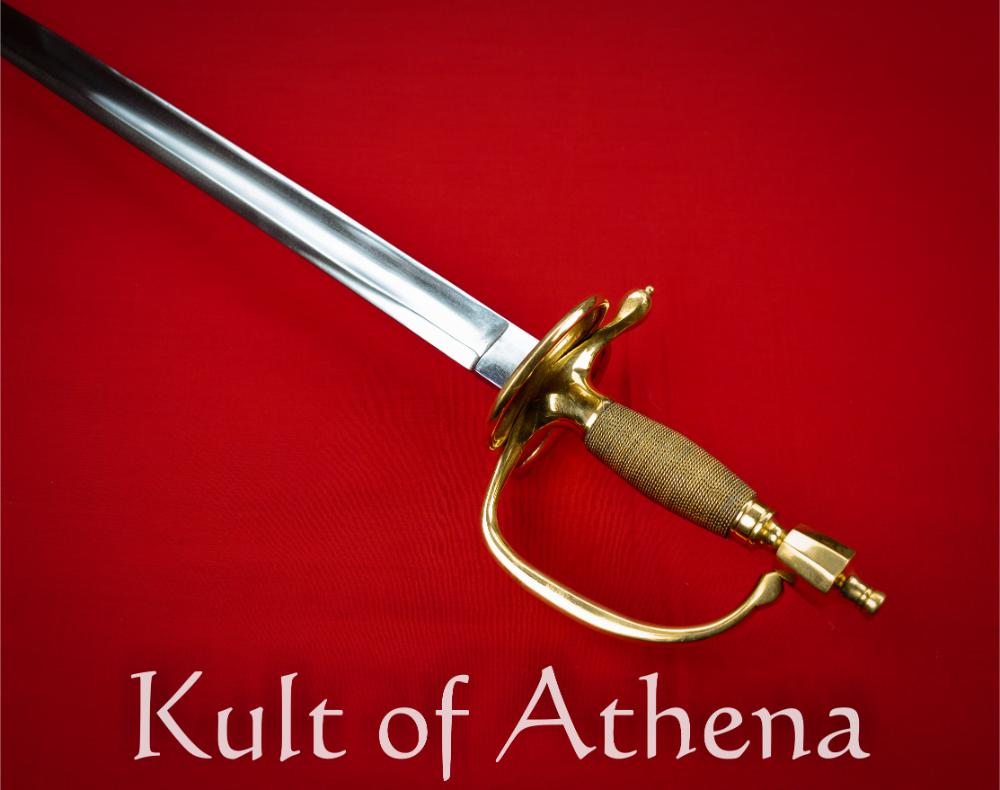
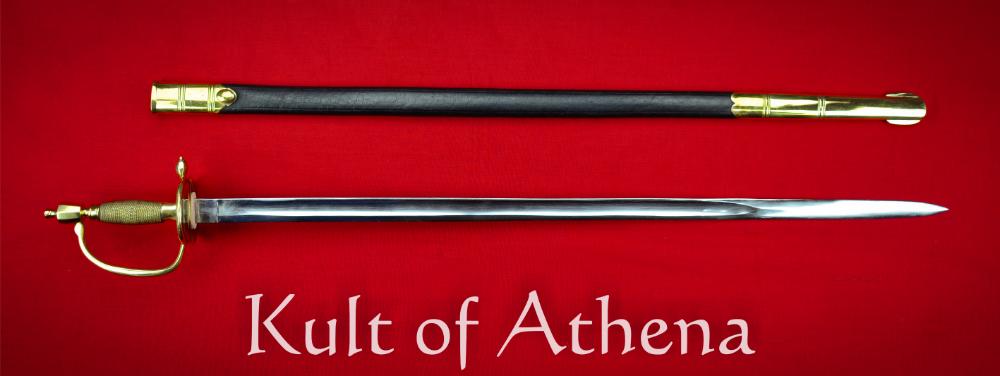
1796 Pattern British Sergeant's Sword - Universal Swords Munitions Grade
Before Britain standardized the sword carried by its regimental sergeants and musicians, they were obliged to purchase swords of varying design that were chosen by wealthy regimental commanders. These were often expensive blades with characteristic silver-detailed mountings, and were painfully expensive for these sergeants and the drummers to buy and replace on their army wages.
When Britain standardized the swords to be carried by regimental officers, it also standardized a simpler, cheaper version of the sword that was to be worn by the sergeants and their accompanying drum and fife. Omitting the silver detailing and blade engraving, these all-brass hilted swords were in the form required and at a price befitting the wages of the men carrying them.
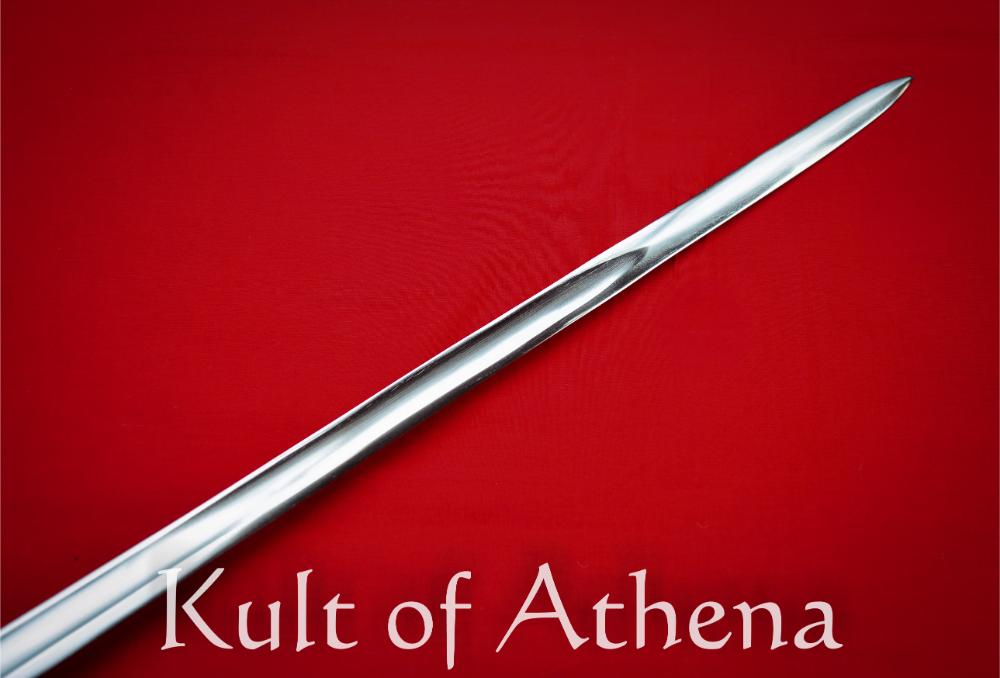
The sword design settled upon had a spadroon-like cut-and-thrust blade that was fitted into a hilt inspired by the gentlemanly smallswords of earlier years. A shorter-bladed version was created for the musicians, for they were often the shorter men in the regiment. These swords were not for show, sergeants and musicians were expected to fight when required. Unfortunately for them these 1796 swords were considered an inferior design of the time. The blade, though a compromise for cutting and thrusting, could do neither exceptionally well and the guard was considered too small to properly protect the hand. It wasnt until 1822 that Britain introduced new, standardized designs, making the 1796 infantry swords one of the blade patterns used throughout the entirety of the Napoleonic wars.
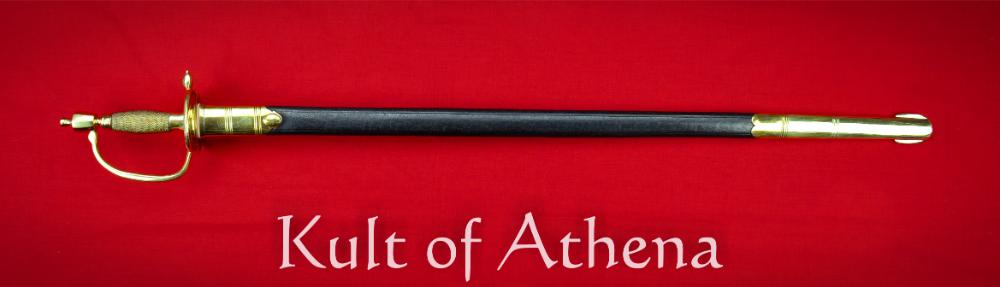
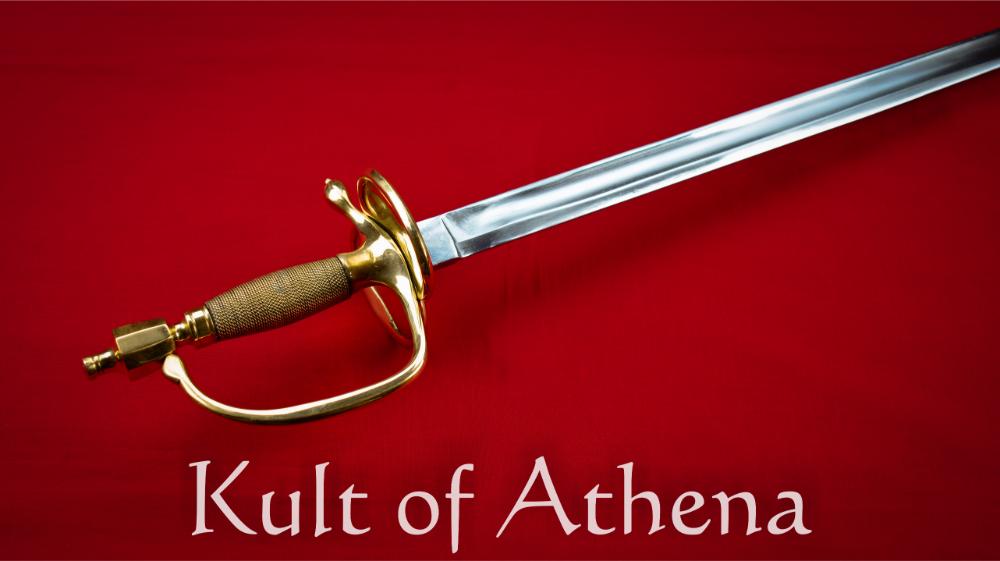
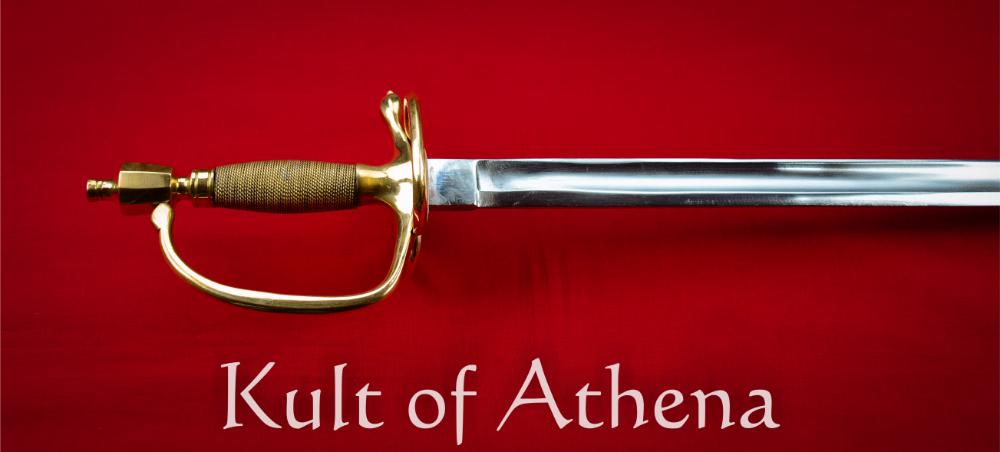
This recreation of the British 1796 Sergeants sword has a plain blade of unsharpened, tempered, high carbon steel. The hilt is entirely of brass. The scabbard is of leather with brass accents. The sword is the longer version used by the sergeants instead of the shorter blade used by the musicians, though the overall sword design and construction were inherently the same.
Specifications
Every measurement that matters
- Brand
- Universal Swords
- Edge
- Unsharpened
- Overall Length
- 37 1/8"
- Blade Length
- 31"
- Blade
- 1060-1065 High Carbon Steel
- Weight
- 2 lbs 2 oz
- P.O.B.
- 6"
- Thickness
- 8 mm - 4 mm
- Width
- 26 mm
- Grip Length
- 3 3/4''
- Country of Origin
- India
Reviews
What collectors are saying
Q&A
Questions from the community
Q What does "Munitions Grade" mean for this sword? Common Question
This is a second-quality piece with a flaw that can affect how it performs, such as a bend, warp, or twist in the blade or a canted hilt. That makes it unsuitable for sharpening or cutting, but it remains a solid choice for collecting, costuming, and reenacting.
Q What is this sword best suited for? Common Question
Given its Munitions Grade status, this sword is built for display, collecting, and reenactment rather than cutting work. The brass hilt, wire-wrapped grip, and leather-and-brass scabbard make it a strong piece for anyone recreating the look of a Napoleonic-era British sergeant without needing a cutting-ready edge.
Q What is the blade made of, and what does "Battle Ready" mean here? Common Question
The blade is forged from 1060-1065 high carbon steel. Kult of Athena's Battle Ready classification covers swords built with a full-length tang and a non-stainless steel blade, which support target cutting once sharpened; this particular piece, being Munitions Grade, carries a flaw that takes it out of consideration for sharpening or cutting.
Q What are the sword's weight and balance point? Common Question
This sword weighs 2 lbs 2 oz with a point of balance 6 inches out from the guard, in keeping with the proportions of the historical 1796 pattern cut-and-thrust blade.
Q What are the hilt and scabbard made of? Common Question
The hilt is entirely brass, with a wire-wrapped grip and a shell-shaped knuckle-bow guard. The scabbard is leather with brass fittings at the throat and tip, matching the hilt's finish.
Q Does this sword come sharpened? Common Question
No, this sword ships unsharpened. As a Munitions Grade piece it carries a flaw that makes it unsuitable for sharpening, so it's intended for display, collecting, and reenactment rather than cutting.
Q How should I care for this sword? Common Question
Wipe the blade down after handling and keep a light coat of oil on the steel to prevent rust. The leather scabbard traps moisture, so store the blade outside of it for the long term rather than leaving it sheathed.
Q What is the history behind this sword pattern? Common Question
This recreates the 1796 pattern sword issued to British regimental sergeants and musicians, a simplified, all-brass-hilted alternative to the costlier swords officers purchased privately. Its spadroon-style cut-and-thrust blade and smallsword-inspired hilt saw service throughout the Napoleonic Wars until replaced by new patterns in 1822.
The Maker
Universal Swords
With origins going back to 1960, India’s Universal Swords has been making reproduction swords for decades. With an emphasis on military sabers, universal produces a number of designs not found elsewhere. As the official US distributor of Universal Swords, KOA will be expanding to stock their entire line over time.
Often paired together

No reviews yet. Only logged in customers who have purchased this product may leave a review.