
Napoleonic Horse Grenadiers of the Imperial Guard Sword – Universal Swords
Back Ordered
$235.99
Join Waitlist
You must register to use the waitlist feature. Please login or create an account.- Shipping estimated at checkout
- Every blade inspected before shipping
- 30-day returns
- Blade
- 1060-1065 High Carbon Steel
- Overall Length
- 44 1/2''
- Weight
- 3 lb 3 oz
- Brand
- Universal Swords
- Era
- 19th Century
Overview
Napoleonic Horse Grenadiers of the Imperial Guard Sword - Universal Swords
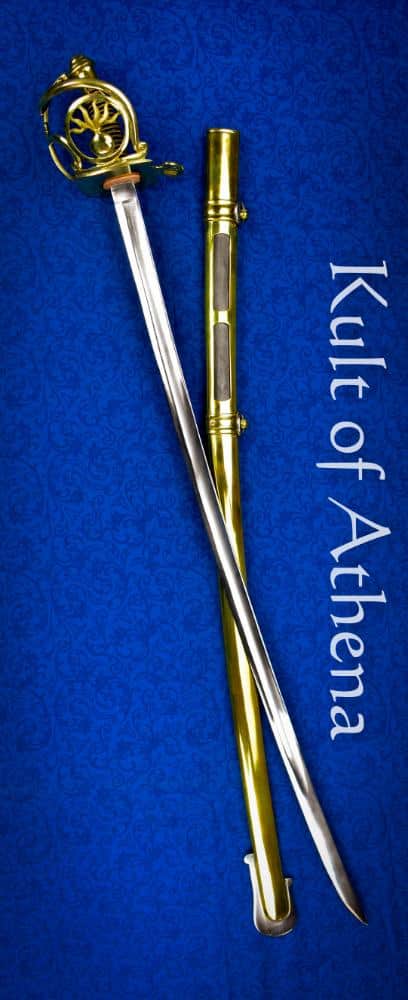
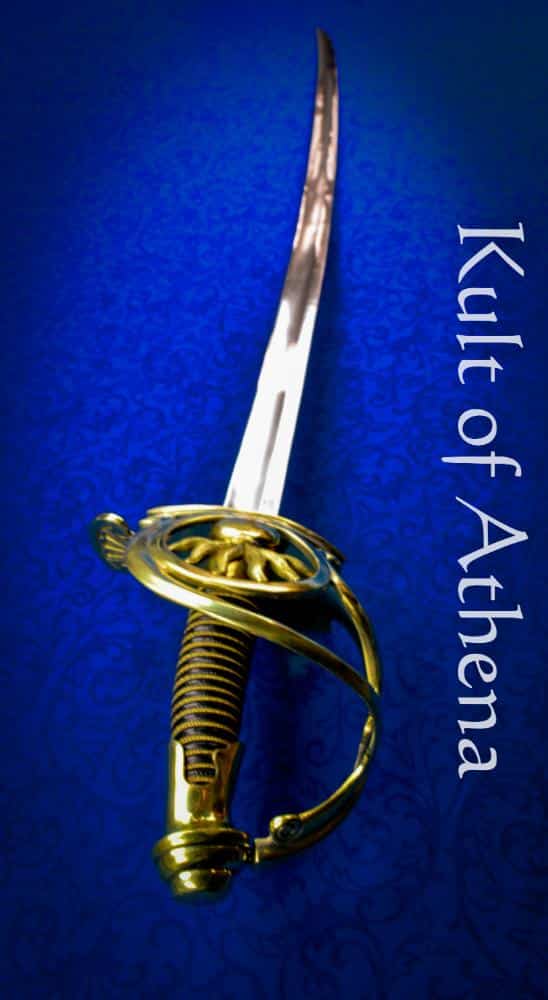
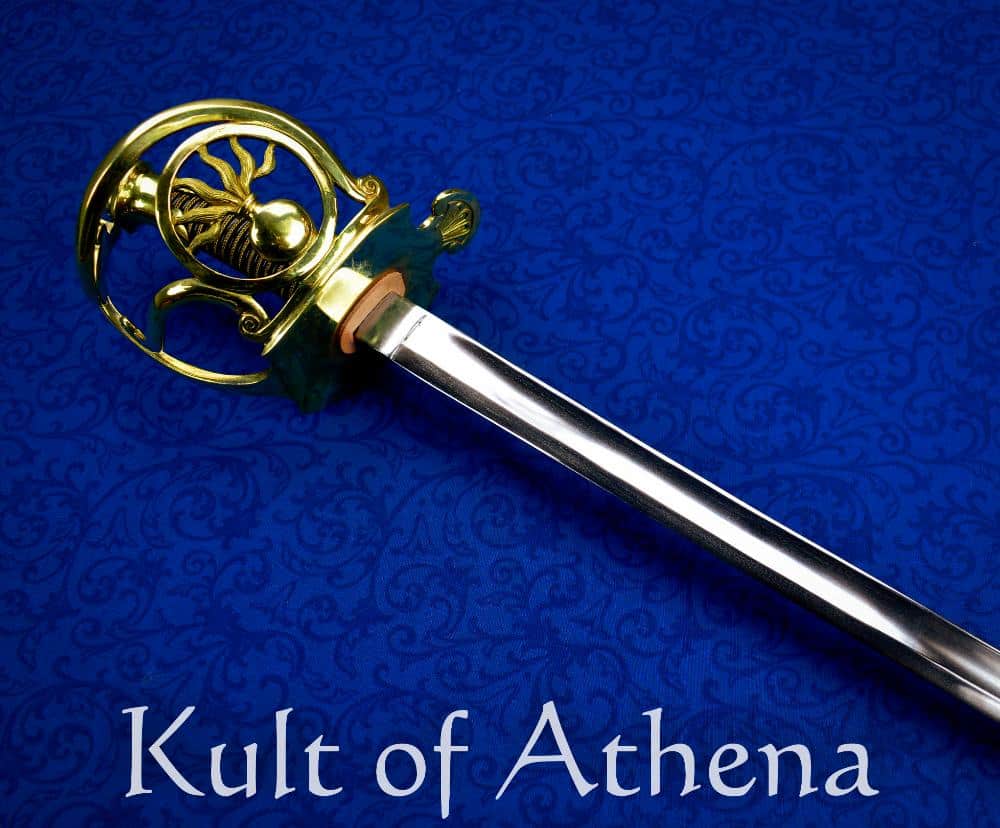
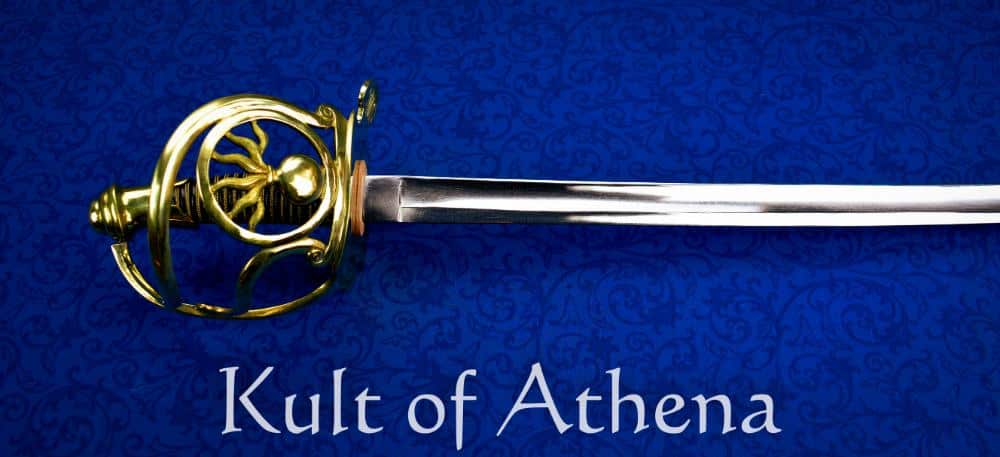
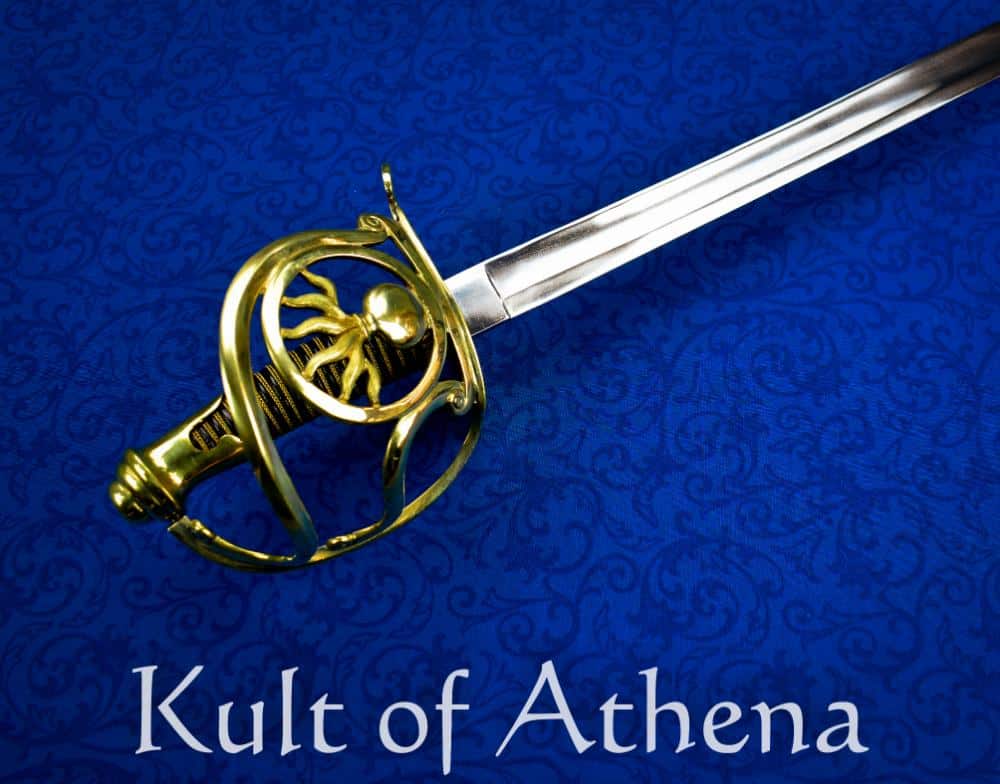
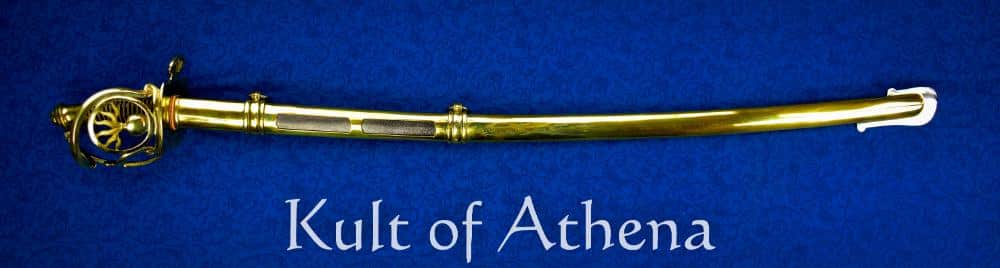
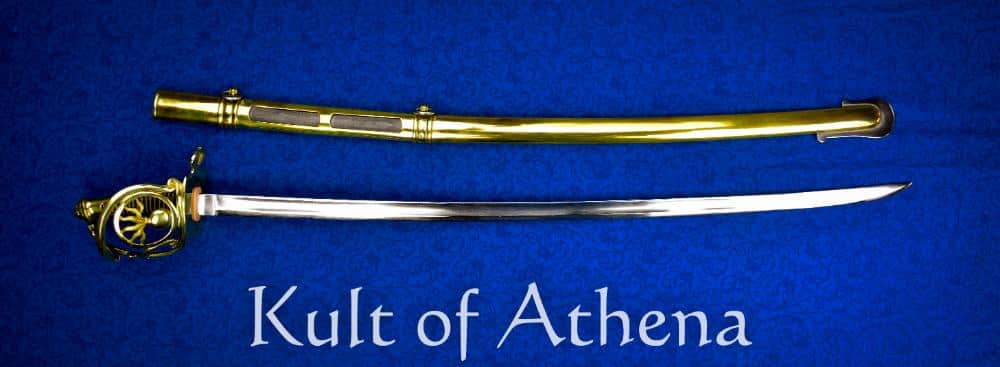
This long saber with its eye-catching flaming bomb emblazoned upon the hilt identifies itself as a sword of the Grenadier a Cheval de la Garde - The Horse Grenadiers of Napoleons Imperial Guard. An elite among elites, these blades would be wielded by the hand-picked mounted Grenadiers - the senior cavalry of the Imperial Guard. At their height the regiment weighed in at 1100 men commanded by some of the most famous cavalrymen of the day.
The Horse Grenadiers only saw action a handful of times in Napoleons campaigns and were usually held in reserve, ready to be sent rushing into the fray to tip the balance of a fight in Napoleons favor at a decisive moment if he needed it. These seasoned men and their expertly-crafted swords met the enemy at decisive battles such as Marengo, Austerlitz, Eylau, Hanau and Waterloo. Though used infrequently, Napoleon was often wise to preserve their strength, for they made impressive gains against the foe when unleashed.
This was proven at the 1805 battle of Austerlitz during the War of the Third Coalition. Napoleon, in a gamble, managed to shatter the center of the Austrian / Russian army with overwhelming pressure and was at work isolating and dismantling the now-split coalition army. This plan was under threat of falling apart when Napoleon's forces were flanked in a heady assault by the considerable Russian Imperial Guard, who had been held in reserve. They smashed a French line battalion, killing over 400 and capturing the regimental eagle. A relieving French Light regiment was also broken.
Napoleon, keen to bring the rampaging Russians to heel, sent in the Horse Grenadiers of the Imperial Guard, supported by the horsemen of the Chasseurs Cheval and Napoleons Mamelukes. This counter-charging tide of green-uniformed Chasseurs, Imperial Guard Grenadier steel and sash-and-saber Mamelukes traded blows with the Russian Imperial Guard Cavalry, who were forced to yield before the French. These elite Russians were soundly defeated in the melee - many were killed and over 200 men, including their commander were taken prisoner. Only 2 Frenchmen were killed and 22 wounded in the hoof-pounding counter-charge. Though the Horse Grenadiers had last been used in combat five years prior, it was clear that this relative inactivity did little to blunt their blades.
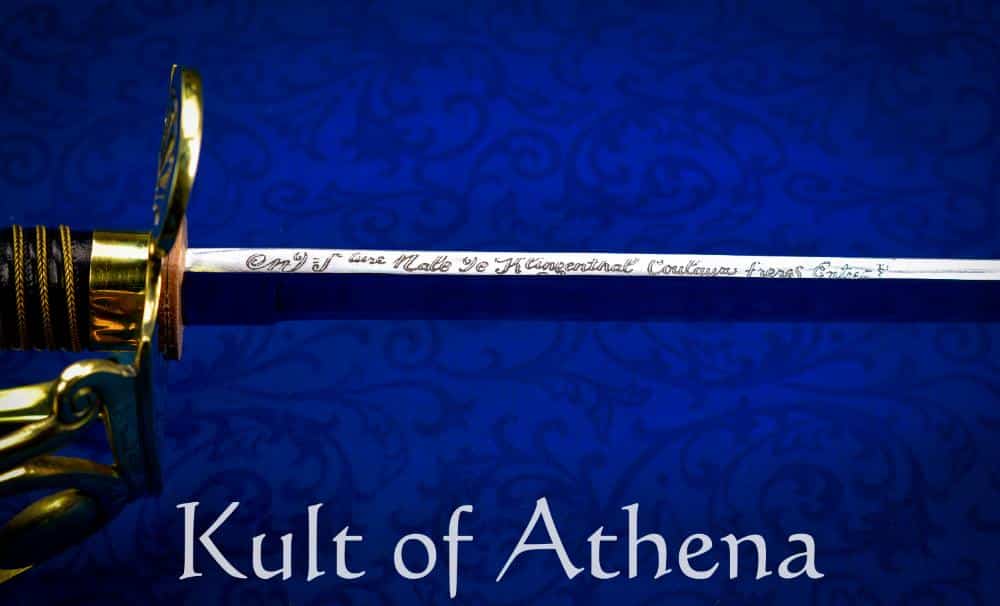
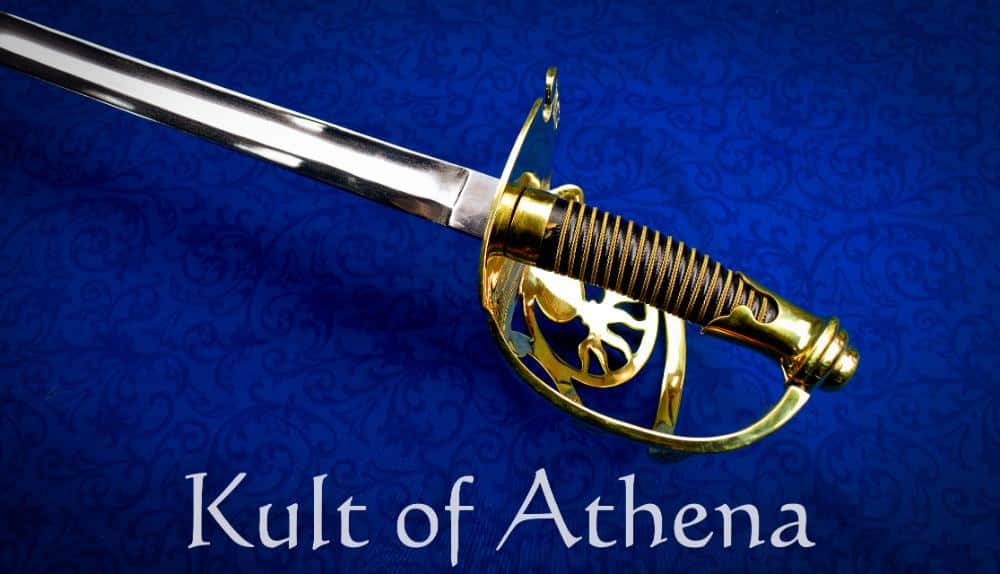
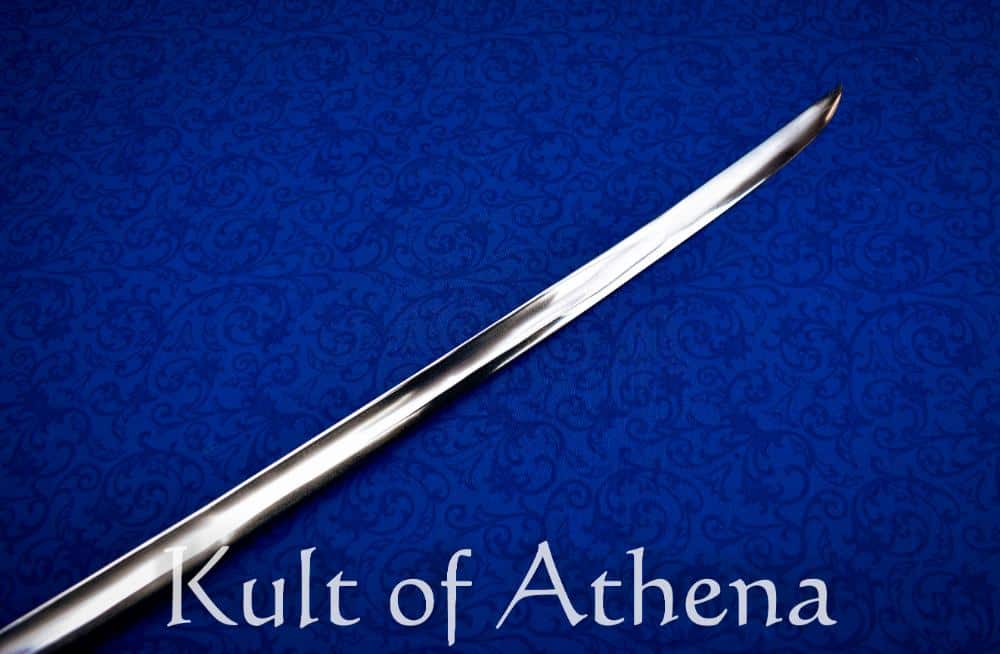
This recreated saber of the Horse Grenadiers of the Imperial Guard has an unsharpened blade of tempered high carbon steel. The spine of the blade bears the signature of the Klingenthal manufactory - the favored swordmaker of Napoleonic France. The hilt is of cast brass and the grip is covered in tight black leather overlaid with spiralled brass wire. The hard-core scabbard is of wood cased within an outer sleeve of brass with two integrated steel hanging rings and a steel chape.
Specifications
Every measurement that matters
- Brand
- Universal Swords
- Era
- 19th Century
- Edge
- Unsharpened
- Pommel
- Peened
- Overall Length
- 44 1/2''
- Blade Length
- 37 3/4''
- Blade
- 1060-1065 High Carbon Steel
- Weight
- 3 lb 3 oz
- P.O.B.
- 6 1/4''
- Thickness
- 6.4 mm - 4 mm
- Width
- 29.1 mm
- Grip Length
- 5 1/4''
- Country of Origin
- India
Reviews
What collectors are saying
Q&A
Questions from the community
Q What is this sword meant for—display, cutting, or sparring? Common Question
This is a Battle Ready reproduction built for durability and handling rather than contact sparring or live cutting, since it ships unsharpened. It's well suited to display, historical study, and reenactment carry, letting you appreciate the weight and presence of an actual Napoleonic cavalry saber in hand.
Q What steel is the blade made from, and how tough is it? Common Question
The blade is forged from 1060-1065 high carbon steel, a tempered carbon steel chosen for its combination of strength and resilience. This is the same steel family used across many battle-ready reproductions meant to hold up to real handling and display over time.
Q Is the edge sharp? Common Question
No, the blade ships unsharpened. The Battle Ready classification refers to the sword's sturdy build and full-tempered steel, not to a sharpened edge.
Q What is the hilt and grip made of? Common Question
The hilt is cast brass with an openwork guard featuring a pierced sunburst motif and a knuckle bow, consistent with Napoleonic cavalry saber styling. The grip is wrapped in black leather bound with spiraled brass wire for a secure hold.
Q What is the scabbard made of, and can I store the blade in it? Common Question
The scabbard has a wooden core housed in an outer brass sleeve, fitted with two steel hanging rings and a steel chape at the tip. Scabbards trap moisture against the blade, so for long-term storage keep the sword out of the scabbard, lightly oiled, and in a dry place instead.
Q How should I care for this sword to prevent rust? Common Question
Wipe the high carbon steel blade down after handling and apply a light coat of oil to guard against moisture and rust. Store the sword unsheathed in a dry environment, and keep the brass hilt and scabbard fittings clean of fingerprints and grime to preserve their finish.
Q What unit or period does this sword represent? Common Question
This saber recreates the pattern carried by the Horse Grenadiers of Napoleon's Imperial Guard, an elite heavy cavalry regiment that served at battles including Austerlitz, Eylau, and Waterloo. The blade spine carries the signature of the Klingenthal manufactory, the swordmaker favored by Napoleonic France.
Q How heavy and balanced is this sword to handle? Common Question
It weighs 3 lb 3 oz with a point of balance 6 1/4'' from the guard, placing mass further out along the blade. That balance suits a saber meant for mounted cavalry use, giving weight and momentum to the blade rather than quick point control.
The Maker
Universal Swords
With origins going back to 1960, India’s Universal Swords has been making reproduction swords for decades. With an emphasis on military sabers, universal produces a number of designs not found elsewhere. As the official US distributor of Universal Swords, KOA will be expanding to stock their entire line over time.
Often paired together

Gorgeous, but not a saber The Heavy Cavalry saber of Napoleon’s Imperial Guard. Only 3 regiments in the French Grand Army carried this. A collectors dream sword, out of reach for us commoners. But here it is! (sort of)
I lied. Fact is, after many years collecting and displaying this repro, I own an original. As stated in the flyer the repro has a 37×1.25 inch blade and weighs in at 3..2 lbs. The original has a 37×1.12 inch blade and weighs 2.5 lbs. The repro is terribly overweight and unbalanced. A shame reenactors have to lug these around.
I still give it 3 stars, because it is such an impressive display piece. Dress it up with a sword knot and a cravat and impress the neighbors. ;)