
Scottish Dirk – Universal Swords
Out of stock
$109.99
Join Waitlist
You must register to use the waitlist feature. Please login or create an account.- Shipping estimated at checkout
- Every blade inspected before shipping
- 30-day returns
- Blade
- 1060-1065 High Carbon Steel
- Overall Length
- 16 3/4''
- Brand
- Universal Swords
- Culture
- Scottish
Overview
Scottish Dirk - Universal Swords
The Scottish Dirk is an integral part of the full Highlander regalia - Originally a utilitarian fighting weapon, the dirk evolved into a largely ceremonial blade, with decoration to match. Earlier Scottish dirks were simply made and durable thrusting daggers that were usually held tip-down in an ice-pick fashion to stab down into the collar and torso of a foe. In battle many were held in the left hand, concealed behind the targe shield. Held tightly alongside the shield grip, the dirk could be fatally thrust at a foe at very close range.
After the disastrous Scottish defeat of Culloden, the English banned the dirk along with most of the national weapons of the Scots. Only those in the military and the well-connected could carry them openly. As the British military felt financial strain the the decades after 1745, the dirk lost its position as a standard regimental weapon of British Army Highlander Regiments to the practical bayonet. Only officers and the well-to-do would continue to carry dirks, and these became embellished status symbols, often intentionally decorated to match the cutlery of the house.
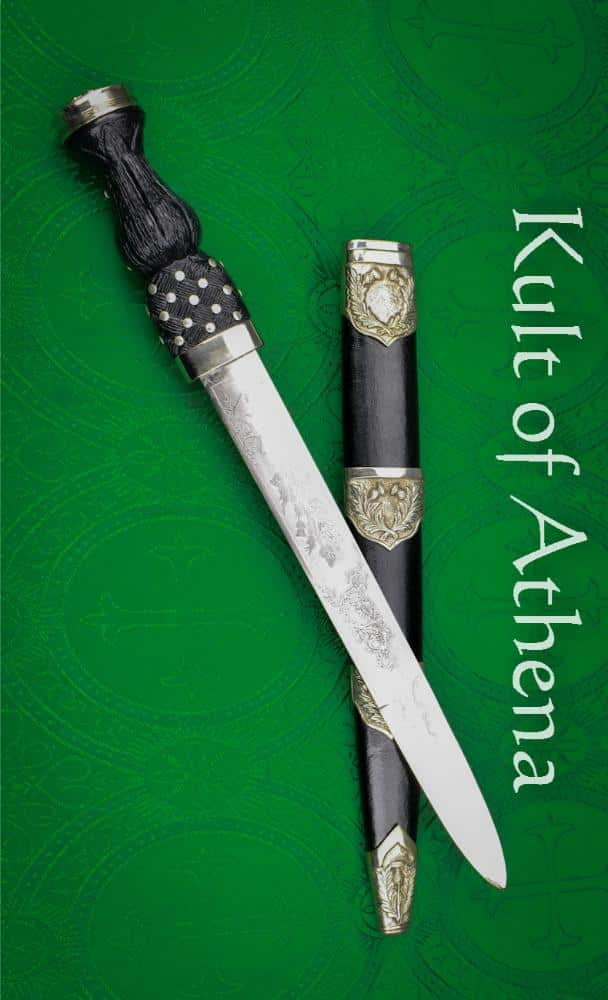
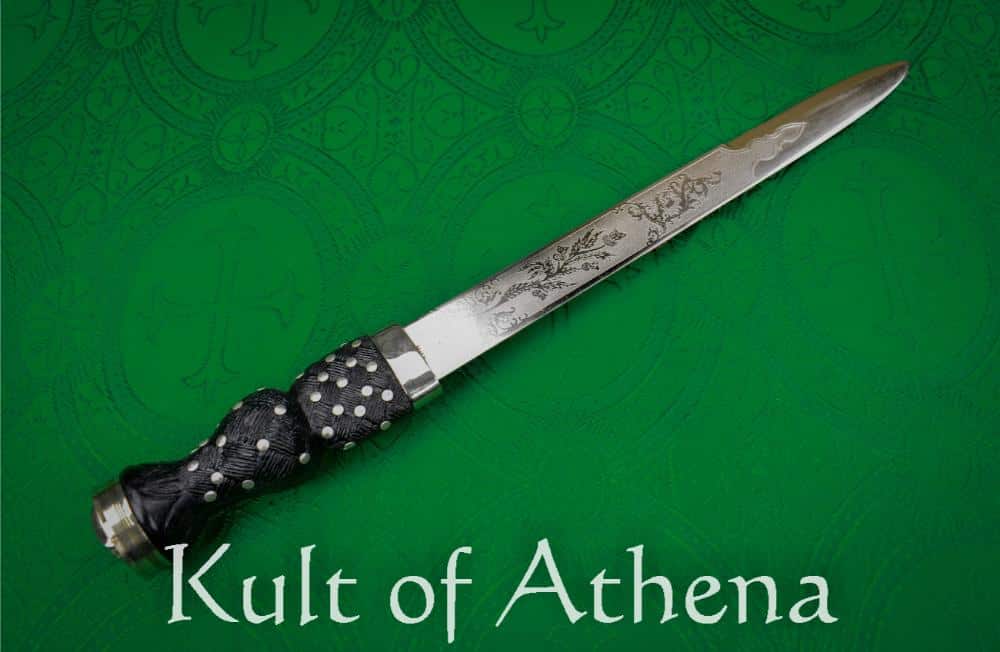
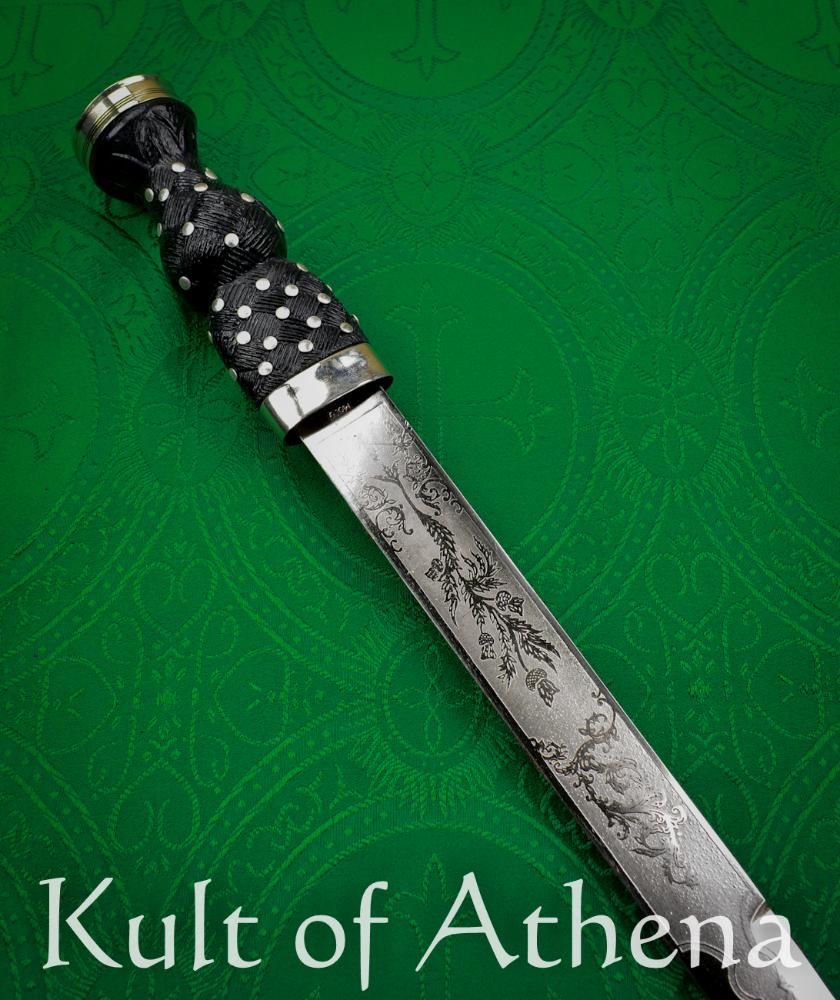
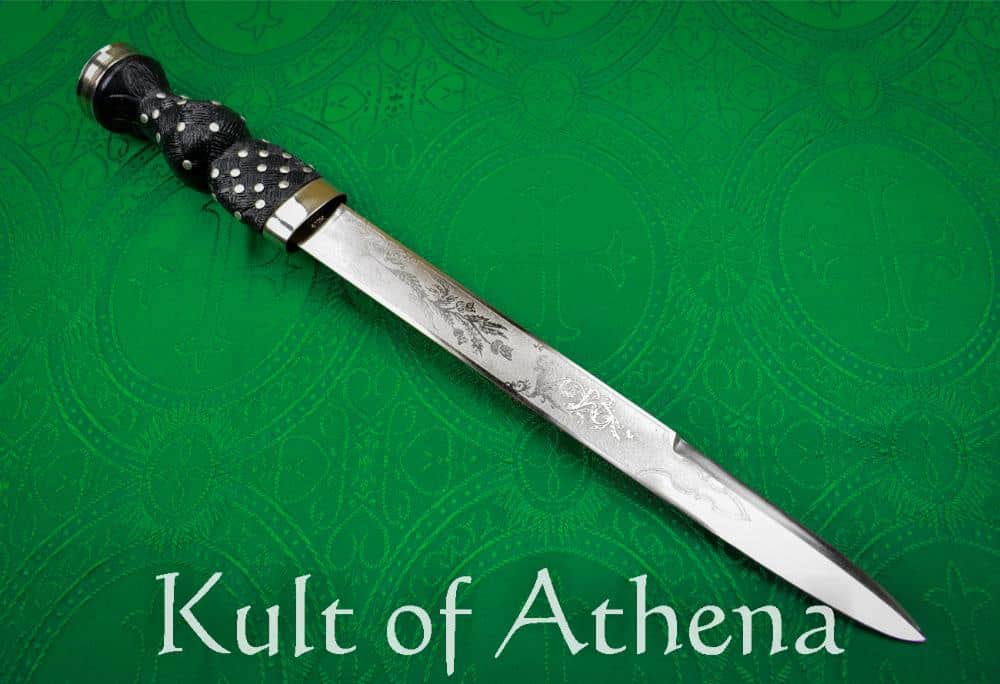
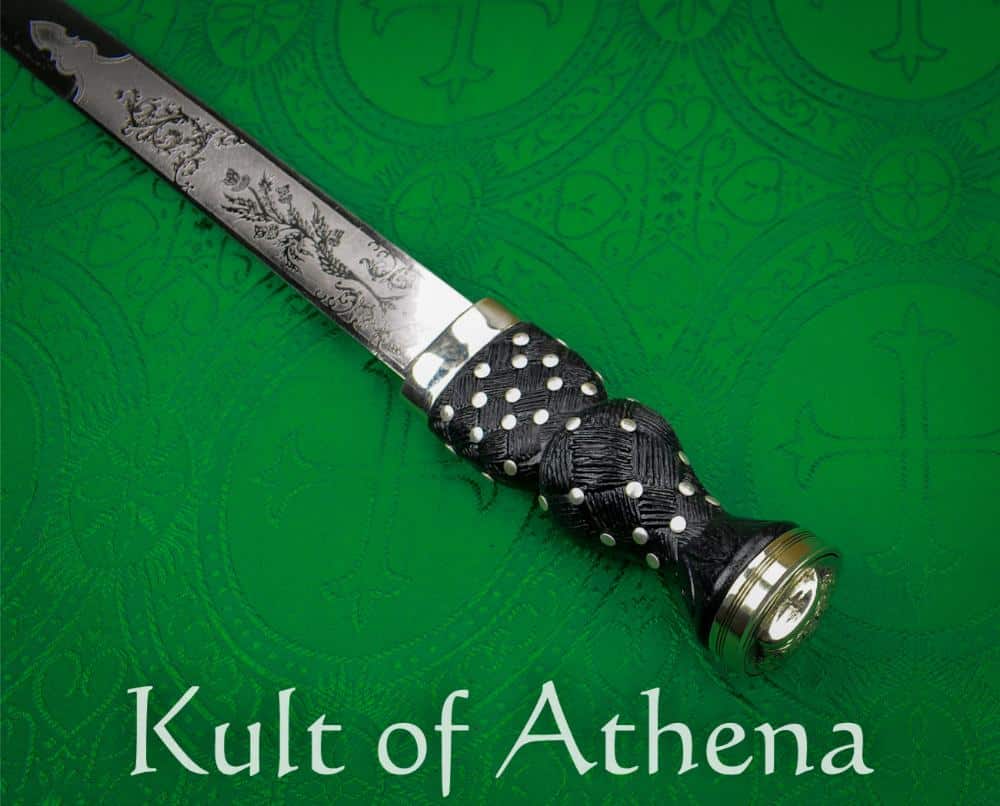
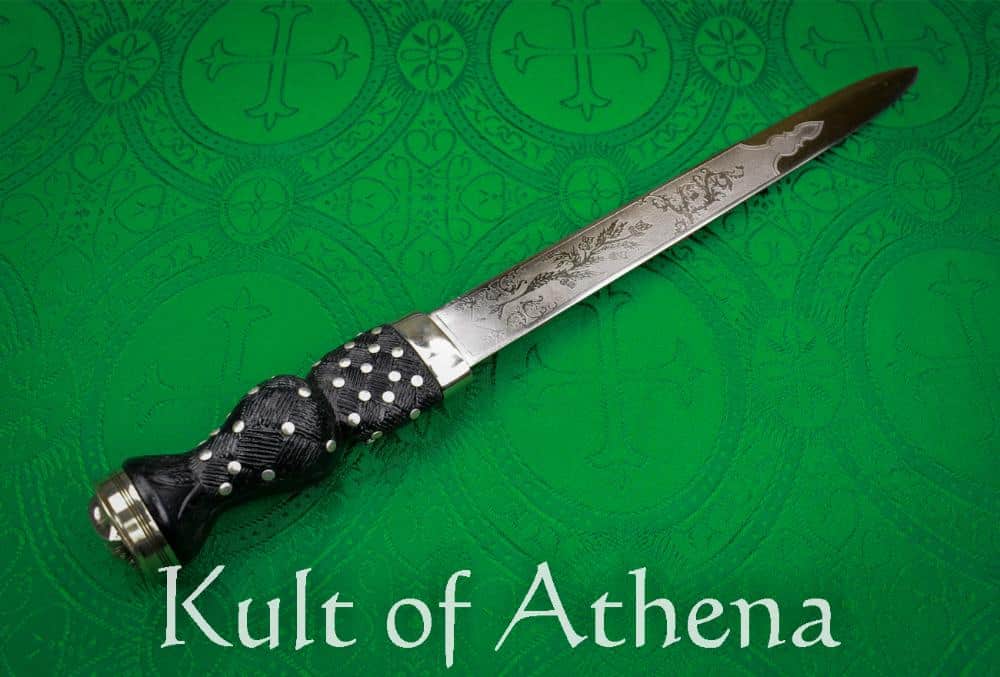
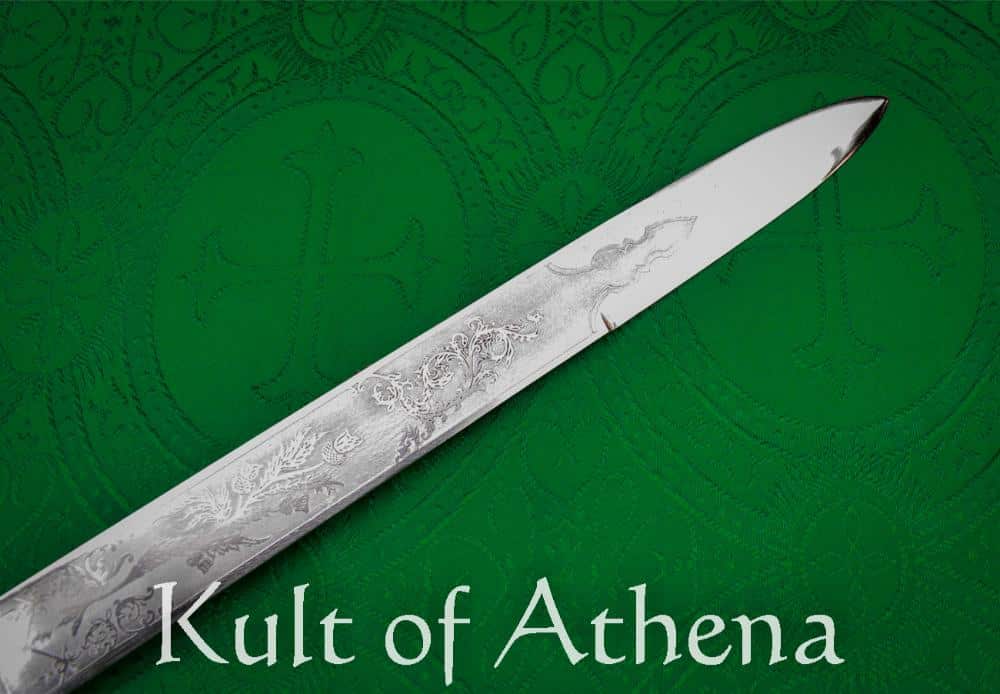
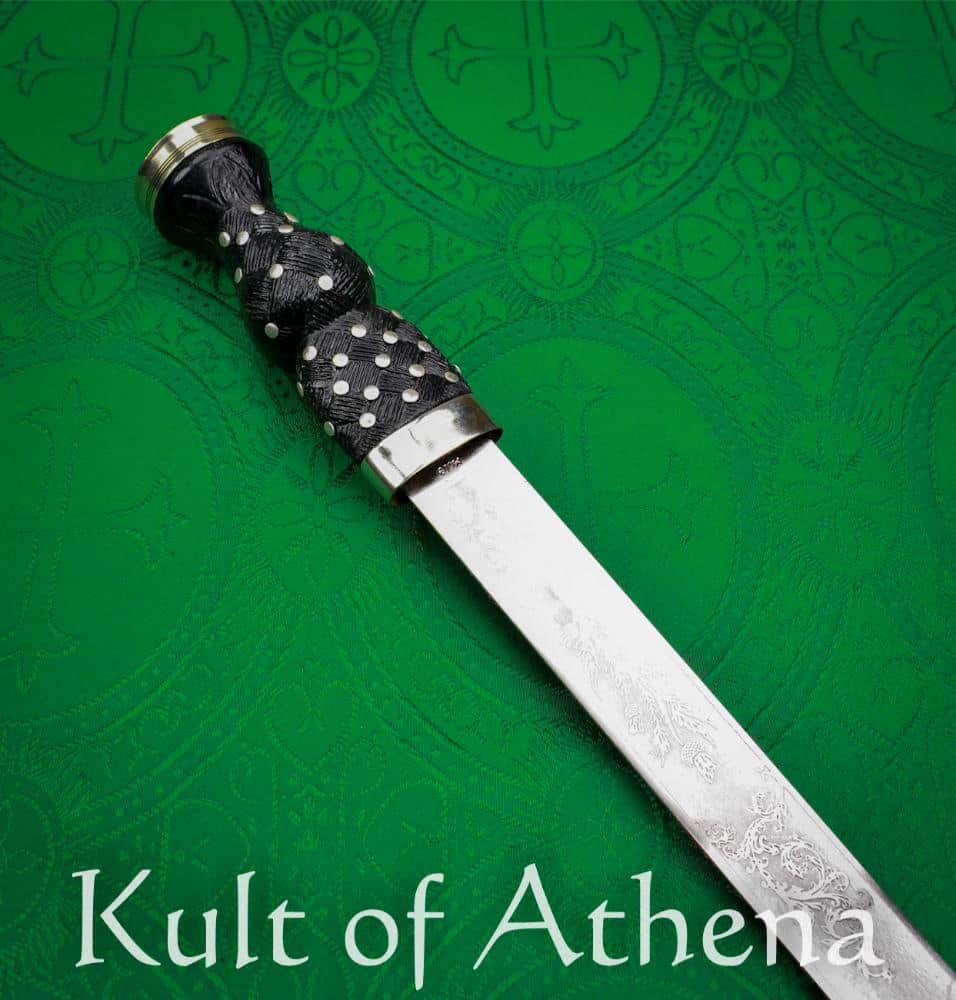
These dirks, such as the one shown here have a distinct level of decor that separate it from the simpler, early dirks. The grip was changed over time from a simple cylindrical grip, to a bulbed, waisted grip. This is intended to imitate the thistle - a symbol of Scotland. The blades were heavily etched and distinctive pins added into the grip. Though the dirk became a status symbol, it was still a deadly blade if it needed to be.
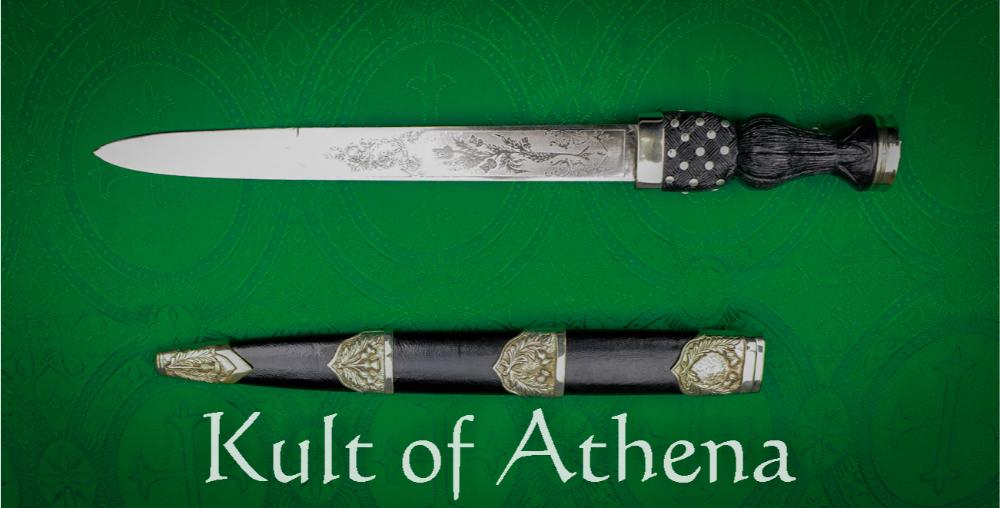
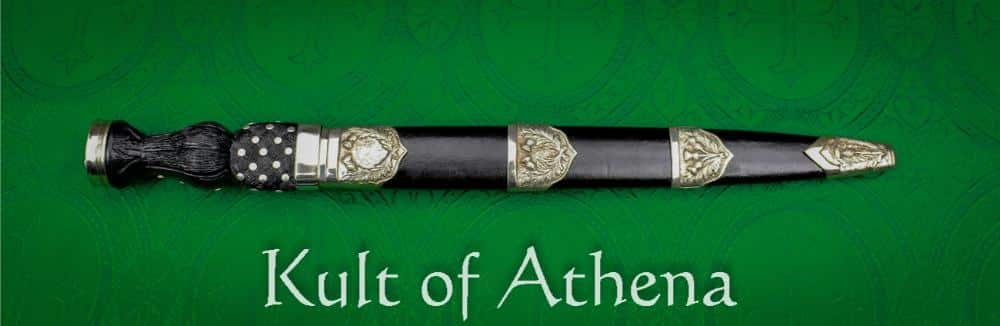
This Scottish Dirk has an embossed blade of high carbon steel. The hilt fittings are of metal. The grip is of faux ebony and has integrated pins of steel. The wood core scabbard is tightly wrapped in black leather and has accents of metal.
Specifications
Every measurement that matters
- Brand
- Universal Swords
- Culture
- Scottish
- Edge
- Unsharpened
- Pommel
- Threaded
- Overall Length
- 16 3/4''
- Blade Length
- 11 3/8''
- Blade
- 1060-1065 High Carbon Steel
- P.O.B.
- 1/8''
- Thickness
- 5.2 mm - 3 mm
- Width
- 31 mm
- Grip Length
- 4 1/8''
- Country of Origin
- India
- Type
- Scottish Dirk
Reviews
What collectors are saying
Q&A
Questions from the community
Q What is this dirk best suited for — display, reenactment, or combat use? Common Question
Built to Battle Ready standards with a high carbon steel blade, this dirk is well suited to handling, display, and historical reenactment as part of full Highland dress. It ships unsharpened, so it is not meant for cutting, test cutting, sparring, or any contact use.
Q Does the blade come sharp? Common Question
No, the edge is unsharpened as it leaves the shop. That keeps it in line with its role as a display and reenactment piece rather than a cutting tool.
Q What steel is the blade made from, and how durable is it? Common Question
The blade is forged from 1060-1065 high carbon steel, a tough, springy steel commonly used in battle-ready blades for its strength. It holds up well to regular handling and carrying as part of Highland dress or a display collection.
Q What is the grip made of, and how is it decorated? Common Question
The grip is faux ebony, shaped with the bulbed, waisted thistle silhouette typical of later, more ornate Scottish dirks, and set with small steel pins. The photographs show these pins arranged in rows across the grip's sections, divided by metal banding.
Q How is the pommel attached to the dirk? Common Question
The pommel is threaded, meaning it screws onto the tang rather than being peened or glued in place. This gives a tight, secure fit between the grip, pommel, and tang.
Q What does the scabbard look like, and what is it made of? Common Question
The scabbard has a wood core wrapped tightly in black leather, finished with metal mounts at the throat, midsection, and tip. The photographs show these mounts carrying the same scrollwork and floral engraving as the blade, matching the ceremonial look of the piece as a whole.
Q How should I care for this dirk? Common Question
Wipe down the high carbon steel blade after handling and keep it lightly oiled to prevent rust, since carbon steel will corrode if left damp. Store the dirk outside its leather-wrapped scabbard for the long term, as the scabbard can trap moisture against the blade.
Q What was a Scottish dirk historically used for? Common Question
The dirk began as a utilitarian thrusting dagger, often carried tip-down and used alongside a targe shield at close range in battle. After dirks were restricted following Culloden, they evolved into ceremonial status pieces worn as part of full Highland regalia, with the kind of heavy etching and decorative grip pins seen on this piece.
Q What does the point of balance tell me about handling? Common Question
The point of balance sits 1/8'' from the guard, keeping the weight close to the hand. That suits a dirk's role as a close-range thrusting dagger, where control near the grip matters more than reach or momentum toward the tip.
Q Where is this dirk made? Common Question
This dirk is made in India.
The Maker
Universal Swords
With origins going back to 1960, India’s Universal Swords has been making reproduction swords for decades. With an emphasis on military sabers, universal produces a number of designs not found elsewhere. As the official US distributor of Universal Swords, KOA will be expanding to stock their entire line over time.
Often paired together

No reviews yet. Only logged in customers who have purchased this product may leave a review.